Latest posts
How Long Can Fleas Survive Without Pets? Vet Answers!

Key Points Flea Life Fleas go through four stages: egg, larva, pupa, and adult. Each stage has different survival needs, and without pets, the pupal stage is key to their persistence in a house. Survival Without Pets Unexpected Detail: Human Hosts Even without pets, fleas can bite humans, though they prefer animals with fur. This…
Ethics of Live Animals in Art: Vet View

Introduction The use of live animals in art has long been a topic of debate. Artists like Damien Hirst, famous for his preserved sharks, and others who feature live creatures in performances have pushed boundaries. But this practice raises big ethical questions, especially from a veterinary perspective. Veterinarians care deeply about animal health and welfare.…
Cow Udder: Healthy vs Mastitis Udder

Introduction A healthy cow udder is solid, uniformly shaped, and is a sophisticated organ vital for milk production, divided into four separate quarters, each containing its own teat and milk-generating system. In comparison, an udder affected by mastitis looks enlarged, warm, and sore, frequently producing clotted or off-colored milk. Bacteria enter the teat canal, causing…
Marek’s disease in chickens: A Ultimate Guide
What is Marek’s disease in chickens? Marek’s Disease (MD) is a highly contagious viral illness caused by the Gallid alphaherpesvirus 2 (MDV). It attacks chickens’ nervous and immune systems, leading to paralysis, tumors, and death. It’s a global threat to the poultry industry and backyard farms, with unvaccinated birds at the highest risk. Susceptible Hosts: Which Chickens Are at Risk? ⚠️ Note: Recovered…
Difference Between Hay and Straw
In agriculture, farming, and animal husbandry, understanding the difference between hay and straw is essential. These two (hay and straw) materials are often confused due to their similar appearance, but they serve entirely different purposes. While hay is a primary source of nutrition for livestock, straw is a byproduct of grain production used mainly for…
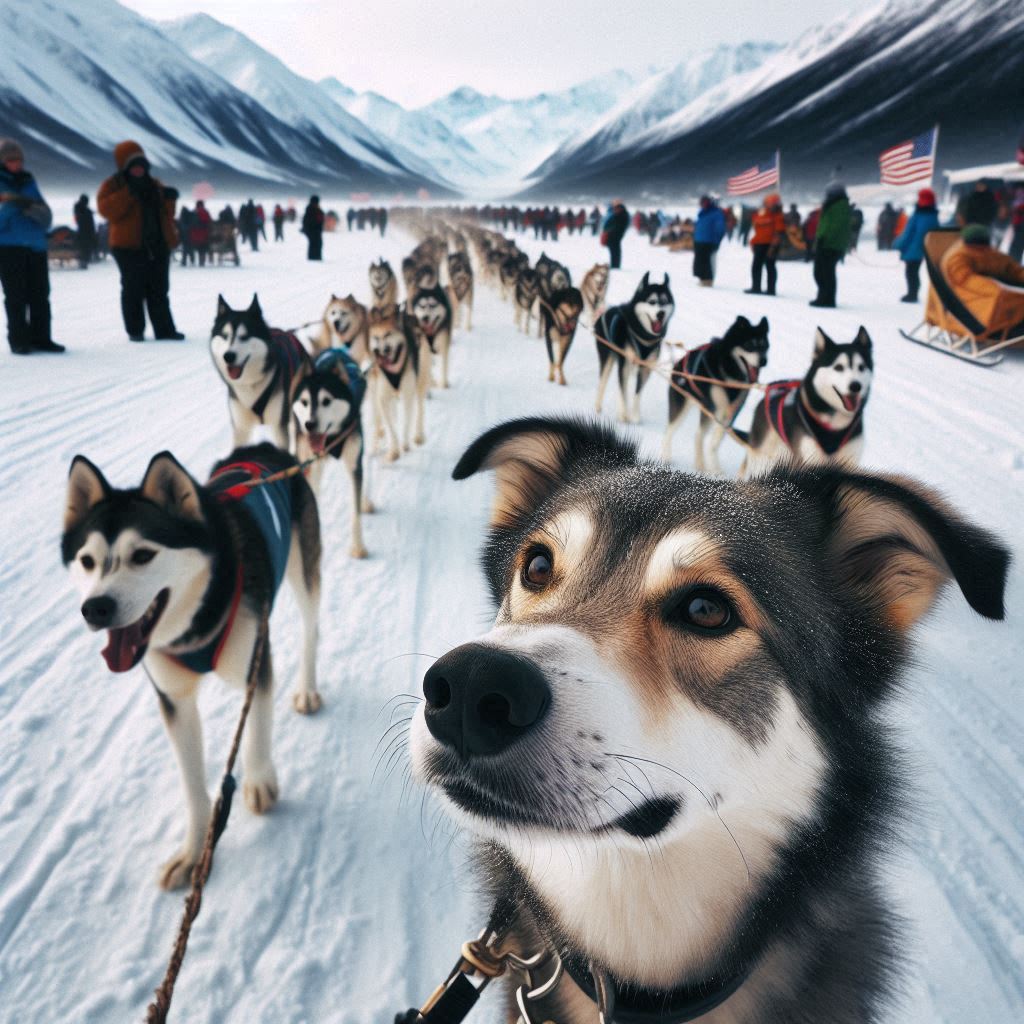
The World’s Most Famous Sled Dog Race in Anchorage, Alaska
The Iditarod Trail Sled Dog Race is not merely a competition; it is a legendary test of resilience, determination, and the unyielding bond between mushers and their sled dogs. Set against the breathtaking and often unforgiving Alaskan wilderness, this annual event captures the imagination of spectators across the globe. Dubbed “The Last Great Race on…
Cattle Tympany (Bloat)
Tympany, commonly known as bloat, is a serious digestive disorder in cattle caused by excessive gas accumulation in the stomach (rumen). Normally, cows release gas through burping (eructation). However, when gas becomes trapped, it causes the stomach to swell, putting pressure on other organs. If left untreated, bloat can restrict breathing, reduce blood circulation, and…
Abdominal Contour Of A Cow
The abdominal contour of a cow serves as a crucial diagnostic indicator in veterinary practice. By carefully assessing the shape of a cow’s abdomen, I can determine potential health issues related to digestion, fermentation, and gas accumulation. The three primary abdominal shapes—pear-shaped, apple-shaped, and papple-shaped—each signify different underlying conditions. In this article, I will explore…
Ostrich Egg: Nutrition, Health Benefits, and Cooking
Introduction to Ostrich Eggs Ostrich egg nutrition has gained significant attention among health benefits and looking for cooking protein-rich alternatives to conventional poultry eggs. As the largest eggs laid by any living bird species, ostrich eggs are not just impressive in size, they’re nutritional powerhouses that offer exceptional health benefits. Weighing between 1.4 to 2.3…
Chicken Egg Candling 101: The Ultimate Guide
What is Chicken Egg Candling? Candling chicken eggs is a vital technique that’s widely used by poultry farmers and hatcheries to evaluate egg quality and the development of embryos. This procedure is taken through bright light through the egg to expose its internal structure, assessing fertility by the presence of blood veins, embryonic development, and…