Latest posts
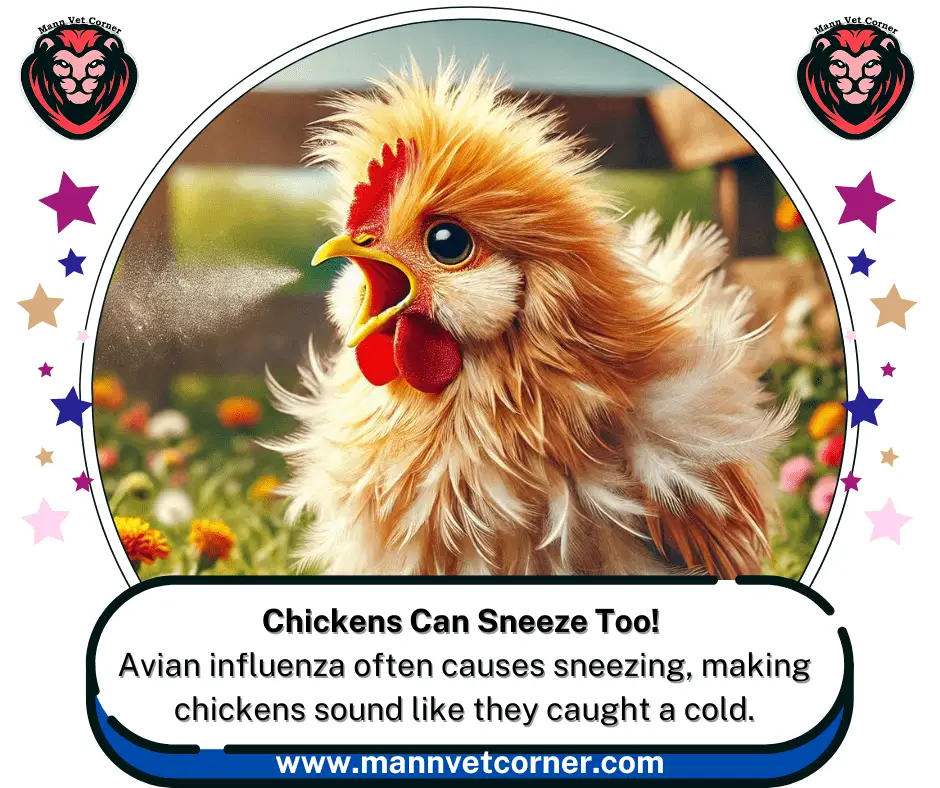
Chickens can sneeze too!

Chickens can sneeze too! When infected with avian influenza (bird flu), chickens may sneeze to expel irritants from their respiratory systems. A chicken’s sneeze can propel tiny droplets containing the virus at speeds of up to 16–20 km/h. Each sneeze can release thousands of virus particles into the surrounding air, which can potentially infect other…
Poisonous Foods and Substances for Pets

Introduction As pet owners, our top priority is the health and safety of our furry companions. Unfortunately, many common household items, including certain human foods, contain poisonous foods and substances pets should never consume. Understanding these risks is crucial for preventing accidental poisonings and ensuring that our pets lead long, healthy lives. By being aware…
How to Overcome Dog Allergies: 7 Proven Strategies
Dog allergies can significantly impact your life, making it challenging to enjoy time with your beloved pet. These allergies arise when your immune system reacts to proteins found in dander (shedding skin cells), saliva, or urine from your dog. While some individuals may experience mild reactions, others may suffer from itchy eyes, constant sneezing, or…
Small Ruminant Infectious Diseases
Sheep and goats are susceptible to several infectious diseases that can significantly impact their health and productivity. Small ruminant infectious diseases pose significant health risks to sheep and goats, impacting productivity and survival. Common diseases include foot-and-mouth disease (FMD), which causes fever, mouth and hoof blisters, lameness, and reduced feed intake. Contagious caprine pleuropneumonia (CCPP) primarily affects…