

Latest posts
White Blood Cells in Different Animals
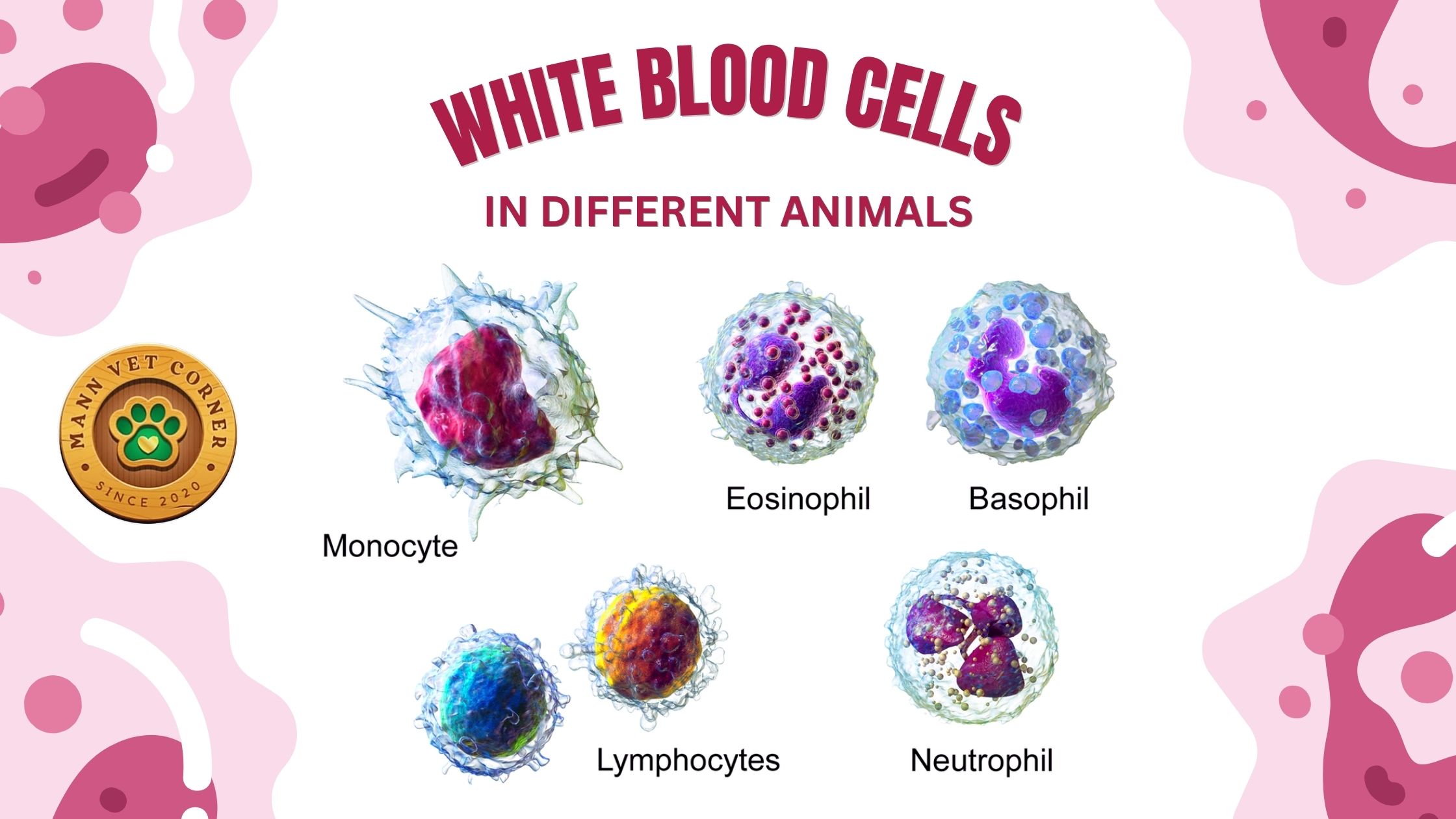
White blood cells (WBCs), or leukocytes, are critical components of the immune system in animals, playing essential roles in combating infections, mediating inflammation, and orchestrating adaptive immune responses. In veterinary medicine, the evaluation of WBCs through clinical pathology provides invaluable insights into an animal’s health status, aiding in the diagnosis and management of diseases. This…
Probiotics Use in Pets: How and Why It’s Needed
As a vet, I often chat with pet owners about keeping their furry friends healthy—digestion is a key part of discussion. One topic that pops up more and more is probiotics. You know, those beneficial bacteria that seem to be all the rage in human health? Well, they’re making waves in the pet world too.…
Calf Diarrhea: From Signs to Deadly Scours

Calf scours, commonly known as neonatal calf diarrhea, is a widespread disease that affects young calves across the globe. This condition is marked by sudden diarrhea, which can lead to dehydration, electrolyte imbalances, and even death if not addressed promptly. For livestock producers, calf scours is a major concern because it impacts calf health, slows…
Colibacillosis (E. Coli) in Poultry
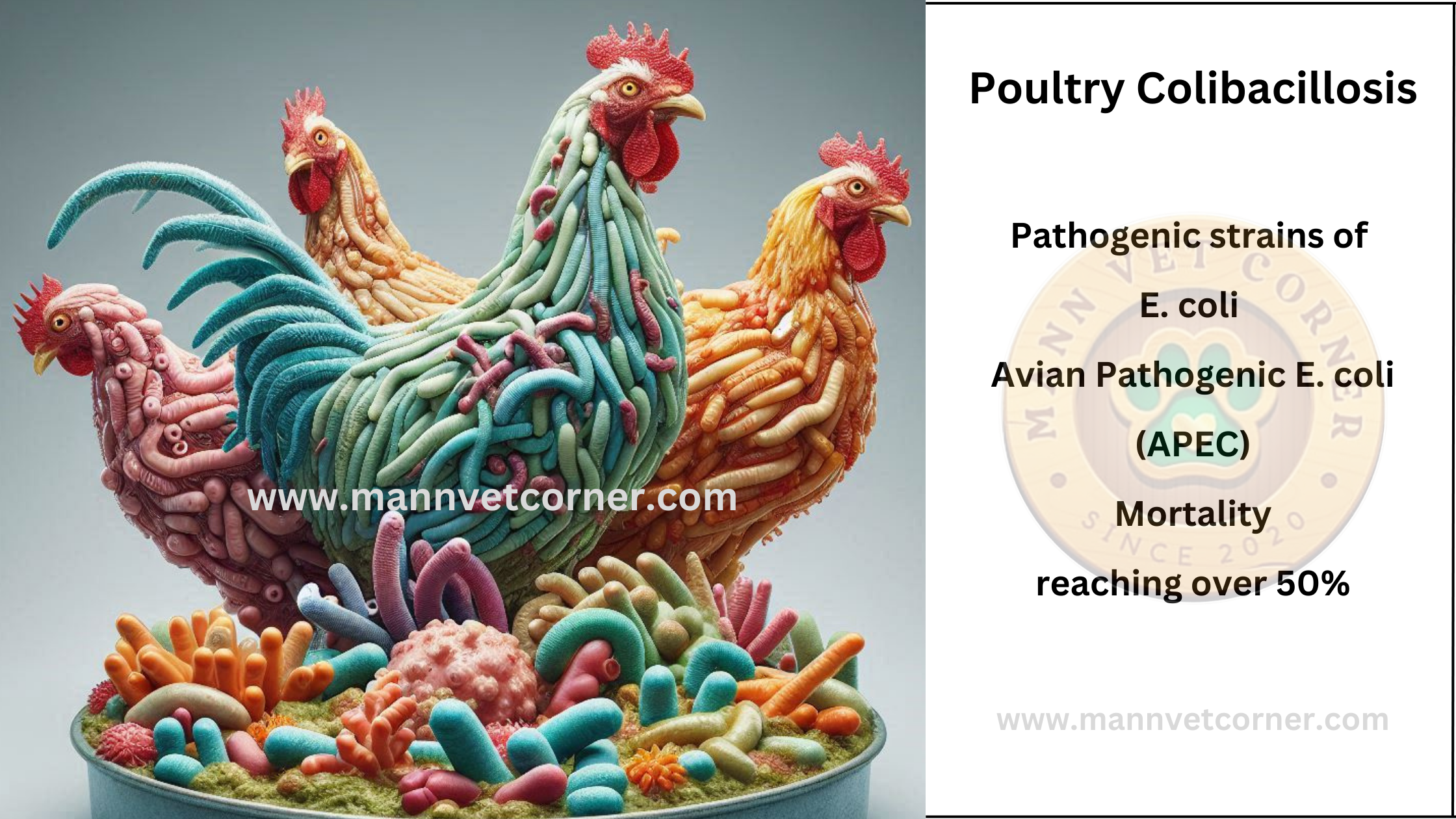
Colibacillosis is a prevalent and potentially dangerous condition in chickens due to the bacterium Escherichia coli (E.coli), which can turn nasty under some circumstances. Although E.coli typically exists harmlessly within a chicken’s digestive system, certain strains of bacteria can lead to infection within the respiratory tract, the gut, or the entire body. This article explains…
From Symptoms to Solutions: Tackling Infectious Coryza

Key Points Introduction Infectious Coryza is a prevalent and contagious bacterial infection in chickens that leads to respiratory complications and financial losses in poultry production. This blog entry includes etiology, host susceptibility, incubation period, clinical signs and symptoms, morbidity and mortality, pathogenesis, postmortem findings, and treatment, which will assist and inform poultry farmers, veterinarians, and…
Cow Udder: Healthy vs Mastitis Udder

Introduction A healthy cow udder is solid, uniformly shaped, and is a sophisticated organ vital for milk production, divided into four separate quarters, each containing its own teat and milk-generating system. In comparison, an udder affected by mastitis looks enlarged, warm, and sore, frequently producing clotted or off-colored milk. Bacteria enter the teat canal, causing…
