Latest posts
Cow Udder: Healthy vs Mastitis Udder

Introduction A healthy cow udder is solid, uniformly shaped, and is a sophisticated organ vital for milk production, divided into four separate quarters, each containing its own teat and milk-generating system. In comparison, an udder affected by mastitis looks enlarged, warm, and sore, frequently producing clotted or off-colored milk. Bacteria enter the teat canal, causing…
Difference Between Hay and Straw

In agriculture, farming, and animal husbandry, understanding the difference between hay and straw is essential. These two (hay and straw) materials are often confused due to their similar appearance, but they serve entirely different purposes. While hay is a primary source of nutrition for livestock, straw is a byproduct of grain production used mainly for…
Cattle Tympany (Bloat)
Tympany, commonly known as bloat, is a serious digestive disorder in cattle caused by excessive gas accumulation in the stomach (rumen). Normally, cows release gas through burping (eructation). However, when gas becomes trapped, it causes the stomach to swell, putting pressure on other organs. If left untreated, bloat can restrict breathing, reduce blood circulation, and…
Abdominal Contour Of A Cow
The abdominal contour of a cow serves as a crucial diagnostic indicator in veterinary practice. By carefully assessing the shape of a cow’s abdomen, I can determine potential health issues related to digestion, fermentation, and gas accumulation. The three primary abdominal shapes—pear-shaped, apple-shaped, and papple-shaped—each signify different underlying conditions. In this article, I will explore…
Best Sheep Breeds for Wool and Milk Production

Sheep farming offers a versatile and profitable opportunity, supplying farmers with sheep wool milk production, milk, and meat. However, not all breeds excel in both sheep wool and milk production. If you seek a breed that delivers high-quality sheep wool milk production and a good milk yield, it’s important to weigh your options carefully. Top…
Baby Goat Feeding Chart: Ultimate Guide

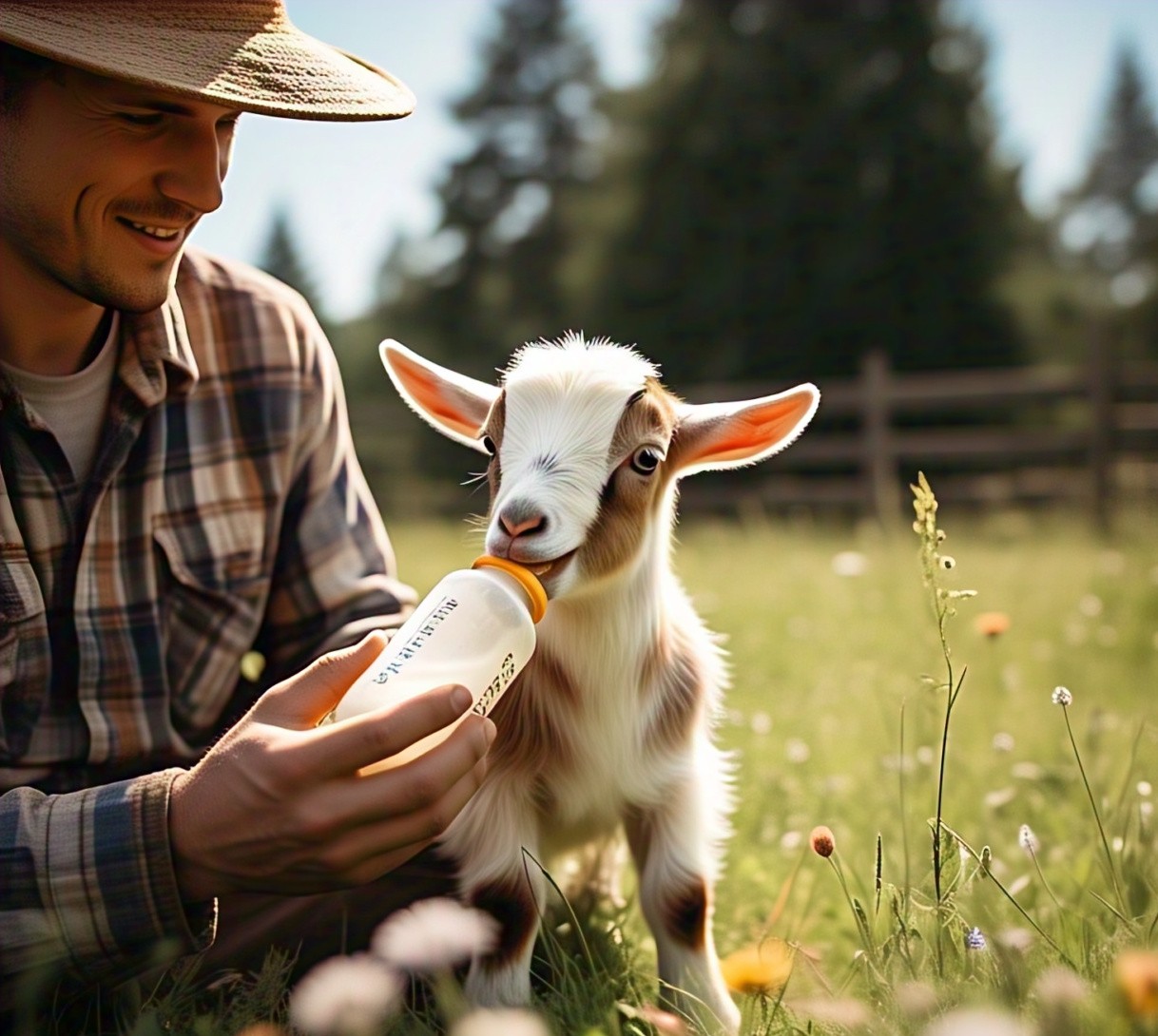
Raising baby goats (kids) requires careful attention to their feeding schedule and nutritional needs. Proper nutrition is essential for their growth and development, ensuring they remain healthy and thrive. To help goat owners provide the best care, this blog post presents a baby goat feeding chart with detailed guidelines on milk replacers, solid food introduction,…
Trypanosomiasis: A Whole Story

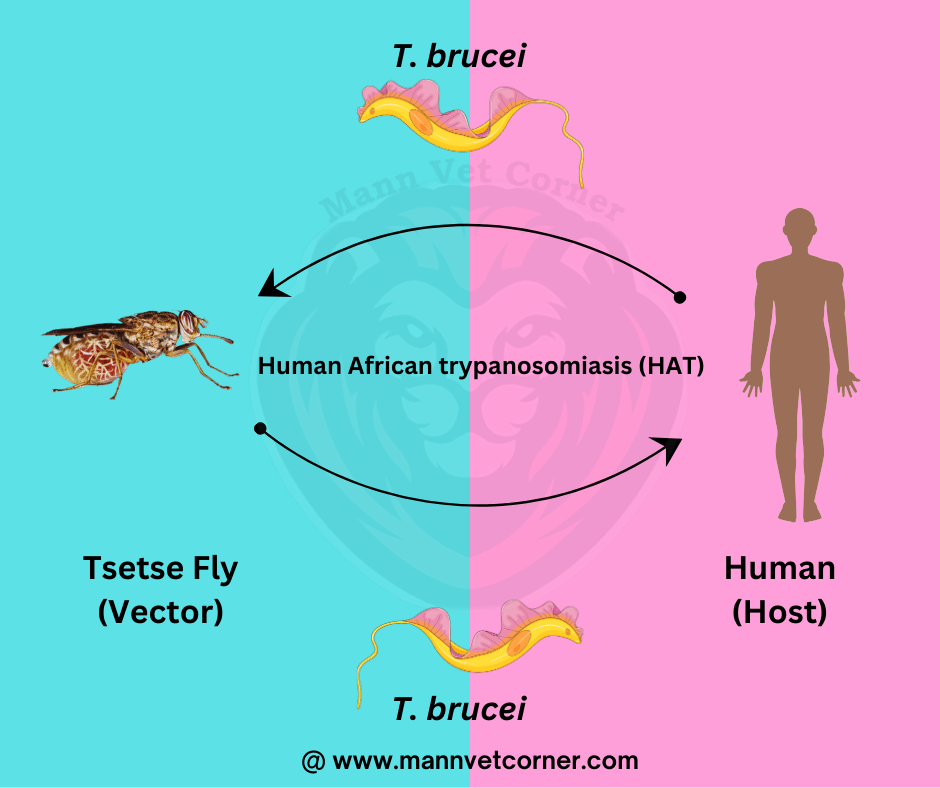
The genus Trypanosoma comprises protozoan parasites responsible for significant diseases in humans and animals. These diseases, collectively known as trypanosomiasis, are transmitted through specific vectors and involve complex life cycles. This blog explores the detailed life cycle of Trypanosoma species, their clinical manifestations, pathogenesis, and strategies for prevention and control. Life Cycle of Trypanosoma Species…
Eyeworm infection (Thelazia Spp)
Eyeworm infection commonly caused by Thelazia spp, is a parasitic condition affecting the eyes of various animals, including cattle, goats, horses, dogs, and cats. This condition, known as eyeworm infection, can occasionally affect humans, who serve as aberrant hosts for Thelazia spp. These parasitic nematodes belong to the genus Thelazia, with several species known to…
Small Ruminant Infectious Diseases
Sheep and goats are susceptible to several infectious diseases that can significantly impact their health and productivity. Small ruminant infectious diseases pose significant health risks to sheep and goats, impacting productivity and survival. Common diseases include foot-and-mouth disease (FMD), which causes fever, mouth and hoof blisters, lameness, and reduced feed intake. Contagious caprine pleuropneumonia (CCPP) primarily affects…
Methane Emissions From Livestock
Methane emissions from livestock play a significant role in climate change. Here are some key points: Globally, approximately 32% of human-induced methane emissions come from livestock. These emissions primarily result from two sources: Enteric Fermentation: This is a digestive process in ruminant animals (like cows and sheep) where microbes in the stomach break down food, producing…