Latest posts
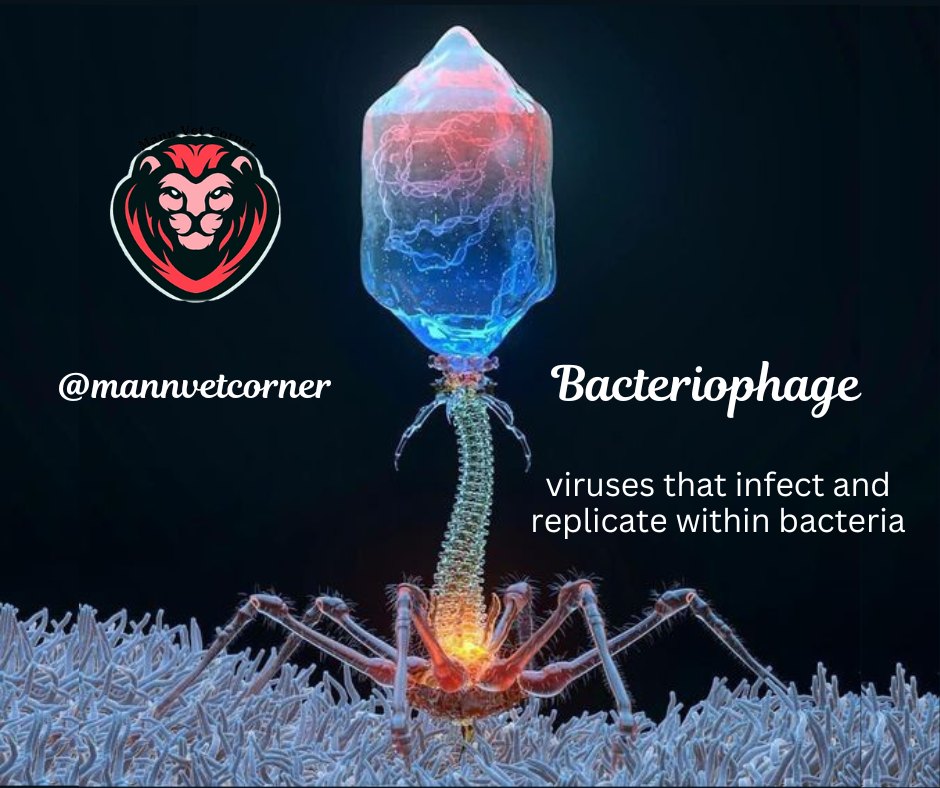
Bacteriophages in Veterinary Medicine

What Are Bacteriophages? Bacteriophages are viruses that infect bacteria, destroying them without harming animals or humans. They’ve been studied for over 100 years and are found naturally in soil, water, and animal bodies. In veterinary medicine, they’re being explored as a way to fight bacterial infections, especially those resistant to antibiotics. How Are They Used…
CCPP in Small Ruminants: A Vet’s Guide

CCPP small ruminants mycoplamsa
Canine Distemper: A Comprehensive Guide
Canine Distemper is a highly contagious and often fatal viral disease that affects dogs and other animals. It’s caused by the Canine Distemper Virus (CDV), a member of the paramyxovirus family. This disease can strike fear into the hearts of dog owners due to its severe symptoms and high mortality rate. In this blog, we’ll…
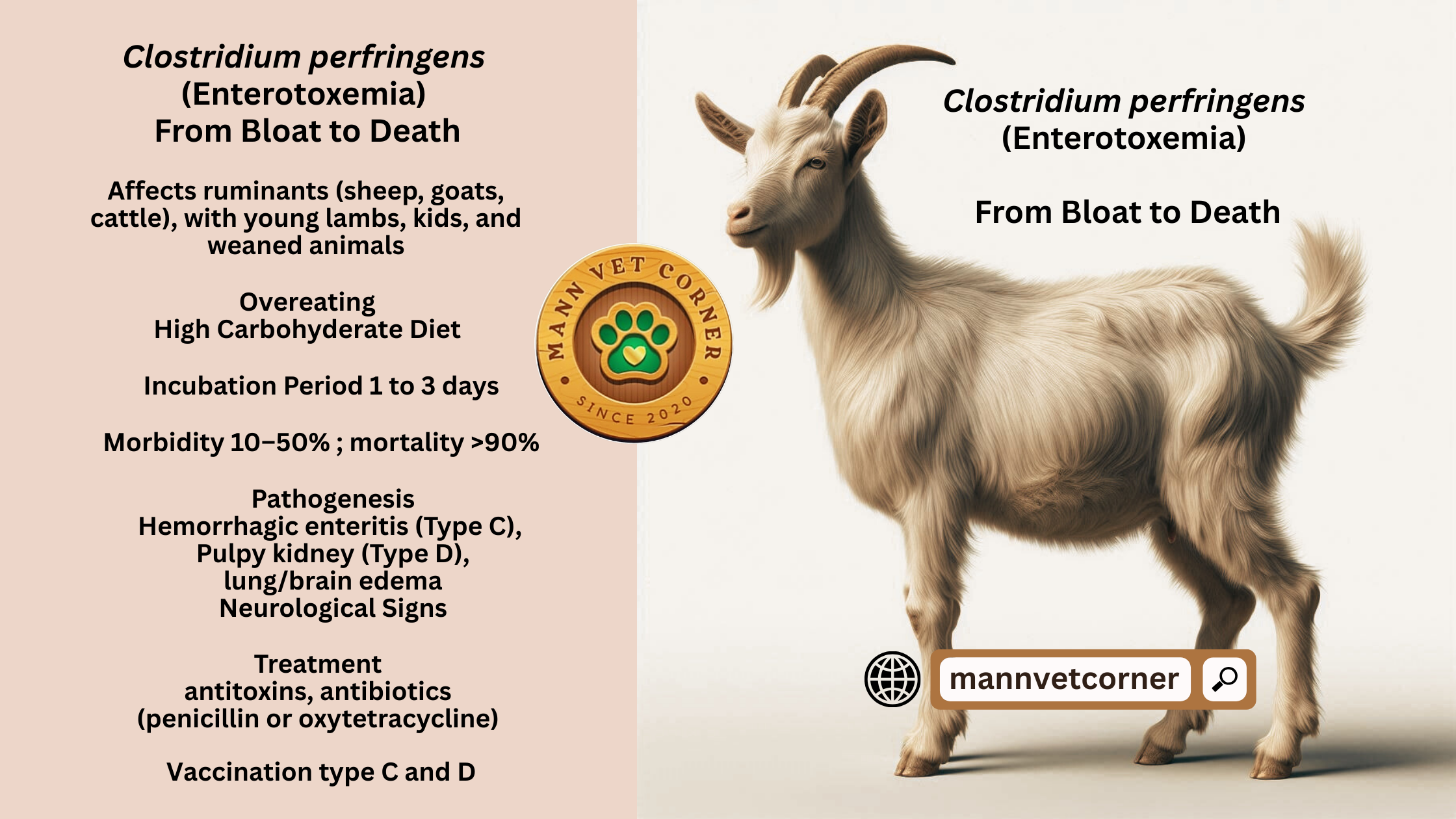
Clostridium perfringens (Enterotoxemia): From Bloat to Death
Enterotoxemia, often called “overeating disease,” is a serious bacterial condition that primarily affects ruminants like sheep, goats, and cattle. It’s caused by toxins produced by Clostridium perfringens, a bacterium found in the environment and the gut of many animals. This blog dives nto the etiology, host susceptibility, incubation period, clinical signs, morbidity and mortality, pathogenesis,…
FMD: A Viral Disease of Cloven Hoofed Animals
Foot-and-Mouth Disease (FMD) is one of the most contagious viral diseases affecting cattle and other cloven-hoofed animals. Its rapid spread and economic impact make it a significant concern for farmers, veterinarians, and policymakers worldwide. This blog provides a detailed exploration of FMD in cattle, covering its etiology, host susceptibility, incubation period, clinical signs and symptoms,…
Antimicrobial Resistance (AMR) in Animals

Antimicrobial resistance (AMR) is an increasing worldwide issue that impacts the health of both humans and animals. In animal populations, AMR creates a considerable obstacle in managing and treating diseases, endangering public health due to potential zoonotic transmission and environmental pollution. This blog delves into the nature of AMR, its development process, contributing factors, negative…