Latest posts
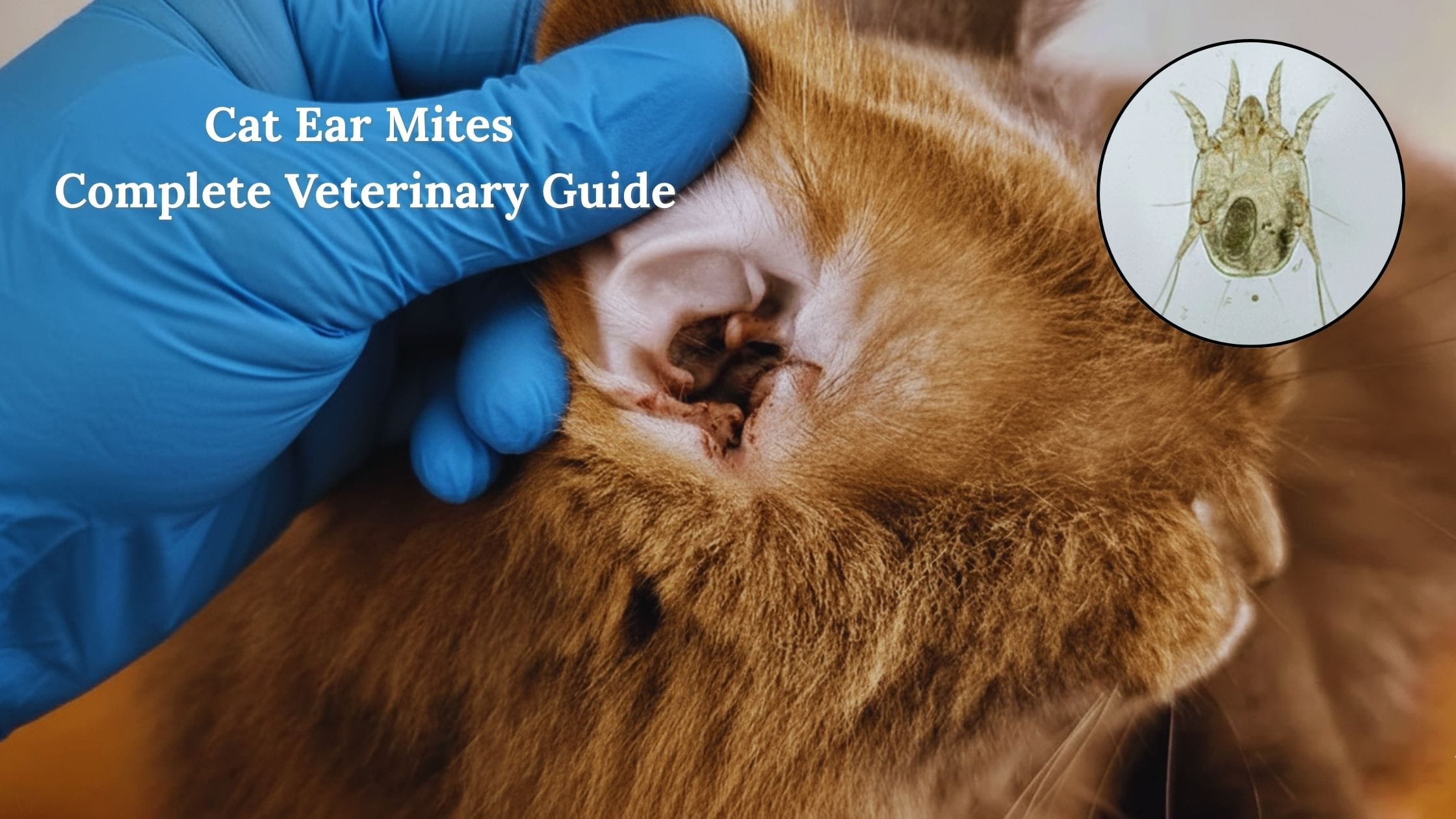
Cat Ear Mites: Complete Veterinary Guide

Quick Answer Ear mites (Otodectes cynotis) are microscopic parasites that infest cats’ ear canals, triggering intense itching, persistent head shaking, and dark brown discharge that resembles coffee grounds. Although highly contagious among pets, these parasites respond well to veterinary-prescribed medications like selamectin or moxidectin, with most cats recovering within 3-4 weeks of treatment. What Are…
Dog Nail Anatomy, Infection, Causes, and Treatment: Complete Veterinary Guide
Expert Summary: Dog nail infections (paronychia) are painful conditions affecting the tissue surrounding your dog’s claws. This comprehensive guide covers everything from canine nail anatomy, infection, causes, diagnosis, treatment options, and prevention strategies backed by veterinary research and clinical experience. Table of Contents Understanding Dog Nail Anatomy What Are Dog Nail Infections? Types of Nail…
10 Reasons Why Dogs Lick Their Paws: Veterinary Expert Insights
Have you noticed your furry companion constantly licking their paws? While occasional paw licking is completely normal canine behavior, excessive or persistent licking can signal underlying health issues that require attention. In this comprehensive guide, we’ll explore the top 10 reasons why dogs lick their paws, backed by veterinary science and expert opinions. Understanding Normal…
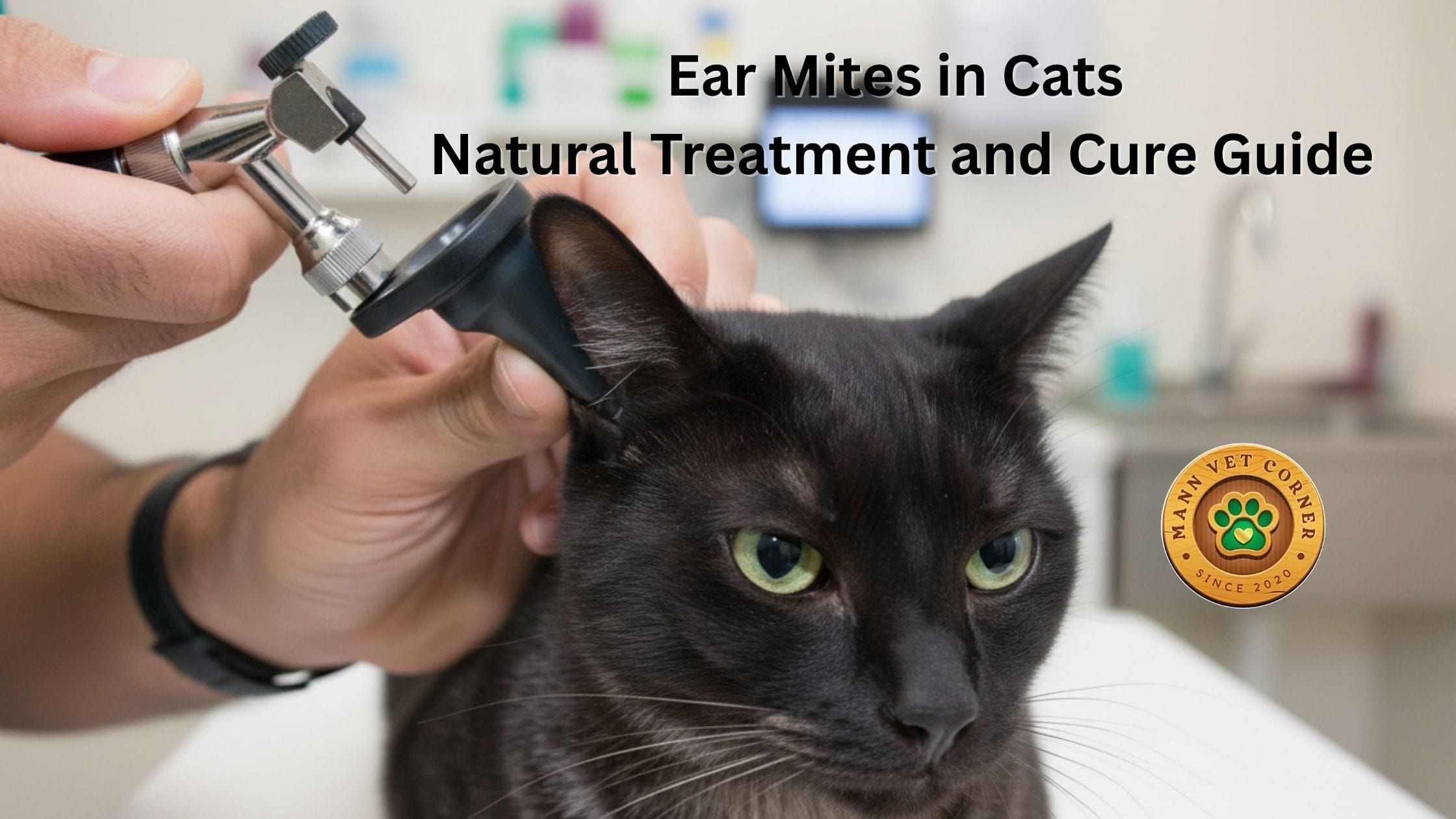
Ear Mites in Cats: Natural Treatment and Cure Guide
If you’ve noticed your cat constantly scratching at their ears, shaking their head frantically, or producing a strange dark discharge, you’re likely dealing with ear mites. These microscopic parasites, scientifically known as Otodectes cynotis, are one of the most common ear problems in cats, particularly affecting kittens and cats who spend time outdoors. While veterinary…
Stunning Truth About Animal Population
The Stunning Truth About Animal Populations on Earth: 99.99% You’ve Never Seen 📊 A Deep Dive Into Wildlife Statistics | 🌍 Understanding Our Planet’s Biodiversity We share this planet with trillions upon trillions of animals. But here’s something that will blow your mind: nearly every single animal on Earth belongs to a group you rarely…
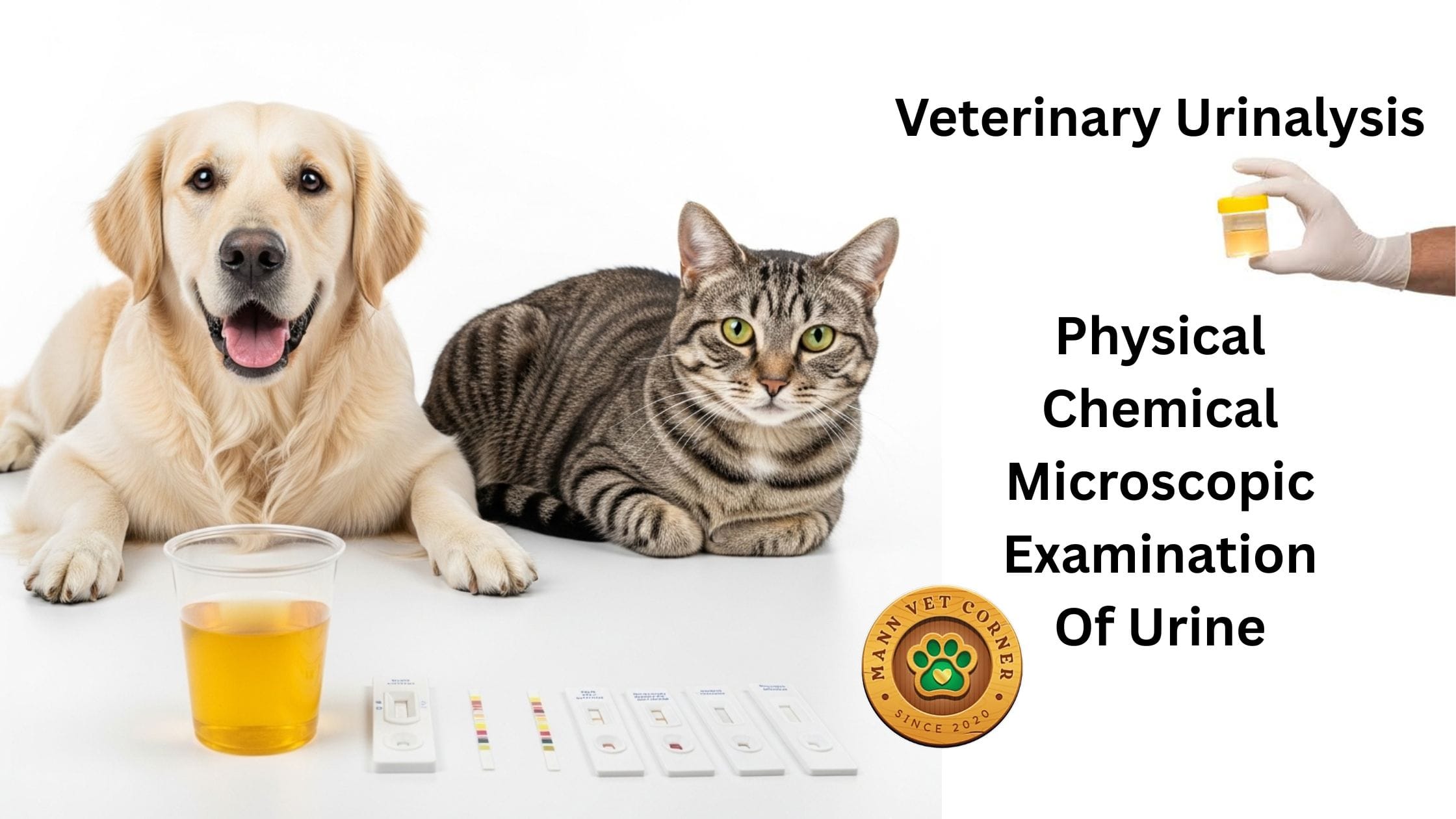
Veterinary Urinalysis: Physical, Chemical, & Microscopic Examination
Introduction Urinalysis is the cornerstone of veterinary diagnostics. This simple, non-invasive test provides a wealth of information about kidney function, metabolic disorders, infections, and systemic diseases. Complete urinalysis consists of three integrated (physical, chemical & microscopic examination) components that work together to provide a comprehensive picture of your animal’s health. When performed carefully, urinalysis can…
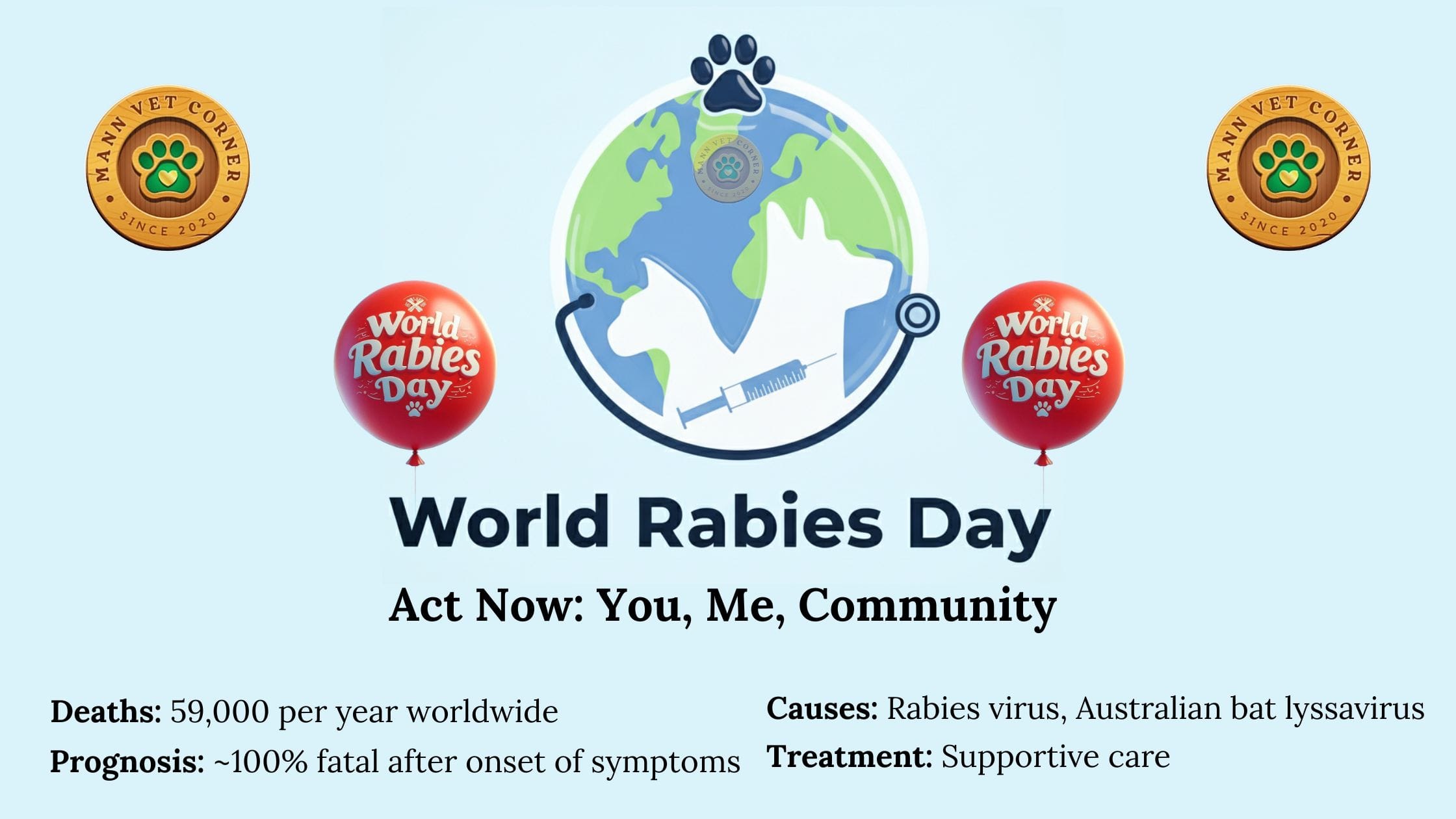
World Rabies Day: Understanding the Rabies
What is Rabies? Rabies is a serious viral infection caused by the RABV virus (Rabies Virus). It’s a deadly disease that affects the nervous system of humans and other warm-blooded animals. While rabies is nearly always fatal once symptoms appear, it is completely preventable with proper treatment after exposure. Key Facts: World Rabies Day is…
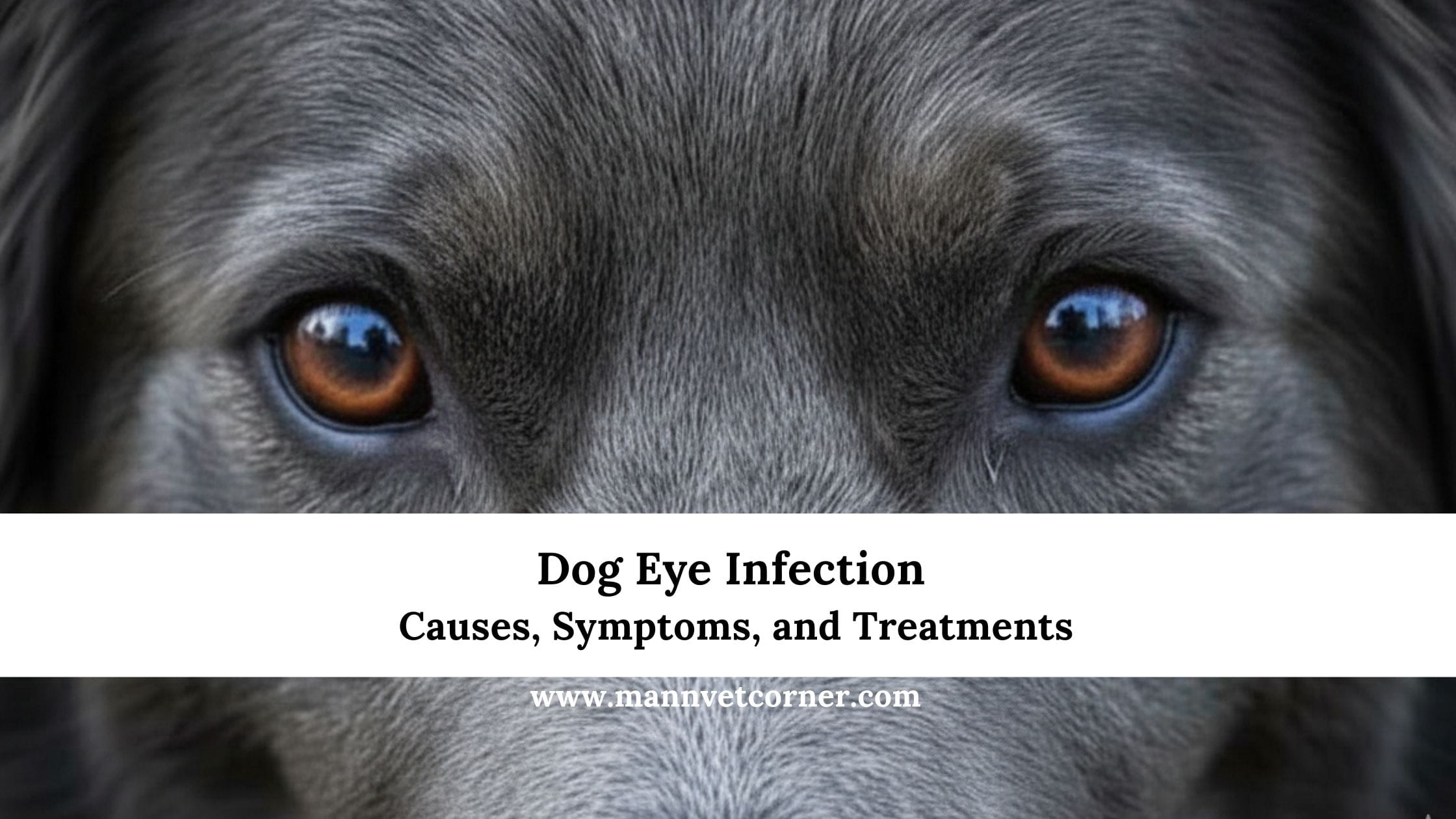
Dog Eye Infection: Causes, Symptoms, and Treatments
Have you ever noticed crusty “boogers” building up in your dog’s eyes and wondered if you should be concerned? You’re not alone. Dog eye discharge is one of the most common concerns pet owners face, affecting nearly 20% of dogs annually according to the American Kennel Club. From harmless crusty buildup to serious infections requiring…
Milk Adulteration: Detection Methods, Tests, and Kits for Pure Milk
Did you know that nearly 70% of milk samples tested globally contain some form of adulteration? This alarming statistic from recent food safety studies highlights a critical issue affecting millions of consumers worldwide in recent research paper. Milk adulteration – the practice of adding foreign substances to milk to increase quantity or extend shelf life…
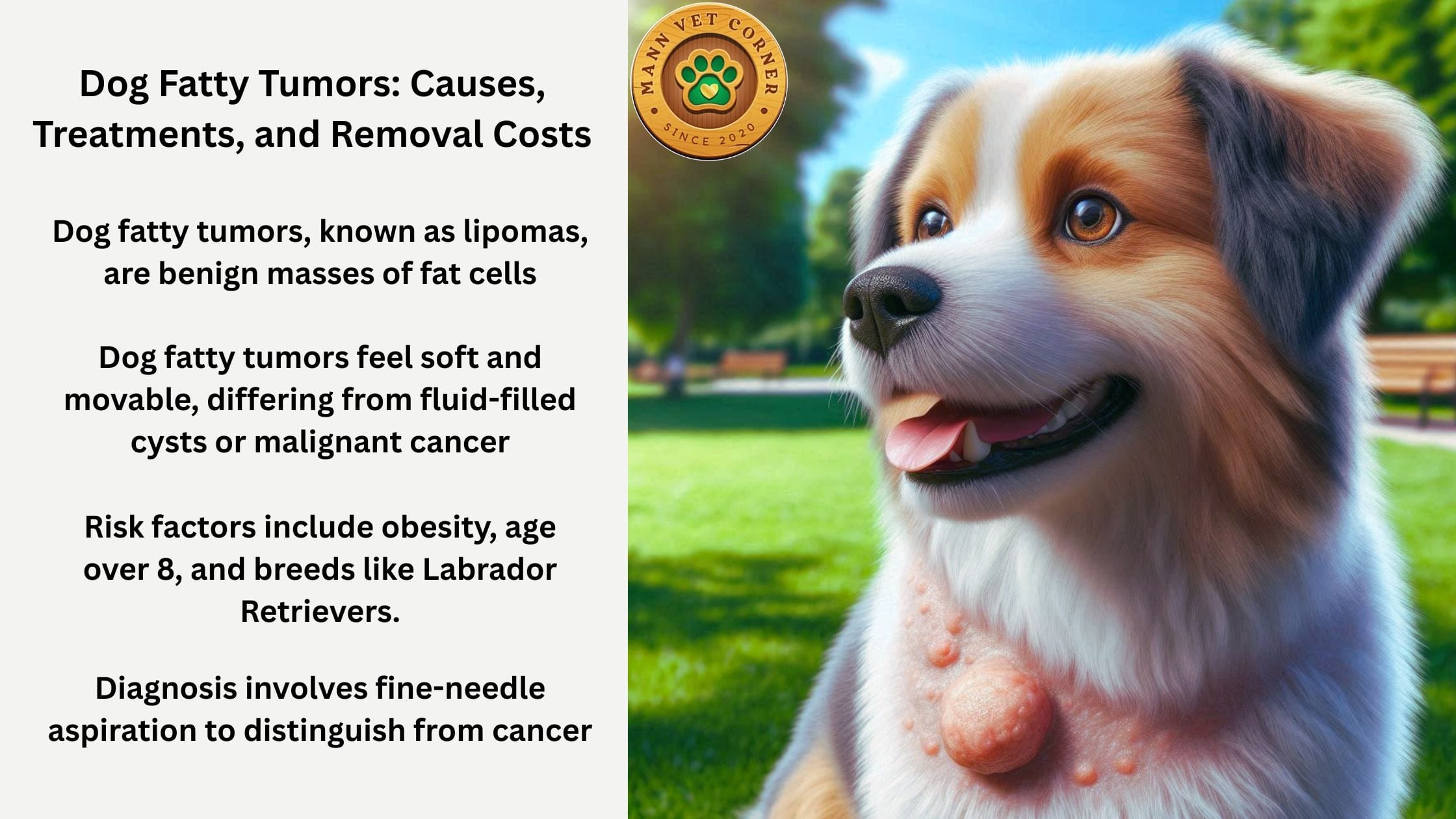
Dog Fatty Tumors: Causes, Treatments, and Removal Costs
Finding an unexpected lump on your beloved dog can send any pet owner into a panic. Your mind immediately races to worst-case scenarios, but the reality is that many lumps discovered on our furry companions are completely benign. Among the most common of these harmless growths is the dog fatty tumor, medically known as a…