Latest posts
Veterinary Urinalysis: A Complete Guide

Urinalysis in veterinary sciences is a fundamental, in-expensive, and non-invasive diagnostic test that provides a wealth of information about a patient’s health, particularly regarding the urinary system and overall metabolic status. At its core, a veterinary urinalysis is the physical, chemical, and microscopic examination of a urine sample. This comprehensive assessment serves as a crucial…
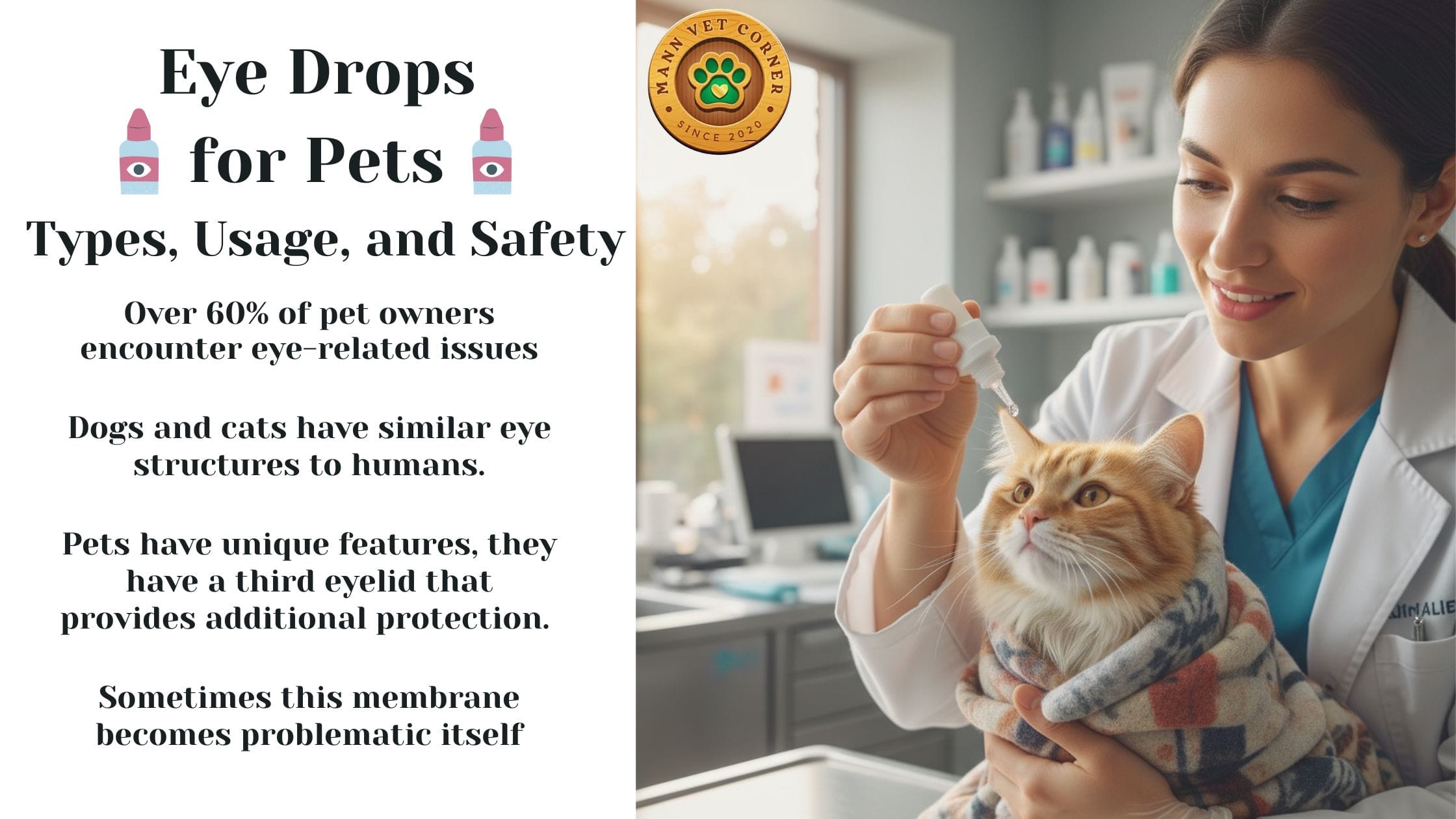
Eye Drops for Pets: Types, Usage, and Safety
Introduction Over 60% of pet owners encounter eye-related issues with their dogs or cats. Eye problems rank among the most common health concerns veterinarians see in clinical practice. Understanding when, how, and which eye drops to use makes the difference between successful treatment and potential complications. Why Pet Eye Health Matters Eye health plays a…
Dog Eye Infection: Causes, Symptoms, and Treatments
Have you ever noticed crusty “boogers” building up in your dog’s eyes and wondered if you should be concerned? You’re not alone. Dog eye discharge is one of the most common concerns pet owners face, affecting nearly 20% of dogs annually according to the American Kennel Club. From harmless crusty buildup to serious infections requiring…
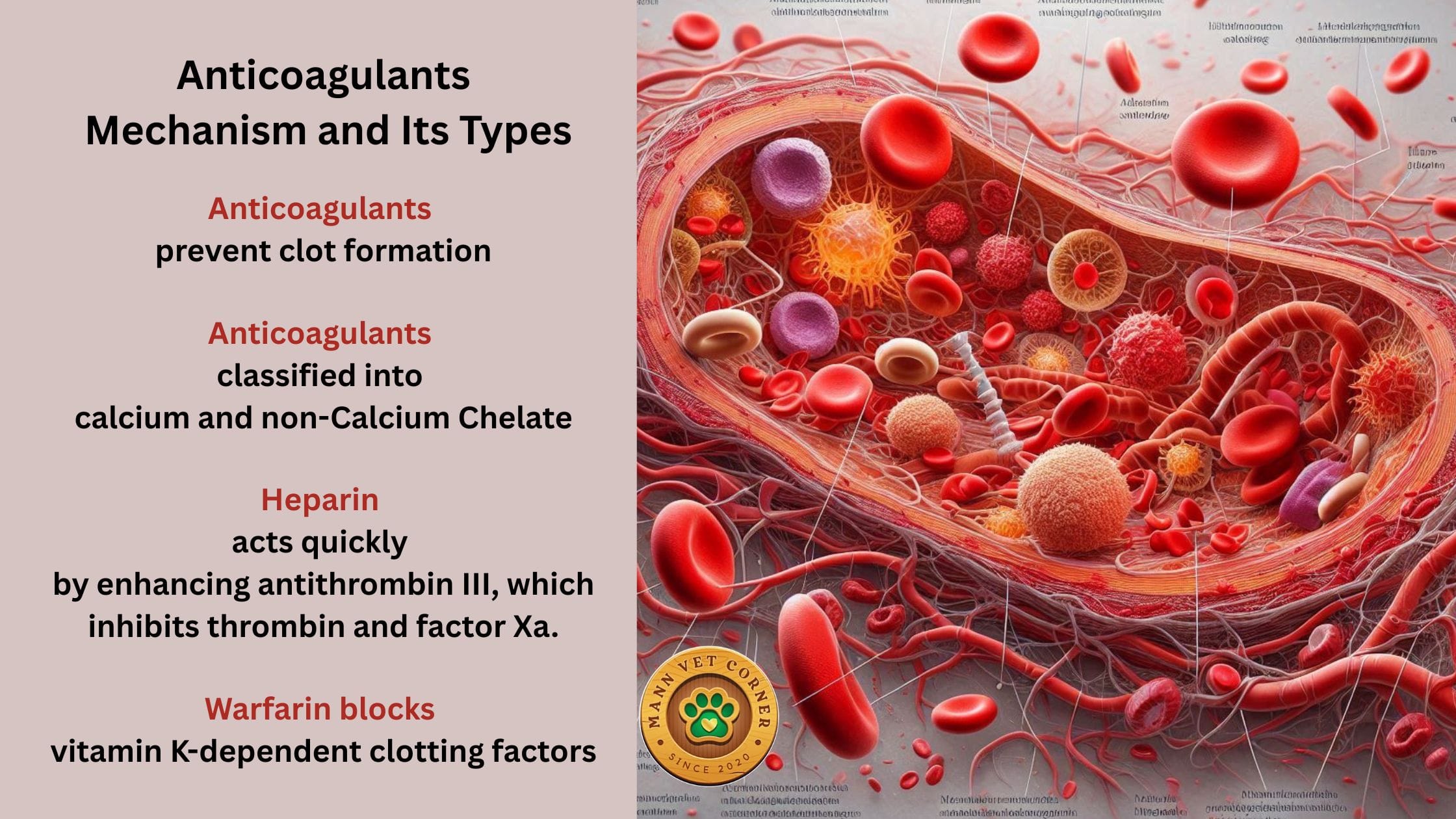
Anticoagulants: Mechanism and Its Types
Blood collection and preservation are critical processes in medical and veterinary diagnostics, research, and treatment. Whether for routine blood tests, emergency diagnostics, transfusions, or specialized laboratory analysis, preventing blood from clotting is essential to maintain sample integrity and usability. Anticoagulants, often referred to as ”blood thinners” in clinical settings, play a vital role in this…
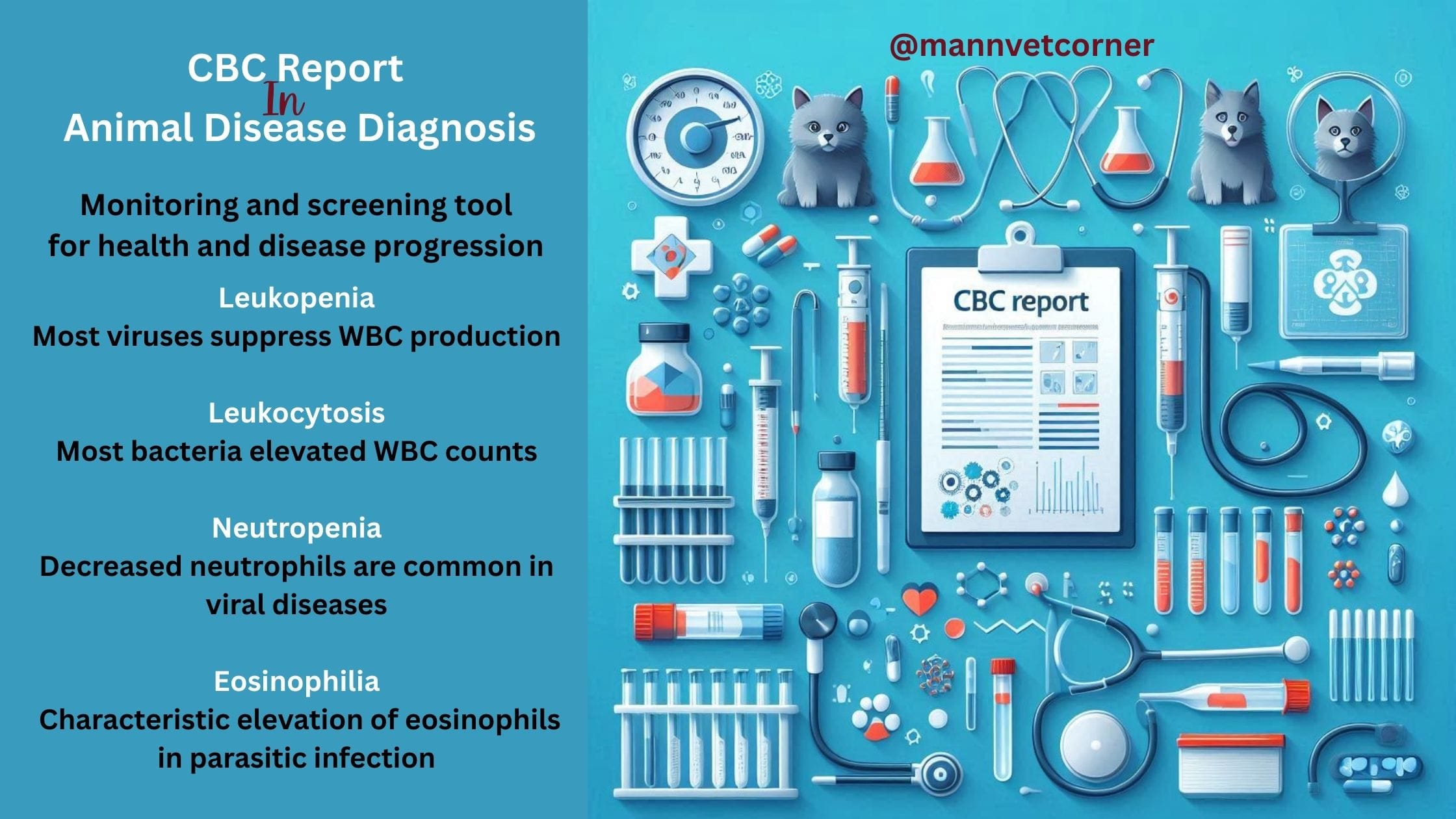
CBC Report in Animal Disease Diagnosis: A Clinical Guide
Introduction The Complete Blood Count (CBC) is one of the most fundamental diagnosis tools in animal disease, providing critical insights into an animal’s health status through analysis of blood cellular components. This comprehensive blood test evaluates red blood cells (RBCs), white blood cells (WBCs), and platelets, offering rapid, cost-effective screening for a wide range of…
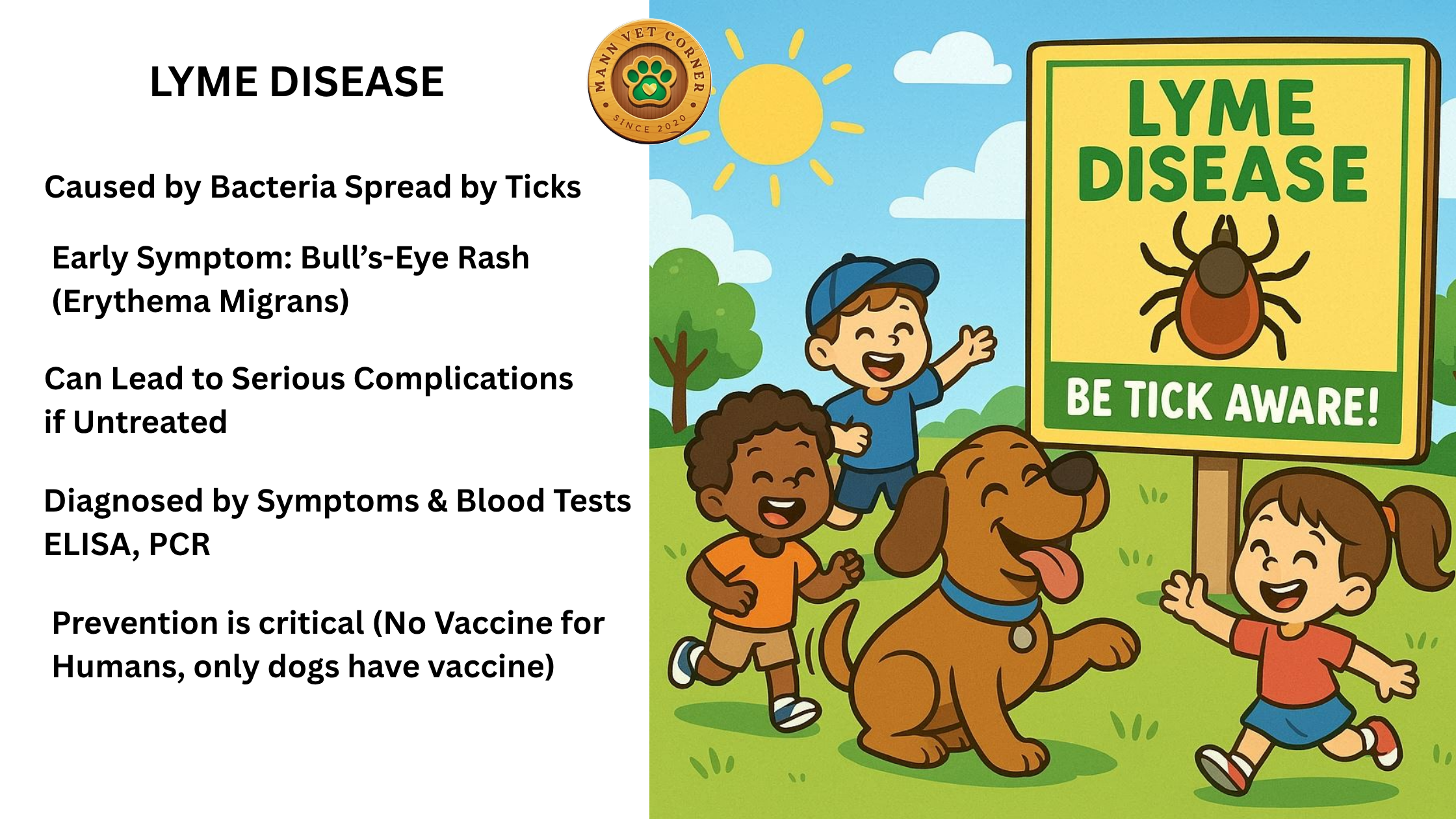
Lyme Disease
Lyme disease is a bacterial infection caused by Borrelia burgdorferi (and related species like Borrelia afzelii in Europe), transmitted primarily through bites from infected black-legged ticks (Ixodes scapularis in North America, Ixodes ricinus in Europe). It’s most common in temperate regions of North America, Europe, and Asia, with peak incidence in spring and summer when…
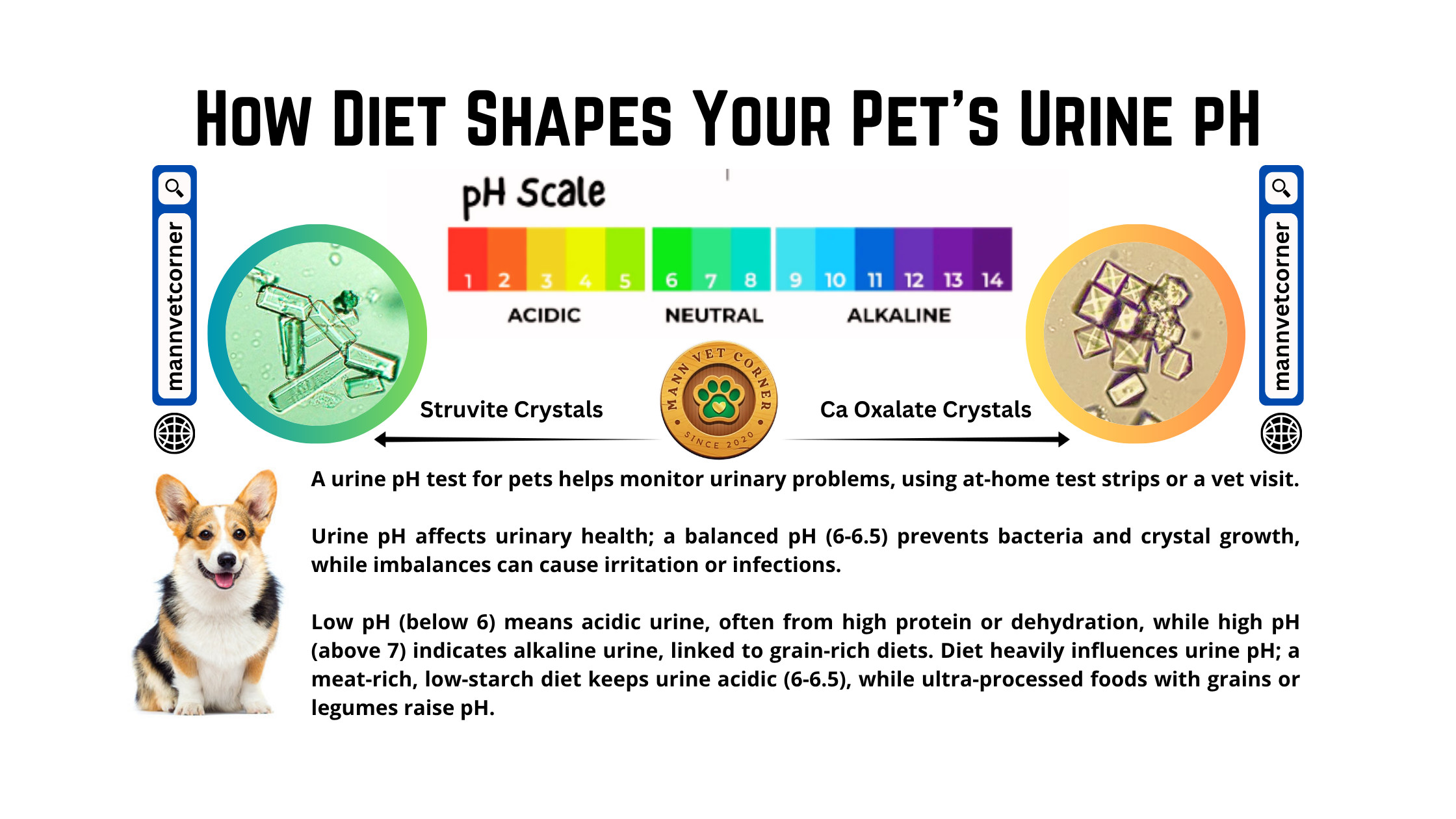
How Diet Shapes Your Pet’s Urine pH
To keep your pets healthy and happy, one key aspect that often flies under the radar is the pH level of your pet’s urine in How Diet Shapes Your Pet’s Urine pH. Yes, it might sound a bit technical, but understanding what is pH in the urine of pets can make a huge difference in their…
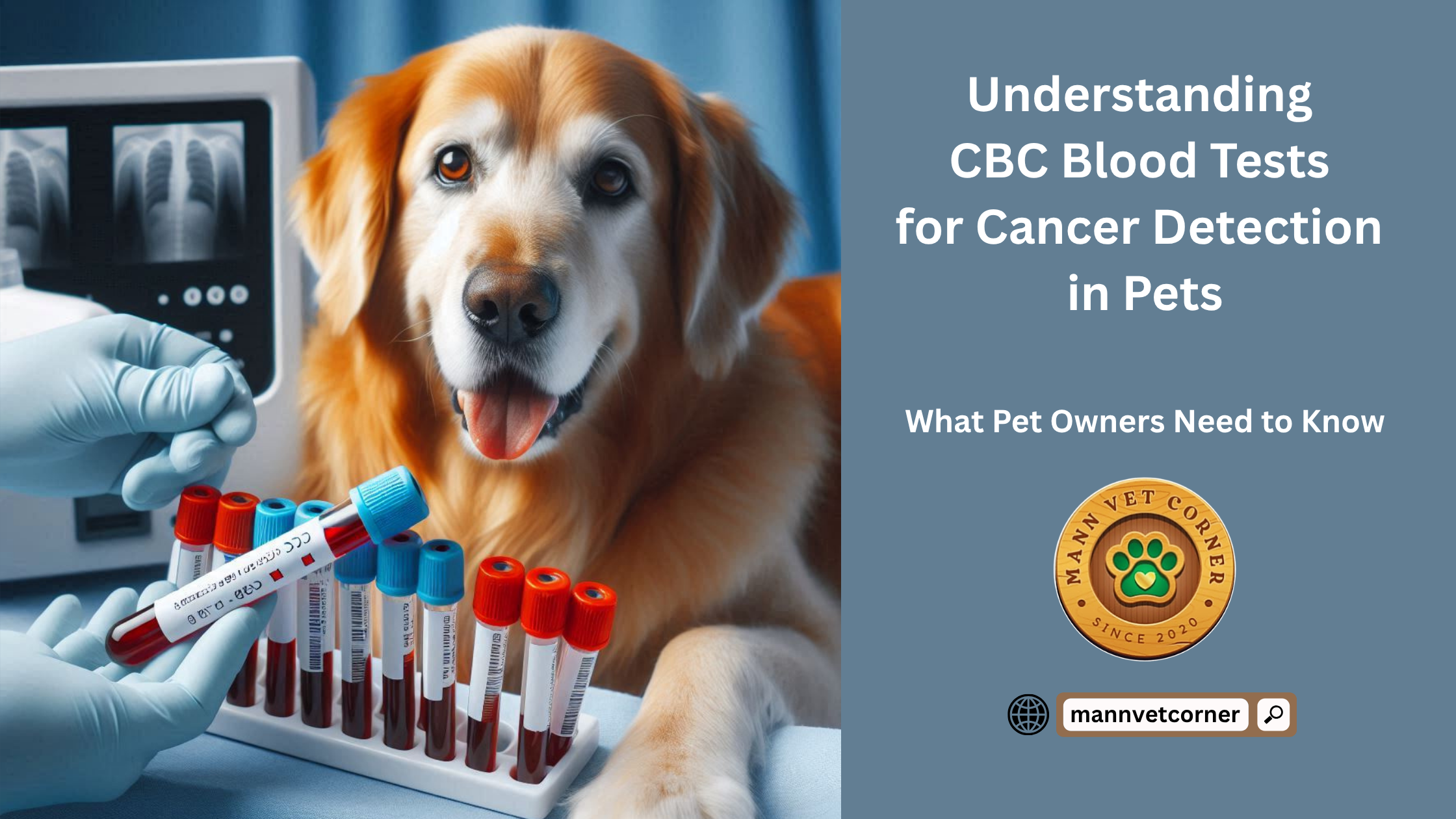
Understanding CBC Blood Tests for Cancer Detection in Pets
if you are vet, scratching your dog’s ears or soothing your cat’s nerves, when the vet mentions a Complete Blood Count (CBC) test. Sounds like just another check-up box to tick, right? But hold on—Understanding CBC Blood Tests for Cancer Detection in Pets reveals that this simple blood draw can be a game-changer in spotting…
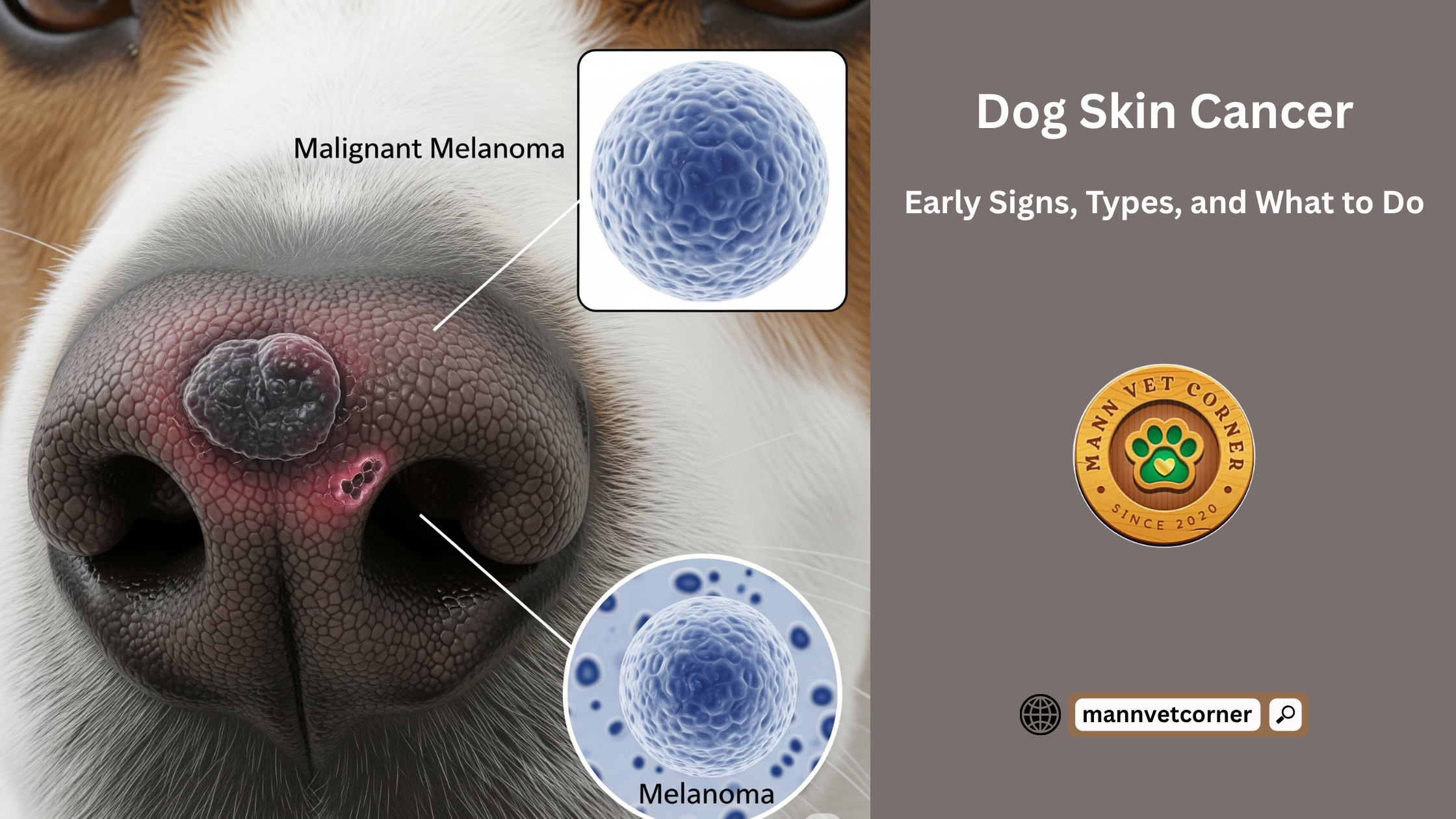
Dog Skin Cancer: Early Signs, Types, and What to Do
As a dog parent, nothing tugs at your heart like noticing something off with your furry friend. A strange lump, a patch of rough skin, or an unusual spot can send your mind racing. Could it be dog skin cancer? The thought is scary, but catching it early can make a world of difference. In…
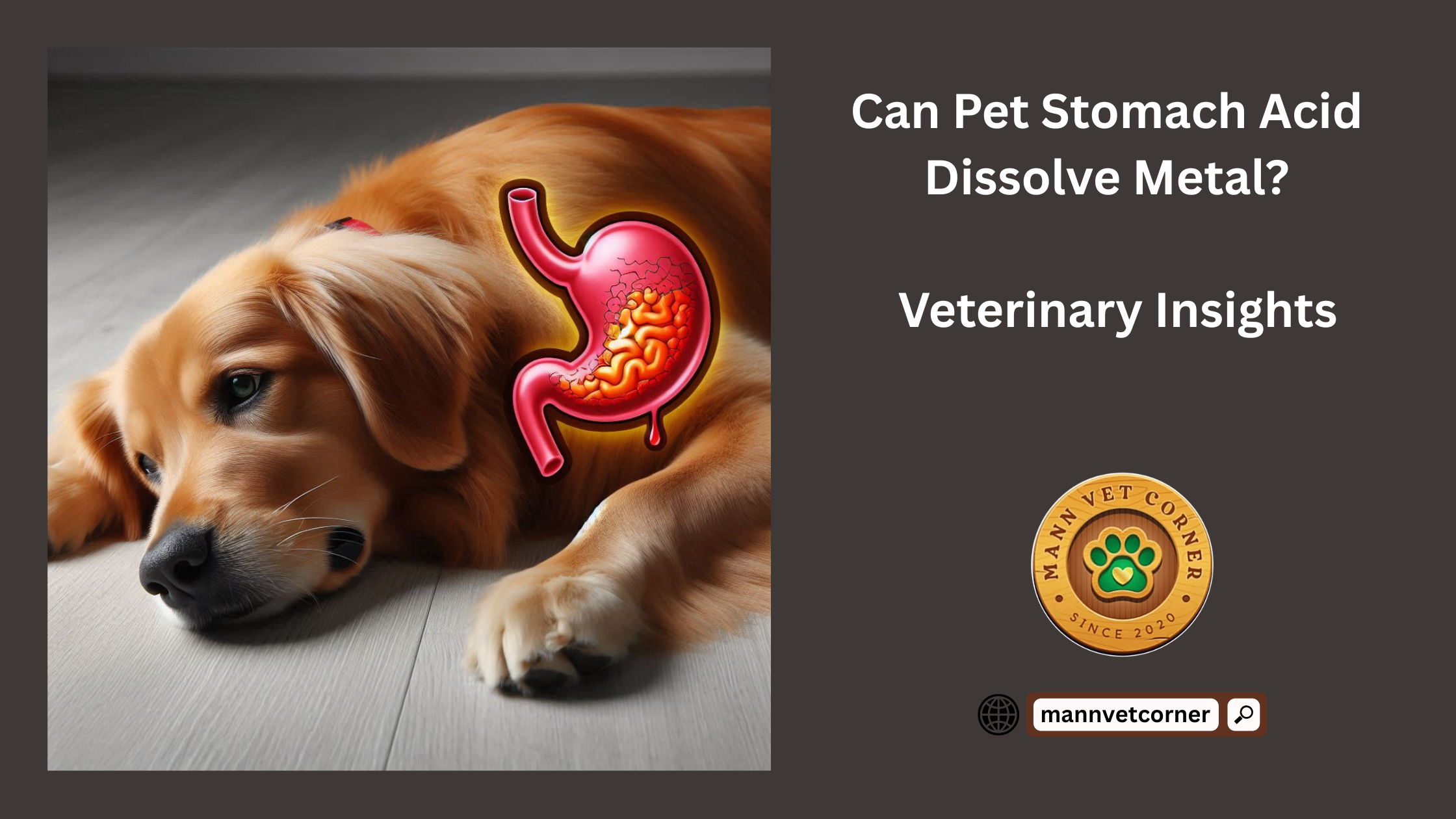
Can Pet Stomach Acid Dissolve Metal? Veterinary Insights
Pets gobble up the strangest things—socks, toys, and sometimes even metal. If your dog or cat swallows a coin or a piece of foil, panic sets in. Can pet stomach acid dissolve metal? Will it pass safely? Or does it spell trouble? This blog dives into the science of pet digestion, the risks of metal…