Latest posts
How to Get Rid of Pet Pee Smell from Your Home

Pet pee accidents are part of life with furry friends—whether it’s a playful puppy, a curious kitten, or a sneaky senior cat marking their territory. That stubborn urine odor can turn your cozy home into a less-than-welcoming space, clinging to carpets, sneaking into furniture, and even seeping into hardwood floors. But fear not! With How…
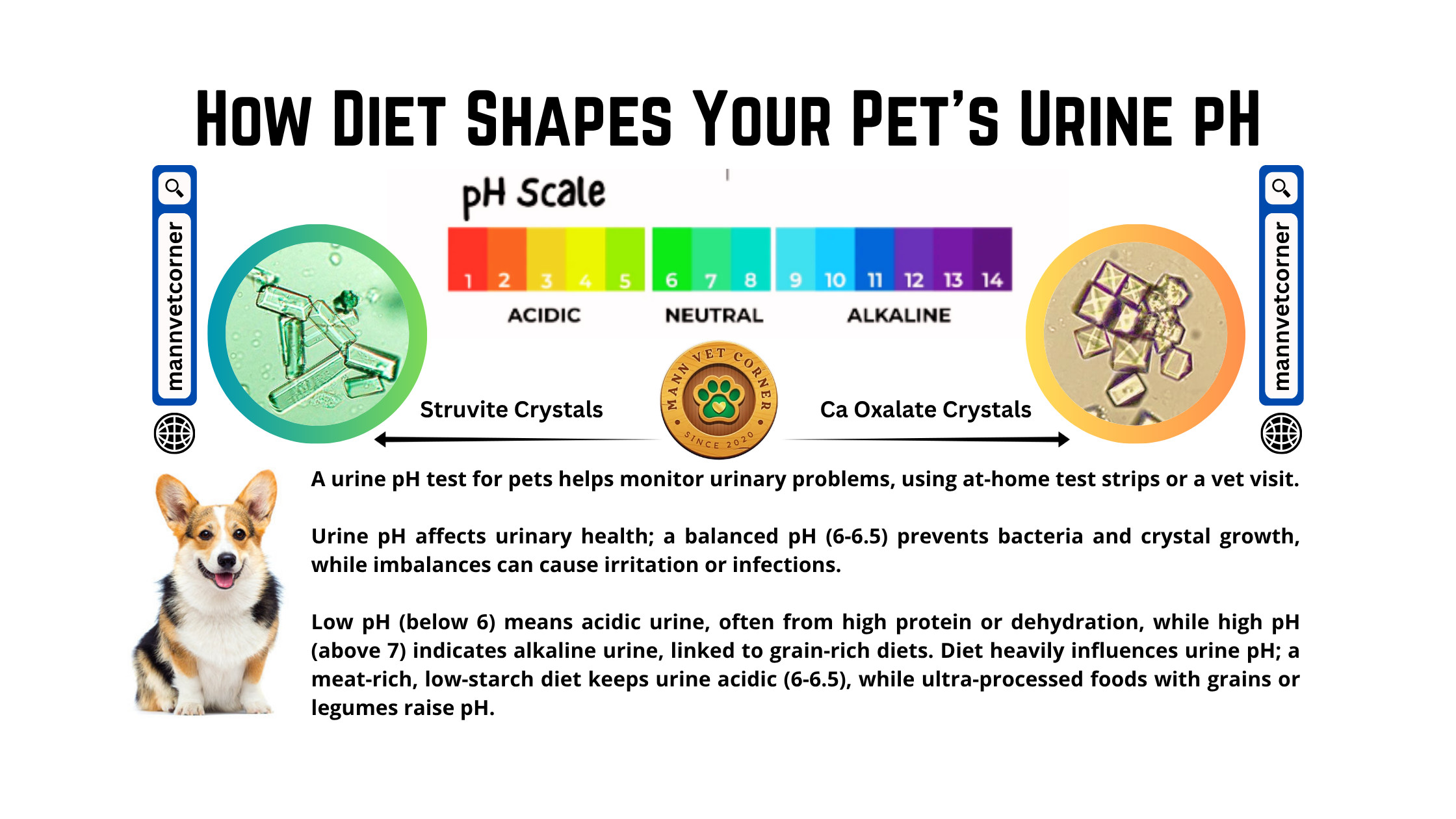
How Diet Shapes Your Pet’s Urine pH
To keep your pets healthy and happy, one key aspect that often flies under the radar is the pH level of your pet’s urine in How Diet Shapes Your Pet’s Urine pH. Yes, it might sound a bit technical, but understanding what is pH in the urine of pets can make a huge difference in their…
Pet-Adaptive Pheromone Products
Introduction Pets bring joy to our lives. They cuddle up on the couch. They wag their tails or purr softly. But new environments can stress them out. Moving to a new home, visiting the vet, or meeting new animals can make pets anxious. This anxiety can lead to unwanted behaviors. Think scratching, barking, or hiding.…
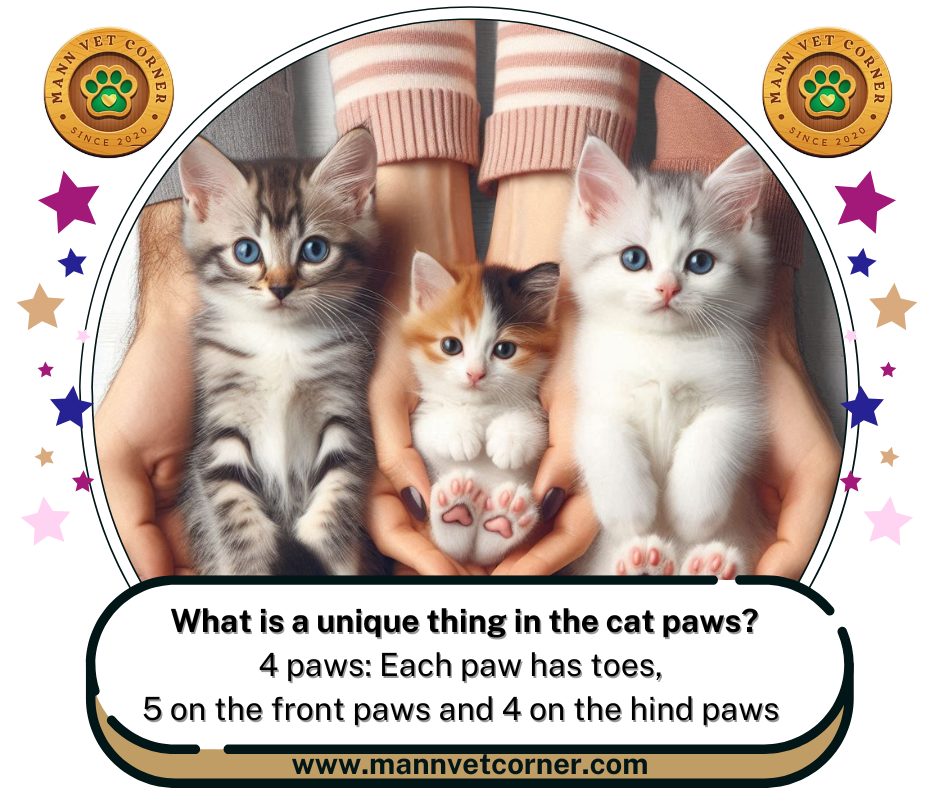
What is a unique thing in the cat paws?

What is a unique thing in the cat paws? A typical cat has four paws: two front paws and two hind paws. Each paw has toes, usually five on the front paws (including a dewclaw) and four on the hind paws, though some cats may have extra toes due to a genetic condition called polydactyly. Cat…
What does it mean when a cat wags its tail?
When a cat wags its tail, it’s usually communicating its emotional state, and the meaning depends on the type of movement and context. Unlike dogs, where tail-wagging often signals happiness, cats typically wag their tails when they’re feeling agitated, aggressive, or highly focused. Here’s a breakdown of common tail movements and their meanings: Slow, sweeping…
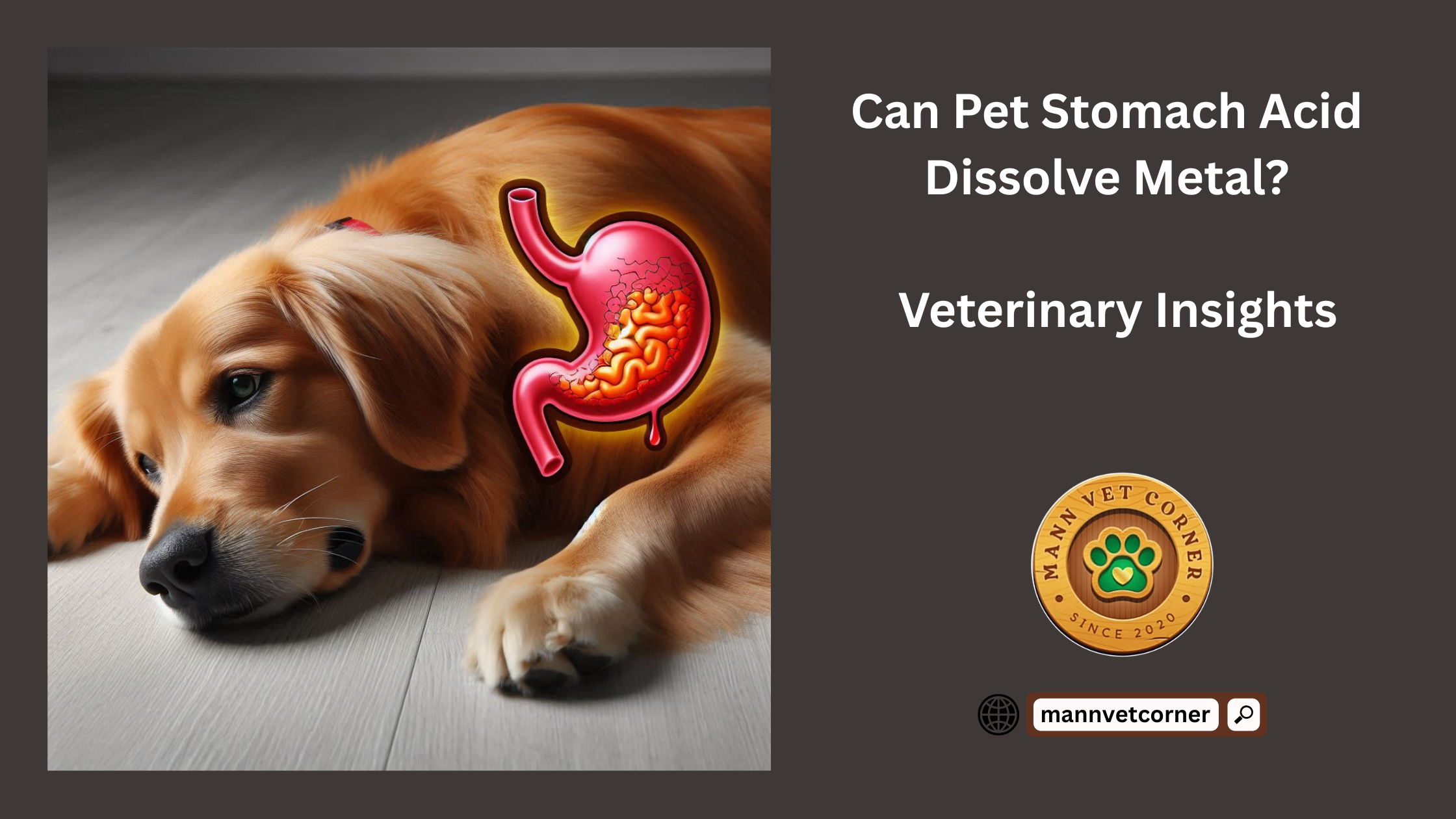
Can Pet Stomach Acid Dissolve Metal? Veterinary Insights
Pets gobble up the strangest things—socks, toys, and sometimes even metal. If your dog or cat swallows a coin or a piece of foil, panic sets in. Can pet stomach acid dissolve metal? Will it pass safely? Or does it spell trouble? This blog dives into the science of pet digestion, the risks of metal…
Hill’s Science Diet Dog Food: Is It Right for Your Pup?
When it comes to feeding our dogs, we all want the best. But with shelves packed with colorful bags and cans, each promising to be the ultimate choice, picking the right dog food can feel overwhelming. Hill’s Science Diet often stands out as a go-to option, frequently recommended by veterinarians. Yet, questions linger: Hill’s Science…
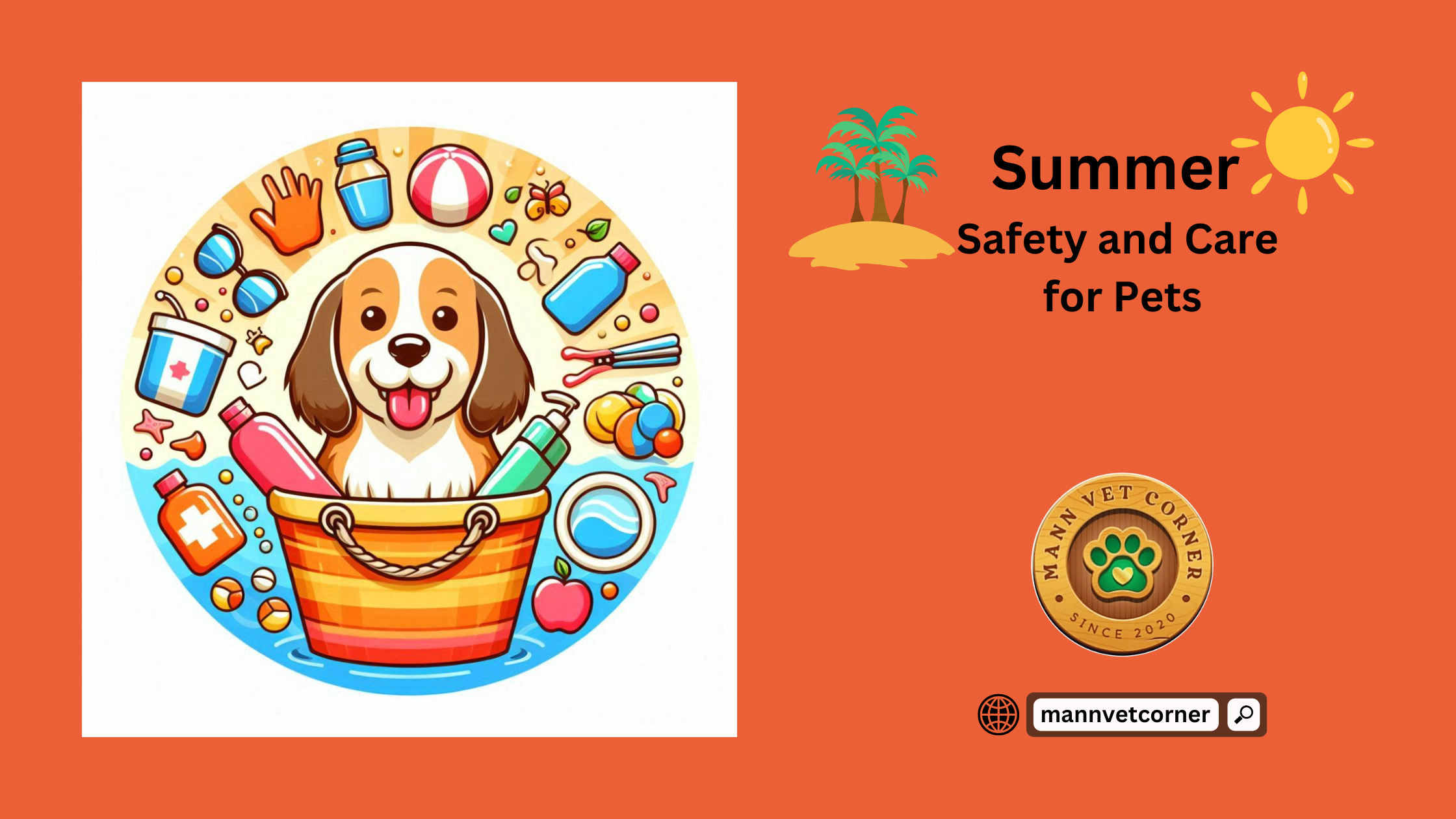
Summer Safety and Care for Pets
Summer arrives with sunny days, backyard barbecues, and endless opportunities for outdoor fun with your pets. But the heat, humidity, and seasonal hazards can pose serious risks to dogs and cats; that’s why summer safety and care for pets is necessary. Pet owners must stay proactive to keep their furry companions safe, healthy, and happy.…
Probiotics Use in Pets: How and Why It’s Needed
As a vet, I often chat with pet owners about keeping their furry friends healthy—digestion is a key part of discussion. One topic that pops up more and more is probiotics. You know, those beneficial bacteria that seem to be all the rage in human health? Well, they’re making waves in the pet world too.…
How Long Can Fleas Survive Without Pets? Vet Answers!

Key Points Flea Life Fleas go through four stages: egg, larva, pupa, and adult. Each stage has different survival needs, and without pets, the pupal stage is key to their persistence in a house. Survival Without Pets Unexpected Detail: Human Hosts Even without pets, fleas can bite humans, though they prefer animals with fur. This…