Latest posts
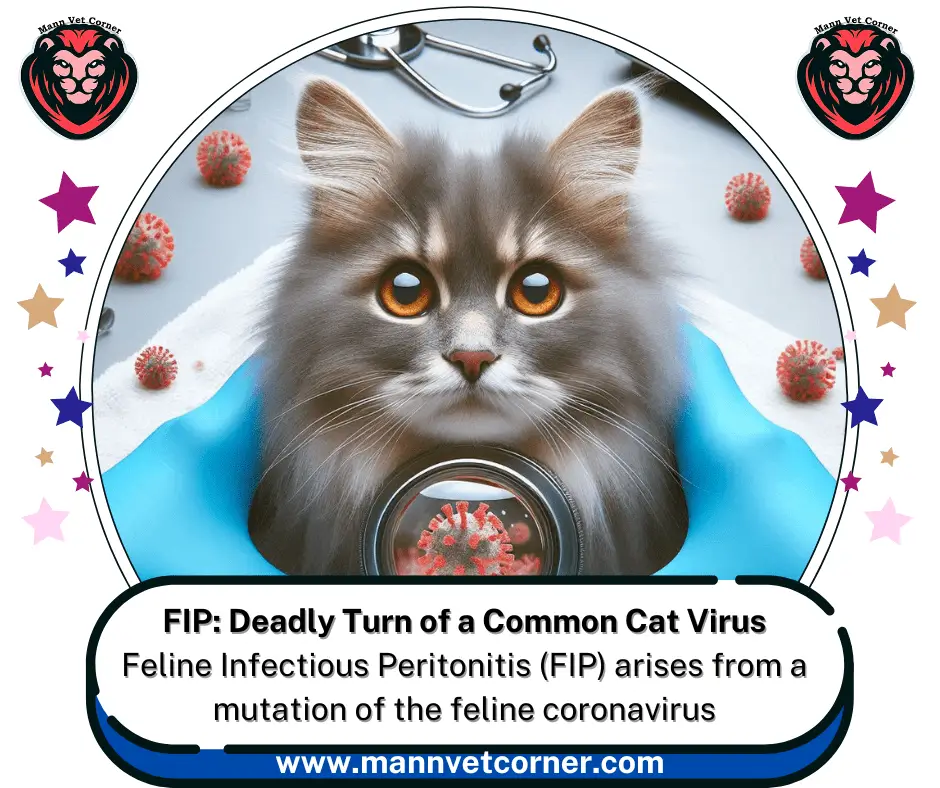
Feline Infectious Peritonitis: A Feline Coronavirus

Feline Infectious Peritonitis (FIP) is a cat’s disease caused by the feline coronavirus (FCoV) mutation. FCoV is a common virus in cats, typically causing mild gastrointestinal symptoms. However, the virus mutates in some cases, allowing it to spread beyond the intestines and infect immune cells, leading to FIP. This mutated form of the virus causes…
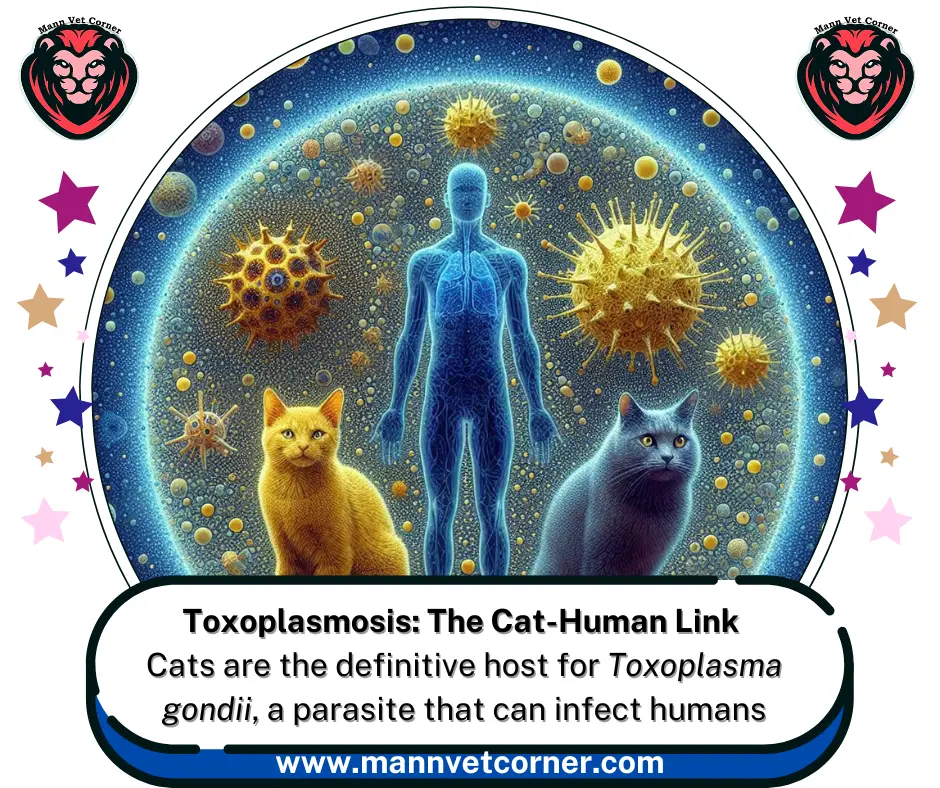
Toxoplasmosis: The Hidden Cat-Human Link
Hidden Cat-Human Linkage of Toxoplasmosis Cats are more than just adorable companions; they can also play a pivotal role in the life cycle of a parasite that might silently impact humans—Toxoplasma gondii. This microscopic organism, often referred to as the “mastermind parasite,” has a unique connection with cats as its definitive host. This means that…
Poisonous Foods and Substances for Pets

Introduction As pet owners, our top priority is the health and safety of our furry companions. Unfortunately, many common household items, including certain human foods, contain poisonous foods and substances pets should never consume. Understanding these risks is crucial for preventing accidental poisonings and ensuring that our pets lead long, healthy lives. By being aware…
Eyeworm infection (Thelazia Spp)
Eyeworm infection commonly caused by Thelazia spp, is a parasitic condition affecting the eyes of various animals, including cattle, goats, horses, dogs, and cats. This condition, known as eyeworm infection, can occasionally affect humans, who serve as aberrant hosts for Thelazia spp. These parasitic nematodes belong to the genus Thelazia, with several species known to…
Science Behind the Glow of Cat Urine
The glow of cat urine under ultraviolet (UV) light is due to phosphorescence and the presence of certain compounds that fluoresce when exposed to UV light. The science behind glow cat urine lies in its unique chemical composition, which makes it fluoresce under UV light. Urochrome and urobilin are key compounds responsible for this glow.…
Understanding Blood Protozoans
🚨 Beware, pet owners! A silent killer is hiding in the lifestream of your beloved creature that perhaps you never heard about. Blood protozoans are parasites that infect your pet’s blood cells, and their threat is often underestimated. Ever wondered why your otherwise lively buddy suddenly acts lethargic, loses his appetite, or generally shows unexplained…
Global Mammal Population Distribution
The current data on mammal population distribution on Earth reveals a striking imbalance: Detailed Explanation Livestock: 60% Humans: 36% Wild Animals: 4% Implications of the Distribution Conclusion The data on mammal population distribution reveals a significant imbalance caused by human activity and the domestication of animals. This has profound implications for biodiversity, ecosystem health, and sustainability. Addressing these issues…