Latest posts
List of Cattle Breeds

Introduction Why Top Cattle Breed Selection Matters for Your Bottom Line Selecting the right list of cattle breed is one of the most critical decisions in livestock management. Your breed choice directly impacts: Daily weight gain and feed efficiency (affects feedlot profitability) Milk production volume and component quality (impacts milk check) Reproductive success and calving…
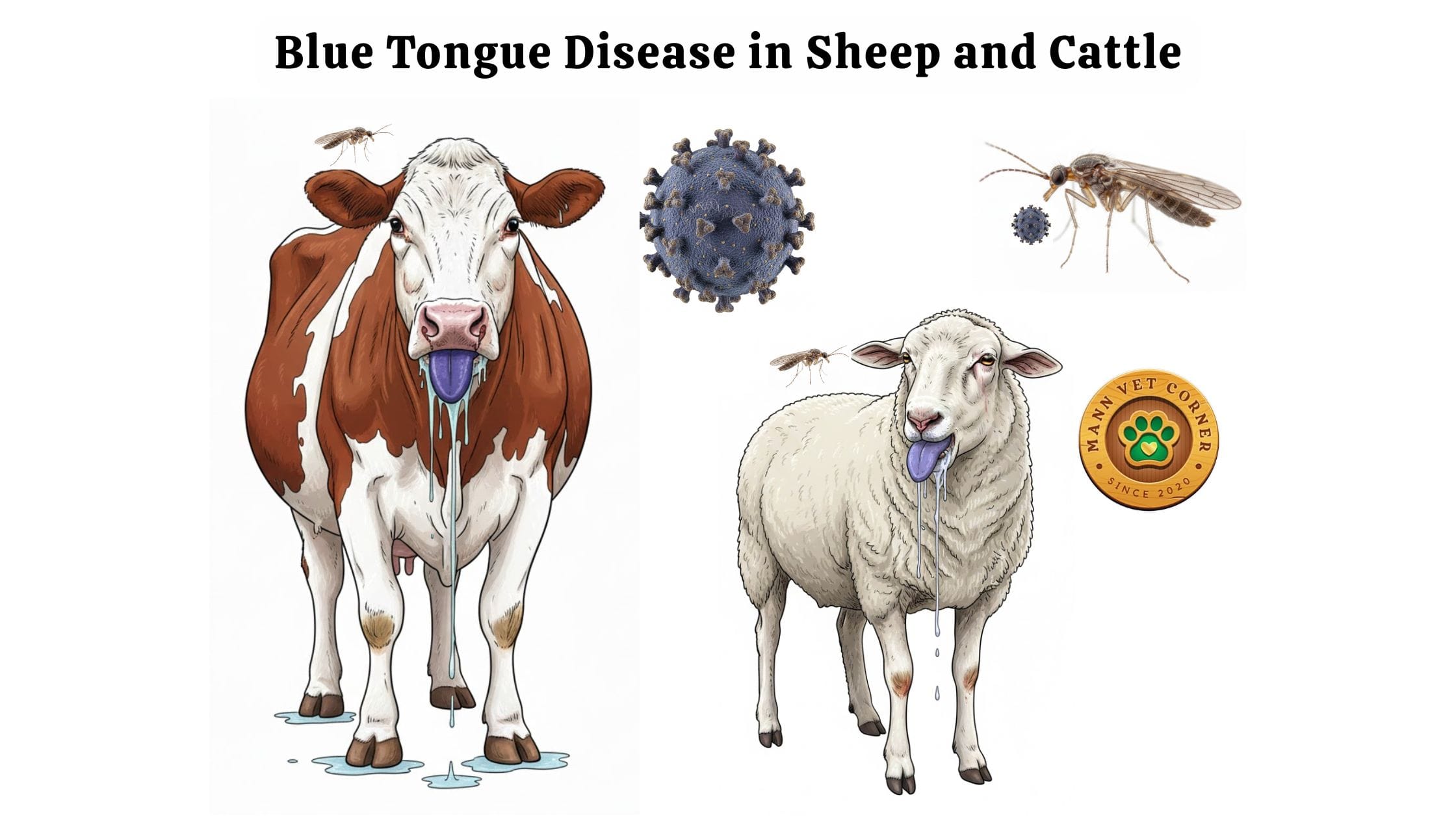
Blue Tongue Disease in Sheep and Cattle

Livestock farmers worldwide face constant challenges protecting their herds from infectious diseases. Blue Tongue Disease (BT) is a severe, insect-borne viral disease affecting sheep, cattle, goats, deer, and other ruminants, spread by biting midges, causing fever, swelling (especially of face/tongue, turning it blue), lameness, and potential death, though usually mild in cattle but highly fatal…
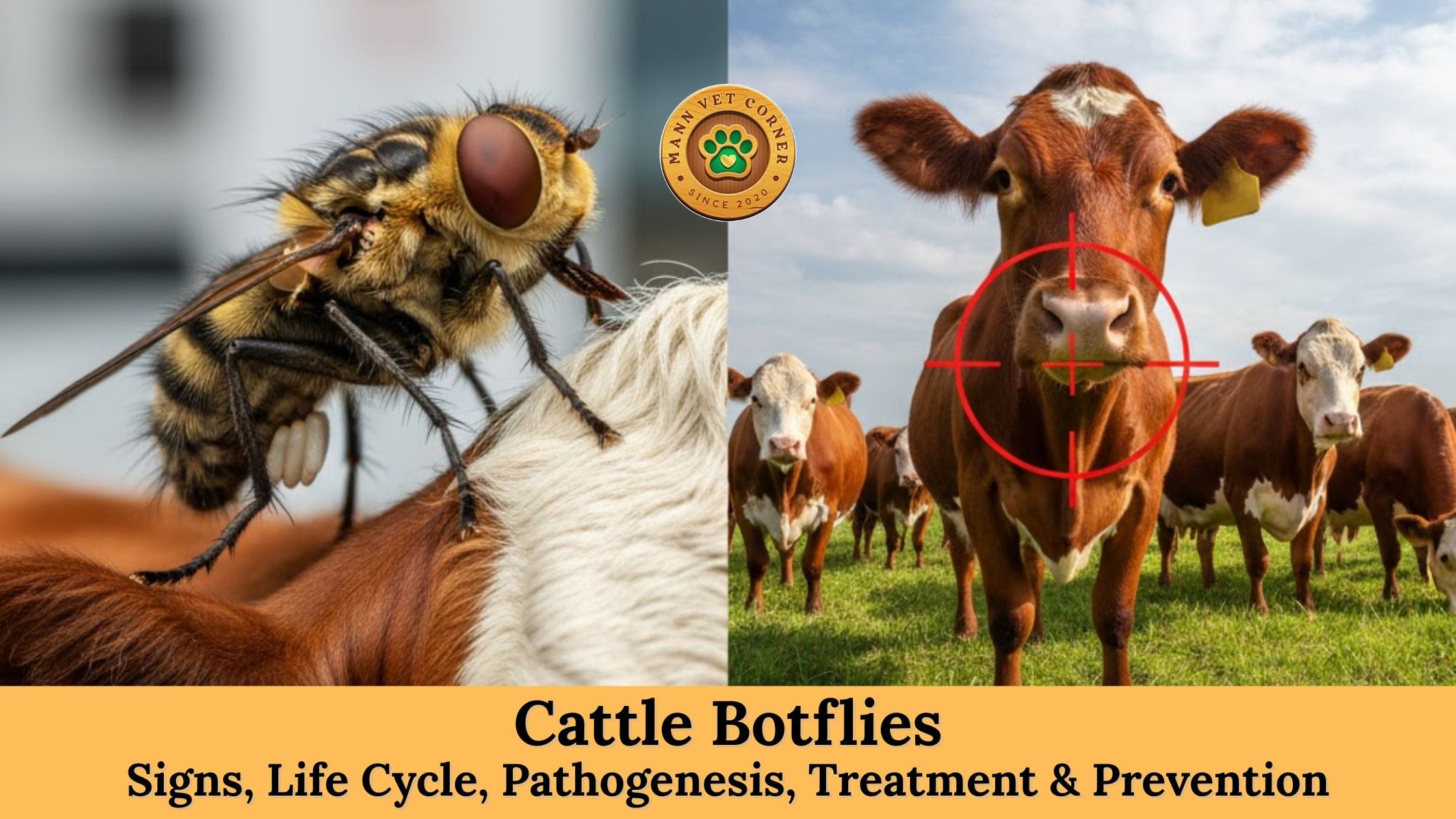
Cattle Botflies: Signs, Life Cycle, Pathogenesis, Treatment & Prevention
Cattle Botfly Infestation Bot flies are a group of parasitic flies that threaten livestock health and farm productivity in worldwide. These flies cause significant losses in meat and leather production, affecting farmers’ profitability and animal welfare. Cattle botfly infestation, also known as warble fly infestation (Warbles is a bumps under the skin that are caused…
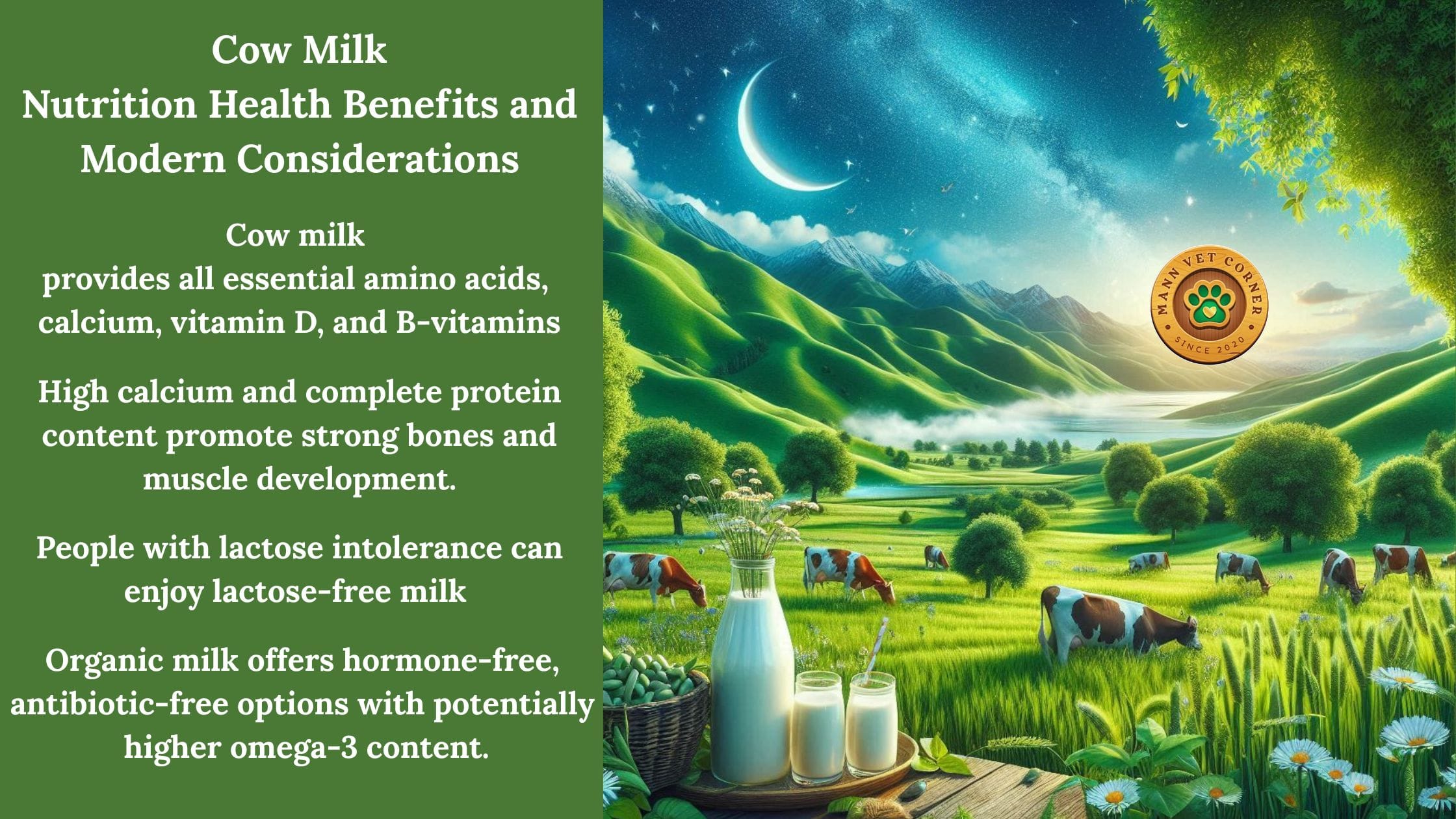
Cow Milk: Nutrition, Health Benefits, and Modern Considerations
Introduction For over 10,000 years, cow milk has served as one of humanity’s most reliable nutritional resources. From ancient pastoral societies to modern urban centers, this remarkable beverage continues to provide essential nutrients that support human health across all life stages. As we navigate an increasingly complex food landscape filled with alternatives and conflicting health…
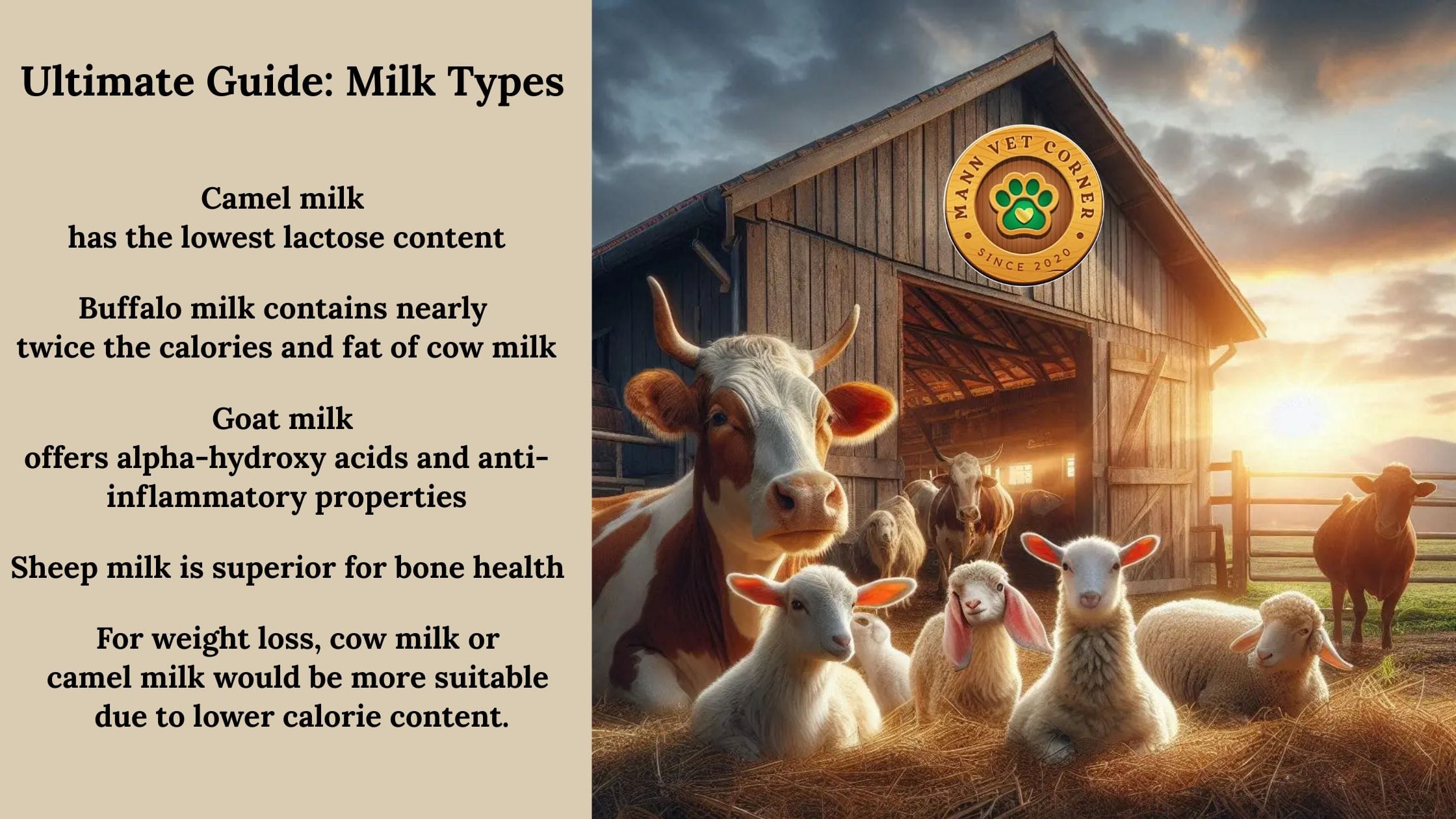
Ultimate Guide to Milk Types: Buffalo, Cow, Goat, Sheep, and Camel Milk
Are you standing in the dairy aisle, overwhelmed by the growing variety of milk options beyond the traditional cow’s milk? You’re not alone. With increasing awareness of dietary sensitivities, nutritional needs, and health benefits, more consumers are exploring alternatives like buffalo, goat, sheep, and camel milk. This comprehensive guide will help you understand the nutritional…
FMD: A Viral Disease of Cloven Hoofed Animals
Foot-and-Mouth Disease (FMD) is one of the most contagious viral diseases affecting cattle and other cloven-hoofed animals. Its rapid spread and economic impact make it a significant concern for farmers, veterinarians, and policymakers worldwide. This blog provides a detailed exploration of FMD in cattle, covering its etiology, host susceptibility, incubation period, clinical signs and symptoms,…
Calf Diarrhea: From Signs to Deadly Scours
Calf scours, commonly known as neonatal calf diarrhea, is a widespread disease that affects young calves across the globe. This condition is marked by sudden diarrhea, which can lead to dehydration, electrolyte imbalances, and even death if not addressed promptly. For livestock producers, calf scours is a major concern because it impacts calf health, slows…
Cow Udder: Healthy vs Mastitis Udder
Introduction A healthy cow udder is solid, uniformly shaped, and is a sophisticated organ vital for milk production, divided into four separate quarters, each containing its own teat and milk-generating system. In comparison, an udder affected by mastitis looks enlarged, warm, and sore, frequently producing clotted or off-colored milk. Bacteria enter the teat canal, causing…
Cattle Tympany (Bloat)

Tympany, commonly known as bloat, is a serious digestive disorder in cattle caused by excessive gas accumulation in the stomach (rumen). Normally, cows release gas through burping (eructation). However, when gas becomes trapped, it causes the stomach to swell, putting pressure on other organs. If left untreated, bloat can restrict breathing, reduce blood circulation, and…
Abdominal Contour Of A Cow
The abdominal contour of a cow serves as a crucial diagnostic indicator in veterinary practice. By carefully assessing the shape of a cow’s abdomen, I can determine potential health issues related to digestion, fermentation, and gas accumulation. The three primary abdominal shapes—pear-shaped, apple-shaped, and papple-shaped—each signify different underlying conditions. In this article, I will explore…