Latest posts
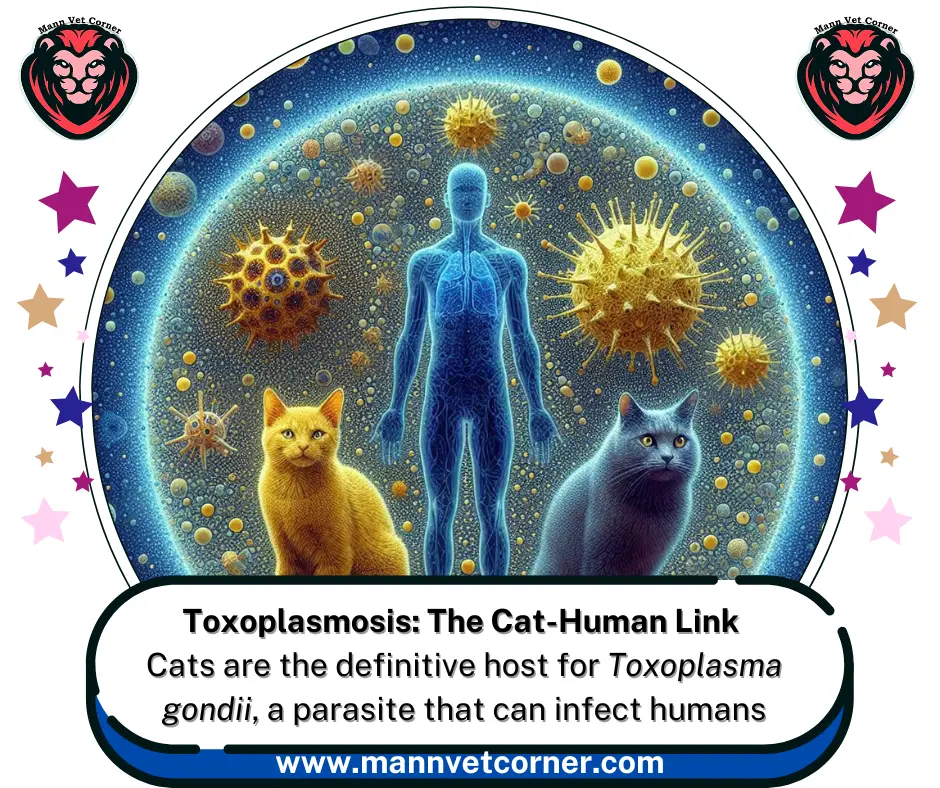
Toxoplasmosis: The Hidden Cat-Human Link

Hidden Cat-Human Linkage of Toxoplasmosis Cats are more than just adorable companions; they can also play a pivotal role in the life cycle of a parasite that might silently impact humans—Toxoplasma gondii. This microscopic organism, often referred to as the “mastermind parasite,” has a unique connection with cats as its definitive host. This means that…
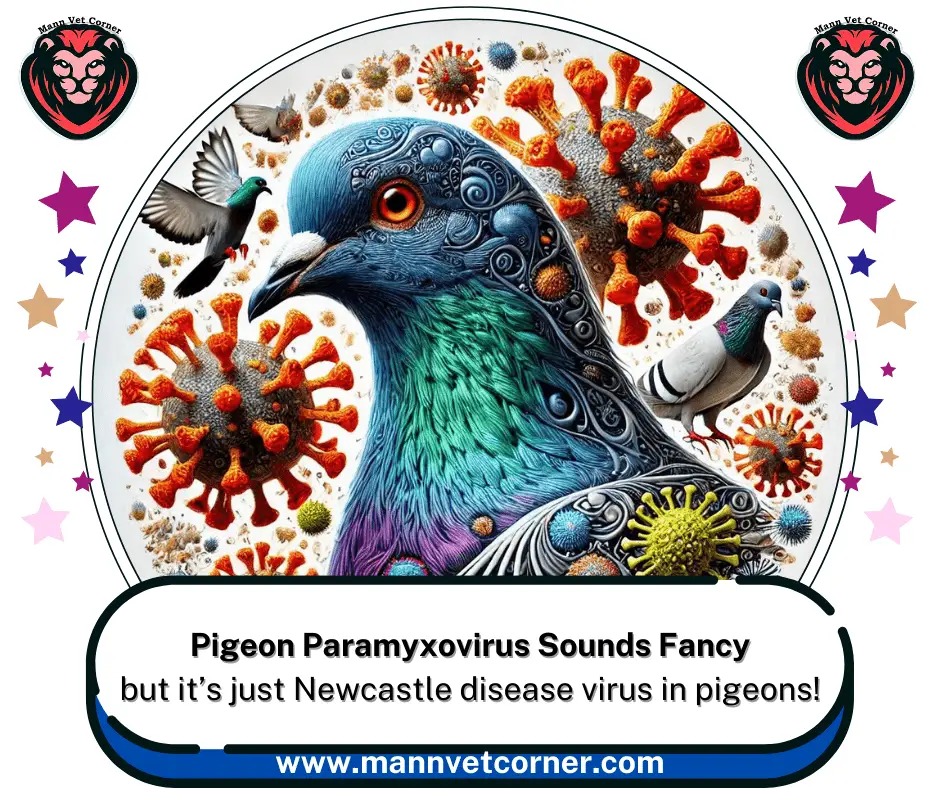
Pigeon Paramyxovirus Sounds Fancy
What is Pigeon Paramyxovirus-1 (PPMV-1)? Pigeon Paramyxovirus-1 (PPMV-1) is a virus that primarily affects pigeons but can infect other birds like chickens. Pigeon paramyxovirus ND virus sounds fancy but is closely related to the Newcastle Disease Virus. The virus can spread through direct contact with sick birds, and contaminated food, water, or equipment. Wild birds…
Coughing Chicken
Coughing Chicken Due to ILT Disease Infectious Laryngotracheitis (ILT) is a highly contagious viral disease caused by Gallid alphaherpesvirus 1, primarily affecting the upper respiratory tract of chickens. The virus has destructive effects on the tracheal mucosa, leading to severe coughing chicken due to ILT. This includes inflammation, hemorrhage, and the formation of thick diphtheritic…
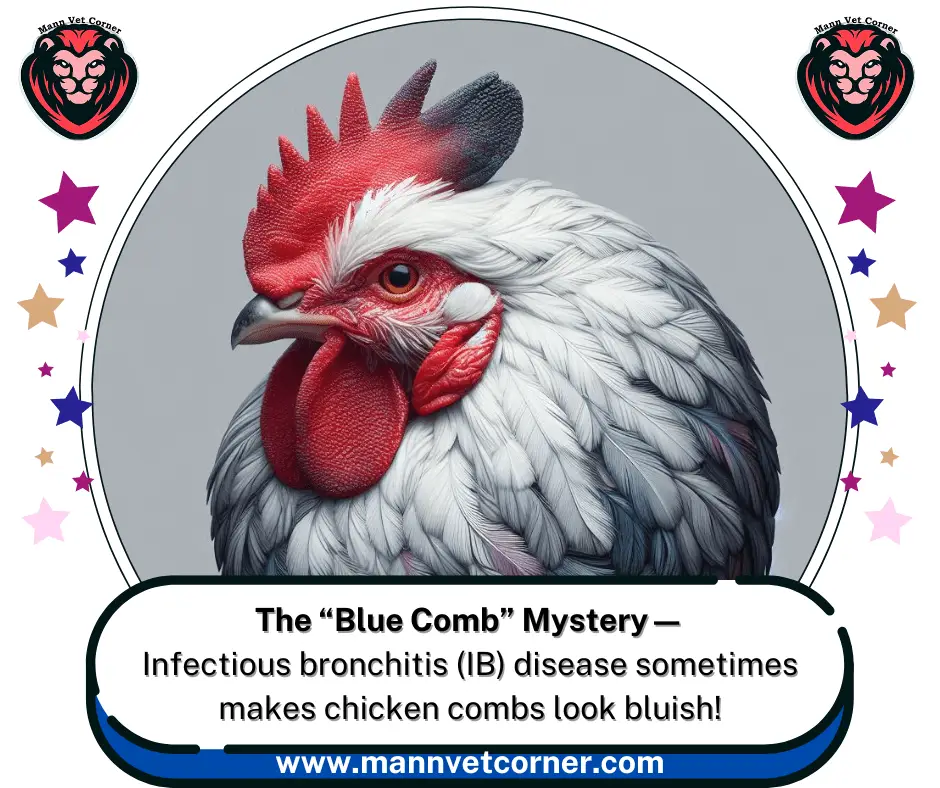
Infectious bronchitis: Chicken Blue Comb Mystery
Infectious bronchitis (IB) Infectious bronchitis (IB) is a highly contagious viral disease caused by the Infectious Bronchitis Virus (IBV). It primarily affects the respiratory system of chickens but can also impact the reproductive, renal, and circulatory systems. One notable effect of Infectious bronchitis disease is the “blue comb” phenomenon, which occurs due to hypoxia, or…
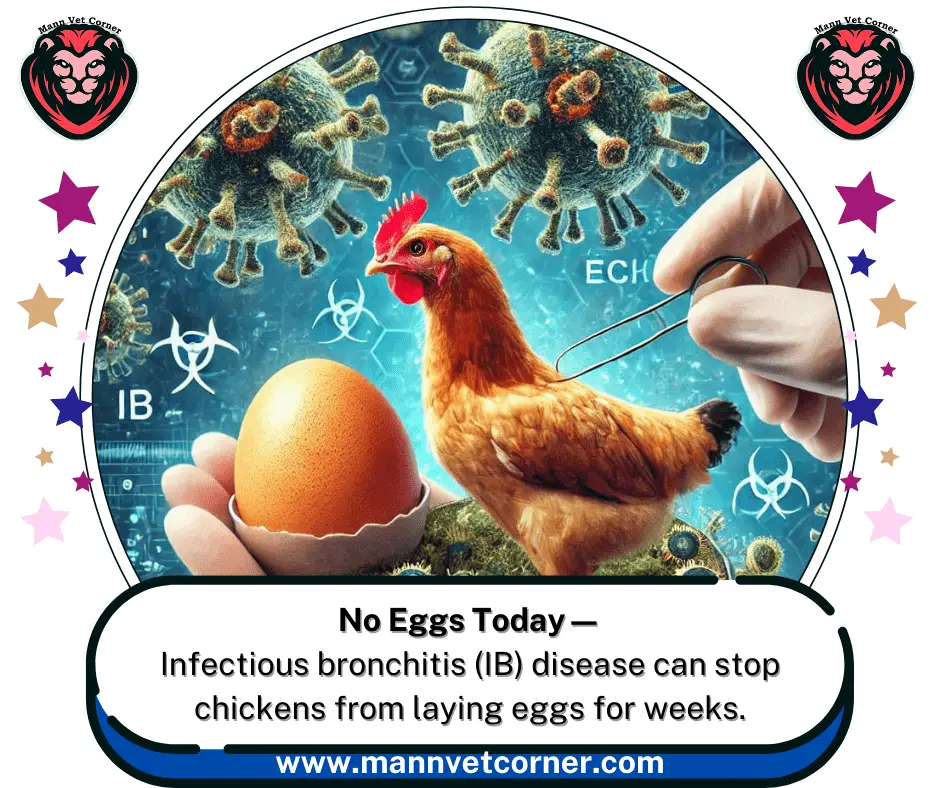
Infectious Bronchitis Disease and Its Impact on Egg Production
Infectious Bronchitis (IB) disease is one of the highly contagious viral diseases caused by the Infectious Bronchitis Virus (IBV), a member of the Coronaviridae family. The disease primarily targets the respiratory system of chickens but infectious bronchitis can also affect the reproductive system and ultimately affect egg production, and renal systems, leading to significant economic…
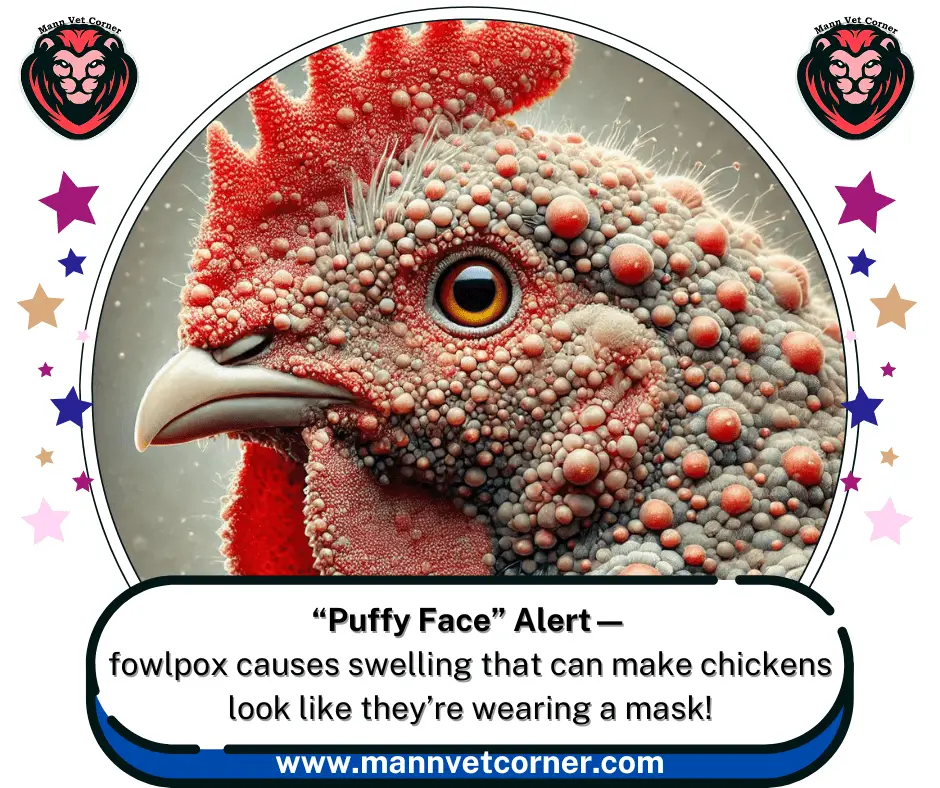
Fowlpox virus causes a puffy face in chickens
Clinical Presentation of Fowlpox Fowlpox virus, which belongs to the Poxviridae family, is a highly contagious pathogen that causes a “puffy face” in chickens. Infected birds develop scabby, pox-like lesions primarily on their combs, wattles, and around their eyes. These lesions often give the affected birds a mask-like appearance, making the disease easy to identify.…
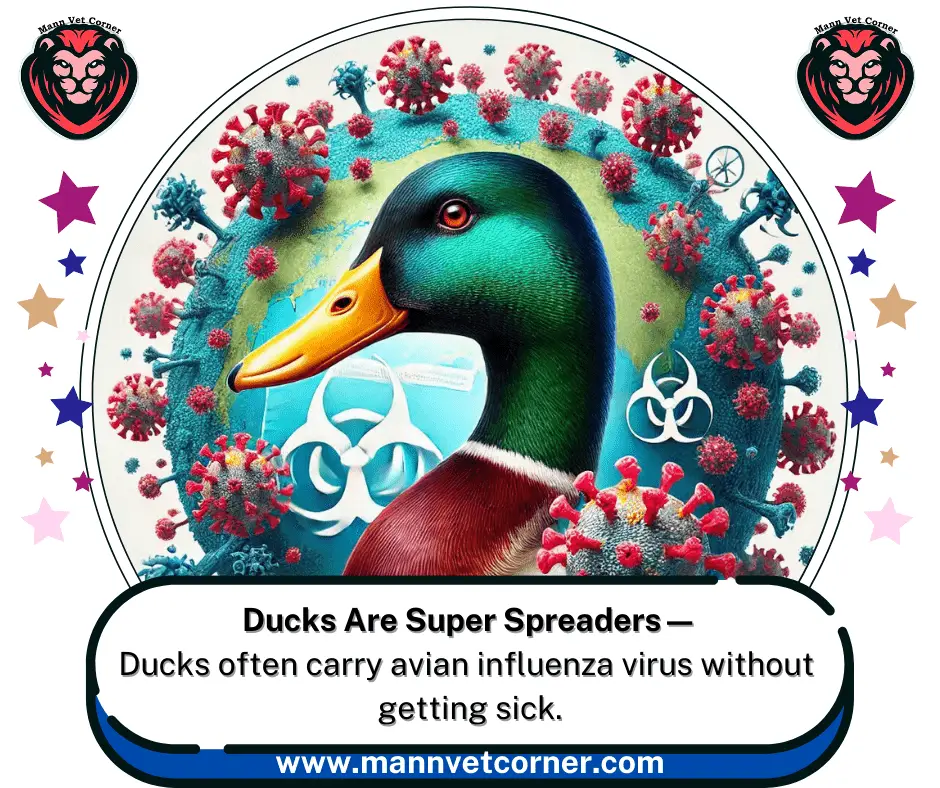
Ducks Are Super Spreader Of Avian Influenza
Ducks as Asymptomatic Carriers of Avian Influenza Ducks play a crucial role in the ecology of avian influenza (bird flu). They are often asymptomatic carriers of the virus. Unlike chickens, ducks rarely show symptoms, which makes them significant in spreading the disease silently. Studies have shown that ducks can carry highly pathogenic strains like H5N1…
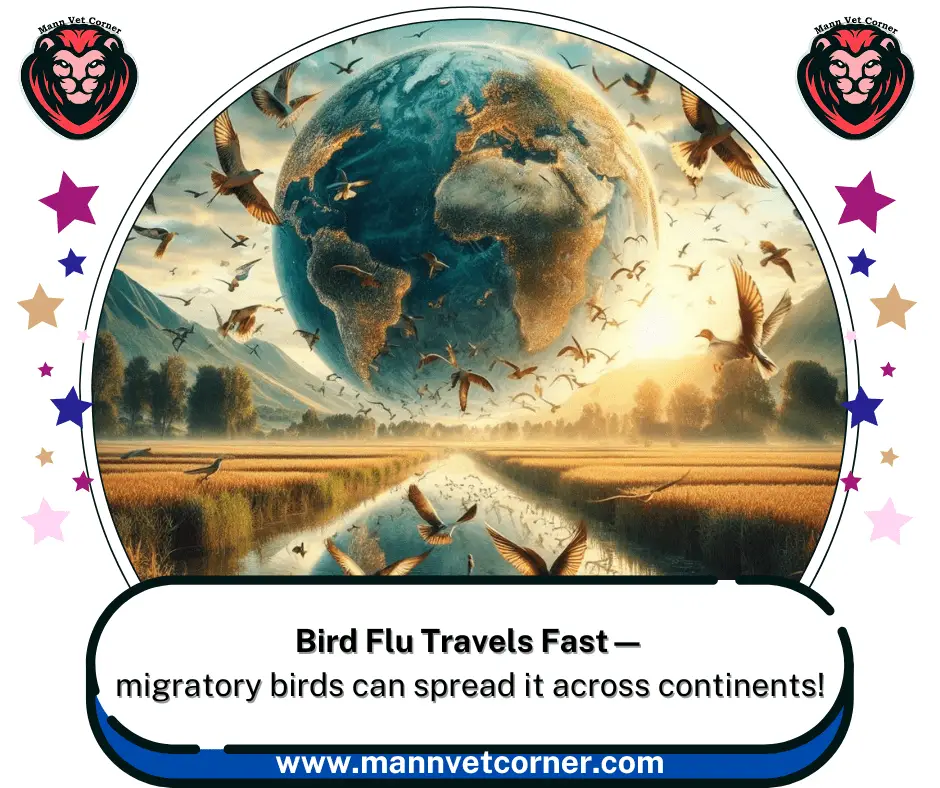
Bird flu spreads through migratory birds
Summary Bird flu spreads globally through migratory birds, which serve as natural carriers of the virus. Every year, over 4,000 species of migratory birds travel vast distances across continents. This includes waterfowl such as ducks, geese, and swans. For example, the bar-tailed godwit holds the record for the longest non-stop migration. It flies over 12,000…
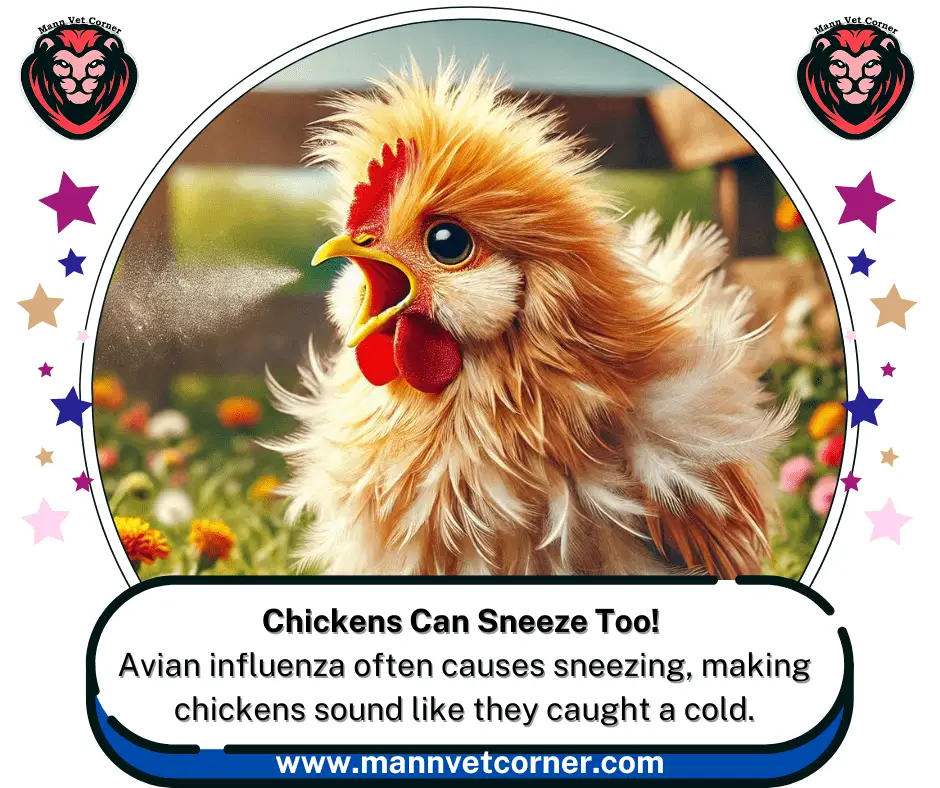
Chickens can sneeze too!
Chickens can sneeze too! When infected with avian influenza (bird flu), chickens may sneeze to expel irritants from their respiratory systems. A chicken’s sneeze can propel tiny droplets containing the virus at speeds of up to 16–20 km/h. Each sneeze can release thousands of virus particles into the surrounding air, which can potentially infect other…
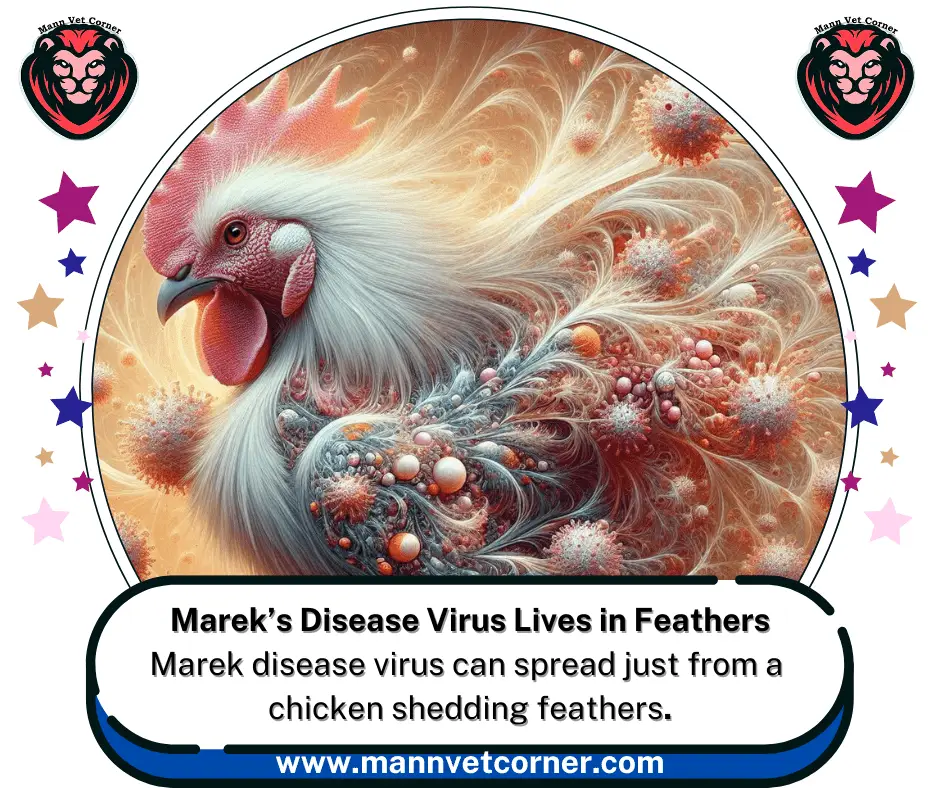
Marek Disease Virus Lives in Feathers
Marek’s disease virus (MDV) is a highly contagious herpesvirus that uniquely survives in chicken feathers. It can persist in the feather follicle epithelium, which contains immune-privileged cells that protect the virus from being destroyed. Unlike many other avian diseases, MDV spreads through dander and feather dust, making it extremely transmissible in poultry farms. This characteristic…