Latest posts
Complete Blood Count (CBC) Report: Viral Diseases in Animals

Introduction Viral infections in animals produce characteristic hematological changes that can be detected through comprehensive CBC analysis, serving as crucial diagnostic indicators for veterinary practitioners. During viral pathogenesis, the immune system responds with measurable alterations in white blood cell populations, including initial lymphopenia (decrease number of lymphocytes) followed by potential lymphocytosis (increase number of lymphocytes),…
Electron Microscopy: Advanced Diagnostic Tool
Introduction Electron microscopy has emerged as one of the most powerful diagnostic tools in veterinary medicine, revolutionizing how veterinarians and researchers investigate animal diseases at the cellular and subcellular levels. This advanced imaging technology enables the visualization of pathogens, cellular structures, and disease processes that would otherwise remain invisible to conventional microscopy techniques. The technology…
Light Microscope: Essential Diagnostic Tool
Introduction The light microscope remains one of the most fundamental and indispensable diagnostic instruments in veterinary medicine. Despite technological advances in diagnostic imaging and molecular techniques, light microscopy continues to serve as the cornerstone for identifying numerous animal diseases, offering veterinarians immediate, cost-effective insights into pathological conditions affecting livestock, companion animals, and wildlife. In veterinary…
Strongest Natural Antivirals for Herpes Virus
Introduction The herpes virus, a persistent and widespread pathogen, affects both humans and animals, causing a range of uncomfortable and sometimes severe symptoms. In humans, herpes simplex virus (HSV) types 1 and 2 lead to oral and genital herpes, marked by painful sores, itching, and recurrent outbreaks. In animals, various herpesviruses cause diseases like feline…
Foodborne Diseases in Pets
Foodborne illnesses, commonly known as food poisoning, are a significant concern for pets as well as humans. These diseases occur when pets consume contaminated food, treats, or water, leading to symptoms like vomiting, diarrhea, lethargy, and, in severe cases, life-threatening complications. Pets can also transmit foodborne pathogens to humans through improper handling of their food…
Colibacillosis in Calves
You’re dealing with young calves on a farm; you’ve probably heard about colibacillosis. It’s a common issue that hits newborn calves hard, often caused by E. coli bacteria. In this article, I’ll break it down simply about colibacillosis in calves– what it is, why it happens, how it spreads in the body, the signs to…
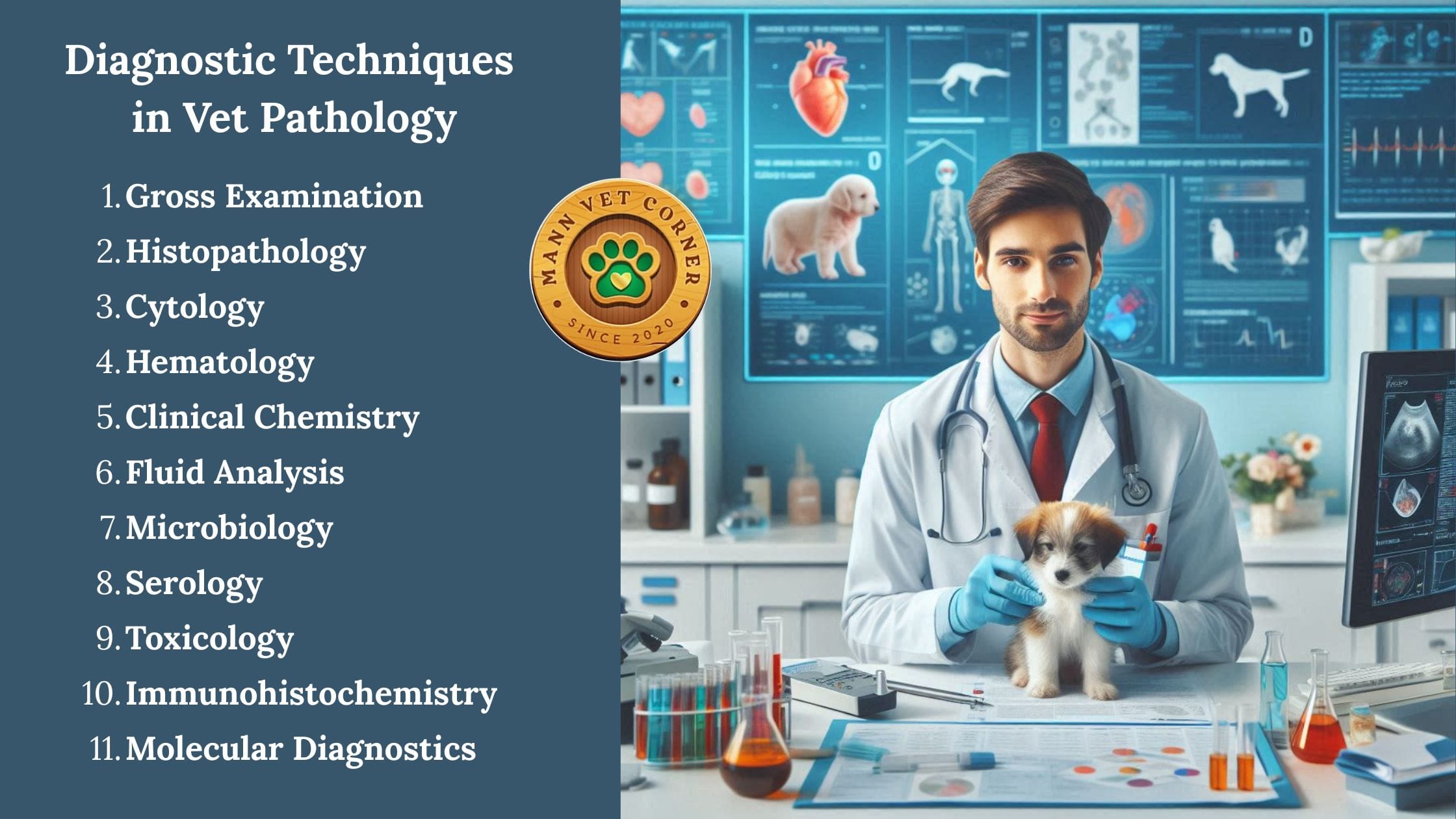
Diagnostic Techniques in Veterinary Pathology
Veterinary pathology is the study of diseases in animals, encompassing both anatomic pathology (examining tissues and organs) and clinical pathology (analyzing bodily fluids and cells). Diagnostic techniques are essential for identifying disease causes, guiding treatments, monitoring health, and preventing outbreaks in companion animals, livestock, wildlife, and exotic species. These methods integrate traditional observations with advanced…
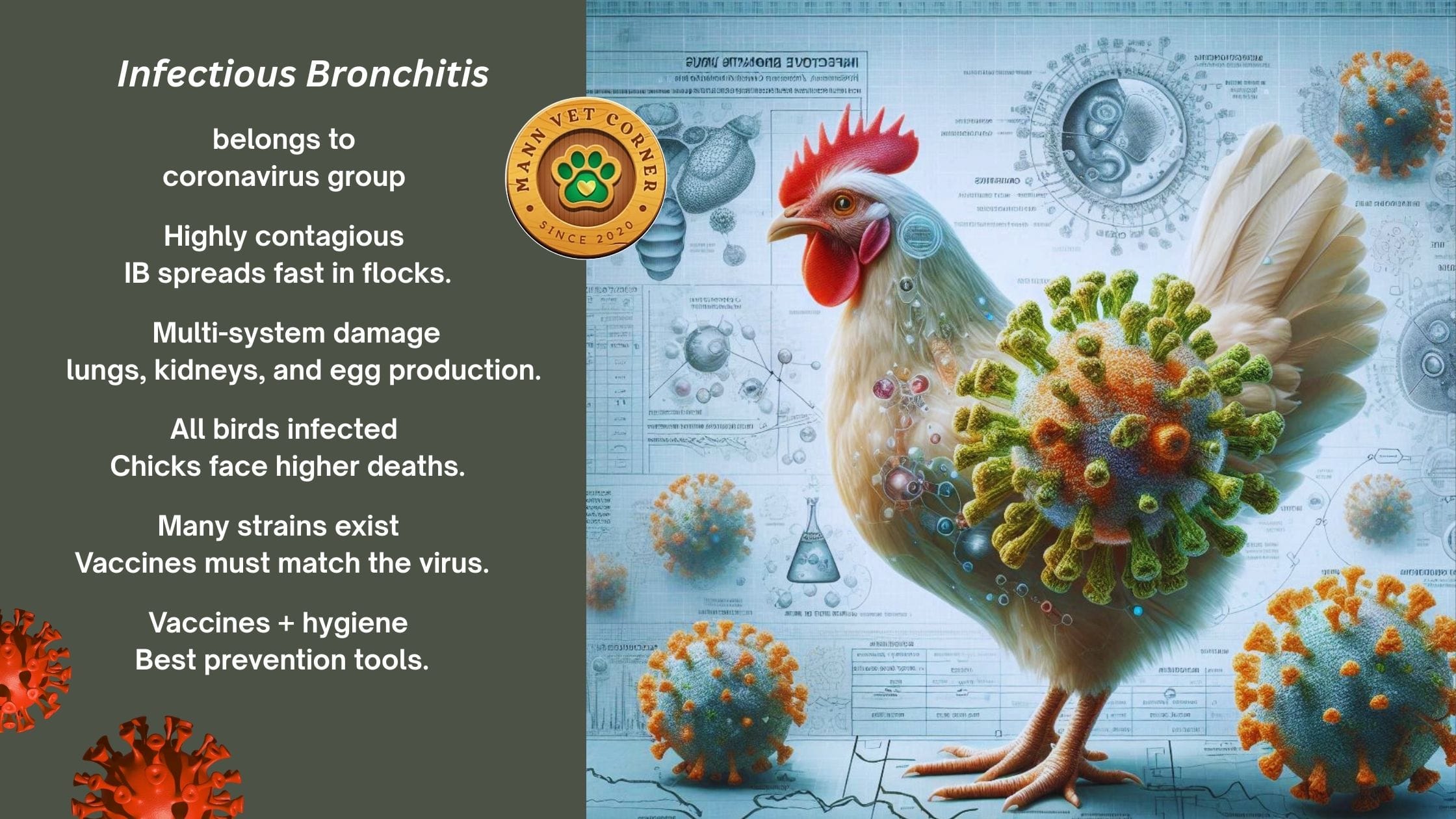
Infectious Bronchitis in Chickens
Introduction and History Infectious bronchitis (IB) is a highly contagious viral disease in chickens. It affects the respiratory, renal, and reproductive systems. Farmers first noticed infectious bronchitis in chickens in the 1930s. Experts in North Dakota, USA, described it in 1931. Schalk and Hawn saw young chicks gasping and acting weak. By 1933, scientists named it…
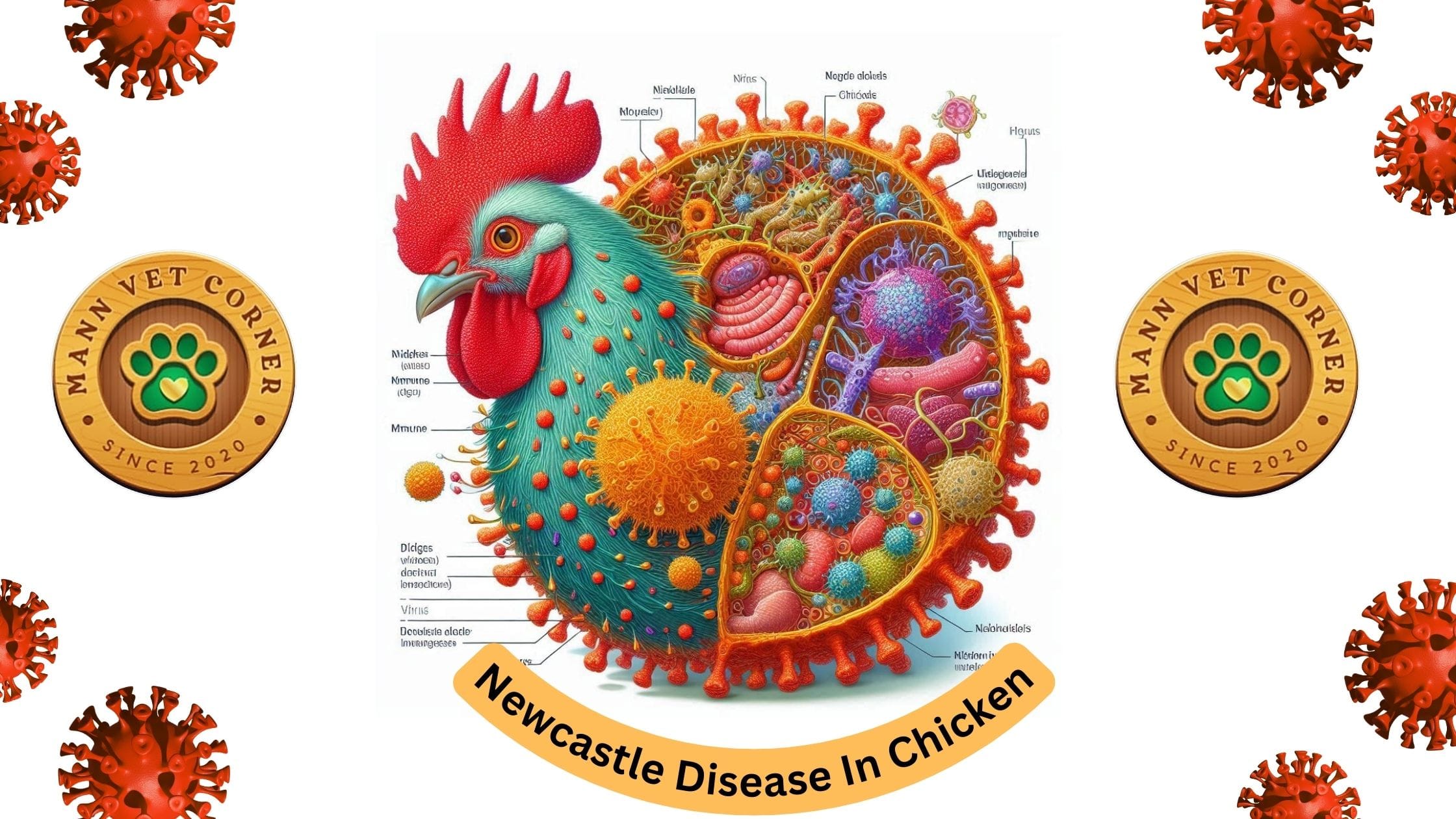
Newcastle Disease in Poultry
Newcastle disease (ND) is one of the most devastating viral infections in poultry, causing severe economic losses worldwide. The disease was first identified in 1926 in Newcastle-upon-Tyne, England, after an outbreak in imported birds. Since then, it has spread globally, with outbreaks reported in Asia, Africa, Europe, and the America. The virus is highly contagious, capable of wiping…
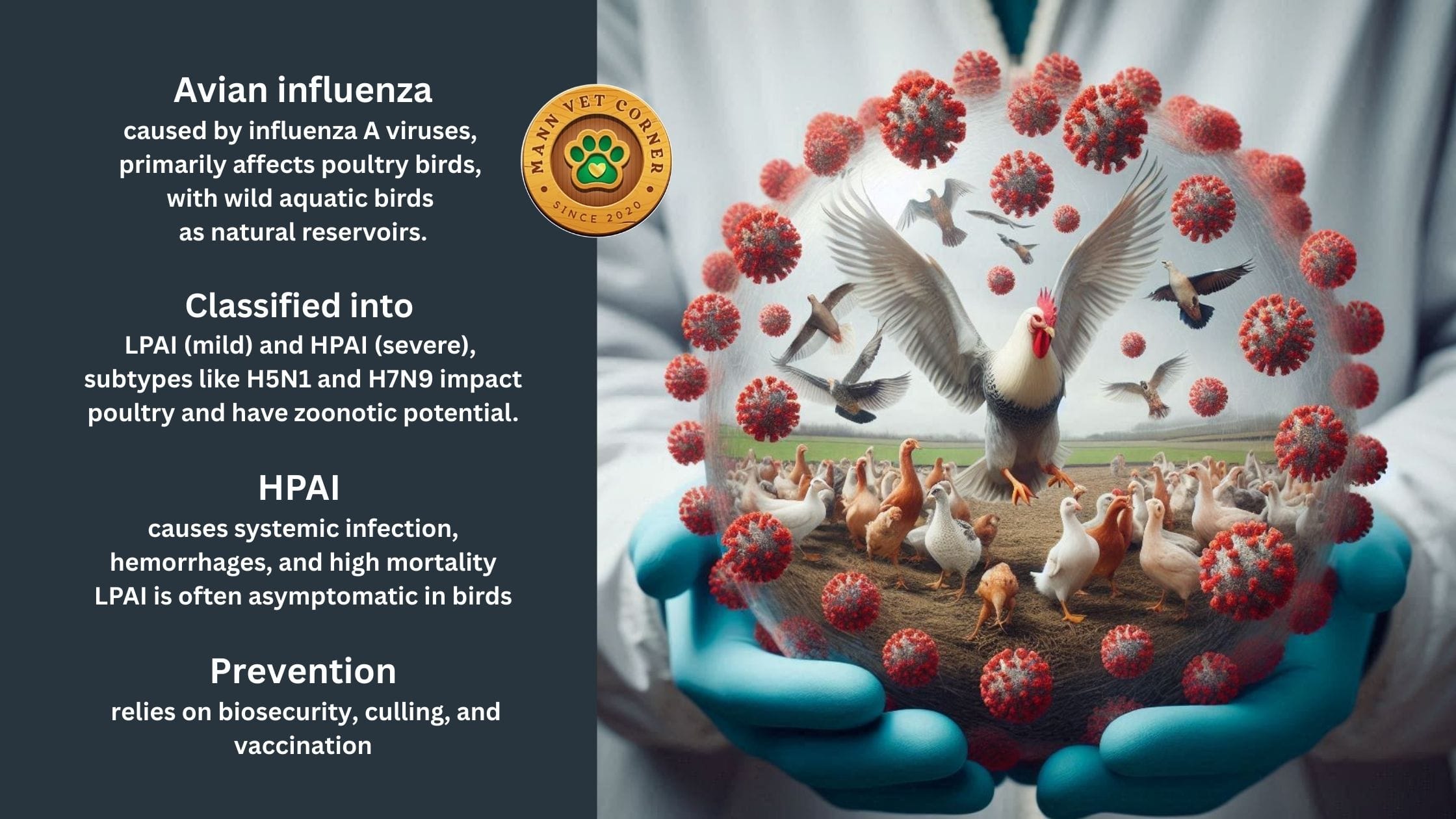
Avian Influenza
Introduction Avian influenza, commonly referred to as bird flu, is a highly contagious viral disease that primarily affects birds, both wild and domestic. It is caused by strains of the influenza A virus and can range from mild to severe forms, with significant economic impacts on poultry industries due to high mortality rates and trade…