Latest posts
How Long Can Fleas Survive Without Pets? Vet Answers!

Key Points Flea Life Fleas go through four stages: egg, larva, pupa, and adult. Each stage has different survival needs, and without pets, the pupal stage is key to their persistence in a house. Survival Without Pets Unexpected Detail: Human Hosts Even without pets, fleas can bite humans, though they prefer animals with fur. This…
Ethics of Live Animals in Art: Vet View

Introduction The use of live animals in art has long been a topic of debate. Artists like Damien Hirst, famous for his preserved sharks, and others who feature live creatures in performances have pushed boundaries. But this practice raises big ethical questions, especially from a veterinary perspective. Veterinarians care deeply about animal health and welfare.…
Cow Udder: Healthy vs Mastitis Udder

Introduction A healthy cow udder is solid, uniformly shaped, and is a sophisticated organ vital for milk production, divided into four separate quarters, each containing its own teat and milk-generating system. In comparison, an udder affected by mastitis looks enlarged, warm, and sore, frequently producing clotted or off-colored milk. Bacteria enter the teat canal, causing…
Marek’s disease in chickens: A Ultimate Guide
What is Marek’s disease in chickens? Marek’s Disease (MD) is a highly contagious viral illness caused by the Gallid alphaherpesvirus 2 (MDV). It attacks chickens’ nervous and immune systems, leading to paralysis, tumors, and death. It’s a global threat to the poultry industry and backyard farms, with unvaccinated birds at the highest risk. Susceptible Hosts: Which Chickens Are at Risk? ⚠️ Note: Recovered…
Common Parasites of Cats: Ultimate Guide

Cats are susceptible to various parasitic infections that can significantly impact their health and well-being. Recognizing cat parasites and their transmission methods, symptoms, preventive measures, and treatment options is essential for every cat owner. This article delves into the most common cat parasites affecting felines, including both internal and external types, and provides valuable insights…
Most Prevalent Viral Diseases in Cats
Cats are beloved companions to millions of people around the world. As responsible pet owners, it’s essential to be aware of the potential health threats that can impact our furry friends. Among the various health risks, viral diseases of cats are some of the most common and dangerous conditions. This article aims to provide a…
Common Bacterial Diseases of Cats
Cats, like all animals, are susceptible to bacterial infections. Some infections can cause mild symptoms, while others may lead to severe illness if left untreated. In this article, we will delve into the common bacterial diseases of cats and discuss ways to keep your feline companions safe and healthy. Understanding these common bacterial diseases of…
Which Food is at a Temperature That Allows Bacteria to Grow Well?
Food safety is essential for preventing bacterial contamination and foodborne illnesses. Did you know that bacteria can double in number every 20 minutes within the “danger zone” of 40°F to 140°F? Certain foods, like meat, dairy, and cooked rice, are particularly at risk if not stored properly. To keep your meals safe, it’s crucial to…
Toxoplasmosis: The Hidden Cat-Human Link
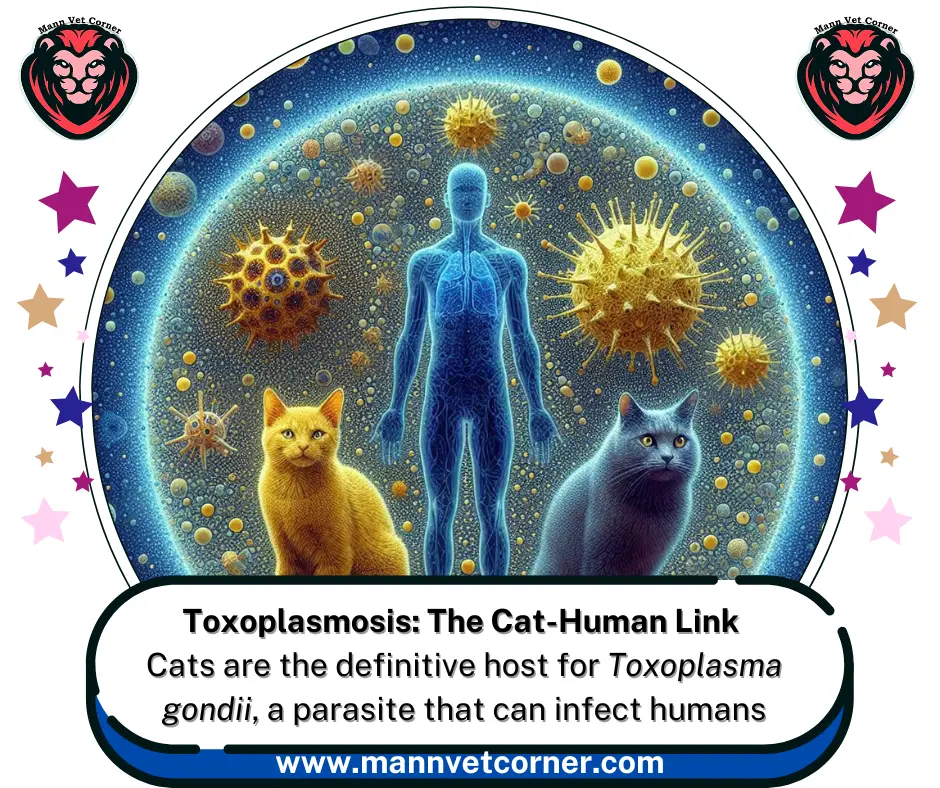
Hidden Cat-Human Linkage of Toxoplasmosis Cats are more than just adorable companions; they can also play a pivotal role in the life cycle of a parasite that might silently impact humans—Toxoplasma gondii. This microscopic organism, often referred to as the “mastermind parasite,” has a unique connection with cats as its definitive host. This means that…
Pigeon Paramyxovirus Sounds Fancy
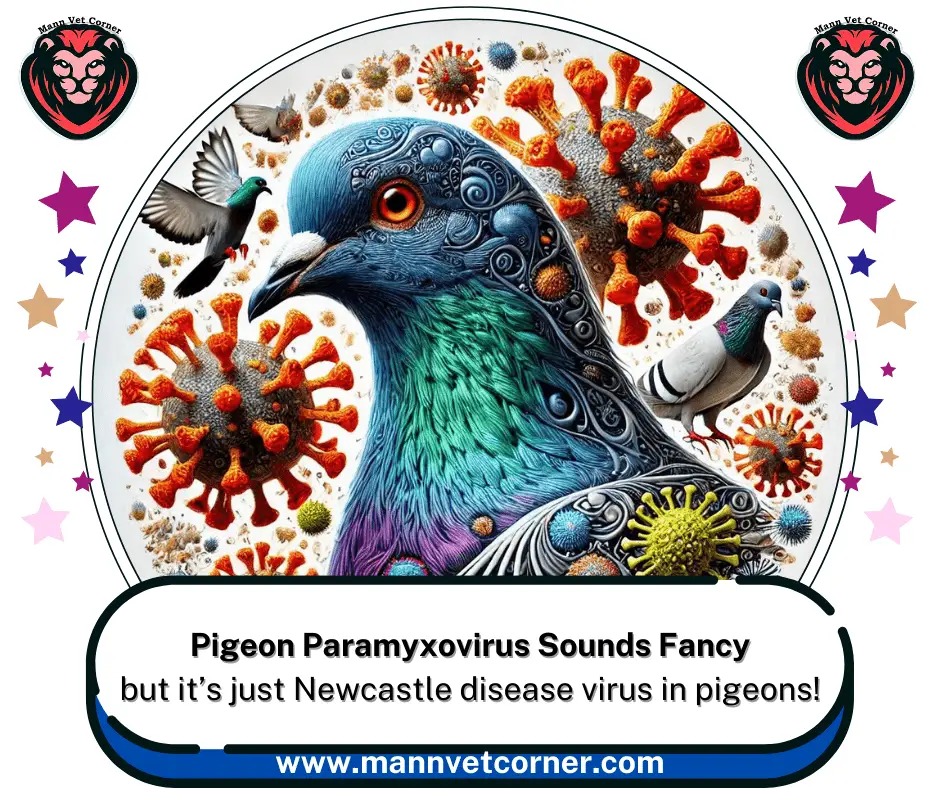
What is Pigeon Paramyxovirus-1 (PPMV-1)? Pigeon Paramyxovirus-1 (PPMV-1) is a virus that primarily affects pigeons but can infect other birds like chickens. Pigeon paramyxovirus ND virus sounds fancy but is closely related to the Newcastle Disease Virus. The virus can spread through direct contact with sick birds, and contaminated food, water, or equipment. Wild birds…