Latest posts
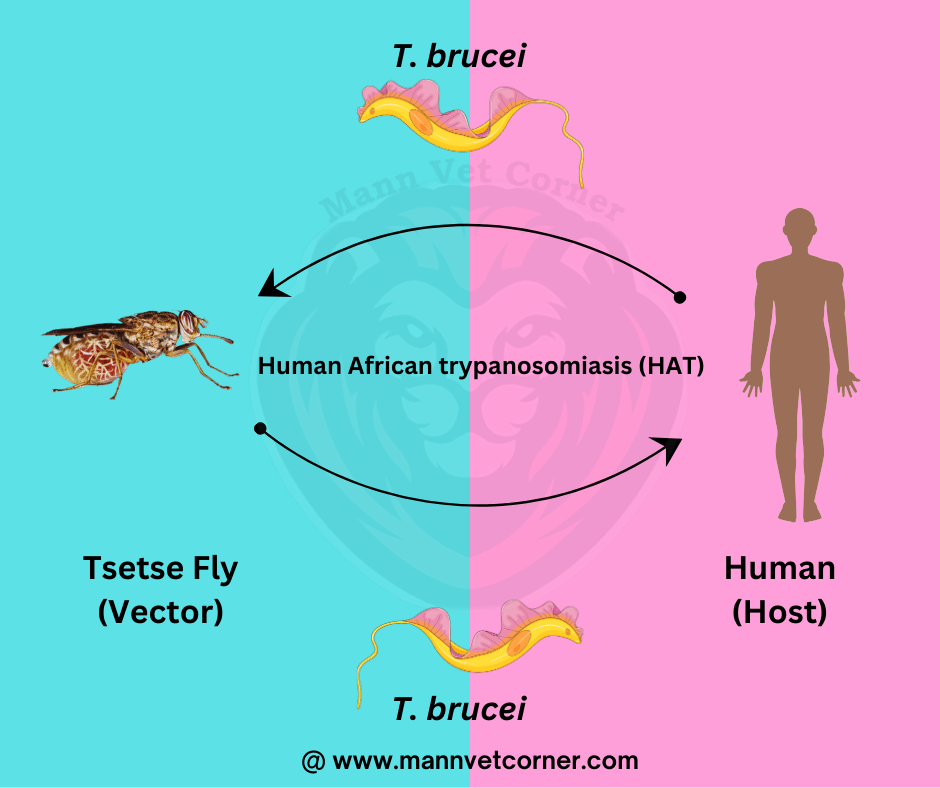
Trypanosomiasis: A Whole Story

The genus Trypanosoma comprises protozoan parasites responsible for significant diseases in humans and animals. These diseases, collectively known as trypanosomiasis, are transmitted through specific vectors and involve complex life cycles. This blog explores the detailed life cycle of Trypanosoma species, their clinical manifestations, pathogenesis, and strategies for prevention and control. Life Cycle of Trypanosoma Species…
African Horse Sickness: Past and Current Updates

Overview African Horse Sickness (AHS) is a highly fatal viral disease affecting equids, including horses, donkeys, and zebras. The disease is caused by the African Horse Sickness Virus (AHSV), a member of the Orbivirus genus within the Reoviridae family. It primarily circulates in sub-Saharan Africa and is transmitted by Culicoides biting midges. African horse sickness…
Antimicrobial Resistance (AMR) in Animals
Antimicrobial resistance (AMR) is an increasing worldwide issue that impacts the health of both humans and animals. In animal populations, AMR creates a considerable obstacle in managing and treating diseases, endangering public health due to potential zoonotic transmission and environmental pollution. This blog delves into the nature of AMR, its development process, contributing factors, negative…
Endangered Species: A Call to Action
The natural environment is in peril, with numerous animal species at risk or endangered species of extinction due to human actions, shifts in the environment, and various other influences. Safeguarding these species is crucial for preserving biodiversity and ensuring the well-being of ecosystems. In this blog post, we will examine their habitats, the reasons behind…
Eyeworm infection (Thelazia Spp)
Eyeworm infection commonly caused by Thelazia spp, is a parasitic condition affecting the eyes of various animals, including cattle, goats, horses, dogs, and cats. This condition, known as eyeworm infection, can occasionally affect humans, who serve as aberrant hosts for Thelazia spp. These parasitic nematodes belong to the genus Thelazia, with several species known to…
Global Mammal Population Distribution
The current data on mammal population distribution on Earth reveals a striking imbalance: Detailed Explanation Livestock: 60% Humans: 36% Wild Animals: 4% Implications of the Distribution Conclusion The data on mammal population distribution reveals a significant imbalance caused by human activity and the domestication of animals. This has profound implications for biodiversity, ecosystem health, and sustainability. Addressing these issues…