Latest posts
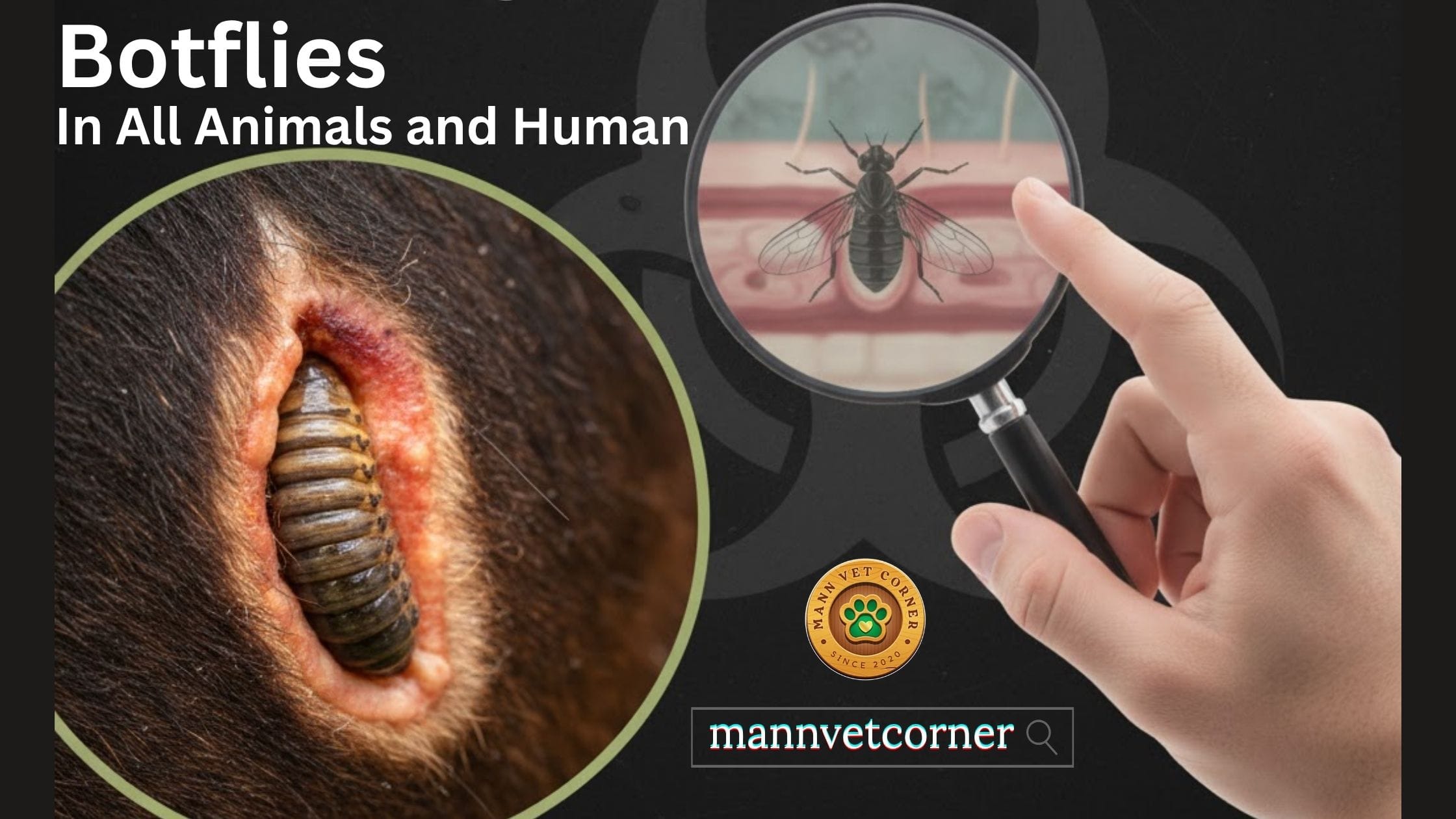
Botflies in All Animals and Human

Botflies represent one of nature’s most unsettling parasites and belonging to the family Oestridae. They are known for their larvae, which develop inside the bodies of mammals, including humans. The larvae can grow in the host’s flesh or within the gut, making them obligate internal parasites. One of the most notable species that affects humans…
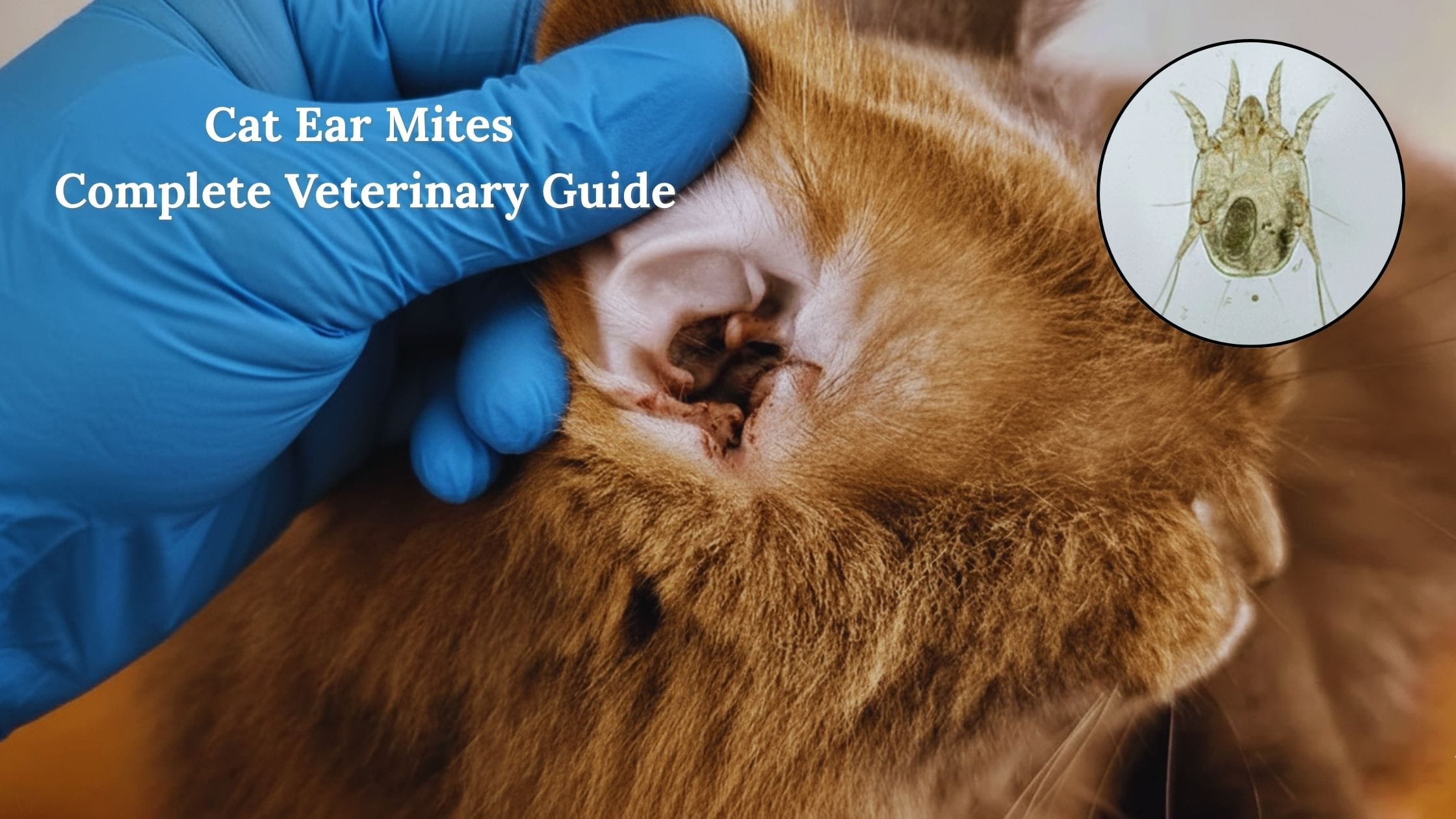
Cat Ear Mites: Complete Veterinary Guide
Quick Answer Ear mites (Otodectes cynotis) are microscopic parasites that infest cats’ ear canals, triggering intense itching, persistent head shaking, and dark brown discharge that resembles coffee grounds. Although highly contagious among pets, these parasites respond well to veterinary-prescribed medications like selamectin or moxidectin, with most cats recovering within 3-4 weeks of treatment. What Are…
Ear Mites in Cats: Natural Treatment and Cure Guide
If you’ve noticed your cat constantly scratching at their ears, shaking their head frantically, or producing a strange dark discharge, you’re likely dealing with ear mites. These microscopic parasites, scientifically known as Otodectes cynotis, are one of the most common ear problems in cats, particularly affecting kittens and cats who spend time outdoors. While veterinary…
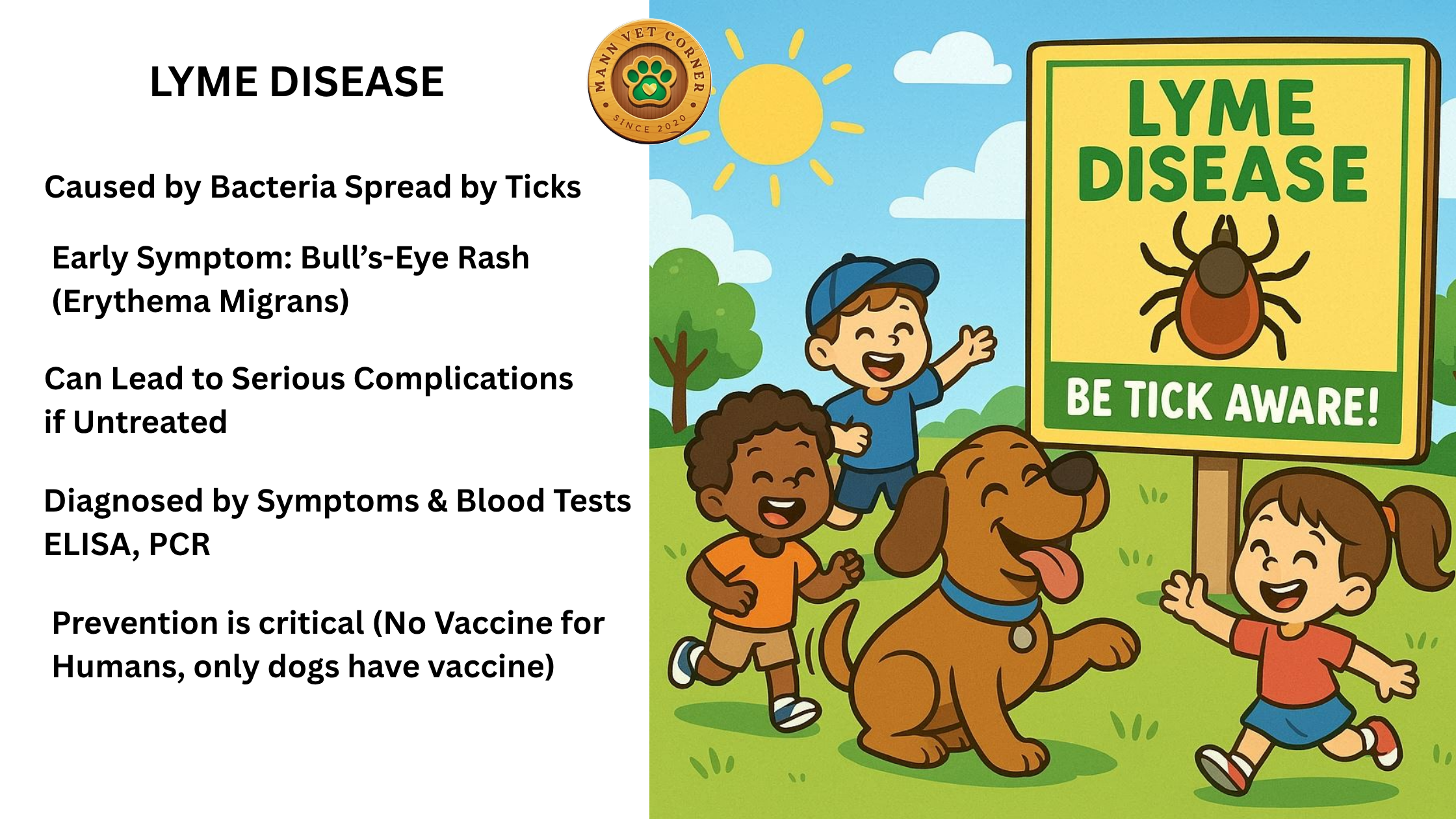
Lyme Disease
Lyme disease is a bacterial infection caused by Borrelia burgdorferi (and related species like Borrelia afzelii in Europe), transmitted primarily through bites from infected black-legged ticks (Ixodes scapularis in North America, Ixodes ricinus in Europe). It’s most common in temperate regions of North America, Europe, and Asia, with peak incidence in spring and summer when…
Salmonellosis in Chickens
Salmonellosis is a bacterial disease that affects chickens all over the world. It can make flocks very sick and even lead to death. This disease is also important for food safety because some types of Salmonella can make people sick if they eat contaminated poultry products. For poultry farmers and veterinarians, understanding Salmonellosis is key…
How Long Can Fleas Survive Without Pets? Vet Answers!

Key Points Flea Life Fleas go through four stages: egg, larva, pupa, and adult. Each stage has different survival needs, and without pets, the pupal stage is key to their persistence in a house. Survival Without Pets Unexpected Detail: Human Hosts Even without pets, fleas can bite humans, though they prefer animals with fur. This…
Common Parasites of Cats: Ultimate Guide

Cats are susceptible to various parasitic infections that can significantly impact their health and well-being. Recognizing cat parasites and their transmission methods, symptoms, preventive measures, and treatment options is essential for every cat owner. This article delves into the most common cat parasites affecting felines, including both internal and external types, and provides valuable insights…
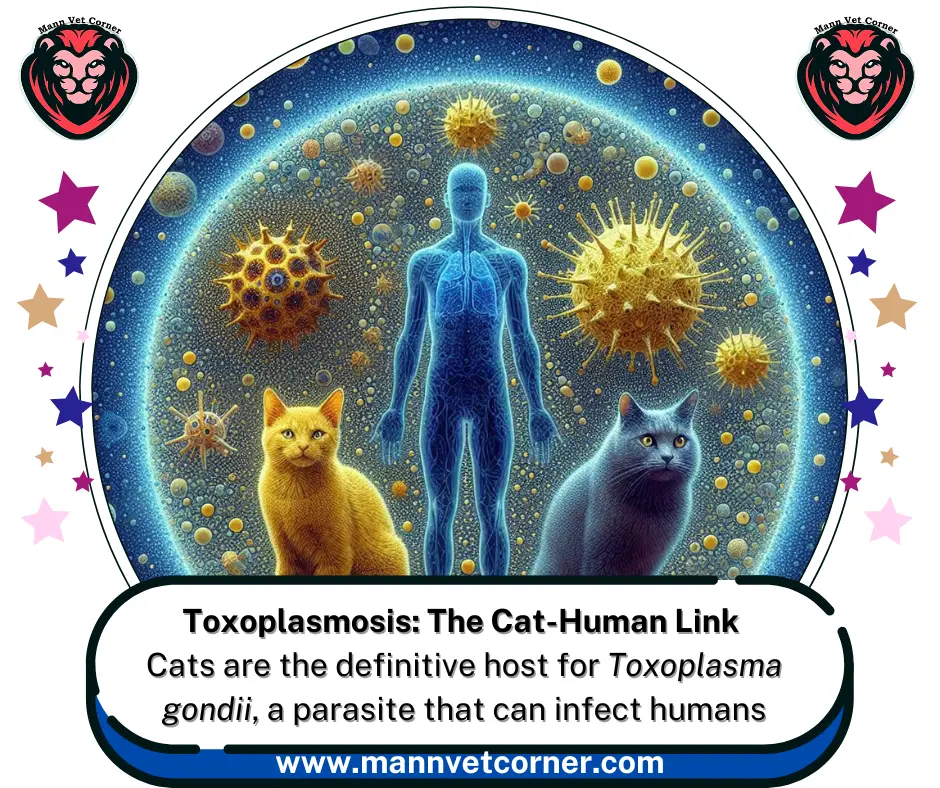
Toxoplasmosis: The Hidden Cat-Human Link
Hidden Cat-Human Linkage of Toxoplasmosis Cats are more than just adorable companions; they can also play a pivotal role in the life cycle of a parasite that might silently impact humans—Toxoplasma gondii. This microscopic organism, often referred to as the “mastermind parasite,” has a unique connection with cats as its definitive host. This means that…
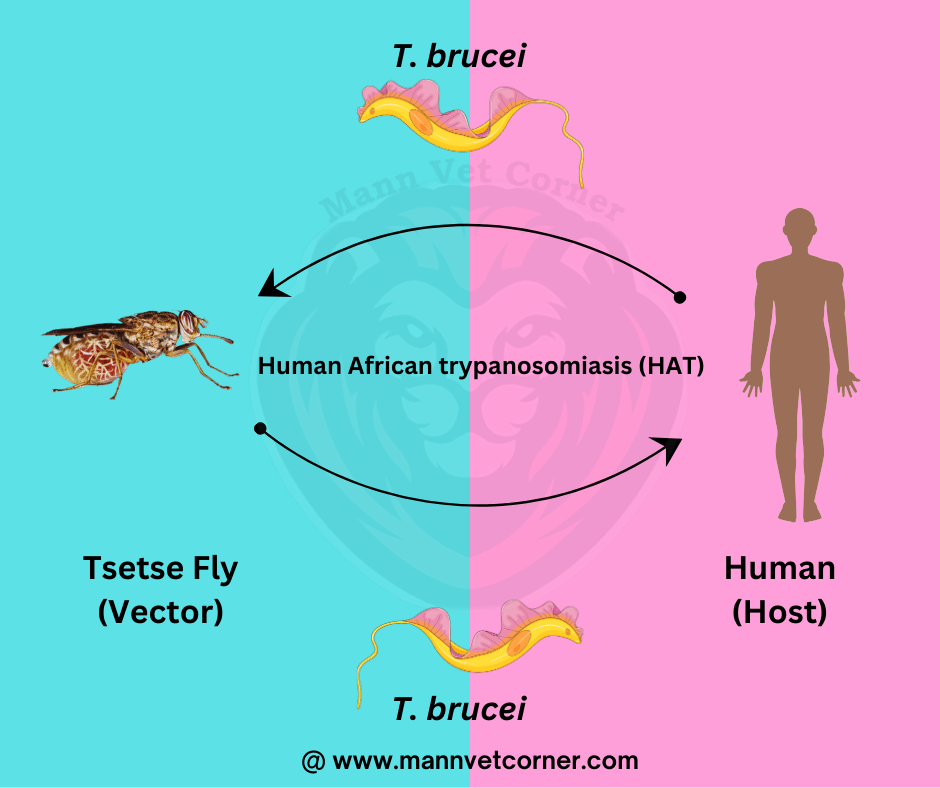
Trypanosomiasis: A Whole Story
The genus Trypanosoma comprises protozoan parasites responsible for significant diseases in humans and animals. These diseases, collectively known as trypanosomiasis, are transmitted through specific vectors and involve complex life cycles. This blog explores the detailed life cycle of Trypanosoma species, their clinical manifestations, pathogenesis, and strategies for prevention and control. Life Cycle of Trypanosoma Species…
African Horse Sickness: Past and Current Updates

Overview African Horse Sickness (AHS) is a highly fatal viral disease affecting equids, including horses, donkeys, and zebras. The disease is caused by the African Horse Sickness Virus (AHSV), a member of the Orbivirus genus within the Reoviridae family. It primarily circulates in sub-Saharan Africa and is transmitted by Culicoides biting midges. African horse sickness…