Latest posts
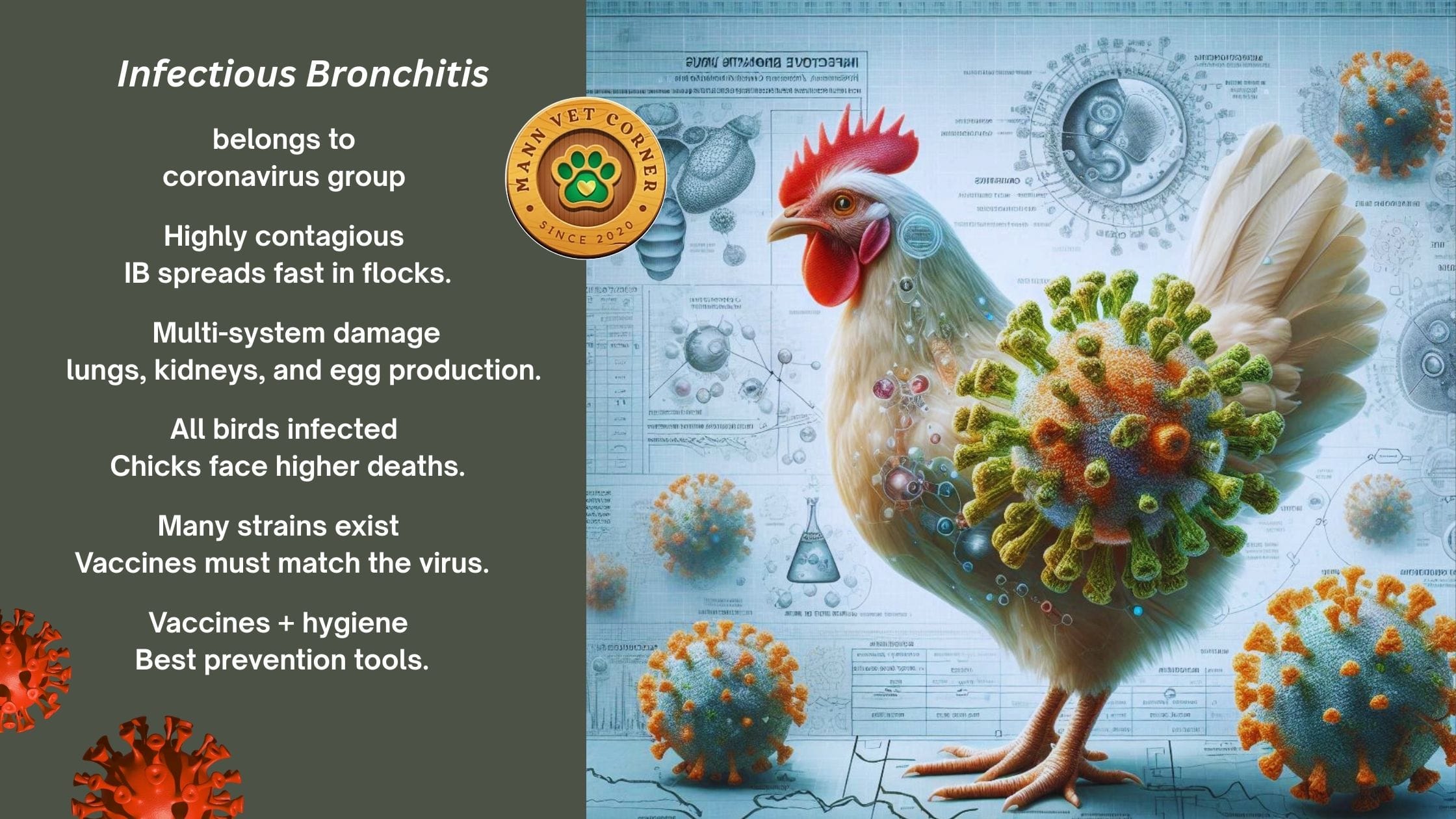
Infectious Bronchitis in Chickens

Introduction and History Infectious bronchitis (IB) is a highly contagious viral disease in chickens. It affects the respiratory, renal, and reproductive systems. Farmers first noticed infectious bronchitis in chickens in the 1930s. Experts in North Dakota, USA, described it in 1931. Schalk and Hawn saw young chicks gasping and acting weak. By 1933, scientists named it…
Newcastle Disease in Poultry
Newcastle disease (ND) is one of the most devastating viral infections in poultry, causing severe economic losses worldwide. The disease was first identified in 1926 in Newcastle-upon-Tyne, England, after an outbreak in imported birds. Since then, it has spread globally, with outbreaks reported in Asia, Africa, Europe, and the America. The virus is highly contagious, capable of wiping…
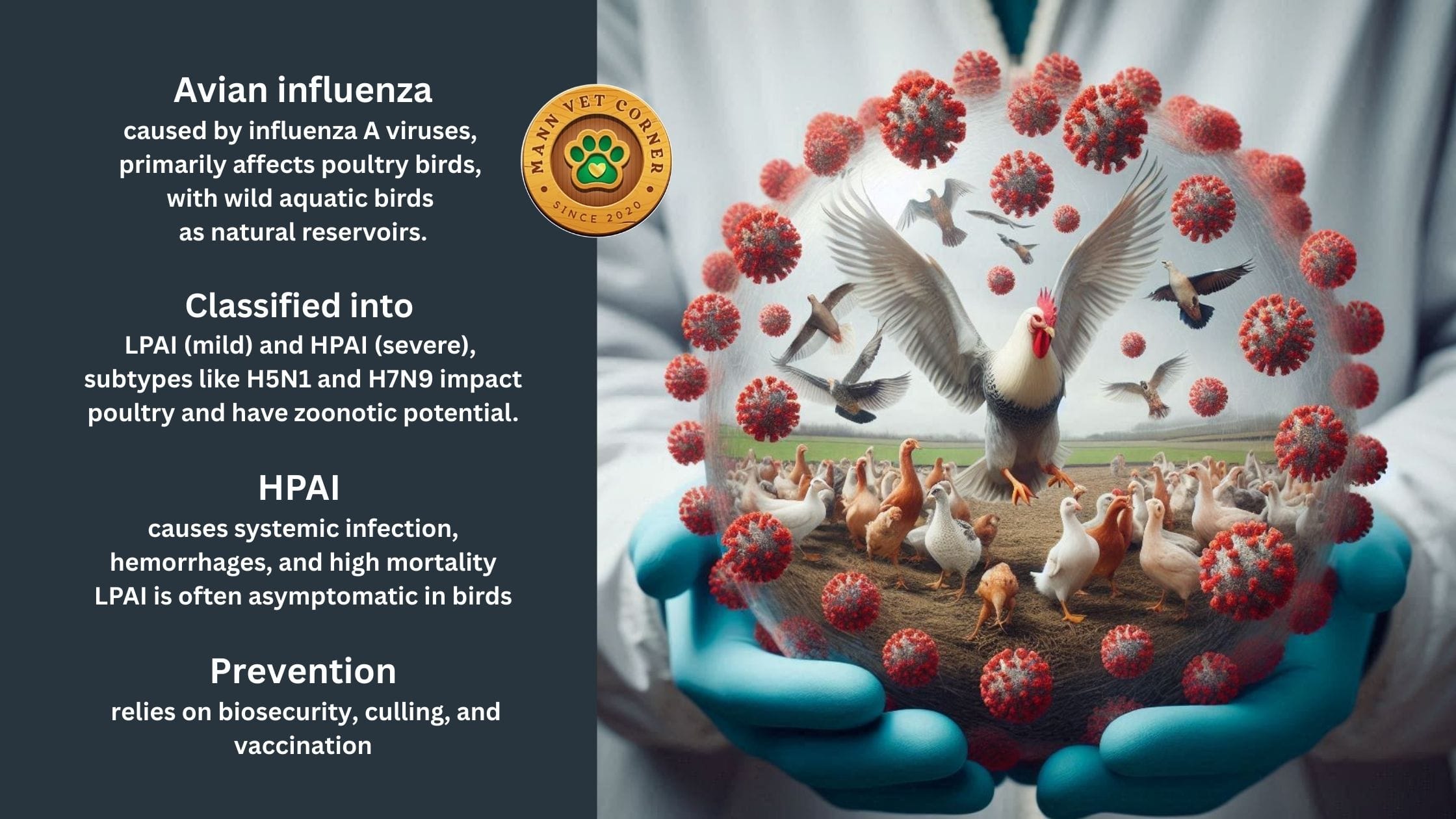
Avian Influenza
Introduction Avian influenza, commonly referred to as bird flu, is a highly contagious viral disease that primarily affects birds, both wild and domestic. It is caused by strains of the influenza A virus and can range from mild to severe forms, with significant economic impacts on poultry industries due to high mortality rates and trade…
Glossary of Clinical Vet Pathology: A to Z
Clinical veterinary pathology encompasses the study and diagnosis of diseases in animals through laboratory analysis of bodily fluids, tissues, and other specimens, involving disciplines like hematology, clinical biochemistry, cytology, urinalysis, and more. glossary of key terms commonly used in clinical veterinary pathology, organized alphabetically from A to Z. Each term will include a brief definition…
CCPP in Small Ruminants: A Vet’s Guide
CCPP small ruminants mycoplamsa
Canine Distemper: A Comprehensive Guide
Canine Distemper is a highly contagious and often fatal viral disease that affects dogs and other animals. It’s caused by the Canine Distemper Virus (CDV), a member of the paramyxovirus family. This disease can strike fear into the hearts of dog owners due to its severe symptoms and high mortality rate. In this blog, we’ll…
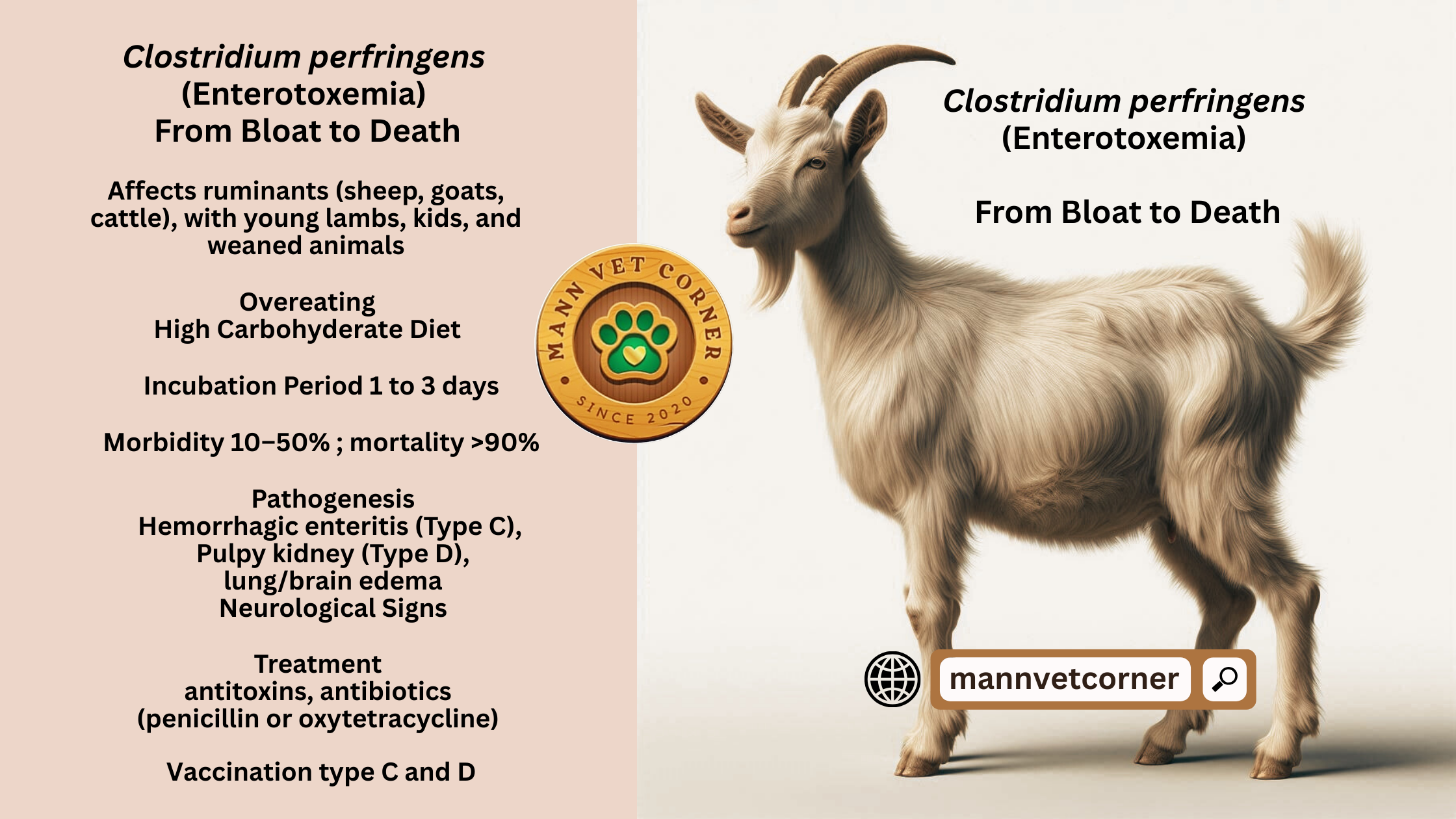
Clostridium perfringens (Enterotoxemia): From Bloat to Death
Enterotoxemia, often called “overeating disease,” is a serious bacterial condition that primarily affects ruminants like sheep, goats, and cattle. It’s caused by toxins produced by Clostridium perfringens, a bacterium found in the environment and the gut of many animals. This blog dives nto the etiology, host susceptibility, incubation period, clinical signs, morbidity and mortality, pathogenesis,…
FMD: A Viral Disease of Cloven Hoofed Animals
Foot-and-Mouth Disease (FMD) is one of the most contagious viral diseases affecting cattle and other cloven-hoofed animals. Its rapid spread and economic impact make it a significant concern for farmers, veterinarians, and policymakers worldwide. This blog provides a detailed exploration of FMD in cattle, covering its etiology, host susceptibility, incubation period, clinical signs and symptoms,…
PPR: A Deadly Goat Disease
Introduction Peste des Petits Ruminants, commonly known as PPR or goat plague, represents one of the most economically devastating viral diseases affecting small ruminant farming across Africa, the Middle East, and Asia. This highly contagious disease has the potential to cause high mortality rates reaching as high as 90 percent in susceptible herds. The global…
Calf Diarrhea: From Signs to Deadly Scours
Calf scours, commonly known as neonatal calf diarrhea, is a widespread disease that affects young calves across the globe. This condition is marked by sudden diarrhea, which can lead to dehydration, electrolyte imbalances, and even death if not addressed promptly. For livestock producers, calf scours is a major concern because it impacts calf health, slows…