Latest posts
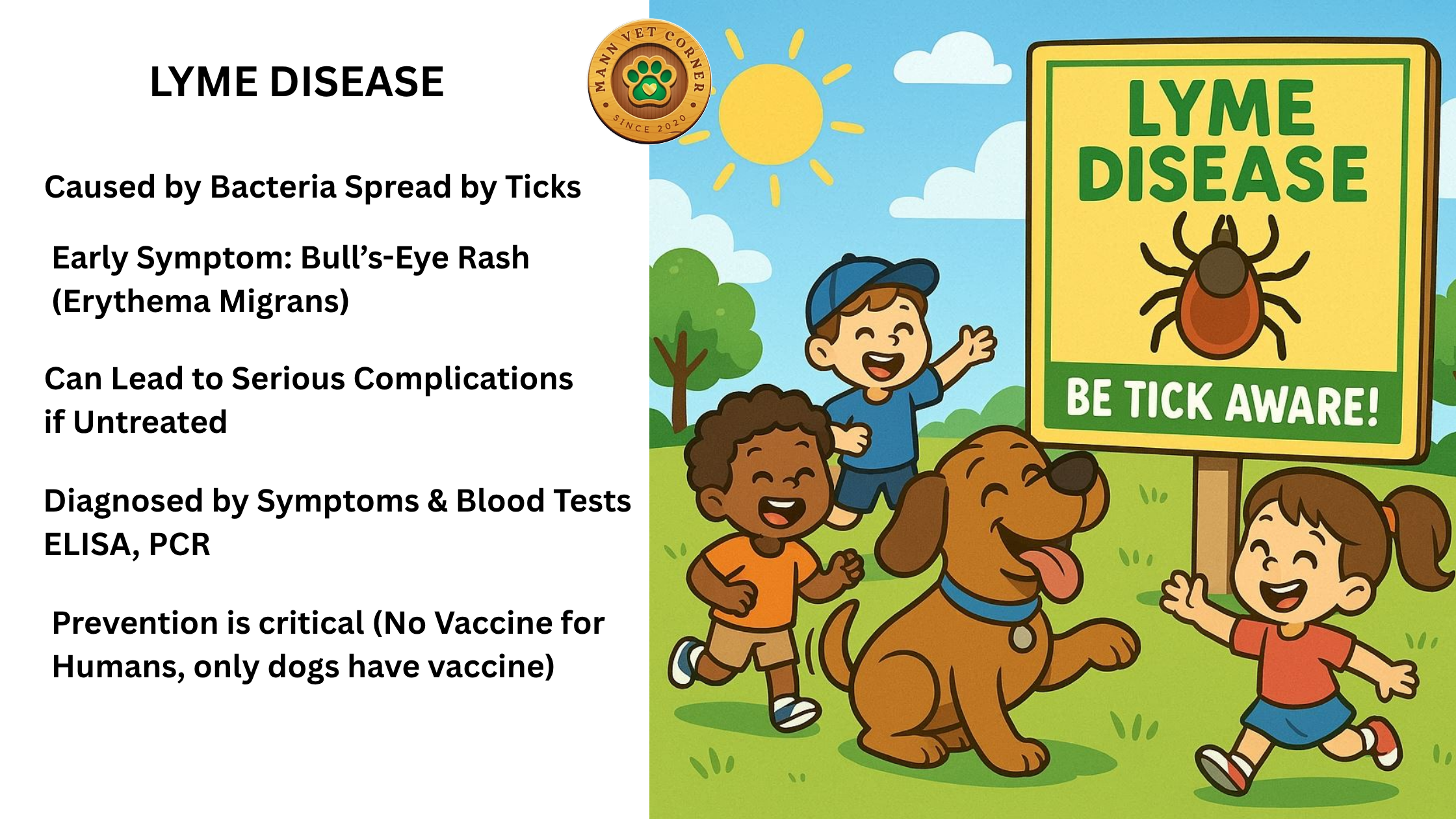
Lyme Disease

Lyme disease is a bacterial infection caused by Borrelia burgdorferi (and related species like Borrelia afzelii in Europe), transmitted primarily through bites from infected black-legged ticks (Ixodes scapularis in North America, Ixodes ricinus in Europe). It’s most common in temperate regions of North America, Europe, and Asia, with peak incidence in spring and summer when…
Glossary of Dairy and Meat Science: A to Z
This dairy and meat science terminology, presented in alphabetical order from A to Z. Each term is accompanied by a brief definition to provide clarity on its relevance to dairy and meat science. This glossary covers the broad scope of dairy and meat science, including milk production, milk and meat processing, dairy and meat products,…
Ethics of Live Animals in Art: Vet View

Introduction The use of live animals in art has long been a topic of debate. Artists like Damien Hirst, famous for his preserved sharks, and others who feature live creatures in performances have pushed boundaries. But this practice raises big ethical questions, especially from a veterinary perspective. Veterinarians care deeply about animal health and welfare.…
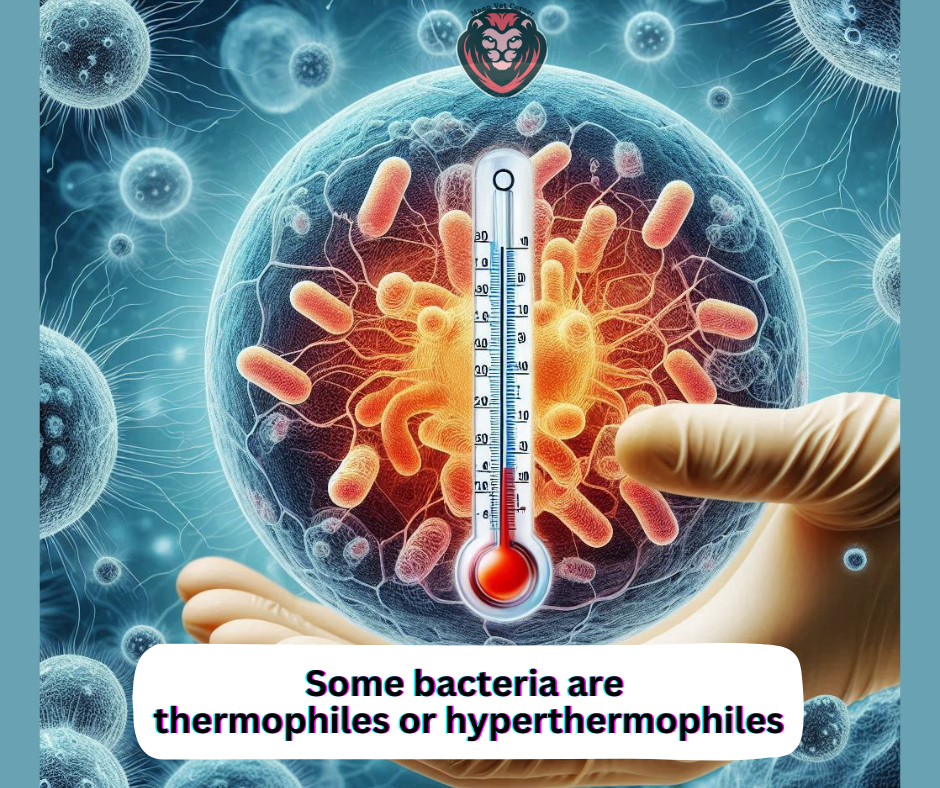
Which Food is at a Temperature That Allows Bacteria to Grow Well?

Food safety is essential for preventing bacterial contamination and foodborne illnesses. Did you know that bacteria can double in number every 20 minutes within the “danger zone” of 40°F to 140°F? Certain foods, like meat, dairy, and cooked rice, are particularly at risk if not stored properly. To keep your meals safe, it’s crucial to…