
Horse owners and equestrian professionals face numerous challenges when managing equine hoof health. Horseshoe problems represent a significant concern that affects horses worldwide, ranging from minor discomfort to severe lameness that can end a horse’s career. Understanding these issues, their causes, and effective solutions helps horse owners maintain optimal hoof health and prevent costly veterinary interventions.
This comprehensive guide explores the most common horseshoe problems, their underlying causes, warning signs, and evidence-based treatment approaches that farriers and veterinarians recommend.
Understanding Horseshoe Problems: Why Proper Hoof Care Matters
Horses evolved to travel long distances barefoot across varied terrain. Modern horseshoes protect hooves from excessive wear on hard surfaces, but they also introduce potential complications. The equine hoof functions as a complex biomechanical structure that absorbs shock, pumps blood, and adapts to ground surfaces. When horseshoes interfere with these natural functions or when shoeing techniques prove inadequate, problems develop rapidly.
Research indicates that approximately 60-70% of lameness cases involve the hoof or lower limb structures. Many of these issues connect directly to horseshoe-related problems, making proper farrier care essential for equine soundness and performance.

Improper Shoeing Techniques and Their Consequences
Poor horseshoeing technique remains one of the most preventable causes of equine hoof problems. When farriers lack experience or rush through the shoeing process, horses suffer both immediate and long-term consequences.
Hoof Wall Separation and Structural Damage
Hoof wall separation occurs when the outer wall pulls away from the inner sensitive structures of the hoof. Improper shoeing contributes to this condition through excessive rasping, incorrect nail placement, or shoes that don’t match the hoof’s natural shape. As the wall separates, it creates pockets where debris and bacteria accumulate, leading to infections and further deterioration.
Farriers must carefully balance hoof preparation with preservation of the wall’s integrity. Excessive trimming weakens the hoof capsule, while inadequate preparation prevents proper shoe fit. This delicate balance requires skill, experience, and attention to each horse’s individual hoof conformation.
Collapsed Heels and Contracted Hoof Syndrome
Collapsed heels develop when the back portion of the hoof loses structural support and folds inward. This condition often results from shoes that extend too far forward, preventing natural heel expansion during weight-bearing. Over time, the digital cushion atrophies, blood circulation diminishes, and the frog shrinks from lack of ground contact.
Horses with collapsed heels experience discomfort, shortened stride, and compensatory gait changes that stress tendons and ligaments throughout the limb. Corrective shoeing, including bar shoes or specialized therapeutic shoes, helps restore proper heel structure, though recovery requires months of careful management.
Nail Bind and Nail Prick Injuries
Nail bind occurs when horseshoe nails drive too close to the sensitive laminae without actually penetrating them. Horses with nail bind show immediate discomfort, reluctance to bear full weight, and sensitivity to hoof testers. The pressure from the misplaced nail causes inflammation and pain, though no puncture wound exists.
Nail prick, sometimes called a “hot nail,” represents a more serious injury where the nail actually penetrates sensitive tissue. Horses typically react violently during the shoeing process when this occurs. Immediate removal of the offending nail and proper wound care prevents infection, though abscesses may still develop days later if bacteria enter the puncture site.
Overreaching and Forging Damage
Overreaching happens when the hind hoof strikes the front heel during movement, often pulling off front shoes or causing injury to the bulbs of the heel. Horses with long toes and low heels show increased susceptibility to overreaching, as do those in disciplines requiring sudden stops or turns.
Proper trimming addresses many overreaching issues by improving hoof balance and breakover timing. Farriers may also recommend specialized shoes with rolled toes or trailers that protect the heel area while encouraging proper limb mechanics.
Hoof Wall Problems Related to Horseshoes
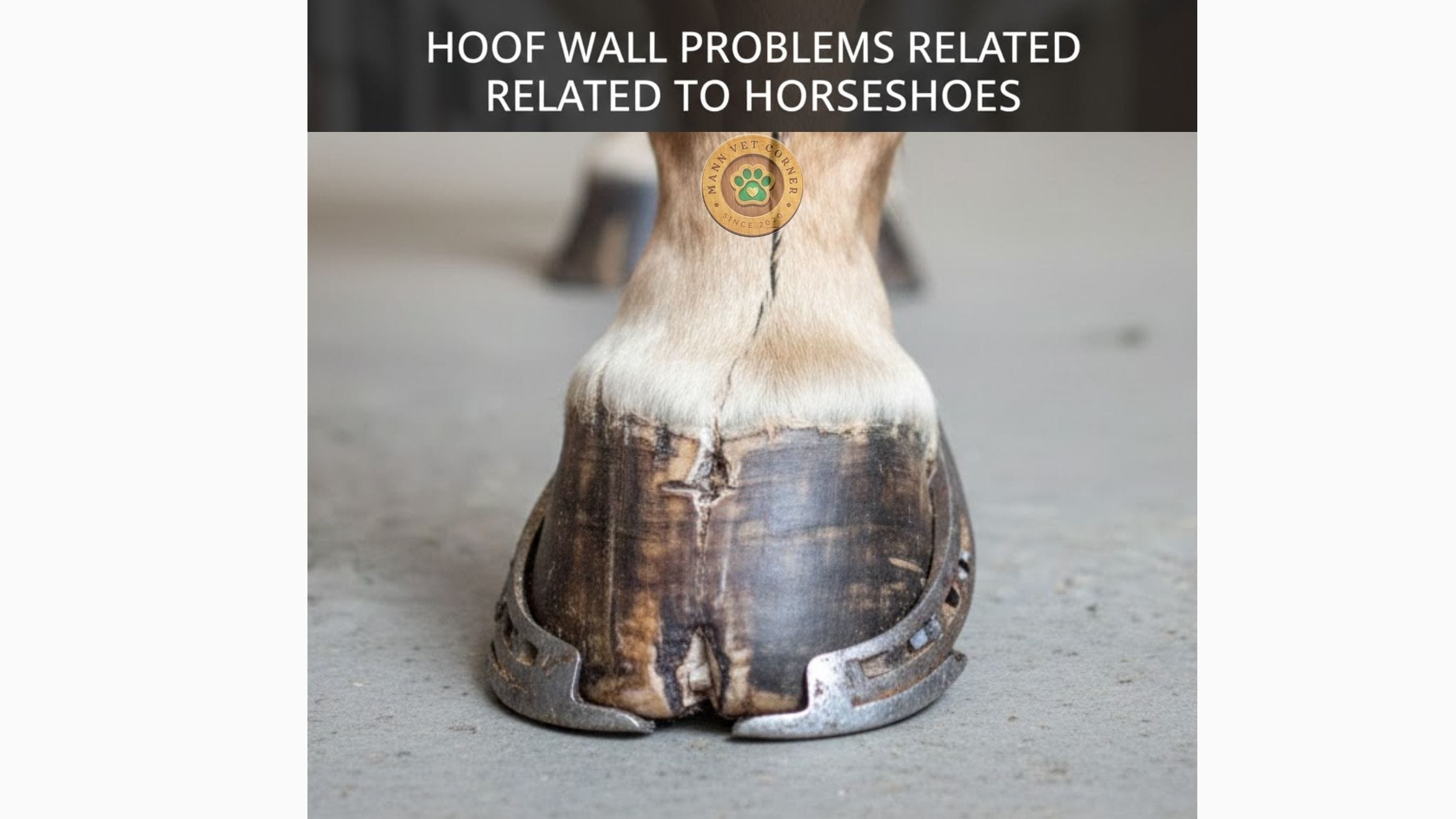
The hoof wall serves as the foundation for horseshoe attachment, but various conditions compromise its strength and integrity. Horseshoes can both contribute to and help manage these conditions, depending on application quality and ongoing maintenance.
Hoof Cracks and Quarter Cracks
Hoof cracks originate from multiple causes including injury, poor hoof quality, nutritional deficiencies, and mechanical stress from improper shoeing. These cracks propagate from either the ground surface upward or from the coronary band downward, creating pathways for infection and causing lameness when they extend into sensitive structures.
Quarter cracks specifically affect the area between the toe and heel on the hoof’s side. These cracks prove particularly troublesome because they occur in a high-stress zone that bears significant weight during movement. Horses working on hard surfaces or those with thin hoof walls show increased vulnerability to quarter crack development.
Farriers employ various techniques to manage hoof cracks, including specialized stabilization clips, acrylic patches, and therapeutic shoes that redistribute weight away from the crack. Success depends on addressing the underlying cause, whether that involves nutrition, trimming balance, or environmental factors.
White Line Disease and Seedy Toe
White line disease, commonly known as seedy toe, destroys the connection between the hoof wall and the sole. Fungal and bacterial organisms invade the white line area, creating hollow spaces filled with crumbly material. This separation progresses upward, potentially undermining large portions of the hoof wall.
Horseshoes can contribute to white line disease when they trap moisture against the hoof or when nail holes create entry points for opportunistic organisms. However, therapeutic shoeing also plays a crucial role in treatment by stabilizing affected areas while farriers remove diseased tissue and promote new hoof growth.
Prevention focuses on maintaining clean, dry environments, proper hoof balance, and regular farrier visits that identify early changes in white line integrity before extensive damage occurs.
Infectious Hoof Conditions Affecting Shod Horses
Bacteria and fungi thrive in the warm, moist environment created by horseshoes, particularly when hygiene standards decline or when hooves remain wet for extended periods. These infections cause significant discomfort and require prompt treatment to prevent complications.
Thrush: Frog Infection and Deterioration
Thrush represents one of the most common hoof infections affecting horses. Anaerobic bacteria colonize the frog’s central sulcus and collateral grooves, producing a characteristic black discharge with a foul odor. As thrush progresses, it destroys healthy frog tissue, creating deep crevices that extend toward sensitive structures.
Horseshoes contribute to thrush development when they prevent the frog from contacting the ground. Without regular pressure, the frog atrophies and becomes more susceptible to bacterial invasion. Dirty stall conditions, inadequate hoof picking, and wet environments accelerate thrush development in shod horses.
Treatment involves aggressive removal of diseased tissue, application of antimicrobial products, and environmental modifications that keep hooves dry and clean. Many farriers recommend frog-supporting shoes or pads that encourage frog pressure while protecting it from excessive moisture.
Hoof Abscesses: Severe Pain and Lameness
Hoof abscesses develop when bacteria enter through cracks, puncture wounds, or nail holes, establishing infection within the sensitive hoof structures. The trapped infection creates pressure as pus accumulates, causing severe lameness that often appears suddenly. Horses with abscesses may refuse to bear weight on the affected limb and show marked sensitivity to hoof testers.
Horseshoe nails create potential entry points for abscess-causing bacteria, particularly when nails penetrate damaged white line tissue or when nail holes remain from previous shoeings. Abscesses can also form when horses step on sharp objects that penetrate the sole, a risk that increases when shoes prevent horses from feeling ground surfaces before committing full weight.
Abscess treatment requires establishing drainage, either by removing the shoe and opening the abscess tract or by allowing it to rupture naturally at the coronary band. Soaking the hoof in warm water with Epsom salts draws out infection, while protective bandaging prevents contamination during healing. Most horses recover quickly once drainage occurs, though deep infections may require veterinary attention and antibiotic therapy.
Serious Lameness Conditions Related to Horseshoes
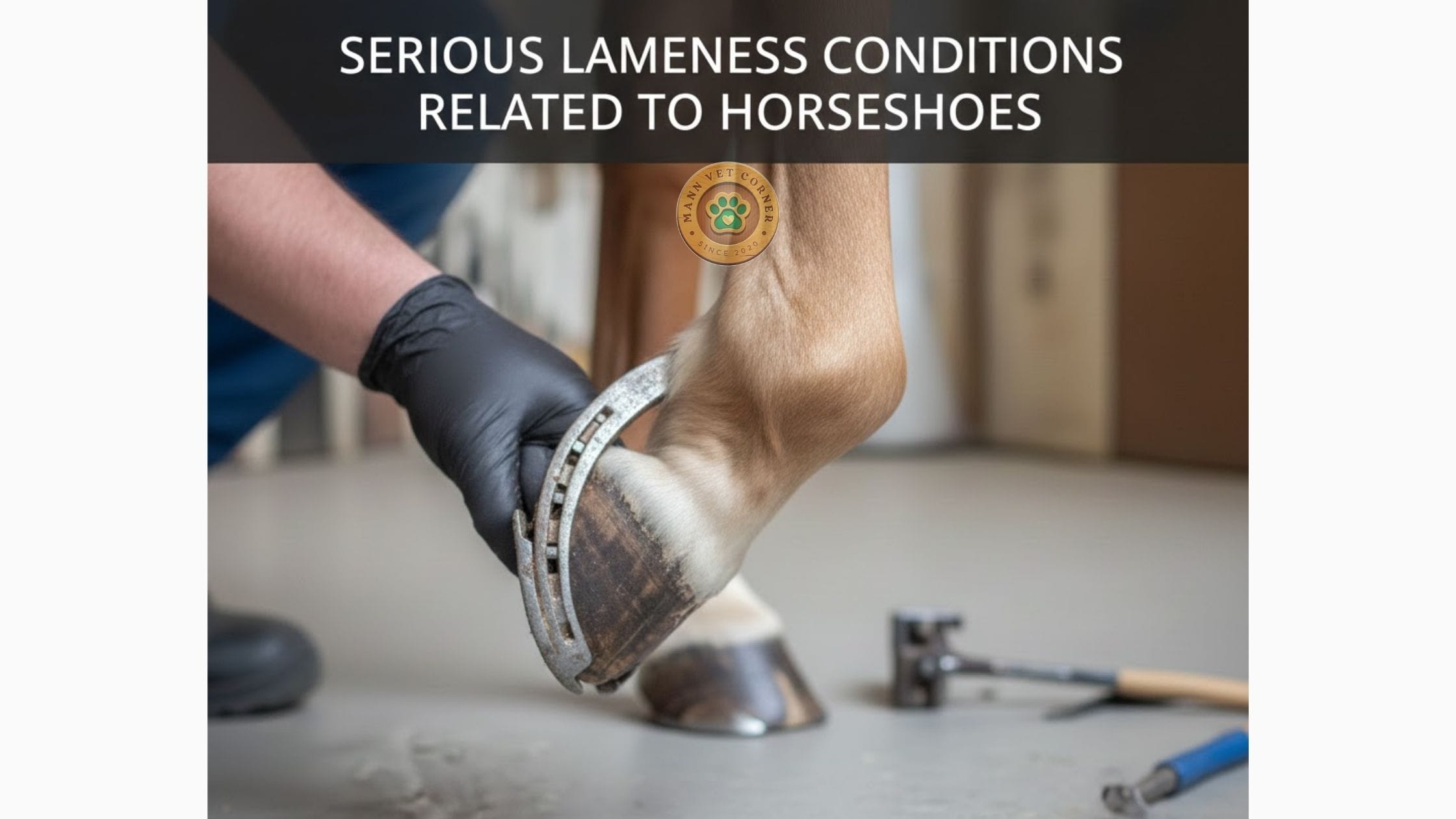
Some hoof conditions cause chronic lameness that dramatically affects a horse’s quality of life and athletic performance. While horseshoes don’t directly cause these conditions, they influence their development and play important roles in therapeutic management.
Laminitis: Inflammation of Hoof Laminae
Laminitis occurs when the sensitive laminae connecting the hoof wall to the coffin bone become inflamed and damaged. This devastating condition causes intense pain, founder (rotation of the coffin bone), and potential permanent disability. Multiple factors trigger laminitis, including metabolic disorders, excessive grain consumption, toxins, and mechanical stress from improper hoof balance.
Horses with laminitis stand with their weight shifted backward onto their heels, attempting to relieve pressure from painful toe regions. The classic laminitic stance, heat in the hooves, and increased digital pulses alert owners to this emergency condition that requires immediate veterinary intervention.
Therapeutic horseshoeing provides critical support during laminitis treatment and recovery. Heart bar shoes distribute weight across the entire hoof capsule, supporting the dropped coffin bone and encouraging proper alignment. Farriers work closely with veterinarians to adjust shoeing strategies based on radiographic findings and the horse’s response to treatment.
Navicular Syndrome: Chronic Heel Pain
Navicular syndrome encompasses a group of conditions affecting the navicular bone, its supporting ligaments, and the deep digital flexor tendon. Horses with navicular disease experience chronic heel pain that causes shortened stride, toe-first landing, and progressive lameness. The condition primarily affects front feet and shows strong associations with specific conformational types and certain disciplines.
Horseshoes influence navicular syndrome development through their effects on hoof mechanics. Shoes with long toes and low heels increase tension on the deep digital flexor tendon, stressing the navicular apparatus. Conversely, therapeutic shoeing with raised heels, rolled toes, or specialized bar shoes can significantly reduce pain and improve function in navicular horses.
Treatment combines corrective farrier work, anti-inflammatory medications, controlled exercise, and sometimes surgical intervention. Many horses with proper management continue productive careers despite navicular changes, though the condition requires ongoing attention and may limit athletic pursuits.
Hoof Injuries Associated with Horseshoes
Horses suffer various acute injuries related to their shoes, from puncture wounds to traumatic shoe loss. These injuries require prompt recognition and appropriate treatment to prevent complications and restore soundness.
Puncture Wounds and Street Nail Injuries
Puncture wounds occur when sharp objects penetrate the sole, a risk that paradoxically increases with horseshoes because they prevent horses from feeling objects before applying full weight. Street nails, screws, and wire fragments commonly cause these injuries, particularly in horses working in construction areas or on public roads.
The severity of puncture wounds depends on their location and depth. Penetrations in the central third of the frog pose the greatest danger because they may enter the navicular bursa, coffin joint, or deep digital flexor tendon sheath. These structures lack effective barriers against infection, and contamination can cause career-ending septic conditions.
Immediate veterinary examination determines puncture depth and involvement of critical structures. Radiographs help identify retained foreign material and assess bone damage. Treatment typically includes wound exploration, antimicrobial therapy, tetanus prophylaxis, and sometimes surgical debridement. Horses with simple sole punctures usually recover fully, while those with deep structure involvement require extensive treatment and face guarded prognoses.
Torn and Lost Shoes
Shoes tear off during turnout, trail riding, or when horses step on them with opposite feet. Lost shoes expose the hoof to excessive wear and create emergency situations when horses must continue working. Torn shoes often damage the hoof wall, ripping out chunks of tissue and creating ragged edges that require careful trimming.
Some horses learn to pull their own shoes, particularly when bored or when shoes loosen between farrier appointments. This behavior damages hooves through repeated trauma and increases injury risk from protruding nails or twisted shoes.
Prevention focuses on proper shoe fit, adequate nail quantity and placement, and regular farrier maintenance before shoes loosen naturally. Horses prone to losing shoes may benefit from alternative attachment methods, including glue-on shoes or hoof boots for specific activities.
How Horseshoes Impair Natural Hoof Function
Despite their protective benefits, horseshoes fundamentally alter hoof biomechanics in ways that can create long-term problems. Understanding these effects helps horse owners make informed decisions about shoeing necessity and management strategies.
Restricted Hoof Expansion and Blood Flow
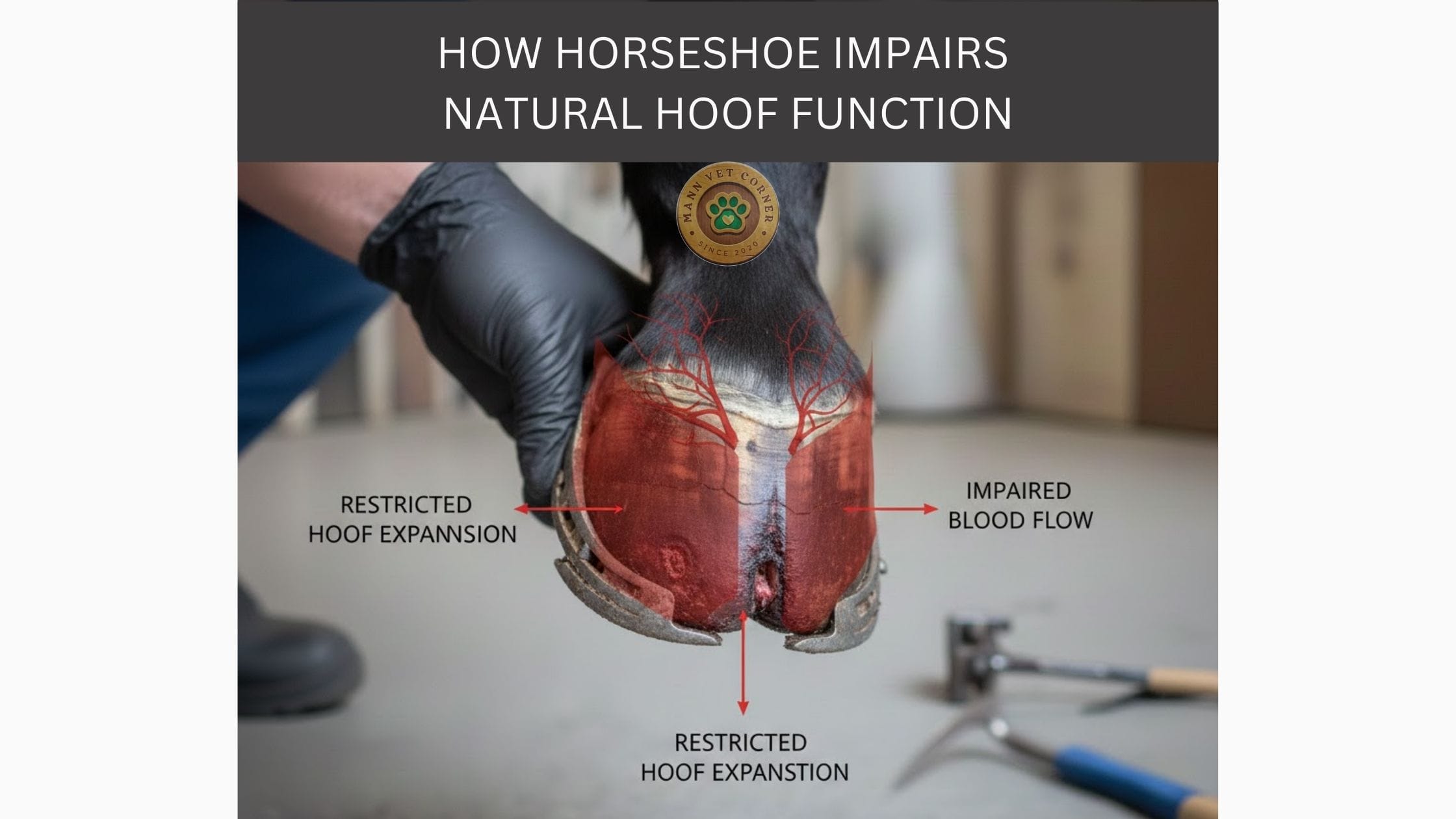
Healthy hooves expand and contract with each step, a mechanism that pumps blood through the foot and absorbs concussive forces. This expansion occurs primarily in the heel region, where the hoof capsule widens during weight-bearing and narrows during the swing phase. Horseshoes, particularly those with clips or nails extending into the quarter regions, restrict this natural expansion.
Reduced hoof expansion decreases circulatory efficiency within the foot. The digital cushion receives less stimulation, eventually atrophying and losing its shock-absorbing properties. Frog pressure diminishes when shoes elevate the hoof off the ground, further compromising the foot’s natural pumping action. These changes accumulate over time, potentially leading to contracted heels, thin soles, and increased susceptibility to concussion-related injuries.
Reduced Shock Absorption and Joint Stress
Horseshoes create a rigid interface between the hoof and ground, transmitting more concussive force through the limb compared to barefoot conditions. Steel shoes lack the cushioning properties of the natural hoof capsule and fail to deform with ground contact the way bare hooves do. This increased shock transmission stresses joints throughout the limb, potentially contributing to arthritis, ringbone, and other degenerative conditions.
Horses working on hard surfaces experience the most significant concussive forces, particularly those in racing, jumping, or extended roadwork. While shoes protect against excessive wear in these situations, they simultaneously increase mechanical stress on joints and soft tissues. Farriers address this through shock-absorbing pads, softer shoe materials, or alternative shoeing systems that preserve more natural hoof function.
Development of Contracted Heels
Contracted heels develop when the back portion of the hoof becomes narrow and upright, losing its normal wide, open configuration. This condition results from chronic restriction of heel expansion, reduced frog pressure, and inadequate stimulation of the digital cushion. Horseshoes contribute significantly to contracted heel development, particularly when shoes remain on continuously without barefoot periods.
Horses with contracted heels show shortened stride, heel-first landing pattern changes, and increased risk of other hoof pathologies. The narrowed heel base provides less support for the structures within the foot, increasing stress concentrations and pain. Treatment requires months of corrective work, including specialized shoes that encourage heel expansion, controlled barefoot time, and sometimes surgical intervention to release contracted tissues.
Prevention Strategies and Best Practices for Hoof Health
Preventing horseshoe problems proves far easier and less expensive than treating established conditions. A comprehensive approach combining skilled farrier work, proper management, and attentive observation maintains optimal hoof health and prevents most common problems.
Selecting a Qualified Farrier
The foundation of successful horseshoeing rests on the farrier’s skill, knowledge, and attention to detail. Qualified farriers complete formal training programs, pursue continuing education, and demonstrate competency through certification processes. Horse owners should verify credentials, seek references, and observe farriers working before committing to regular service.
Experienced farriers assess each horse individually, considering conformation, workload, hoof quality, and any existing problems. They communicate clearly about their observations and recommendations, explaining their approach and answering owners’ questions. Red flags include farriers who rush through appointments, ignore obvious problems, or show reluctance to work with veterinarians on therapeutic cases.
Establishing Proper Shoeing Intervals
Regular farrier visits maintain proper hoof balance and prevent problems that develop as hooves grow and shoes loosen. Most horses require shoeing every four to eight weeks, depending on hoof growth rate, shoe wear, and work intensity. Waiting too long between appointments allows hooves to become unbalanced, shoes to shift, and nails to loosen, creating conditions for injury and hoof damage.
Owners should schedule farrier appointments before shoes become noticeably loose or worn. Setting up regular schedules ensures consistent care and prevents the temptation to delay service when horses appear sound. Emergency visits for lost shoes or sudden lameness cost more and disrupt farriers’ schedules, making prevention through timely maintenance economically sensible.
Environmental Management and Hygiene
Clean, dry living conditions dramatically reduce infectious hoof problems in shod horses. Daily stall cleaning removes manure and wet bedding that harbor thrush-causing bacteria. Turnout areas should provide well-drained footing that doesn’t create persistently muddy conditions. Horses standing in wet environments for extended periods develop softened, weakened hooves vulnerable to infection and mechanical damage.
Daily hoof picking removes packed debris from the sole and frog, allowing inspection for early signs of problems. This simple practice prevents stone bruises, identifies developing thrush before it becomes severe, and alerts owners to loose shoes, cracks, or other concerns requiring farrier attention. Teaching horses to accept hoof handling calmly makes daily care easier and safer for both horse and handler.
Nutritional Support for Hoof Quality
Hoof health depends on adequate nutrition, particularly sufficient protein, minerals, and vitamins that support keratin production and tissue strength. Horses consuming poor-quality forage or unbalanced diets often develop weak, crumbly hooves that crack easily and hold shoes poorly. Biotin supplementation improves hoof quality in many horses, though results require months of consistent use before becoming apparent.
Balanced mineral intake, particularly copper and zinc in proper ratios, supports hoof integrity and resistance to infection. Selenium and vitamin E provide antioxidant protection for hoof tissues, while adequate protein supplies amino acids necessary for strong hoof wall growth. Consultation with equine nutritionists ensures horses receive appropriate nutrients for optimal hoof development without excessive supplementation that creates imbalances.
Corrective and Therapeutic Shoeing Solutions
When problems develop, specialized shoeing techniques address specific conditions and support healing. Therapeutic farrier work requires advanced knowledge, creativity, and willingness to modify standard approaches based on individual horse responses.
Bar Shoes and Heart Bar Applications
Bar shoes feature a metal bar connecting the heels, providing support across the entire hoof and preventing heel expansion. These shoes benefit horses with weak heels, certain crack patterns, or conditions requiring distributed weight-bearing. Heart bar shoes include a bar that extends forward under the frog, supporting dropped coffin bones in laminitic horses while encouraging frog pressure and circulation.
Proper application of bar shoes demands precision in fitting and careful attention to bar placement and pressure distribution. Incorrectly applied bar shoes create more problems than they solve, potentially bruising the frog or creating uneven weight distribution. These shoes typically require more frequent adjustments than standard shoes as hooves respond to treatment and change shape.
Glue-On Shoes and Composite Materials
Glue-on shoes attach directly to the hoof wall without nails, eliminating puncture wounds and allowing use on horses with poor hoof wall quality. Composite materials offer lighter weight and some shock absorption compared to steel shoes, though they wear more quickly and cost more. These alternatives suit horses with thin walls, chronic nail bind problems, or those requiring temporary protection during hoof wall regrowth.
Application technique significantly affects glue-on shoe success. The hoof wall must be completely clean and dry, adhesive must cure properly, and shoes must be positioned accurately. These shoes generally don’t withstand the same forces as nailed shoes, making them better suited for light work or turnout protection rather than intense athletic activities.
Hoof Boots as Temporary Protection
Hoof boots provide temporary protection for barefoot horses or emergency coverage when shoes are lost. Modern boots offer secure fit, durability, and performance suitable for various activities from trail riding to endurance competition. They represent excellent options for horses transitioning from shod to barefoot, providing protection during the adaptation period while hooves strengthen and adjust.
Proper boot fitting requires careful measurement and often trial of multiple styles before finding the ideal combination of security and comfort. Boots that fit too loosely rotate or come off during work, while overly tight boots create pressure points and restrict circulation. Most horses accept boots readily, though some require gradual introduction and positive reinforcement during the adjustment process.
Making Informed Decisions About Horseshoeing
Horse owners face decisions about whether to shoe, when to shoe, and what type of shoeing best serves their horses’ needs. These choices depend on multiple factors including the horse’s work, conformation, hoof quality, and individual circumstances. No single approach works for all horses, making informed decision-making essential.
Horses with excellent hoof quality living in appropriate environments and performing light to moderate work may thrive barefoot, avoiding horseshoe-related problems entirely. Those working on abrasive surfaces, competing at high levels, or having conformational issues often require shoes for protection and biomechanical support. Some horses benefit from seasonal shoeing, going barefoot during rest periods and wearing shoes during intensive work phases.
Collaboration between farriers, veterinarians, and owners produces the best outcomes. Open communication about observations, concerns, and goals allows the team to develop individualized plans that optimize hoof health while meeting performance demands. Regular evaluation and willingness to adjust approaches based on horse responses ensures continued success and prevents problems before they become serious.
Conclusion: Maintaining Optimal Equine Hoof Health
Horseshoe problems present significant challenges for horse owners, trainers, and care providers. From minor issues like thrush to devastating conditions like laminitis, these problems affect horses’ comfort, soundness, and athletic potential. Understanding the causes, recognizing early warning signs, and implementing effective prevention strategies protects horses from unnecessary suffering and preserves their long-term soundness.
Success requires partnership between skilled farriers who provide expert hoof care and attentive owners who maintain proper environments, nutrition, and daily management. Regular veterinary involvement ensures prompt diagnosis and treatment of problems exceeding farrier scope. This collaborative approach, combined with evidence-based practices and commitment to each horse’s individual needs, creates the foundation for lifelong hoof health and athletic performance.
The investment in proper horseshoeing, quality farrier care, and proactive management pays dividends through reduced lameness, lower veterinary costs, and horses that remain sound and comfortable throughout their careers. By prioritizing hoof health and addressing problems promptly, horse owners give their equine partners the foundation they need for successful, pain-free lives.
