

Latest posts
Deciphering Canine Anemia: A Systematic Diagnostic Approach

Differentiating regenerative from non-regenerative anemia in canine patients requires a disciplined look at reticulocyte counts and blood smear morphology.
Vet Near Me: Find 24-Hour, Mobile & Emergency Veterinary Clinics

Introduction: Why Finding the Right Veterinarian Matters Your pet’s health is priceless. Whether you have a dog, cat, bird, or fascinating pet, finding a qualified veterinarian near you is one of the most important decisions a pet owner makes. According to the American Veterinary Medical Association (AVMA), there are over 100,000 licensed veterinarians in the…
TOXIC PLANTS FOR CATS: Complete Guide to Safe & Poisonous Flowers
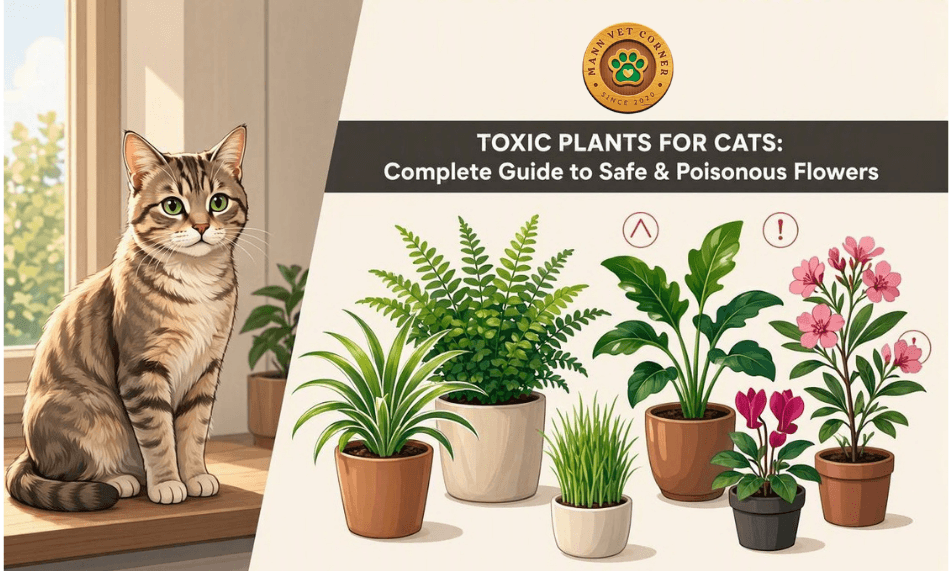
While some flowers and houseplants are perfectly safe for cats, many others pose serious health risks including a few that can cause life‑threatening poisoning. Therefore, if you keep cats in your home, knowing which plants to avoid becomes one of the most crucial safety decisions you can make. The biggest danger comes from true lilies…
Canine Parvovirus: Causes, Symptoms, Prevention, and Treatment

Introduction: What You Need to Know About Canine Parvovirus Canine parvovirus (CPV), commonly called parvo, is one of the most serious infectious diseases affecting dogs and puppies today. This highly contagious viral infection poses a significant health threat, particularly to young, unvaccinated, and immunocompromised dogs. Despite being preventable through proper vaccination, parvo remains widely prevalent…
Exudates vs. Transudates in Effusion Diagnosis
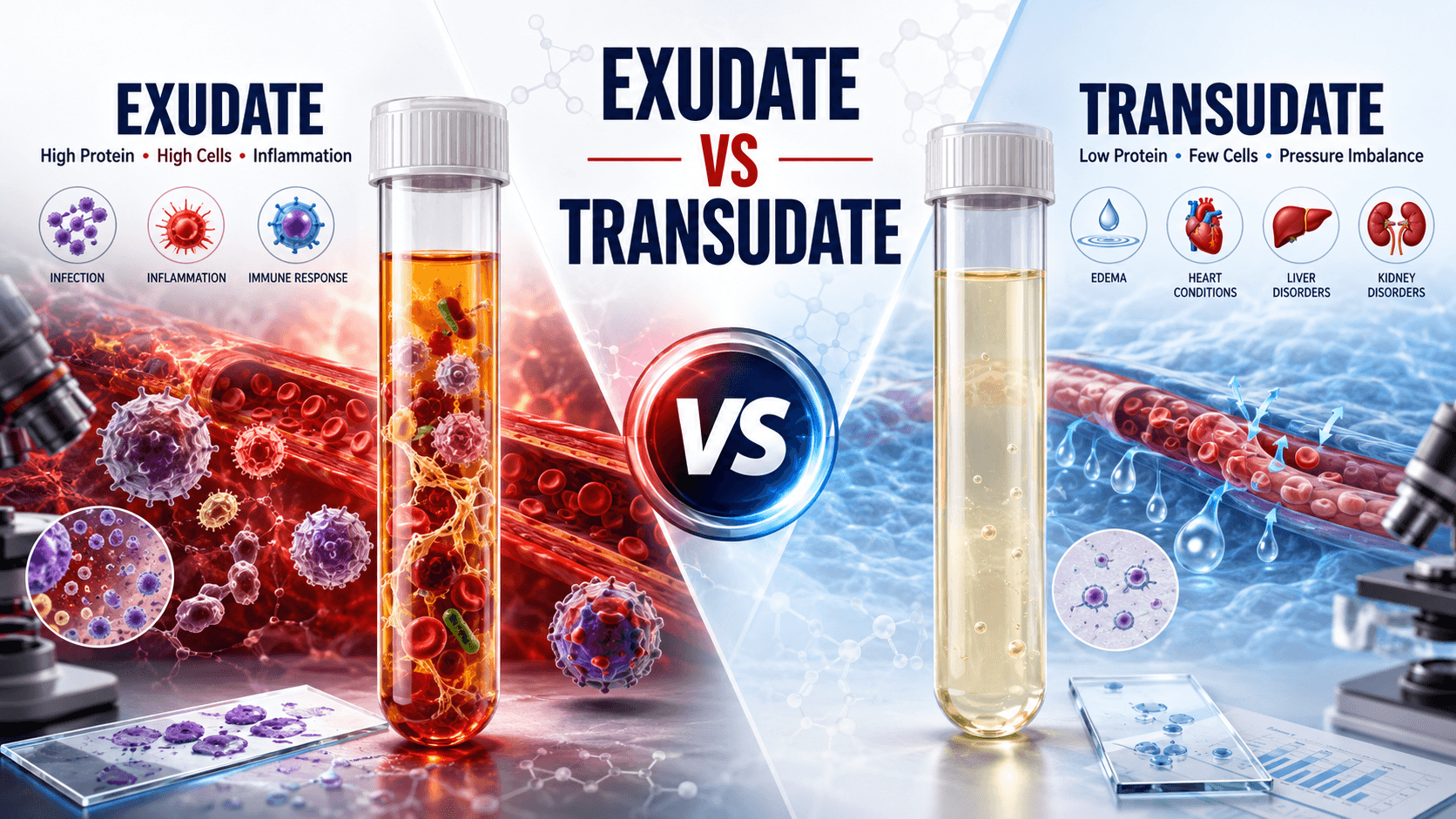
Introduction When fluid accumulates in the pleural, peritoneal, or pericardial cavities of a canine, feline, equine, or bovine patient, clinicians face a diagnostic critical point. Fluid accumulation is rarely a primary disease; rather, it is a liquid manifestation of systemic hemodynamic failure, microvascular disruption, severe metabolic compromise, or localized inflammation. Understanding exudate vs transudate veterinary…
Cat Hair Loss & Feline Alopecia: Vet Care Guide
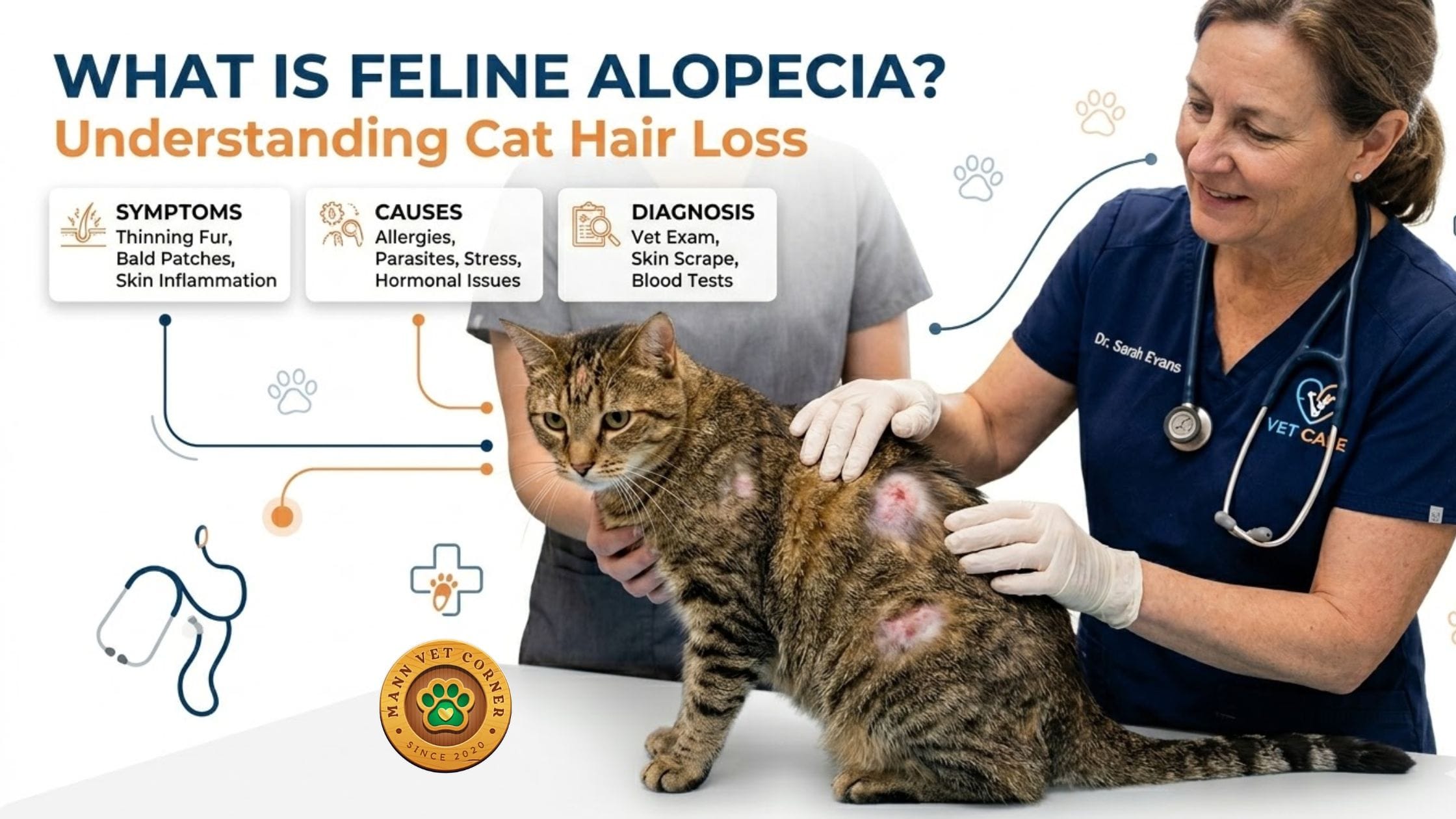
Cat hair loss – medically called feline alopecia – is one of the most common reasons owners visit the vet. While routine seasonal shedding is perfectly normal, bald patches, broken hairs, inflamed skin, or relentless scratching signal something deeper. The good news? Once the underlying cause is identified, most cats recover fully with the right…
Necropsy and Its 4 Stages: A Complete Guide
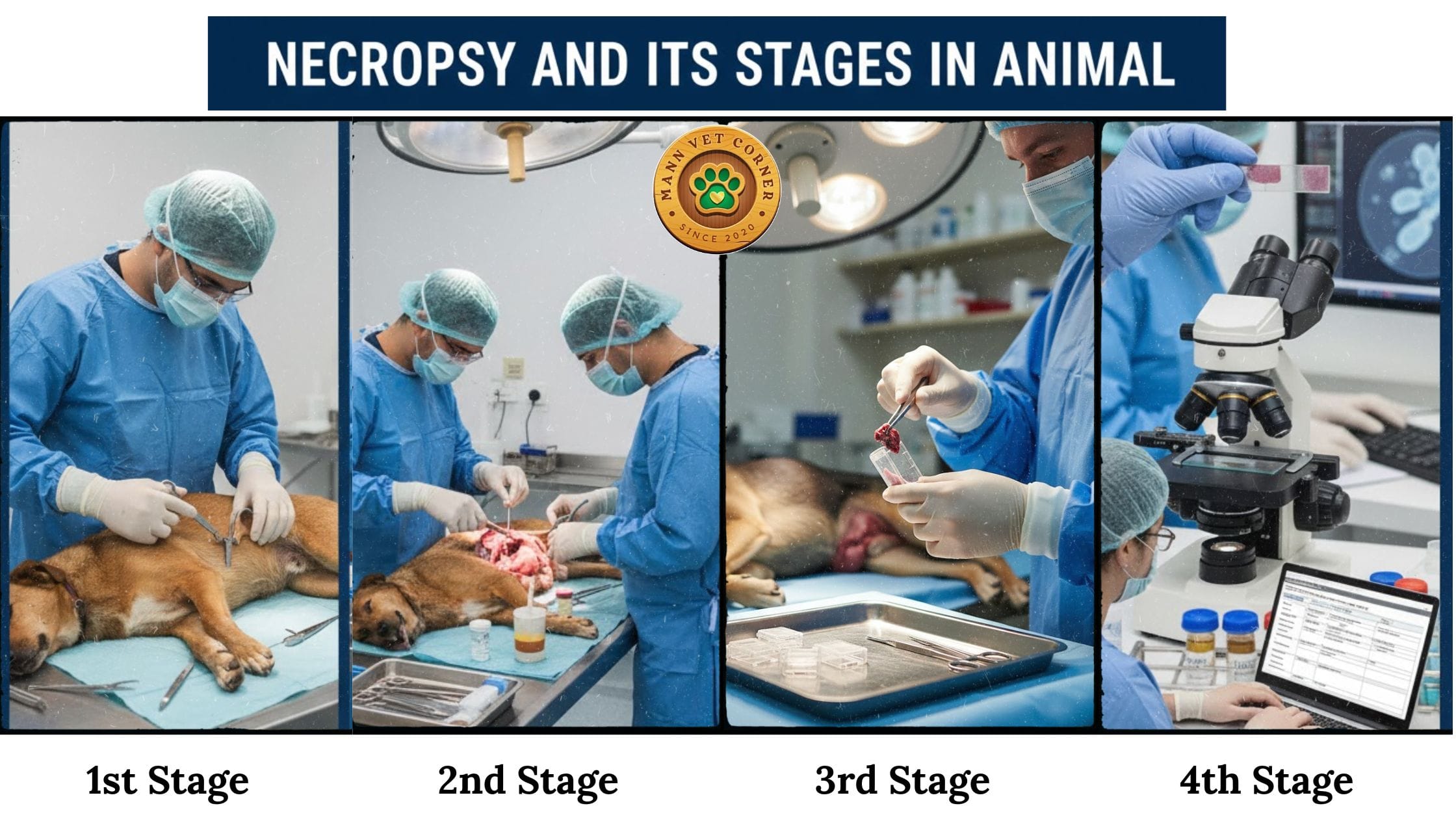
Most people picture necropsy as nothing more than cutting open a dead animal. In reality, a complete necropsy follows a rigorous, four-stage scientific process; one that transforms a carcass into a detailed medical story. A necropsy (also known as a post-mortem exam or autopsy in humans) is the systematic dissection and examination of an animal…
The Science Behind Necropsy: Essential Reasons in Veterinary Practice
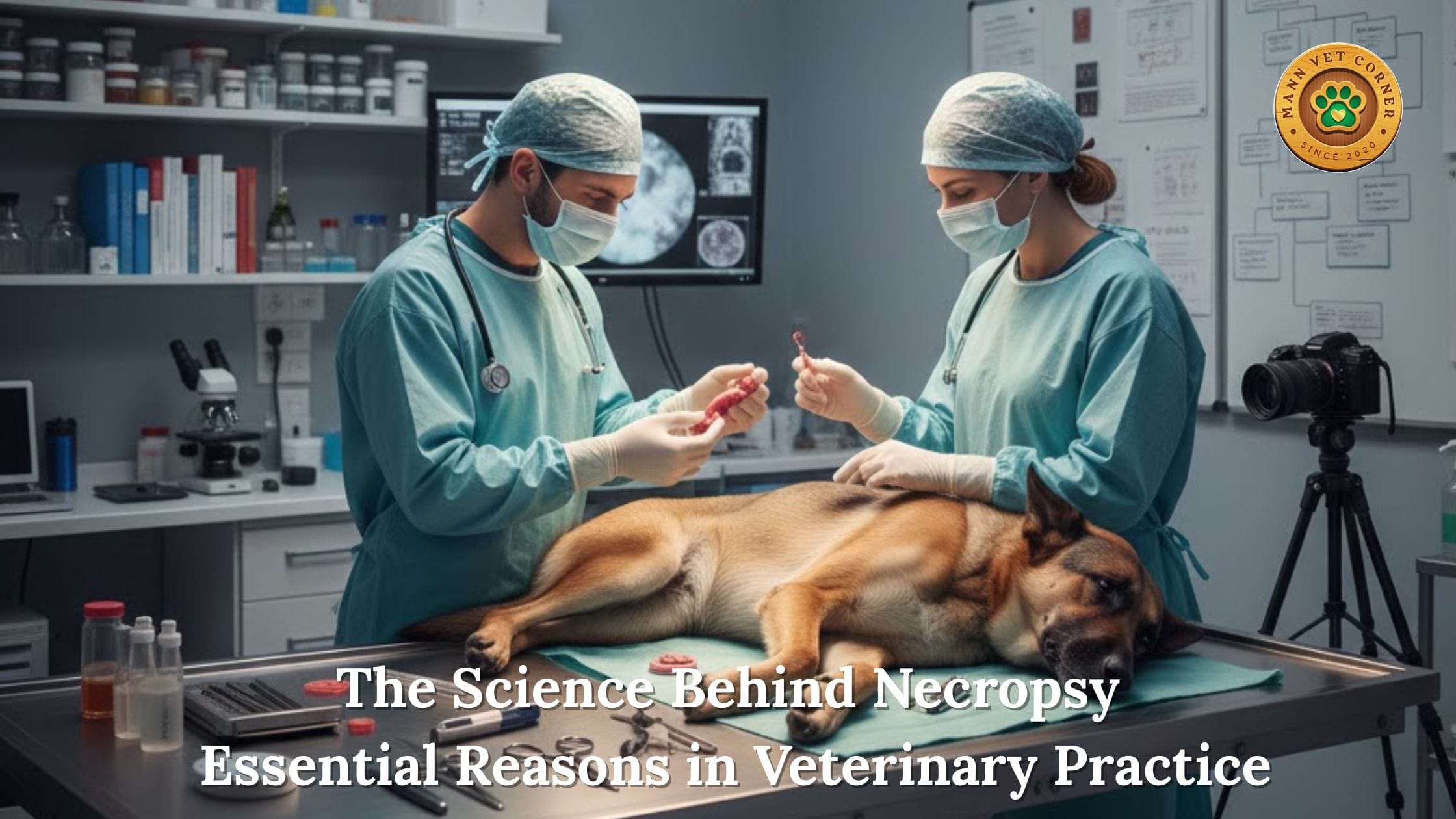
When an animal dies — whether a beloved family pet, a research subject, or a farm animal — necropsy in veterinary medicine becomes a vital tool for uncovering the truth behind death. The Science Behind Necropsy: Essential Reasons in Veterinary Practice highlights how this veterinary necropsy science is more than a procedure; it is a…
Horse Colic: Abdominal Pain in Horses

Abdominal pain in horses represents one of the most critical veterinary emergencies that equine owners face today. Colic in horses is a broad term for abdominal pain, often from gastrointestinal issues like gas, impaction, or blockages, but can stem from other organs, with signs from mild (lethargy, pawing) to severe (violent rolling). It’s a common…
Listeriosis in Goats: Complete Guide to Circling Disease
From Symptoms, Pathogenesis, Treatment & Prevention Listeriosis strikes fear into the hearts of goat farmers worldwide. This bacterial infection, caused by Listeria monocytogenes, attacks the nervous system and can devastate entire herds within days. Listeriosis, also known as “circling disease” or “silage sickness,” is a serious bacterial infection in goats caused by the bacterium Listeria…
