

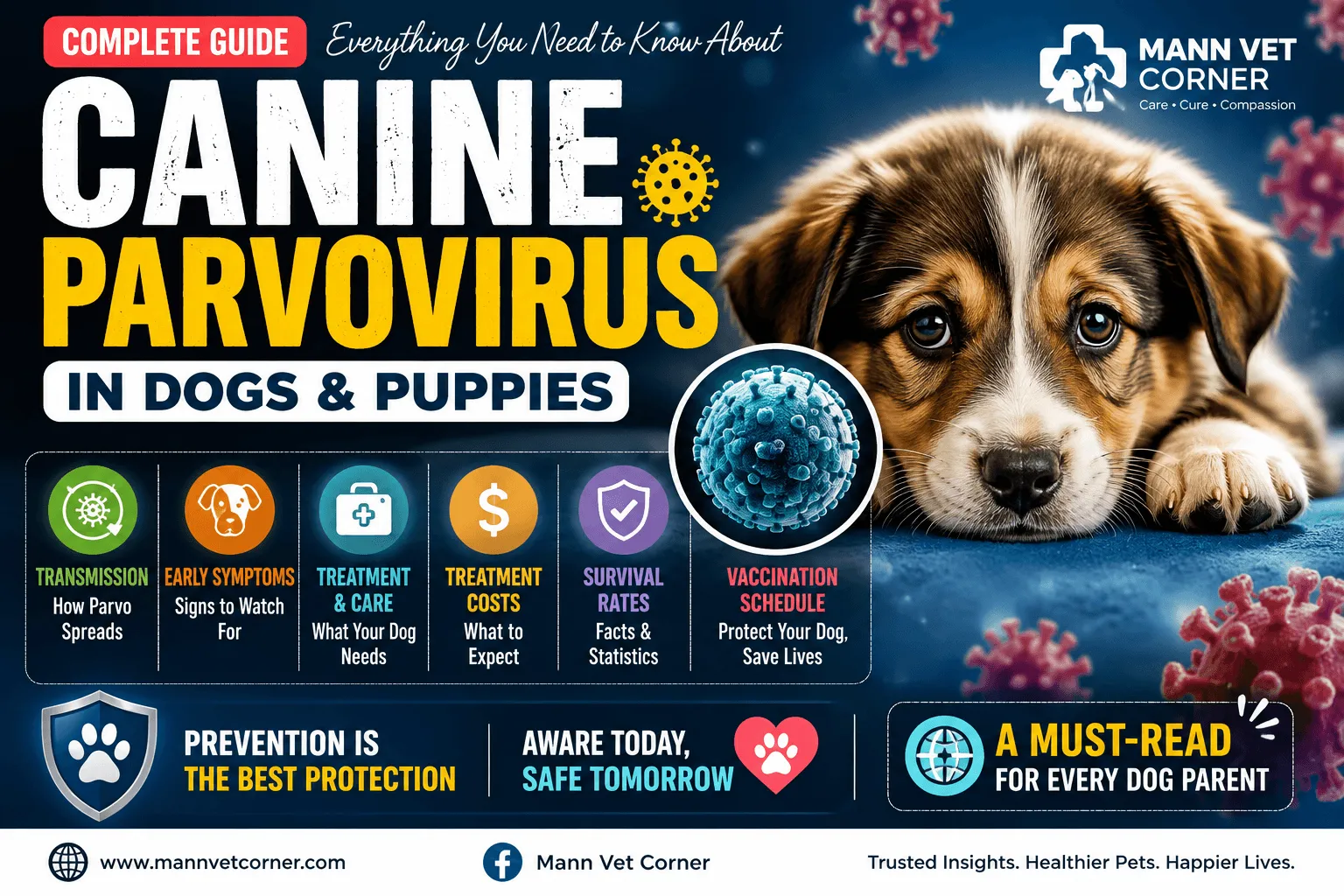
Introduction: What You Need to Know About Canine Parvovirus
Canine parvovirus (CPV), commonly called parvo, is one of the most serious infectious diseases affecting dogs and puppies today. This highly contagious viral infection poses a significant health threat, particularly to young, unvaccinated, and immunocompromised dogs. Despite being preventable through proper vaccination, parvo remains widely prevalent in dog populations, resulting in thousands of hospitalizations annually.
The good news? With prompt veterinary intervention and proper supportive care, the survival rate for infected puppies reaches 85–95%. Understanding parvo’s transmission, recognizing its early symptoms, and knowing prevention strategies can save your dog’s life and spare you significant financial burden.
Quick Facts About Canine Parvovirus
| Factor | Details |
| Incubation Period | 3–7 days after exposure |
| Most Vulnerable | Puppies 6–20 weeks old; unvaccinated dogs of any age |
| Survival Rate (with treatment) | 85–95% with hospitalization and supportive care |
| Prevention Cost | $30–$50 per vaccine series |
| Average Treatment Cost | $5,000+ for hospitalized cases |
What Is Canine Parvovirus (Parvo)?
Canine parvovirus is a highly contagious viral infection caused by a DNA virus that specifically targets rapidly dividing cells in a dog’s body. This viral pathogen can be life-threatening, particularly in puppies, senior dogs, and dogs with compromised immune systems.
Understanding the Nature of the Virus
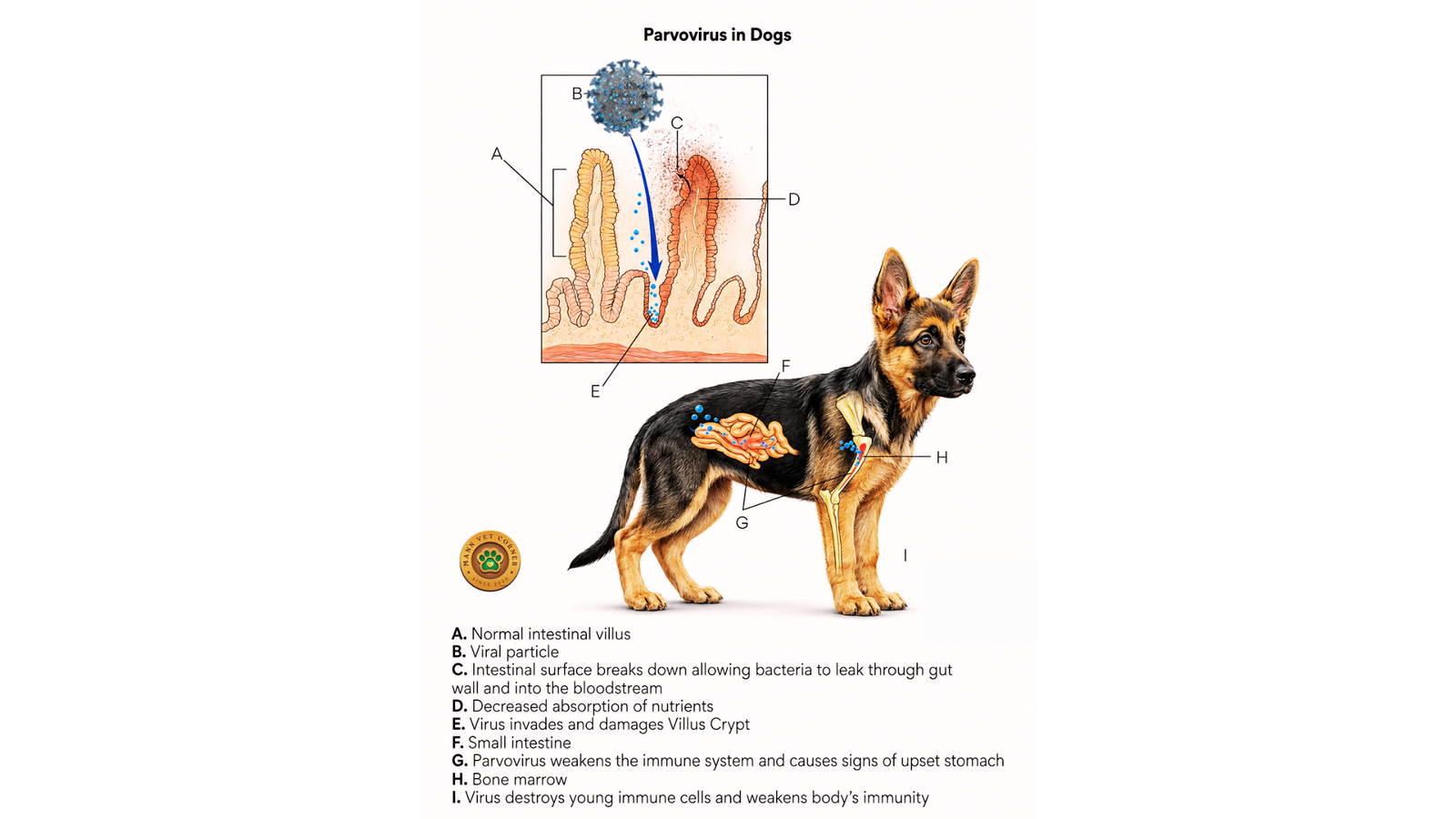
The parvovirus attacks two primary areas:
- Bone Marrow: Destroys young immune cells (white blood cells), crippling the body’s ability to fight infection
- Small Intestine Lining: Damages the intestinal barrier, preventing nutrient absorption and allowing bacteria to enter the bloodstream
In very young puppies (under 8 weeks), parvovirus can also damage the heart muscle, causing myocarditis and life-threatening cardiac arrhythmias.
Can Adult Dogs Get Parvo? Understanding Age-Related Risk
While puppies and adolescent dogs (6–20 weeks) face the highest risk, parvo is not exclusive to young dogs. Adult and senior dogs can contract parvovirus, especially if they:
- Were never vaccinated or have incomplete vaccination histories
- Received their last booster more than 3 years ago
- Have underlying health conditions or compromised immune systems (cancer, kidney disease, etc.)
- Experience stress that weakens immunity
Adult dogs generally experience milder symptoms and have better survival rates than puppies due to their developed immune systems, but parvo remains a serious threat requiring immediate veterinary attention.
Parvo Symptoms in Dogs and Puppies: Early Warning Signs
Recognizing parvo symptoms early is crucial for survival. Infected dogs typically begin showing signs 3–7 days after viral exposure, though this timeline can vary.
Early-Stage Symptoms (Days 1–3)
The initial signs of parvo are often subtle and nonspecific:
- Lethargy and extreme fatigue
- Loss of appetite or complete refusal to eat
- Fever (often 103°F–106°F)
- Abdominal discomfort or cramping
Advanced-Stage Symptoms (Days 3–10)
As the virus progresses, more severe symptoms emerge:
- Severe vomiting, often bloody
- Profuse, watery diarrhea (frequently bloody)
- Severe dehydration
- Weight loss
- Abdominal bloating or pain
Critical Symptoms in Puppies
Young puppies may develop additional life-threatening complications:
- Collapse or loss of consciousness
- Tachycardia (elevated heart rate exceeding 120 bpm)
- Difficulty breathing or labored respirations
- Hypothermia (body temperature below 99°F)
- Hypoglycemia (critically low blood sugar)
- Shock (pale gums, rapid weak pulse, mental depression)
If your dog or puppy displays any of these symptoms, seek veterinary care immediately. Every hour counts in parvo treatment.
How Does Parvo Spread? Understanding Transmission Routes
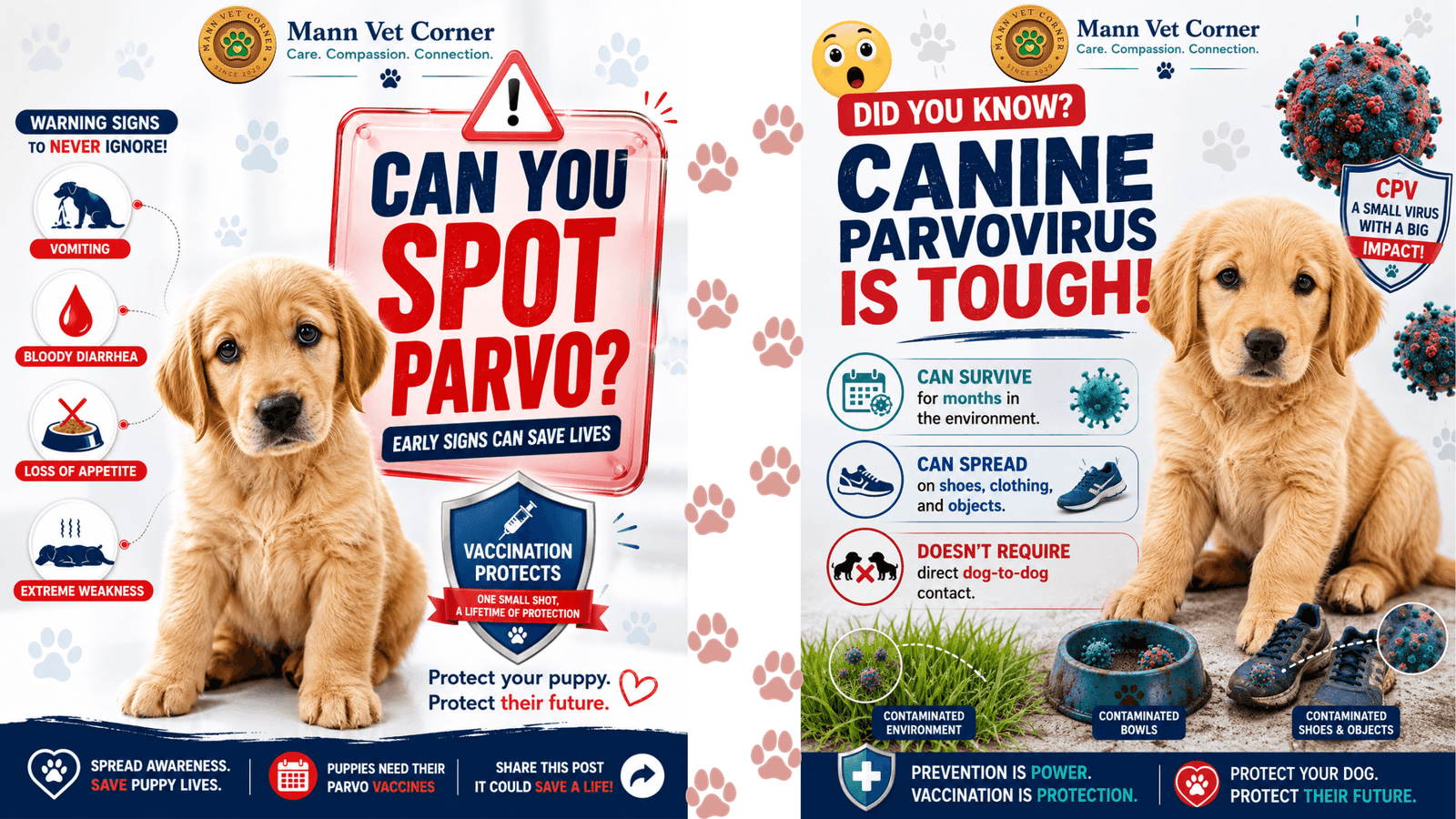
Parvo is spread primarily through contact with contaminated fecal material. However, the virus’s environmental persistence makes transmission far broader than many pet owners realize.
Direct and Indirect Transmission Routes
Direct Contact:
- Your dog encounters fecal material from an infected dog
Indirect Contact (More Common):
- Contaminated ground, grass, or soil in parks and neighborhoods
- Dog kennels, crates, and training equipment
- Grooming facilities and pet stores
- Clothing, hands, and shoes of people who’ve contacted infected dogs
- Dog bowls, toys, and bedding shared with infected dogs
- The fur and paws of infected dogs
Why Parvo Is So Contagious
Parvovirus is extraordinarily resilient in the environment. The virus can survive:
- Months to years on contaminated surfaces
- Extreme temperature fluctuations
- Most common household cleaners and disinfectants
This environmental persistence explains why parvo remains endemic in areas where infected dogs have lived, even months after the dogs have left.
Can Humans Get Parvo from Dogs?
Humans are not susceptible to canine parvovirus—the virus is species-specific. However, humans can easily transmit the virus to other dogs through contact with contaminated material on hands, clothing, or shoes. If you’ve handled an infected dog or been exposed to contaminated environments, practice strict hygiene by washing hands, changing clothes, and disinfecting shoes before contact with other dogs.
Diagnosing Parvo: Tests and Clinical Evaluation
Fast and accurate diagnosis is essential for initiating timely treatment. Veterinarians use several diagnostic methods to confirm parvo.
Fecal SNAP ELISA Test (Parvo SNAP Test)
The fecal SNAP ELISA is the gold standard for parvo diagnosis:
- How It Works: A fresh fecal swab is analyzed for parvo viral antigens
- Results Time: Approximately 10 minutes in-clinic
- Accuracy: Highly accurate, though not 100% sensitive
Important Caveat: A negative test does NOT rule out parvo in symptomatic dogs. Infected dogs may not be shedding viral antigens at the time of testing, resulting in false negatives. Symptomatic dogs with negative SNAP tests often require additional diagnostics.
Additional Diagnostic Methods
- PCR (Polymerase Chain Reaction) Test: More sensitive than SNAP tests; detects viral DNA in fecal samples
- Blood Work: Evaluates white blood cell (WBC) counts, electrolyte levels, and kidney function to assess disease severity
- Clinical Evaluation: Veterinarian assessment of symptoms, physical examination findings, and signalment (age, breed, vaccination status)
Understanding the Three Stages of Parvo Progression
Parvovirus infection progresses through three distinct stages. Understanding each stage helps explain symptom development and treatment approaches.
Stage 1: Infection & Exposure
Your dog comes into contact with contaminated fecal material, surfaces, or objects containing the parvovirus. Initial viral load enters through the oral or respiratory mucosa.
Stage 2: Incubation (3–7 Days)
During incubation, the dog is infected but shows no symptoms (asymptomatic). The virus begins attacking rapidly dividing cells, starting with tonsils and lymph nodes in the throat. As viral replication accelerates, the virus invades the bloodstream and spreads to other tissues, particularly:
- Bone marrow (immune system attack begins)
- Small intestine epithelium (barrier damage progresses)
During incubation, infected dogs can shed virus in feces, making them highly contagious even without visible symptoms.
Stage 3: Clinical Illness (Symptomatic Phase)
Symptoms emerge as the virus reaches critical levels of replication. The bone marrow damage causes severe immune suppression (low WBC counts), and intestinal damage triggers the visible gastrointestinal symptoms:
- Immunosuppression allows secondary bacterial infections, increasing sepsis risk
- Intestinal barrier breakdown allows bacterial translocation into the bloodstream
- Fluid and nutrient loss from vomiting/diarrhea causes dehydration and electrolyte imbalances
- Bacterial endotoxins trigger septic shock in severe cases
Survival Crisis Window: The highest mortality risk occurs within 24–72 hours of symptom onset. This critical window requires aggressive supportive care to overcome.
Parvo Treatment: What to Expect and How to Support Your Dog
Unfortunately, there is no direct antiviral cure for canine parvovirus. Treatment focuses entirely on supportive care—helping your dog’s immune system fight the infection while managing complications.
Standard Supportive Care Protocol
Hospitalization and Intravenous (IV) Fluid Therapy:
- Restores hydration and electrolyte balance
- Prevents shock and organ failure
Antiemetics (Anti-Vomiting Medications):
- Stops vomiting to allow nutritional support
- Commonly prescribed: maropitant (Cerenia), ondansetron (Zofran)
Nutritional Support:
- High-calorie diet as tolerated
- Feeding tubes (esophageal or gastric) if oral feeding isn’t tolerated
- Frequent small meals of bland, easily digestible food
Electrolyte Correction:
- IV fluids contain balanced electrolytes (sodium, potassium, chloride, calcium)
- Corrects hypoglycemia and hypokalemia common in parvo
Antibiotic Therapy:
- Used for sepsis management when secondary bacterial infection is likely
- Not used routinely in all parvo cases, but indicated for fever or low WBC counts
Emerging Therapy: Canine Parvo Monoclonal Antibody (CPMA):
- Some veterinary facilities offer monoclonal antibody therapy
- Research suggests potential benefit, but not yet standard of care
Treatment Duration and Hospital Stay
Most hospitalized dogs recover over 5–10 days of illness. Hospital stays typically last 5–7 days, though duration varies based on:
- Age and overall health status
- Severity of dehydration and secondary infections
- Response to initial supportive care
Recovery and Long-Term Management After Parvo
Survival from parvo is not the end of the journey. Recovery requires careful management and nutritional support to allow damaged intestines to heal.
Post-Treatment Dietary Management
Intestinal healing takes time. Your veterinarian will recommend:
- Bland, Easily Digestible Diet: Boiled chicken, white rice, sweet potato, or commercial prescription diets
- Prescription Diets: Hill’s Prescription Diet i/d, Royal Canin Digestive Care, Purina ProPlan Veterinary Diets
- Feeding Frequency: Smaller, more frequent meals (4–6 times daily) rather than large meals
- Gradual Transition: Slow transition back to regular diet over 2–4 weeks
Typical Recovery Timeline
- Days 1–3: Critical phase; highest mortality risk
- Days 4–7: Stabilization phase; vomiting/diarrhea may improve, appetite begins returning
- Days 8–14: Continued improvement; can transition to bland diet at home
- Weeks 2–4: Gradual return to normal diet; energy levels increase noticeably
Important Post-Infection Considerations
- Continued Shedding: Recovered dogs may shed virus for up to 2 weeks after symptoms resolve—maintain strict hygiene
- Immunity Development: Recovered dogs develop lifelong immunity; re-infection is rare
- Follow-Up Veterinary Visits: Schedule recheck exams to monitor recovery
- Delayed Complications: Watch for chronic digestive issues, as some dogs develop irritable bowel syndrome (IBS) post-infection
Preventing Parvo: Complete Vaccination and Protection Strategies
Prevention is exponentially more cost-effective and humane than treatment. Vaccination is the cornerstone of parvo prevention.
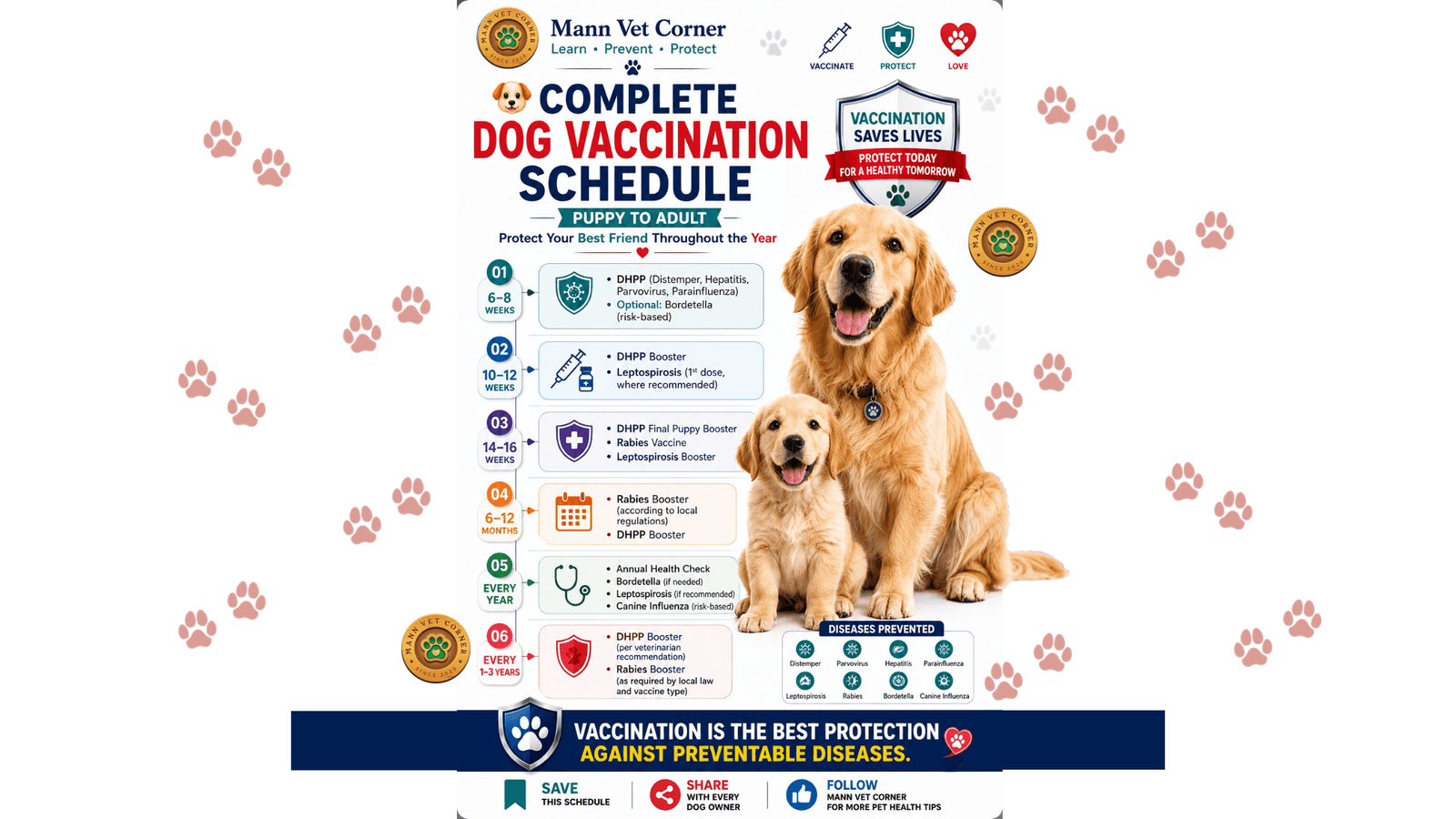
Puppy Vaccination Schedule
- Starting Age: 6–8 weeks
- Booster Schedule: Every 3–4 weeks until 16 weeks of age
- Final Booster: One year of age (if initial series ended before 16 weeks)
Adult Dog Vaccination Schedule
- First Booster: 1 year after completing puppy series
- Subsequent Boosters: Every 3 years (many modern vaccines provide 3-year immunity)
- Note: Some veterinarians recommend annual vaccination for dogs at higher risk (frequent dog park visitors, shelter dogs, breeding dogs)
Vaccination Cost Considerations
- Puppy Vaccine Series (3–4 doses): $75–$150 total
- Annual/Triennial Booster (adult): $25–$50
Environmental and Behavioral Prevention Strategies
Limit Exposure (Puppies Under 16 Weeks):
- Avoid dog parks, pet stores, and grooming salons until fully vaccinated
- Avoid contact with unknown or unvaccinated dogs
- Use dog strollers for outdoor exposure without ground contact
Hygiene Practices:
- Wipe your dog’s paws thoroughly when entering the home
- Change and wash clothing/shoes after contact with potentially exposed environments
- Wash hands thoroughly after handling other dogs or their feces
Environment Sanitation:
- Use bleach-based disinfectants (1:10 bleach-to-water ratio) to disinfect contaminated areas
- Disinfect dog bowls, toys, crates, and bedding after contact with infected dogs
- Clean grooming equipment and shared dog training tools regularly
Selective Socialization:
- Socialize puppies with known, fully vaccinated dogs only
- Arrange playdates at private homes rather than public spaces during the vaccination window
Frequently Asked Questions About Parvo in Dogs
Q: At what age is a puppy safe from parvo?
A: Puppies are never completely ‘safe’ from parvo, but the risk decreases significantly after full vaccination (16 weeks of age). Maximum susceptibility is between 6–20 weeks. Fully vaccinated adult dogs are well-protected unless immunity wanes.
Q: Will my puppy survive parvo if I seek immediate treatment?
A: Yes, most puppies (85–95%) survive with prompt hospitalization and aggressive supportive care. Early treatment is critical—the survival rate drops significantly in dogs receiving treatment more than 24 hours after symptom onset.
Q: Can an indoor dog get parvo?
A: Yes. Humans can carry the virus on shoes, hands, and clothing into homes. Unvaccinated indoor dogs are at high risk, particularly if family members have contact with other dogs or potentially contaminated environments.
Q: How long does parvo survive on surfaces?
A: Parvovirus can survive for months to years on contaminated surfaces, making environmental disinfection essential when dealing with infected dogs.
Q: Is parvo contagious to humans or other pets?
A: Parvo is species-specific—humans cannot contract canine parvovirus. However, you can transmit the virus to other dogs through contact with contaminated materials. Cats have their own parvovirus (feline panleukopenia) and cannot contract canine parvo.
Q: Can a recovered dog get parvo again?
A: Re-infection is extremely rare. Dogs that recover from parvo develop strong, lifelong immunity to that specific viral strain.
Conclusion: Protecting Your Dog from Parvo
Canine parvovirus remains a serious infectious disease threat, but it is entirely preventable through proper vaccination and protective measures. The contrast is striking: a complete vaccine series costs $75–$150, while treatment for a single parvo infection can exceed $5,000. Beyond cost, prompt vaccination is the most effective way to protect your beloved companion from unnecessary suffering.
Key Takeaways:
- Ensure your puppy receives the complete vaccination series starting at 6 weeks, with boosters every 3–4 weeks until 16 weeks of age
- Maintain triennial (every 3-year) booster vaccinations for adult dogs
- Recognize early symptoms: lethargy, loss of appetite, fever, and vomiting—seek veterinary care immediately
- Understand that parvo requires intensive hospitalization and supportive care—there is no direct antiviral cure
- Implement strict hygiene practices to prevent transmission to other dogs
- Know that 85–95% of hospitalized puppies survive with appropriate treatment
By staying vigilant about vaccination, practicing good hygiene, and knowing the warning signs of parvo, you can significantly reduce the risk of your dog contracting this serious disease. When it comes to parvo, prevention truly is the best medicine.

