

Latest posts
Horse Lameness: Complete Guide to Signs, Causes, Diagnosis & Treatment

Quick Answer: What is Lameness in Horses? Lameness in horses is an abnormal stance or gait caused by pain or structural problems in the legs, hooves, or body. Common signs include head bobbing, uneven steps, weight shifting, behavior changes, and swelling in the legs or hooves. Causes range from hoof abscesses and laminitis to arthritis,…
Lone Star Tick: Identification, Diseases, Prevention & Treatment

Quick Answer The lone star tick (Amblyomma americanum) is an aggressive, human-biting hard tick found across the eastern, southeastern, and midwestern United States. Recognized by a distinctive white spot on the backs of females, lone star ticks transmit serious illnesses including ehrlichiosis, alpha-gal syndrome (a red-meat allergy), STARI, tularemia, and Heartland virus. Unlike many ticks,…
How to Control and Treat Fleas in Pets
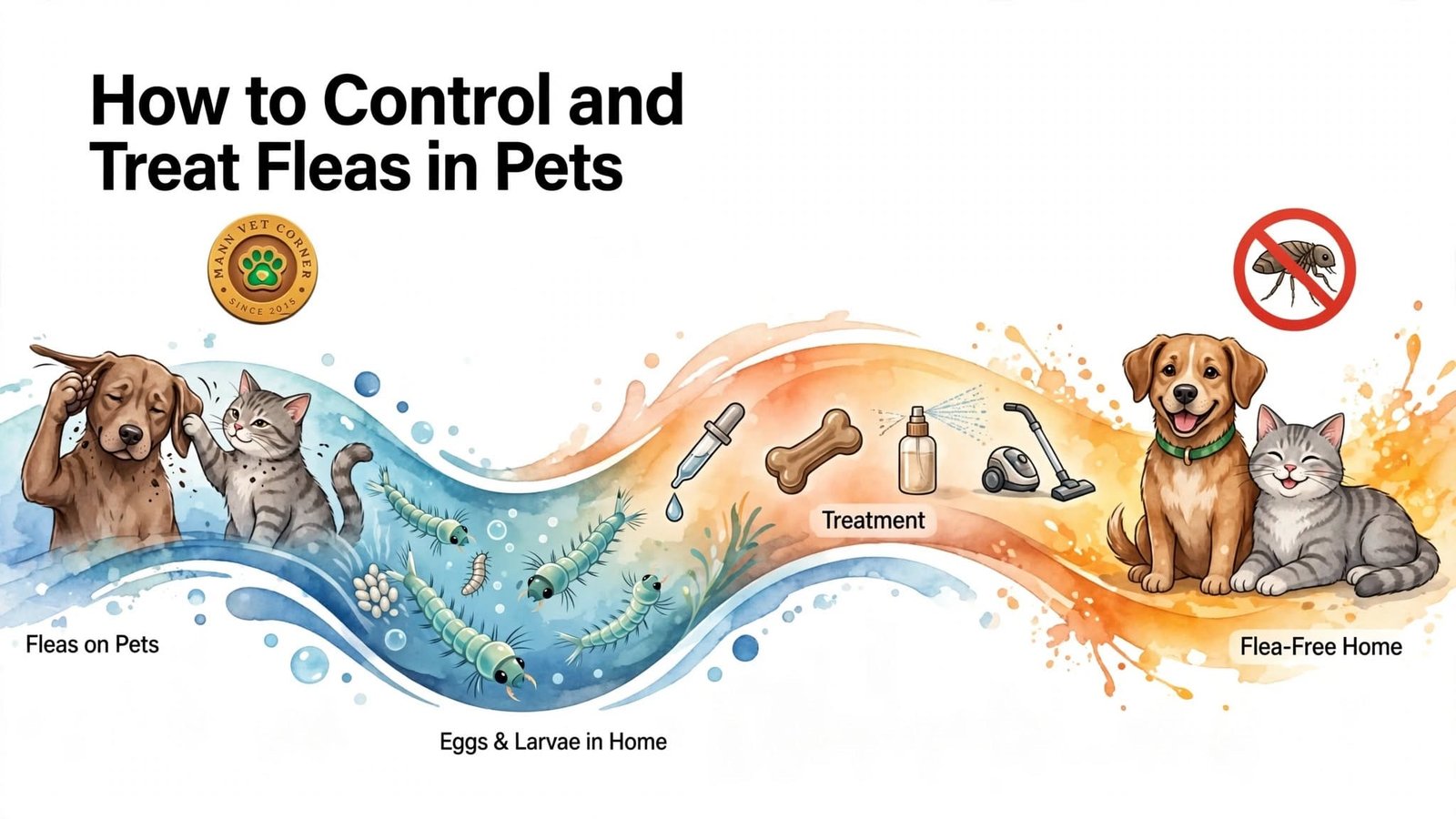
Quick Answer: The Best Way to Control Fleas Flea treatments kill fleas by using active chemicals that either attack the flea’s nervous system to cause paralysis or disrupt their growth and life cycle. The most effective flea control combines three strategies: Monthly preventative treatments (topical or oral) that kill adult fleas on contact Insect Growth…
Vet Near Me: Find 24-Hour, Mobile & Emergency Veterinary Clinics

Introduction: Why Finding the Right Veterinarian Matters Your pet’s health is priceless. Whether you have a dog, cat, bird, or fascinating pet, finding a qualified veterinarian near you is one of the most important decisions a pet owner makes. According to the American Veterinary Medical Association (AVMA), there are over 100,000 licensed veterinarians in the…
TOXIC PLANTS FOR CATS: Complete Guide to Safe & Poisonous Flowers
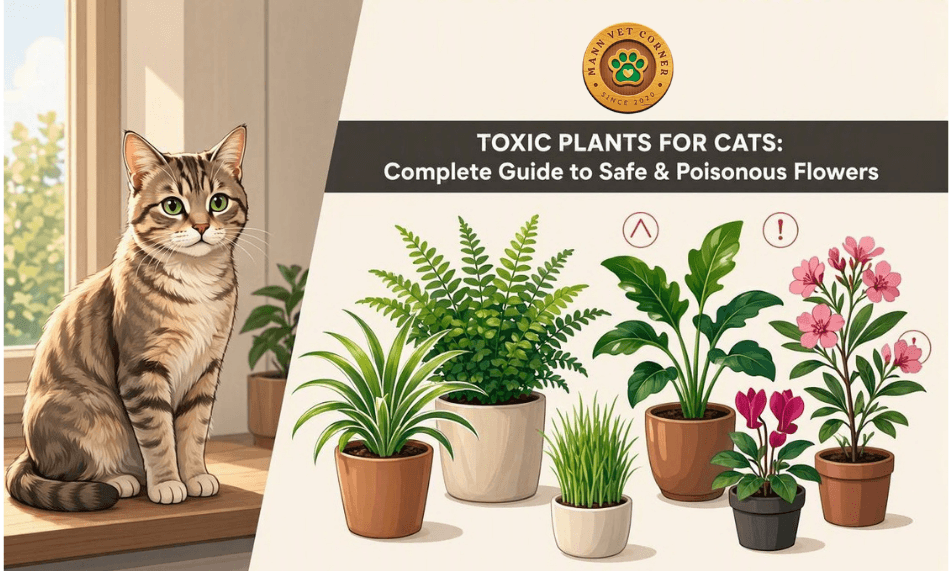
While some flowers and houseplants are perfectly safe for cats, many others pose serious health risks including a few that can cause life‑threatening poisoning. Therefore, if you keep cats in your home, knowing which plants to avoid becomes one of the most crucial safety decisions you can make. The biggest danger comes from true lilies…
How to Treat Cat Ear Infections: A Guide for Pet Parents
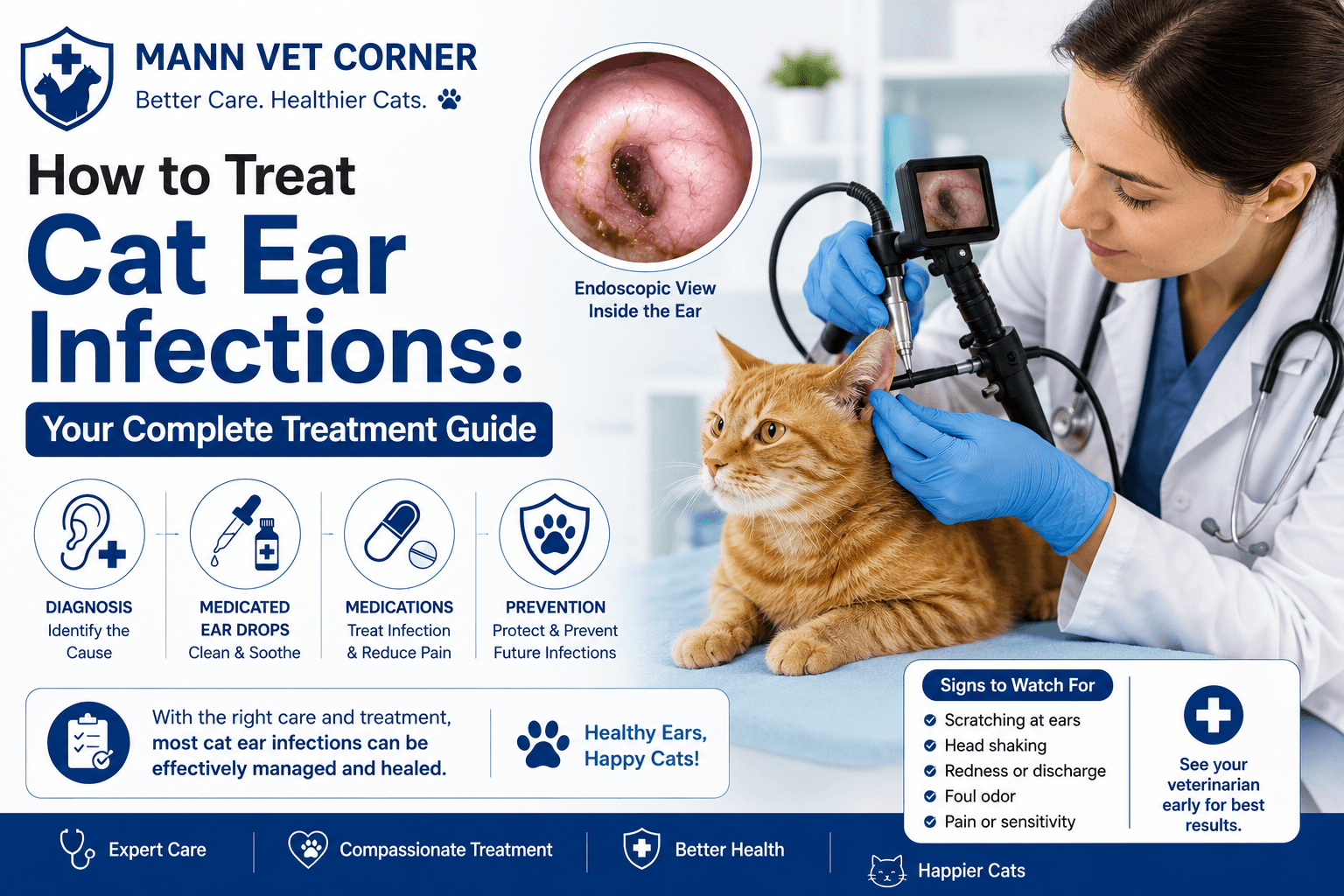
Quick Answer If your cat has an ear infection, you’ll need a veterinary diagnosis first—ear problems can stem from infections, mites, allergies, or foreign objects. Vet-prescribed treatments typically include ear drops, oral antibiotics, or topical medications. While home care supports recovery, most infections require professional treatment within 48-72 hours to prevent complications like hearing loss.…
Best Pet Clinics & Veterinary Services in Hyderabad, Sindh

Introduction: Why Professional Veterinary Care Matters in Hyderabad, Sindh Pet ownership in Hyderabad has grown exponentially over the past decade. Whether you own a dog, cat, non-native bird, or livestock, finding reliable veterinary care is essential for your animal’s health and longevity. This comprehensive guide covers the best pet clinics, emergency veterinary hospitals, specialized surgical…
Canine Parvovirus: Causes, Symptoms, Prevention, and Treatment

Introduction: What You Need to Know About Canine Parvovirus Canine parvovirus (CPV), commonly called parvo, is one of the most serious infectious diseases affecting dogs and puppies today. This highly contagious viral infection poses a significant health threat, particularly to young, unvaccinated, and immunocompromised dogs. Despite being preventable through proper vaccination, parvo remains widely prevalent…
Exudates vs. Transudates in Effusion Diagnosis

Introduction When fluid accumulates in the pleural, peritoneal, or pericardial cavities of a canine, feline, equine, or bovine patient, clinicians face a diagnostic critical point. Fluid accumulation is rarely a primary disease; rather, it is a liquid manifestation of systemic hemodynamic failure, microvascular disruption, severe metabolic compromise, or localized inflammation. Understanding exudate vs transudate veterinary…
Cat Hair Loss & Feline Alopecia: Vet Care Guide
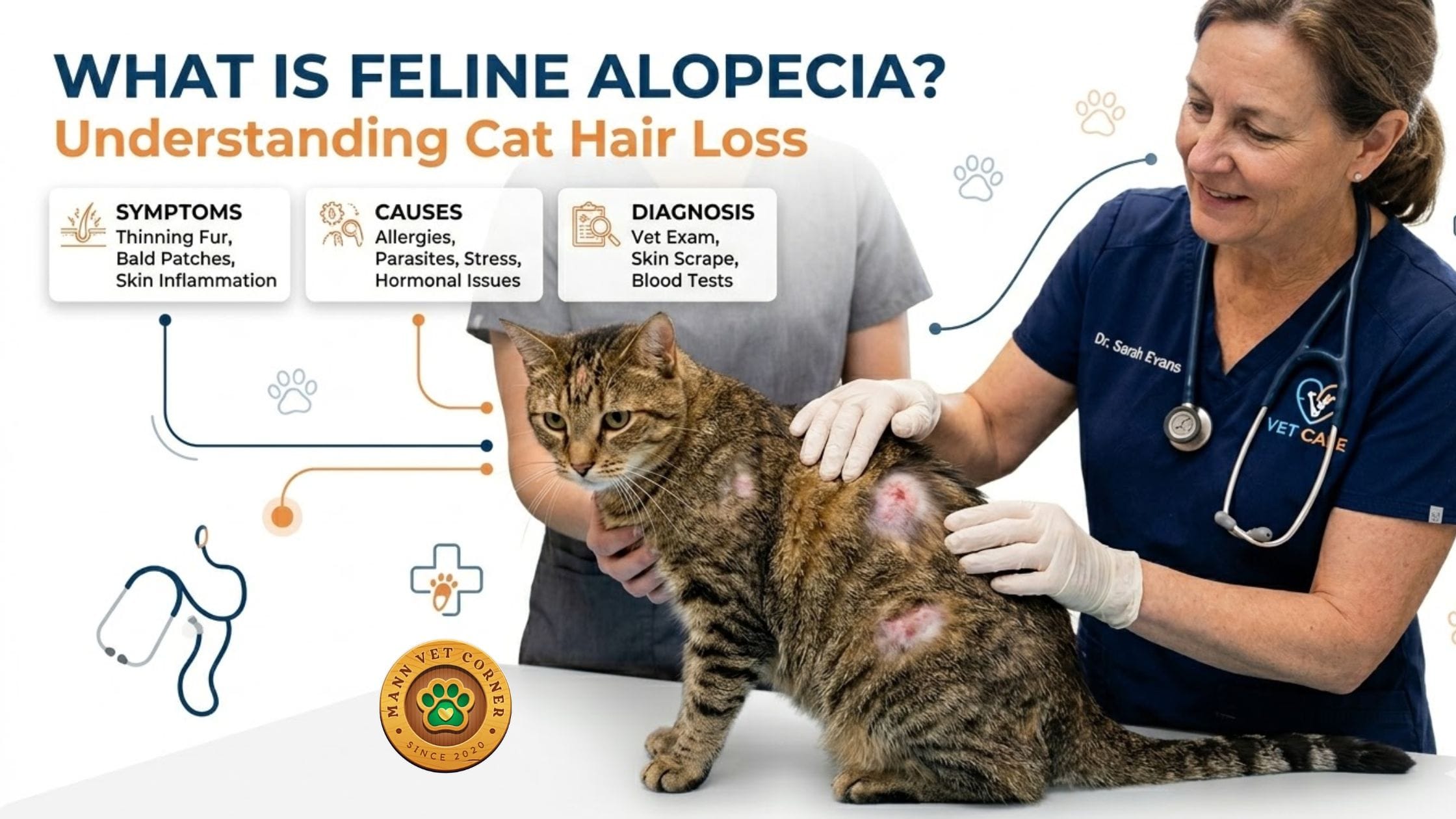
Cat hair loss – medically called feline alopecia – is one of the most common reasons owners visit the vet. While routine seasonal shedding is perfectly normal, bald patches, broken hairs, inflamed skin, or relentless scratching signal something deeper. The good news? Once the underlying cause is identified, most cats recover fully with the right…
