

Best Cat Litter for Your Feline Friend
Your cat deserves comfort, and you deserve a clean, odor-free space. The best cat litter depends on your cat’s needs, with clumping clay being a popular, affordable, and easy-to-scoop option. For superior odor control, crystal (silica gel) litter is highly effective and low-dust, while eco-friendly options like wood, corn, wheat, or walnut shell are best for environmentally conscious owners or cats with respiratory issues. Consider your cat’s age, especially if they are senior, and opt for softer, low-dust litters for comfort and ease of use. This guide helps you find the perfect match for your household.
What Makes the Best Cat Litter Stand Out?
The best cat litter combines several key features. You want excellent odor control, easy cleanup, and a texture your cat loves. Top-quality litters also minimize dust and tracking throughout your home.
Cat owners worldwide spend countless hours comparing options. The right choice depends on your cat’s preferences, your budget, and your lifestyle needs.
Key Qualities Every Best Cat Litter Should Have
Superior Odor Control Your nose knows quality. Premium cat litters trap ammonia smells instantly. They lock odors inside clumps rather than masking them with artificial fragrances. Natural mineral-based litters often outperform scented varieties.
Easy Clumping Action Strong clumps make scooping simple. The best cat litter forms tight, solid masses that don’t crumble. This feature saves you time and reduces waste. You remove only soiled portions while keeping fresh litter in the box.
Low Dust Formation Dust clouds irritate both humans and cats. Top-tier litters produce minimal airborne particles. This quality matters especially for cats with respiratory sensitivities or asthma. Your air stays cleaner with every scoop.
Minimal Tracking Nobody wants litter scattered across floors. The best products feature larger granules or special formulas that stick less to paws. This reduces the sandy trail from box to couch.
Natural and Safe Materials Your cat’s health comes first. Premium litters avoid harmful chemicals, artificial fragrances, and toxic additives. Natural options include clay, wood, corn, wheat, and paper-based materials.
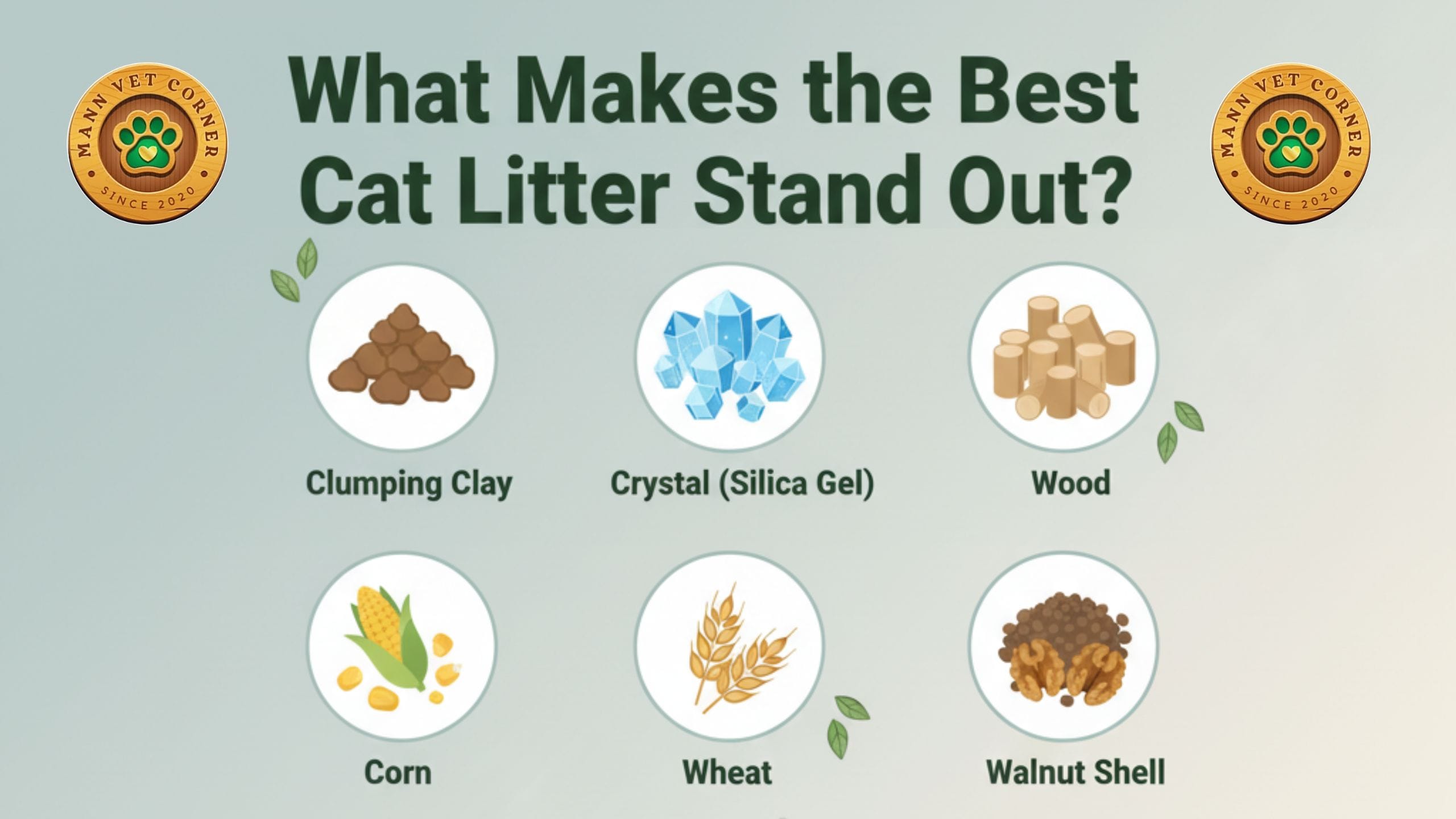
Types of Cat Litter: Finding Your Perfect Match
Clumping Clay Cat Litter
Clay litter dominates the market for good reason. Bentonite clay forms rock-hard clumps on contact with moisture. You scoop waste daily and refresh the box less frequently.
This traditional option offers reliable performance. Most cats accept clay litter immediately since the texture mimics natural soil. Price points range from budget-friendly to premium brands.
Non-Clumping Clay Litter
Non-clumping varieties absorb moisture without forming solid masses. You change the entire box more often, typically once weekly. This option costs less upfront but requires more frequent replacement.
Some cat owners prefer this style for kittens. Young cats sometimes eat litter, and non-clumping types pose fewer digestive risks.
Natural and Eco-Friendly Cat Litter Options
Wood-Based Litter Pine, cedar, and other wood litters offer natural odor control. These products break down into sawdust when wet. They’re biodegradable and often flushable. The natural wood scent appeals to many owners.
Corn and Wheat Litter Plant-based options clump naturally. Corn and wheat litters are renewable, biodegradable, and lightweight. They control odors through natural enzymes rather than chemicals.
Paper Litter Recycled paper creates soft, dust-free litter. This option suits cats recovering from surgery or those with sensitive paws. Paper litter is highly absorbent but may require more frequent changing.
Walnut Shell Litter Ground walnut shells provide excellent clumping and odor control. This option tracks less than traditional clay. The dark color hides waste between scoopings.
Silica Gel Crystal Cat Litter
Crystal litter absorbs moisture into tiny silica gel beads. These beads change color when saturated, signaling replacement time. One box lasts up to a month for a single cat.
This low-maintenance option produces minimal dust. The crystals don’t clump, so you remove solid waste and stir the box daily.
How to Choose the Best Cat Litter for Your Home
Consider Your Cat’s Preferences
Cats vote with their paws. A litter your cat refuses to use wastes money. Most felines prefer fine-grained, unscented litter that feels soft underfoot.
Observe your cat’s behavior. Scratching excessively or eliminating outside the box signals dissatisfaction. Try different textures until you find one your cat loves.
Evaluate Your Household Needs
Multi-Cat Homes Multiple cats demand heavy-duty odor control. Look for litters specifically formulated for multi-cat households. These products contain stronger odor neutralizers and clump more effectively.
Apartments and Small Spaces Space constraints require maximum odor control. Choose litters with superior ammonia-blocking technology. Low-tracking formulas keep your compact space cleaner.
Allergy Sufferers Dust-free options protect sensitive respiratory systems. Unscented, hypoallergenic litters prevent irritation. Natural alternatives often work better than heavily processed products.

Factor in Budget and Convenience
Premium litters cost more initially but often last longer. Calculate the price per use rather than price per bag. Some expensive litters actually save money over time.
Consider convenience factors. Heavy clay litter requires more physical effort to transport and pour. Lightweight alternatives make maintenance easier, especially for olders or those with mobility issues.
Best Cat Litter Box Setup and Maintenance Tips
Selecting the Right Cat Litter Box
Box size matters significantly. Choose a box at least one and a half times your cat’s length. Larger cats need bigger boxes. Give your cat room to turn around comfortably.
Covered vs. Uncovered Boxes Covered boxes contain odors and reduce tracking. However, some cats feel trapped inside enclosed spaces. Uncovered boxes provide better ventilation and easier access.
Self-Cleaning Litter Boxes Automated boxes rake waste into sealed compartments. These high-tech solutions reduce daily maintenance. They work best with specific litter types, usually clumping clay.
Optimal Litter Depth and Fill Level
Pour litter three to four inches deep. This depth allows proper clumping without excess waste. Shallow litter fails to absorb moisture adequately. Overfilling creates unnecessary mess.
Daily Scooping Habits That Make a Difference
Scoop waste at least once daily. Frequent removal prevents odor buildup and keeps your cat happy. Most cats refuse to use dirty boxes.
Remove clumps and solid waste completely. Break up any stuck pieces. Smooth the remaining litter for easier detection next time.
Complete Litter Box Changes
Empty and clean the entire box monthly. Wash the container with mild soap and warm water. Avoid harsh chemicals that leave lingering scents.
Dry the box thoroughly before refilling. Moisture causes litter to stick to plastic surfaces. Start fresh with clean litter for optimal performance.
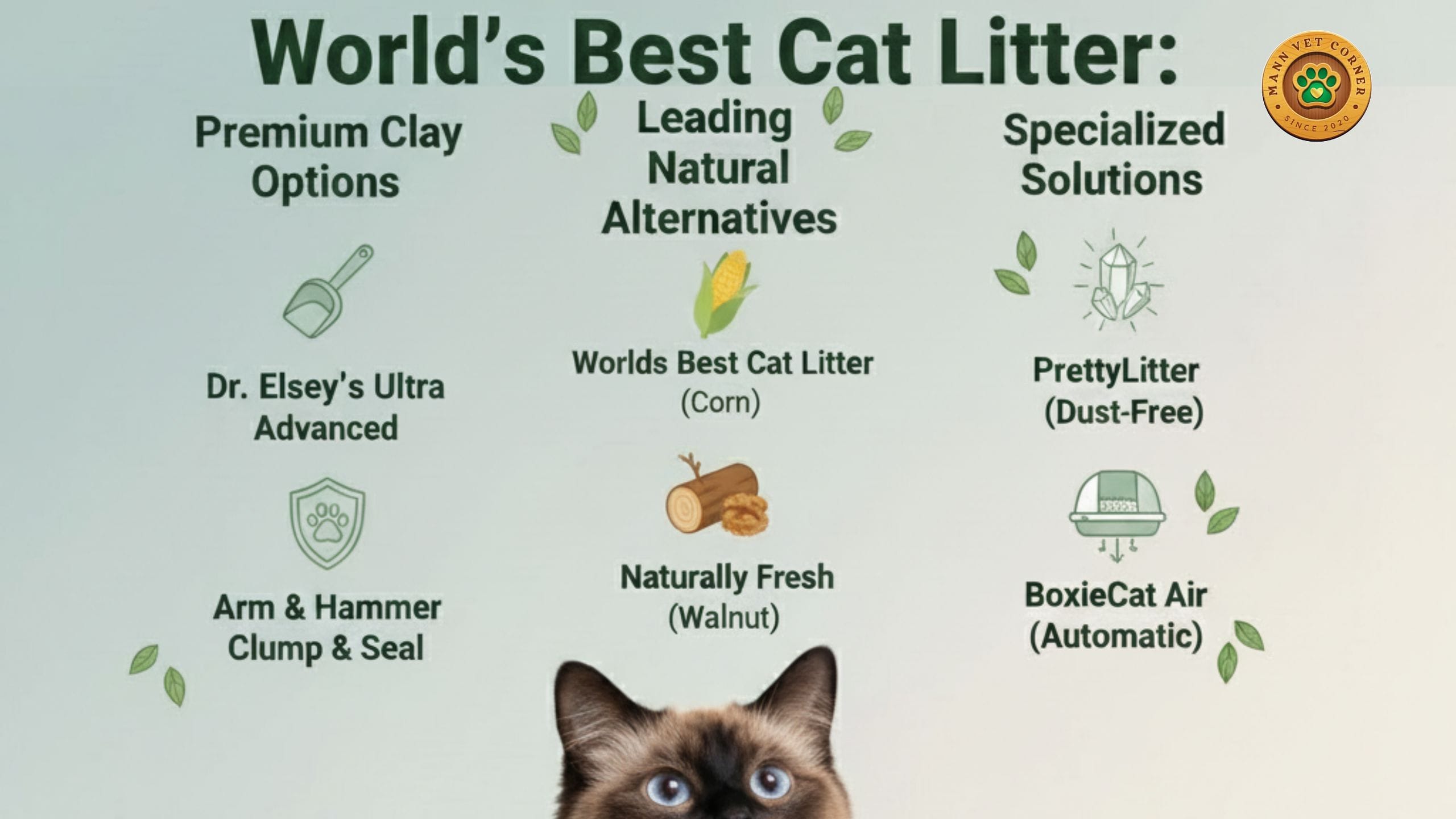
World’s Best Cat Litter: Top Brands and Products
Several brands consistently earn top ratings from cat owners and veterinarians. These products balance performance, safety, and value.
Premium Clay Options
Natural clay litters from established brands deliver reliable clumping. They control odors effectively without added fragrances. Many veterinarians recommend these tried-and-true products.
Leading Natural Alternatives
Eco-conscious brands offer biodegradable options without sacrificing performance. These products appeal to environmentally aware cat owners. They work as well as traditional options while reducing environmental impact.
Specialized Solutions
Some brands create litters for specific needs. Lightweight formulas help those who struggle with heavy bags. Kitten-safe options protect curious youngsters. Senior cat formulas feature softer textures.
Solving Common Cat Litter Problems
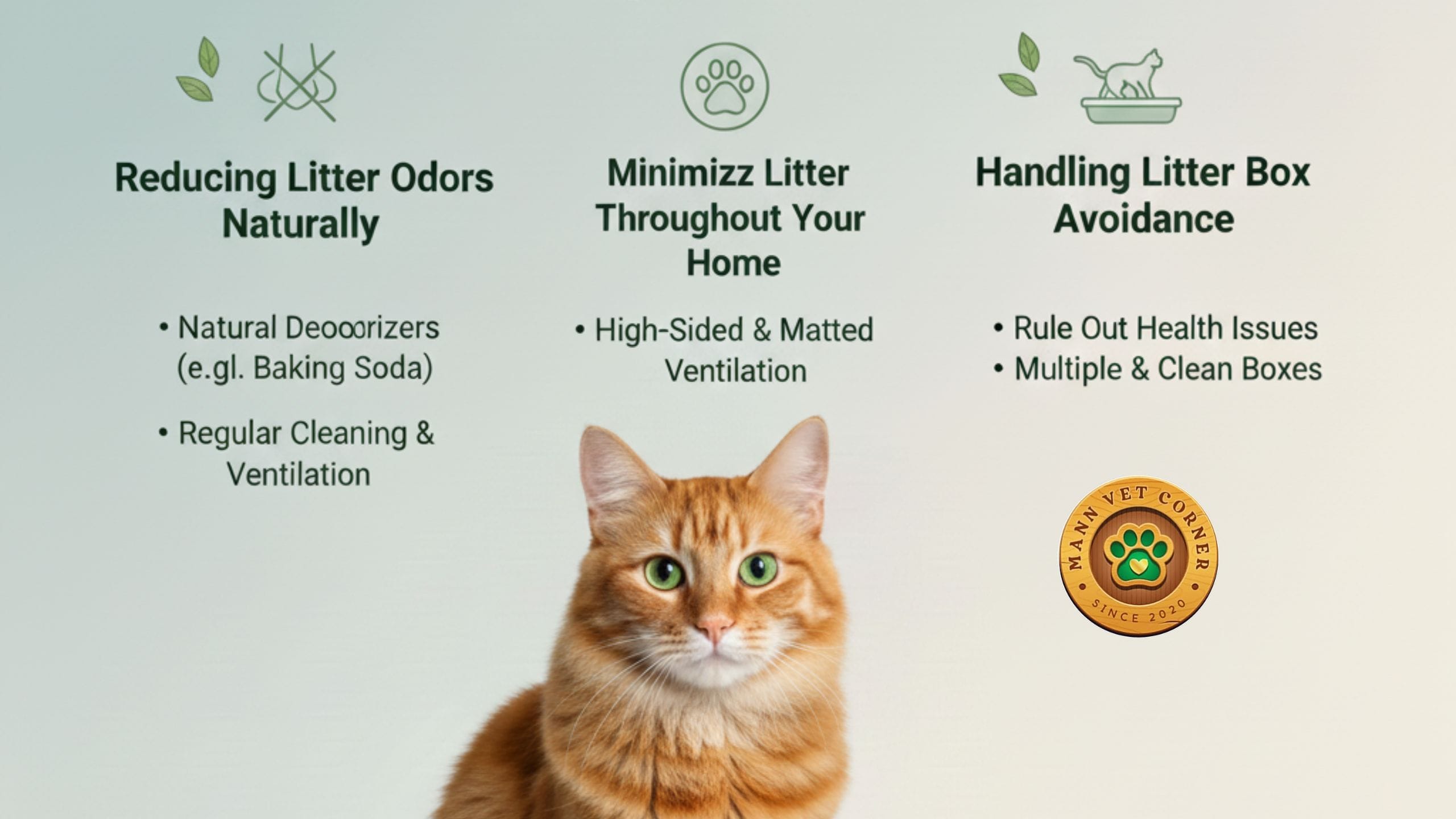
Reducing Litter Box Odors Naturally
Strong odors indicate inadequate scooping or poor litter quality. Increase cleaning frequency first. Switch to a higher-quality litter if smells persist.
Add baking soda to the bottom of the box before pouring litter. This natural deodorizer absorbs extra moisture and neutralizes odors. Use unscented litter for best results.
Minimizing Litter Tracking Throughout Your Home
Place a textured mat outside the box entrance. These mats catch loose granules from your cat’s paws. Larger granules track less than fine-grained varieties.
Position the box on hard flooring rather than carpet. Hard surfaces make cleanup easier. Vacuum or sweep regularly around the litter area.
Handling Litter Box Avoidance
Cats avoid dirty, smelly, or uncomfortable litter boxes. Clean the box more frequently. Try different litter types or textures.
Medical issues sometimes cause litter box problems. Consult your veterinarian if behavioral changes occur suddenly. Urinary tract infections and other conditions require professional treatment.
Environmental Impact and Sustainable Cat Litter Choices
Biodegradable and Compostable Options
Many natural litters break down completely in compost bins. Wood, paper, corn, and wheat varieties decompose safely. Never compost litter from sick cats or add it to vegetable gardens.
Flushable litters offer convenient disposal. Check local regulations before flushing. Some municipal systems prohibit cat waste in sewage.
Reducing Your Cat’s Carbon Paw Print
Choose locally produced litters to reduce transportation emissions. Bulk purchasing decreases packaging waste. Reusable containers lower environmental impact compared to disposable bags.
Consider your cat’s overall environmental footprint. Sustainable litter represents one step toward eco-friendly pet ownership.
Expert Tips for Transitioning to New Cat Litter
Cats resist sudden changes. Introduce new litter gradually over seven to ten days. Mix small amounts of new litter with the current type.
Increase the proportion of new litter slowly. Watch your cat’s behavior throughout the transition. Slow changes prevent stress and litter box avoidance.
Keep one box with old litter available during transitions. This safety net prevents accidents. Remove it only after your cat fully accepts the new product.
Frequently Asked Questions About Cat Litter
Why is my cat pooping outside the litter box?
Medical Causes
Several reasons cause cats to eliminate outside their boxes. Medical issues like digestive problems or parasites often trigger this behavior. Schedule a veterinary checkup immediately to rule out health concerns.
Behavioral Factors
Behavioral factors also play major roles: A dirty litter box repels cats instantly. Scoop waste daily and clean the box thoroughly each week. Stress from new pets, moving, or household changes disrupts bathroom habits. Some cats dislike their litter texture or the box location. Try different litter types and place boxes in quiet, accessible areas. Older cats with arthritis struggle to enter high-sided boxes. Switch to low-entry options for senior felines.
How many litter boxes per cat?
Follow the golden rule: one box per cat plus one extra. A single-cat household needs two boxes. Three cats require four boxes total. This formula prevents territorial conflicts and reduces wait times.
Proper Box Placement
Place boxes in different locations: Cats appreciate privacy and choices. Multiple boxes also help when one gets dirty before you can clean it. Multi-level homes benefit from boxes on each floor. This setup accommodates senior cats or those with mobility issues. Spread boxes across various rooms rather than clustering them together.
What is the best cat litter?
The best cat litter depends on your specific needs and your cat’s preferences. Clumping clay litter remains the most popular choice for excellent odor control and easy cleanup. Natural options like corn, wheat, and wood-based litters appeal to eco-conscious owners while providing strong performance.
Factors to Consider
Consider these factors when choosing: your cat’s texture preference, household odor control needs, dust sensitivity, tracking concerns, and environmental priorities. Premium brands typically offer superior clumping and longer-lasting freshness. Test small quantities of different types until you find one your cat uses consistently. The perfect litter is one your cat accepts completely while keeping your home fresh and clean.
Why is my cat laying in the litter box?
Cats lying in litter boxes signal potential problems that need attention. Pregnant cats often nest in boxes before giving birth. Female cats approaching delivery seek secure, enclosed spaces. Prepare a proper birthing box if your cat is expecting.
Health and Behavioral Issues
Medical issues frequently cause this behavior. Urinary tract infections, constipation, or digestive problems make cats reluctant to leave the box. They anticipate needing the bathroom again soon. Contact your veterinarian promptly if this behavior appears suddenly. Stress and anxiety also drive cats to hide in familiar spaces. New household members, loud noises, or routine changes trigger insecurity. Create safe spaces throughout your home beyond the litter box. Senior cats with cognitive decline sometimes forget the box’s purpose and treat it as a bed.
Why is my cat not using the litter box?
Medical Conditions
Multiple factors prevent cats from using their boxes properly. Medical conditions rank as the number one cause. Urinary tract infections, kidney disease, diabetes, and digestive issues create painful bathroom experiences. Cats associate the box with discomfort and avoid it. Veterinary examination rules out health problems first.
Maintenance and Environment
Litter box maintenance directly affects usage. Cats refuse dirty boxes instinctively. Scoop waste at least once daily and completely change litter regularly. Box location matters significantly. Loud, high-traffic areas deter cats. Place boxes in quiet, accessible spots away from food bowls. Litter texture influences acceptance. Sudden brand changes confuse cats. Transition gradually by mixing old and new litters. Box size and style also impact use. Small boxes feel cramped while covered boxes trap odors. Some cats fear enclosed spaces or struggle with box entry.
How to litter train a cat?
Most cats instinctively use litter boxes with minimal training. Kittens learn from their mothers between three and four weeks old. Adult cats usually understand the concept immediately. Start by choosing an appropriate box and high-quality litter.
The Training Process
Place your new cat in a quiet room with food, water, and a litter box. Show them the box location by gently placing them inside after meals and naps. Cats naturally eliminate after eating and sleeping. Praise your cat calmly when they use the box successfully. Never punish accidents, as this creates fear and confusion. Watch for sniffing, circling, or scratching behaviors that signal bathroom needs. Guide your cat to the box when you notice these signs. Keep the box extremely clean during training. Dirty conditions discourage proper use. Most cats master litter box use within days. Patience and positive reinforcement accelerate the learning process.
How often to change cat litter?
Clumping and Non-Clumping Litter
Changing frequency depends on litter type and household size. Scoop clumping litter daily and completely replace it every three to four weeks. Daily removal of waste clumps extends litter life significantly. Add fresh litter weekly to maintain proper depth.
Non-clumping litter requires complete changes once or twice weekly. This type absorbs moisture without forming removable clumps. More frequent replacement prevents odor buildup. Crystal litter lasts up to one month for single cats. Remove solid waste daily and stir crystals to distribute moisture absorption. Replace when crystals turn completely yellow.
Multi-Cat Households
Multi-cat households need more frequent changes. Two cats require changes every two weeks. Three or more cats may need weekly replacements. Monitor odor levels and adjust your schedule accordingly. Empty and wash the box completely during each change. Soap residue can deter cats, so rinse thoroughly and dry completely before refilling.
How to train a cat to use a litter box?
Getting Started
Training cats for litter box success requires consistency and patience. Begin by selecting an appropriately sized box without a cover. Fill it with two to three inches of unscented, clumping litter. Most cats prefer fine-grained textures that feel soft on their paws.
Introducing the Box
Position the box in a quiet, low-traffic area away from food and water bowls. Introduce your cat by placing them gently in the box several times daily, especially after meals, naps, and play sessions. Let them explore and sniff the litter naturally. Watch for pre-elimination behaviors like sniffing, scratching, or circling. Immediately carry your cat to the box when you notice these signs.
Reinforcement and Maintenance
Reward successful box use with gentle praise and treats. Never scold accidents or force your cat into the box. Clean accidents thoroughly with enzymatic cleaners to remove odor traces. Maintain pristine box conditions during training by scooping twice daily. Gradually transition to your desired maintenance schedule once your cat uses the box reliably. Some cats learn instantly while others need several days. Consistency and positive reinforcement create lasting bathroom habits.
Making Your Final Cat Litter Decision
The best cat litter satisfies both you and your cat. Balance odor control, ease of use, and your cat’s preferences. Quality products make daily maintenance simpler and more pleasant.
Start with a small bag when trying new brands. Observe your cat’s response carefully. Commit to larger quantities once you find a winner.
Your cat’s comfort and your home’s cleanliness depend on this choice. Take time to research options and read reviews from other cat owners. The perfect litter exists for every household.
Remember that the world’s best cat litter is the one your cat actually uses. Listen to your feline friend’s preferences while maintaining a clean, healthy environment. Happy cats and fresh-smelling homes await those who choose wisely.
