Latest posts
Colibacillosis in Calves

You’re dealing with young calves on a farm; you’ve probably heard about colibacillosis. It’s a common issue that hits newborn calves hard, often caused by E. coli bacteria. In this article, I’ll break it down simply about colibacillosis in calves– what it is, why it happens, how it spreads in the body, the signs to…
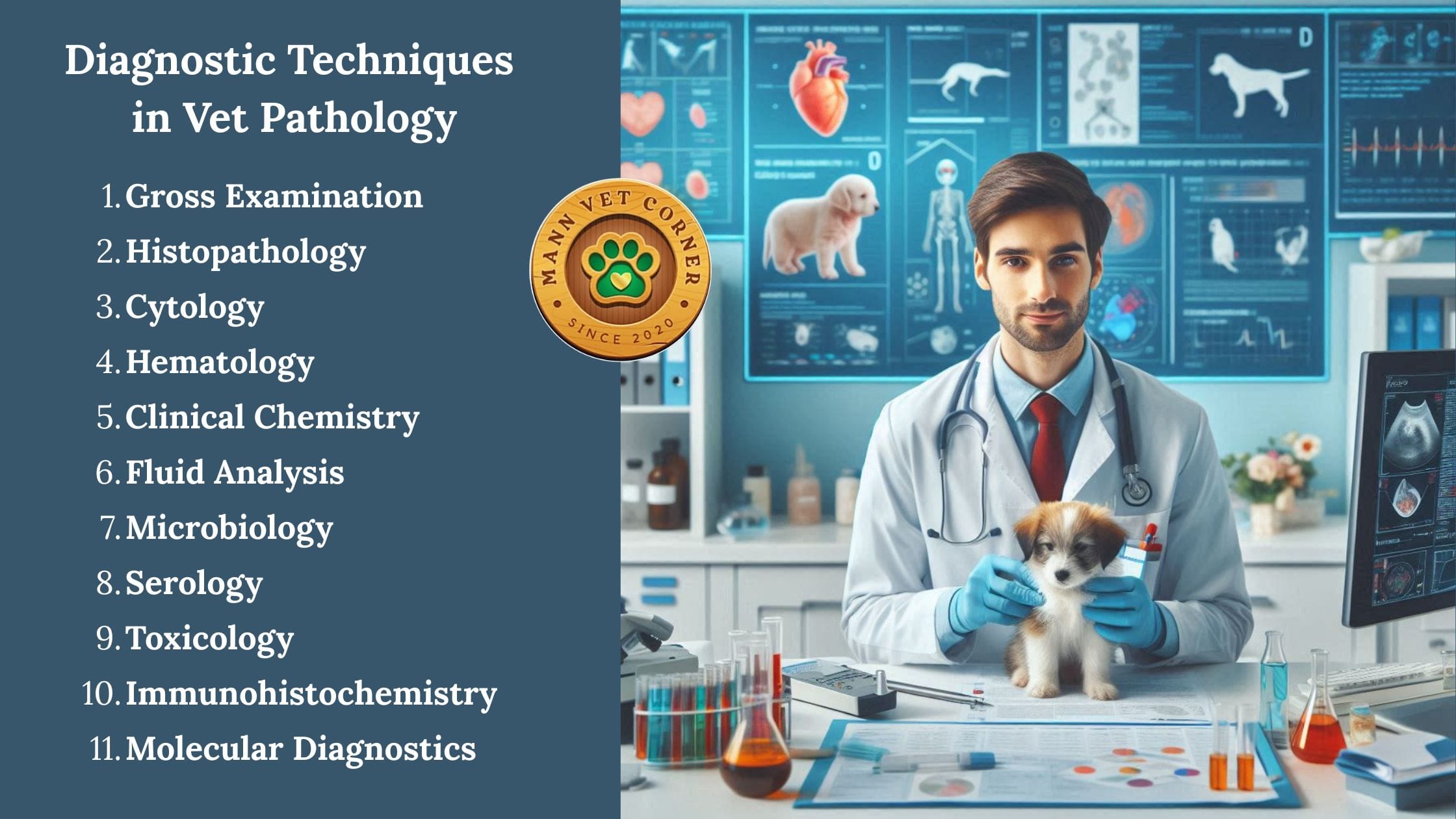
Diagnostic Techniques in Veterinary Pathology
Veterinary pathology is the study of diseases in animals, encompassing both anatomic pathology (examining tissues and organs) and clinical pathology (analyzing bodily fluids and cells). Diagnostic techniques are essential for identifying disease causes, guiding treatments, monitoring health, and preventing outbreaks in companion animals, livestock, wildlife, and exotic species. These methods integrate traditional observations with advanced…
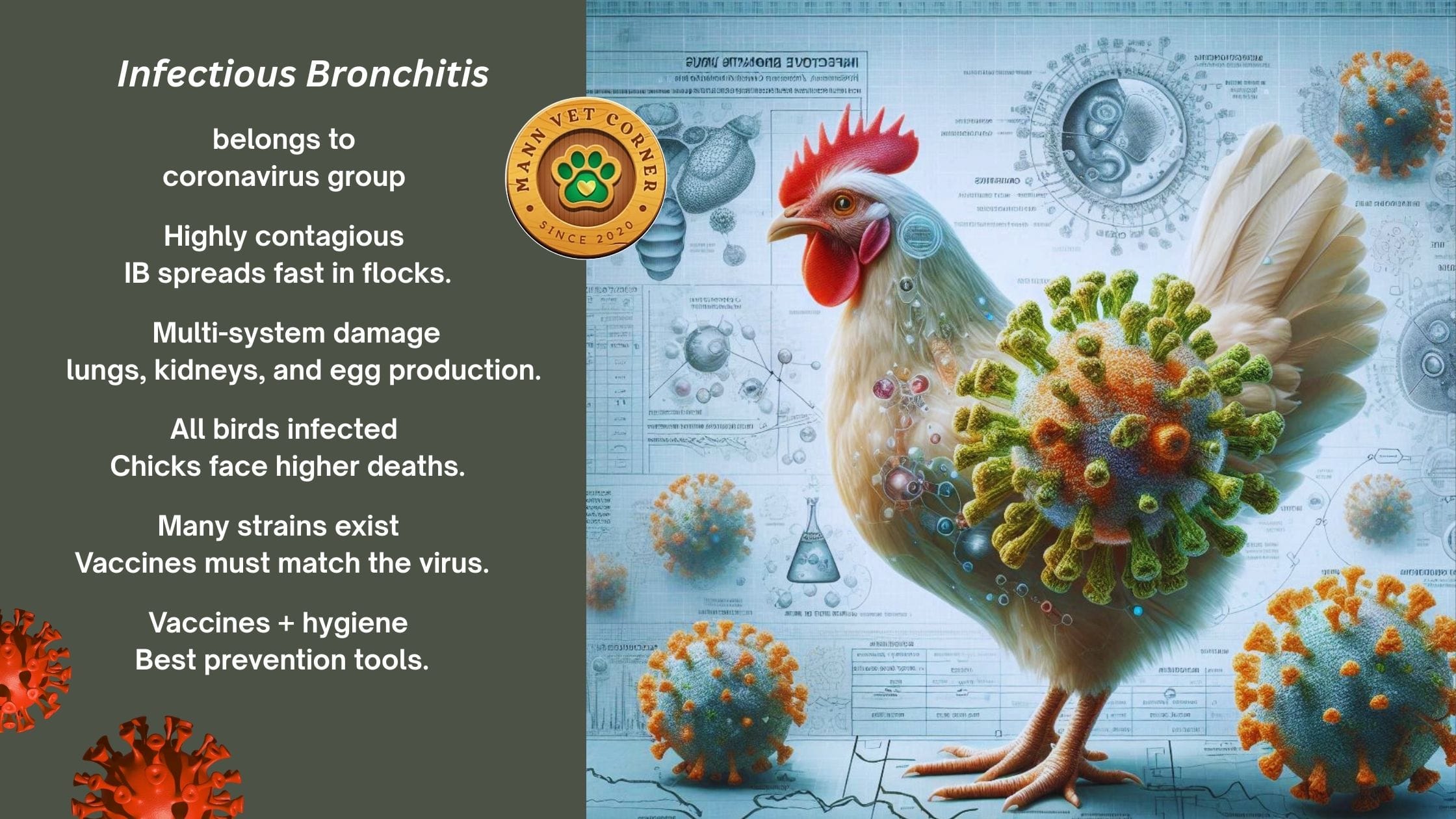
Infectious Bronchitis in Chickens
Introduction and History Infectious bronchitis (IB) is a highly contagious viral disease in chickens. It affects the respiratory, renal, and reproductive systems. Farmers first noticed infectious bronchitis in chickens in the 1930s. Experts in North Dakota, USA, described it in 1931. Schalk and Hawn saw young chicks gasping and acting weak. By 1933, scientists named it…
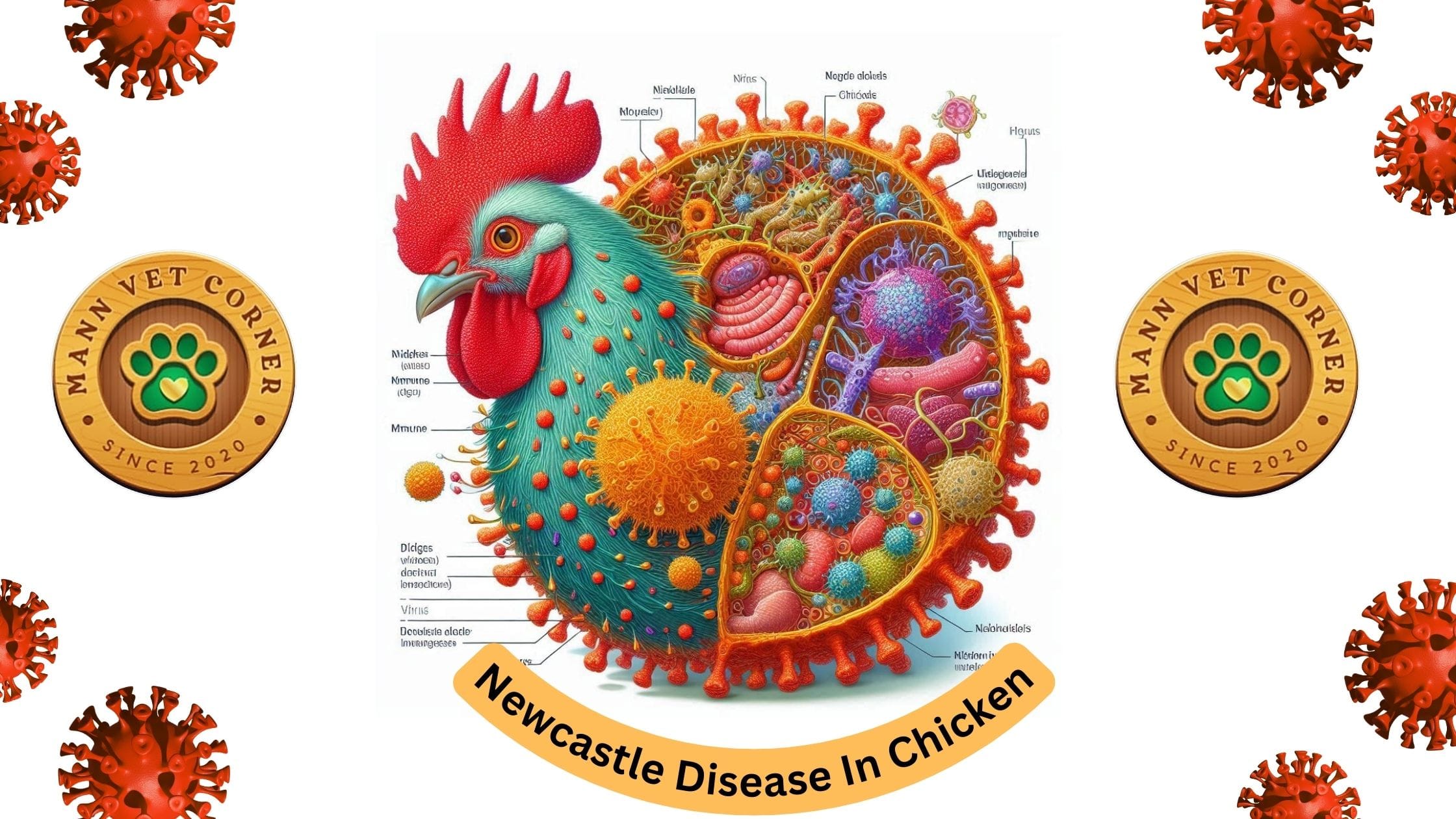
Newcastle Disease in Poultry
Newcastle disease (ND) is one of the most devastating viral infections in poultry, causing severe economic losses worldwide. The disease was first identified in 1926 in Newcastle-upon-Tyne, England, after an outbreak in imported birds. Since then, it has spread globally, with outbreaks reported in Asia, Africa, Europe, and the America. The virus is highly contagious, capable of wiping…
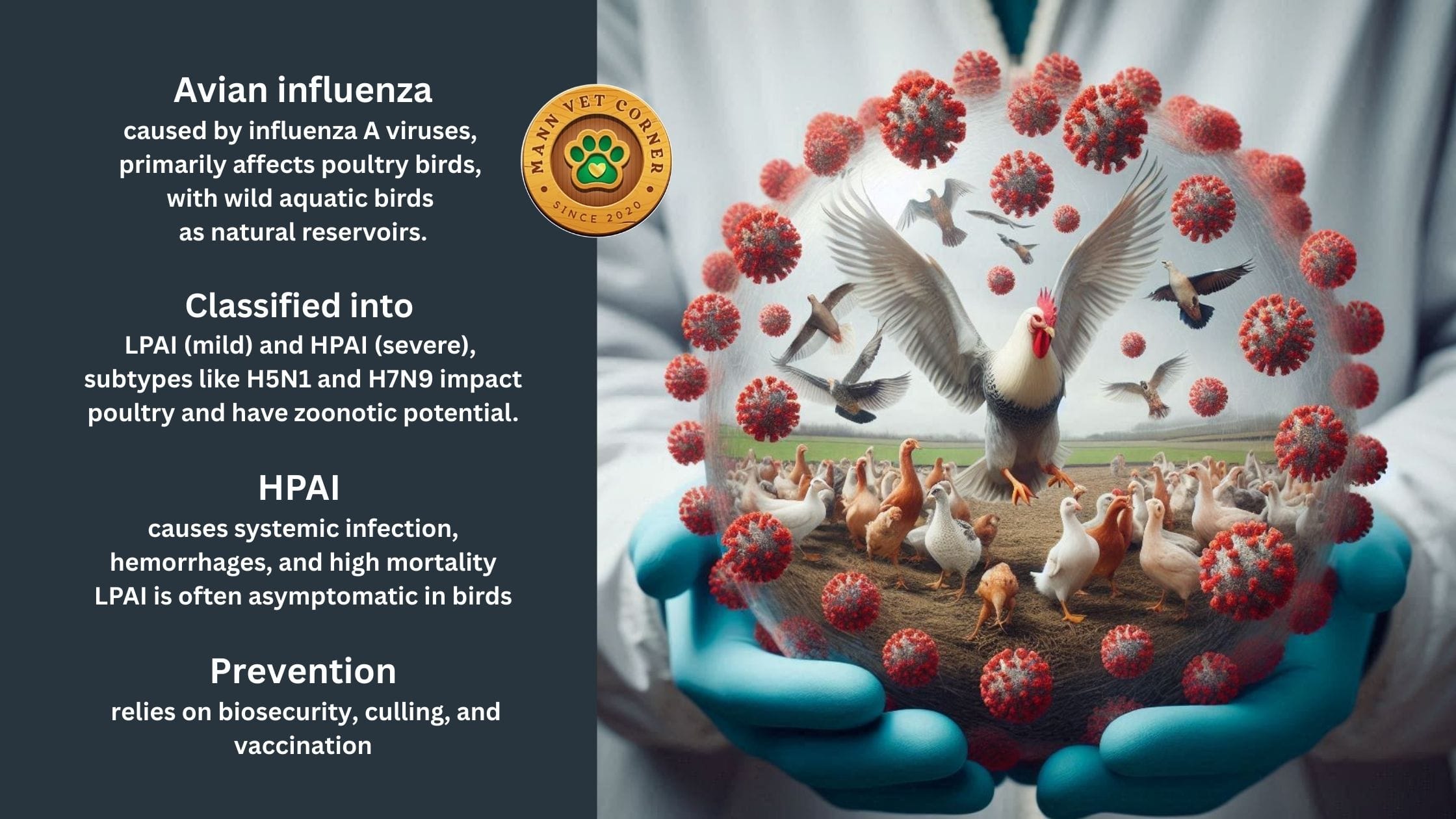
Avian Influenza
Introduction Avian influenza, commonly referred to as bird flu, is a highly contagious viral disease that primarily affects birds, both wild and domestic. It is caused by strains of the influenza A virus and can range from mild to severe forms, with significant economic impacts on poultry industries due to high mortality rates and trade…
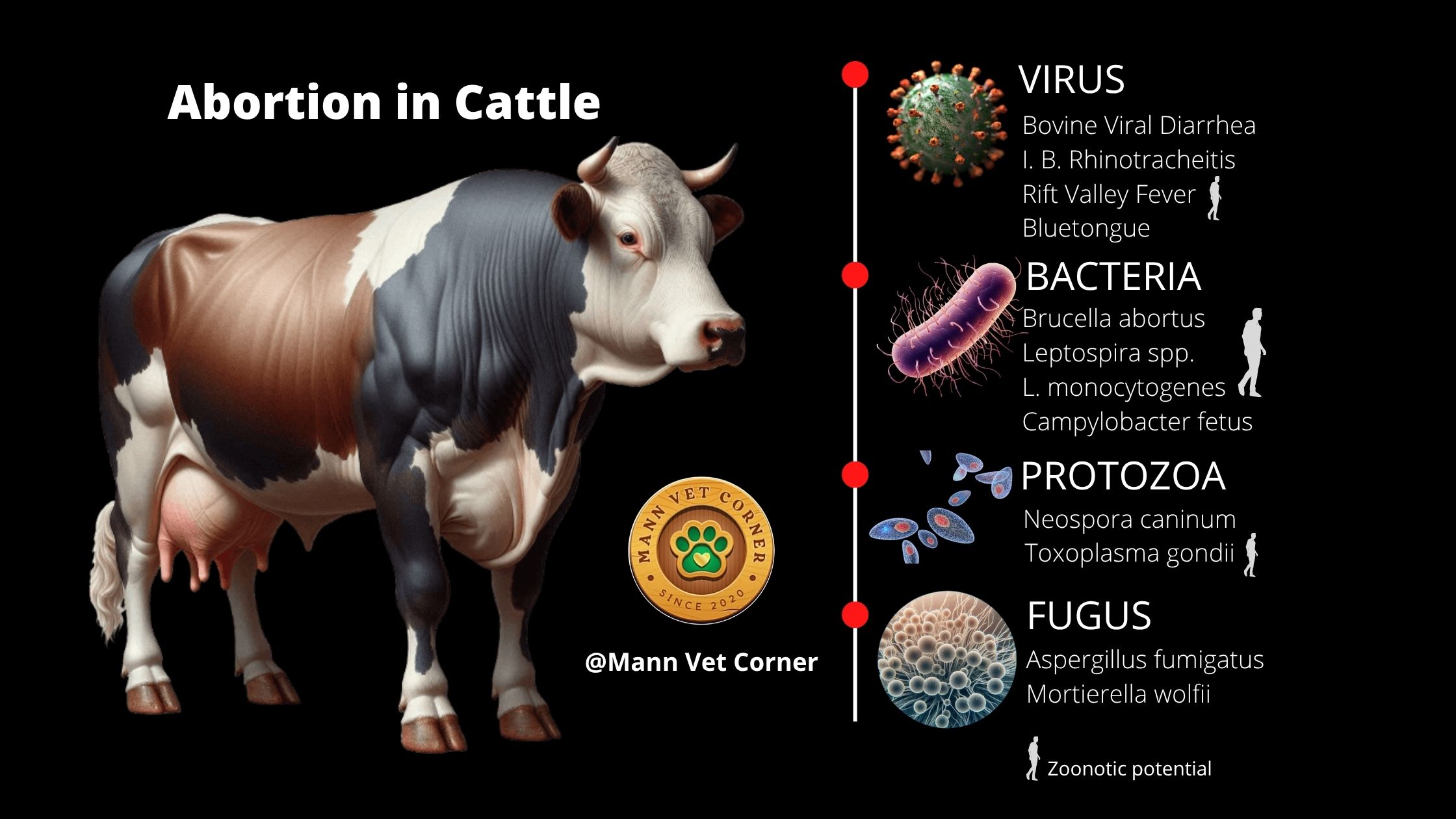
Abortion in Cattle: Comphrensive Review
Abortion in cattle is a major reproductive issue that impacts herd productivity, farm profitability, and animal welfare. It can occur due to infectious agents (viruses, bacteria, protozoa, and fungi) as well as non-infectious causes such as nutritional deficiencies, toxins, and stress. Understanding the underlying causes, clinical signs, diagnostic approaches, and prevention strategies is essential for…
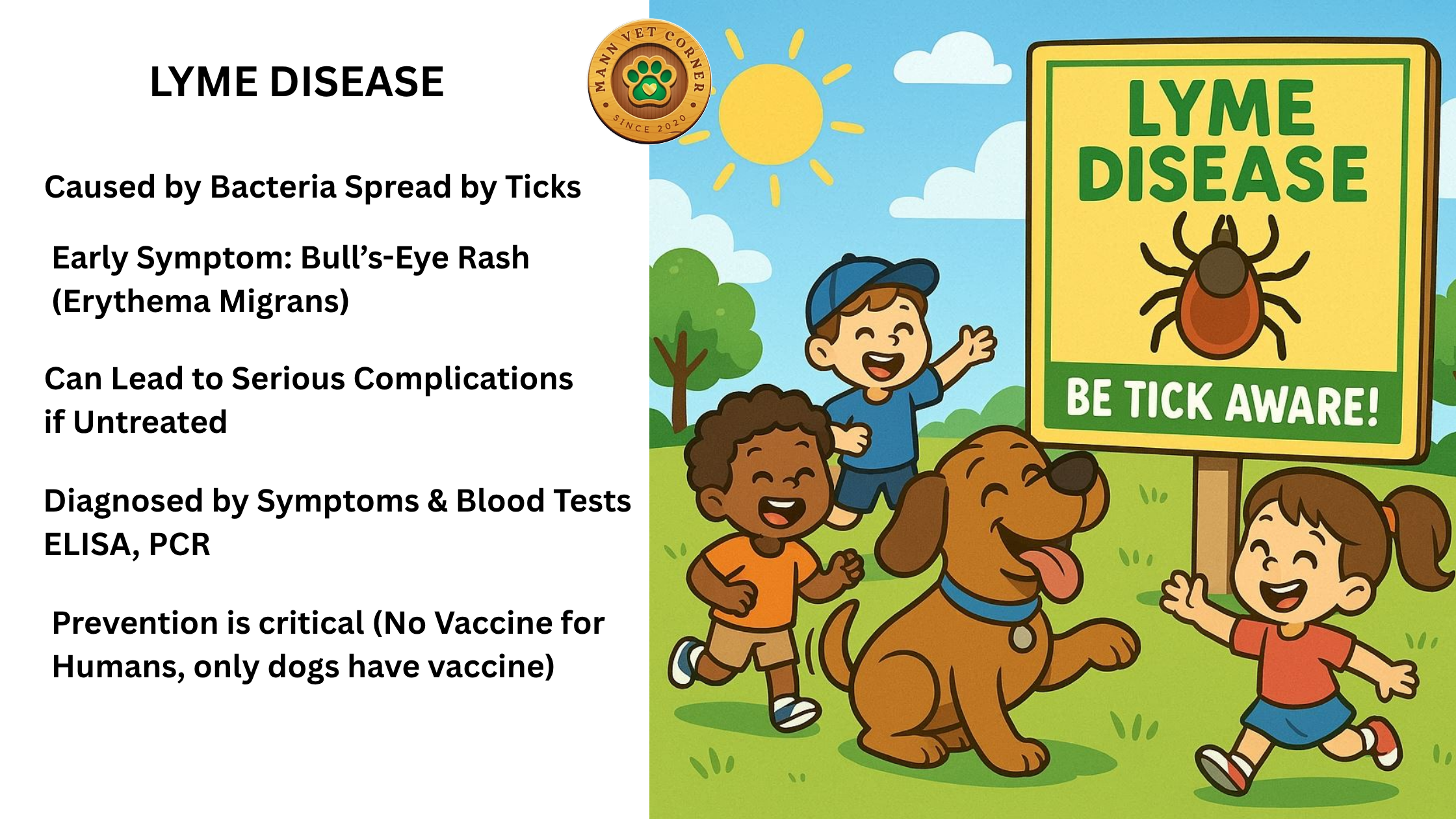
Lyme Disease
Lyme disease is a bacterial infection caused by Borrelia burgdorferi (and related species like Borrelia afzelii in Europe), transmitted primarily through bites from infected black-legged ticks (Ixodes scapularis in North America, Ixodes ricinus in Europe). It’s most common in temperate regions of North America, Europe, and Asia, with peak incidence in spring and summer when…
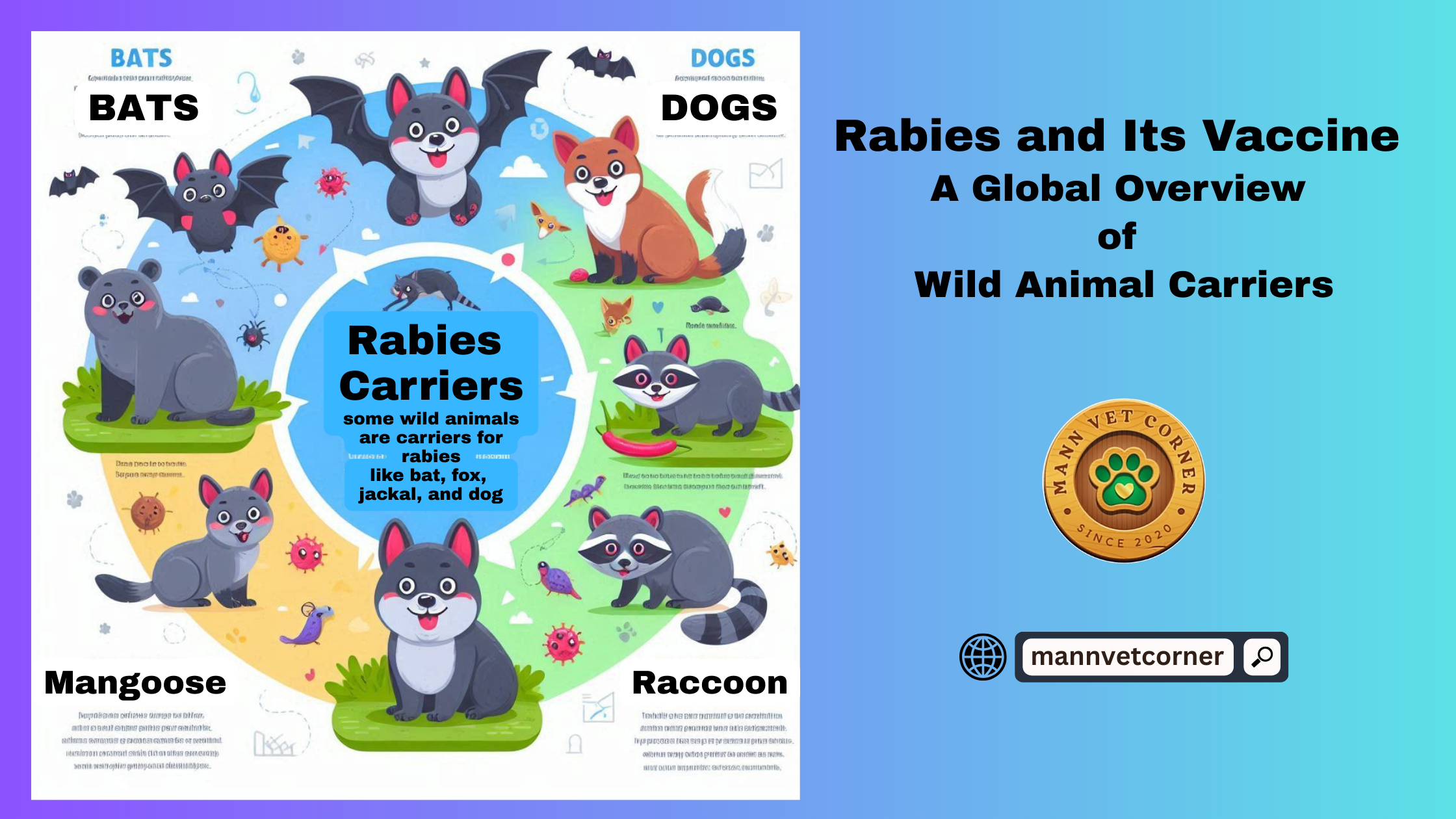
Rabies and Its Vaccine: A Global Overview of Wild Animal Carriers
Rabies remains a topic that sparks concern among dog owners, and understandably so. The disease carries a weighty reputation due to its severity and near-certain fatality once symptoms emerge. Despite its daunting nature, rabies is entirely preventable with proper measures, especially through the use of effective vaccines. This blog provides a global overview of rabies,…
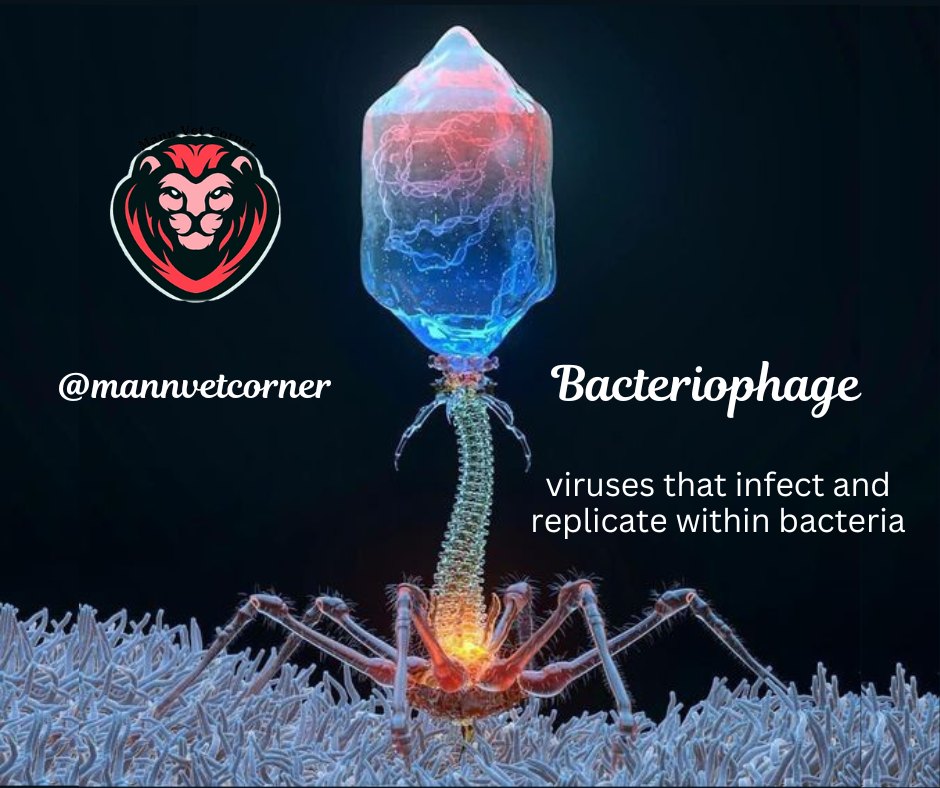
Bacteriophages in Veterinary Medicine

What Are Bacteriophages? Bacteriophages are viruses that infect bacteria, destroying them without harming animals or humans. They’ve been studied for over 100 years and are found naturally in soil, water, and animal bodies. In veterinary medicine, they’re being explored as a way to fight bacterial infections, especially those resistant to antibiotics. How Are They Used…
CCPP in Small Ruminants: A Vet’s Guide
CCPP small ruminants mycoplamsa