Latest posts
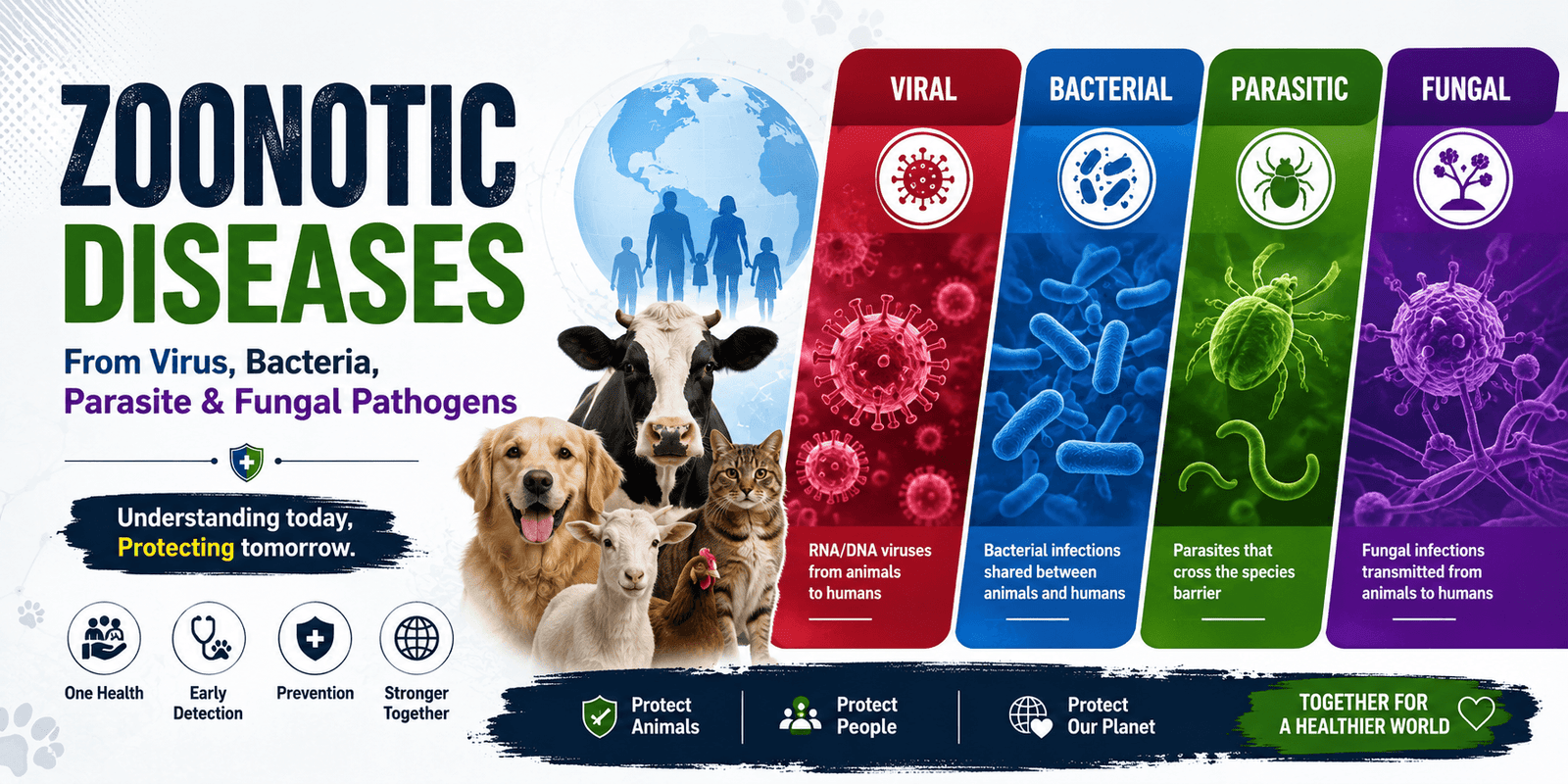
Zoonotic Diseases: A Complete List of Viral, Bacterial, Parasitic, and Fungal Diseases

Throughout history, humanity’s connection with animals has provided food, companionship, labor, and economic security. However, this close interaction also carries a significant biological consequence: zoonotic diseases (zoonoses). Zoonotic diseases list: viral, bacterial, parasitic, and fungal threats to human health. Pathogens ranging from viruses and bacteria to parasites and prions that jump from animals to humans…
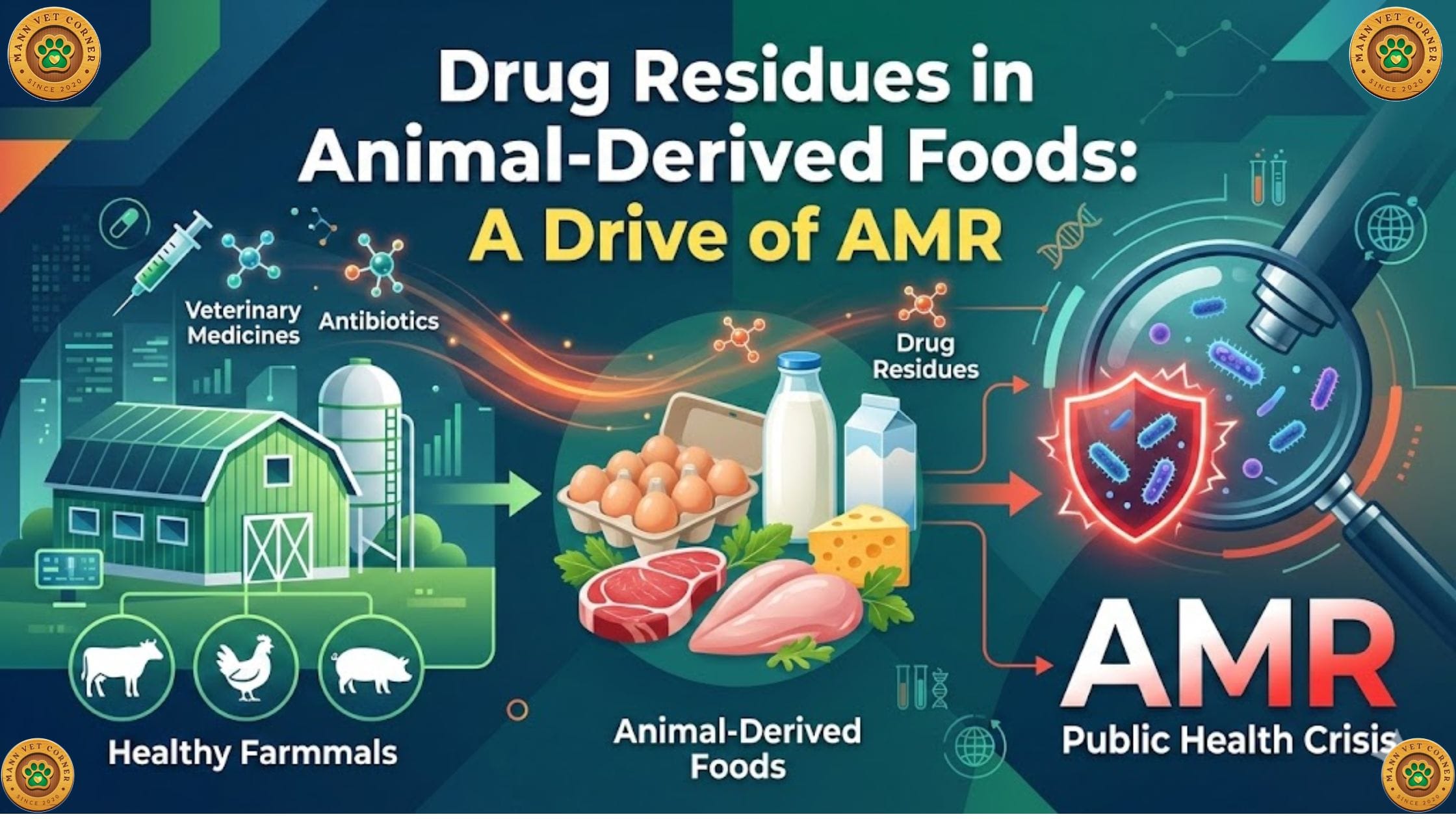
Drug Residues in Animal-Derived Foods: A Drive of AMR

Introduction Every time you pour a glass of milk, fry an egg, or slice into a steak, you trust that food on your plate is safe. But here is a truth that most people never hear: traces of veterinary antibiotics, antiparasitic drugs, and antimicrobials may be hiding inside those very foods. These invisible contaminants —…
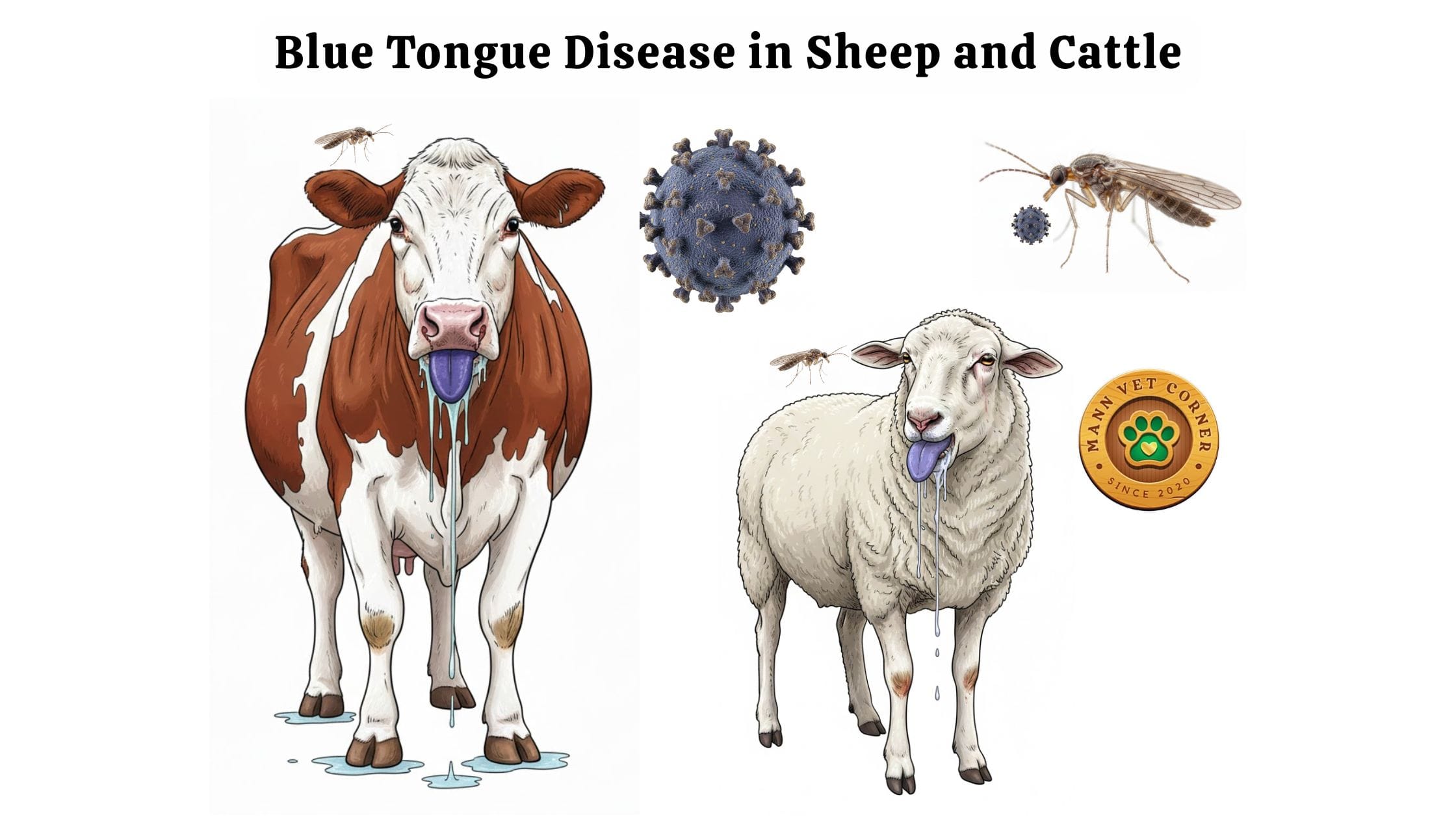
Blue Tongue Disease in Sheep and Cattle
Livestock farmers worldwide face constant challenges protecting their herds from infectious diseases. Blue Tongue Disease (BT) is a severe, insect-borne viral disease affecting sheep, cattle, goats, deer, and other ruminants, spread by biting midges, causing fever, swelling (especially of face/tongue, turning it blue), lameness, and potential death, though usually mild in cattle but highly fatal…
Listeriosis in Goats: Complete Guide to Circling Disease
From Symptoms, Pathogenesis, Treatment & Prevention Listeriosis strikes fear into the hearts of goat farmers worldwide. This bacterial infection, caused by Listeria monocytogenes, attacks the nervous system and can devastate entire herds within days. Listeriosis, also known as “circling disease” or “silage sickness,” is a serious bacterial infection in goats caused by the bacterium Listeria…
ELISA & It’s Types: Immunoassay in Animal Disease Diagnosis
What is ELISA? Understanding the Enzyme-Linked Immunosorbent Assay The Enzyme-Linked Immunosorbent Assay (ELISA) is a widely used immunoassay technique in animal disease diagnosis that detects and quantifies specific antigens (the infectious agents or other target molecules) or antibodies (proteins produced by the animal’s immune system in response to an antigen) in biological samples. The ELISA…
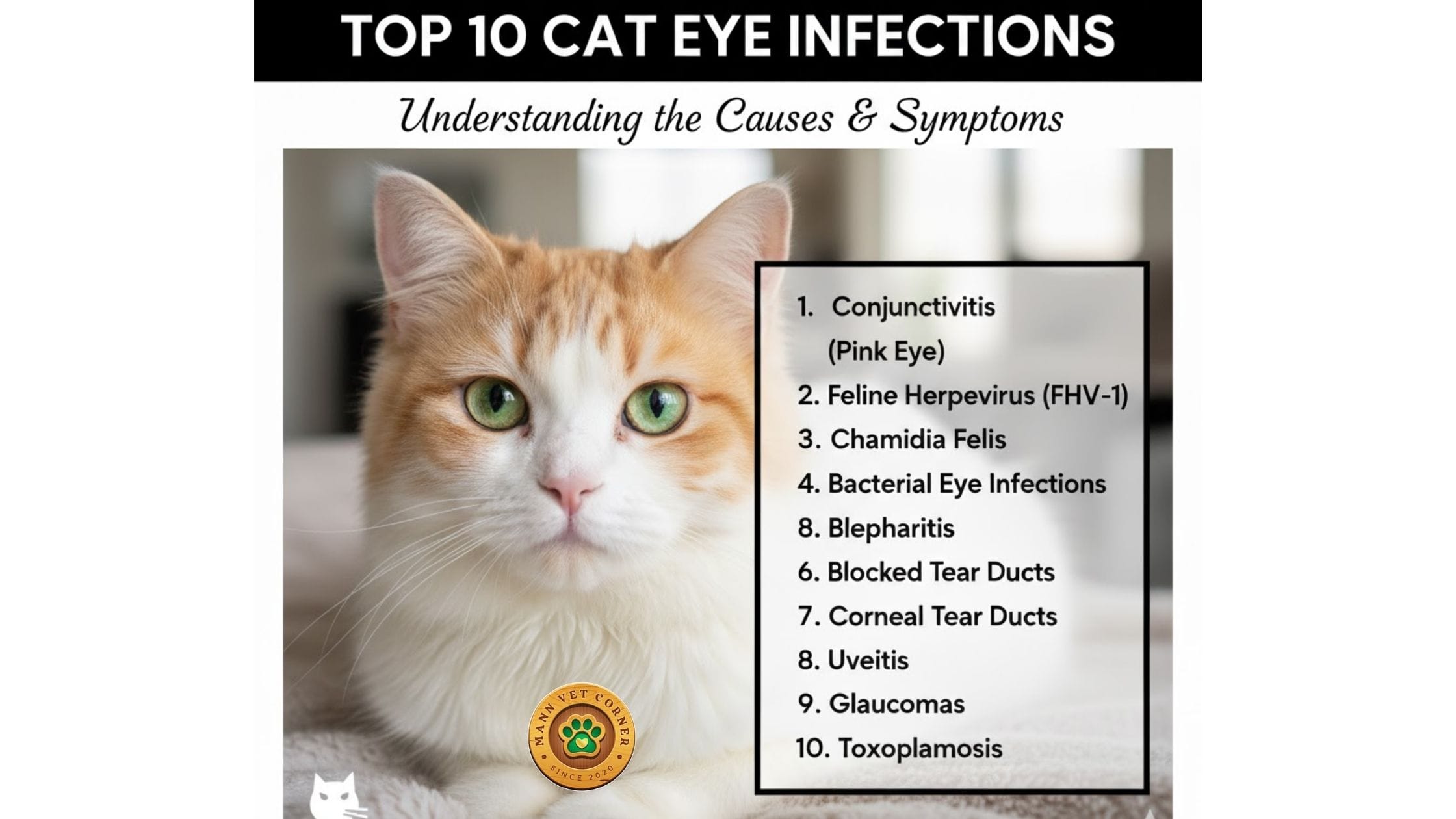
Top 10 Cat Eye Infections & Care: Expert Vet Guide
Expert Vet Guide to Feline Eye Health Cat eye infections are among the most common health issues affecting our feline companions. Whether you’re noticing discharge, redness, or squinting, understanding the causes and proper care methods can help protect your cat’s vision and overall wellbeing. This comprehensive guide covers the top 10 cat eye infections, their…
Hemagglutination Assay in Veterinary Disease Diagnosis
Principle, Types, Method, Uses The hemagglutination assay stands as one of the most valuable diagnostic tools in veterinary medicine. This simple yet powerful laboratory technique helps veterinarians detect and identify various infectious agents affecting animals. The hemagglutination assay is used to detect and quantify viruses, bacteria, or antibodies based on their ability to agglutinate red…
Complete Blood Count (CBC) Report: Viral Diseases in Animals
Introduction Viral infections in animals produce characteristic hematological changes that can be detected through comprehensive CBC analysis, serving as crucial diagnostic indicators for veterinary practitioners. During viral pathogenesis, the immune system responds with measurable alterations in white blood cell populations, including initial lymphopenia (decrease number of lymphocytes) followed by potential lymphocytosis (increase number of lymphocytes),…
Strongest Natural Antivirals for Herpes Virus
Introduction The herpes virus, a persistent and widespread pathogen, affects both humans and animals, causing a range of uncomfortable and sometimes severe symptoms. In humans, herpes simplex virus (HSV) types 1 and 2 lead to oral and genital herpes, marked by painful sores, itching, and recurrent outbreaks. In animals, various herpesviruses cause diseases like feline…
Foodborne Diseases in Pets
Foodborne illnesses, commonly known as food poisoning, are a significant concern for pets as well as humans. These diseases occur when pets consume contaminated food, treats, or water, leading to symptoms like vomiting, diarrhea, lethargy, and, in severe cases, life-threatening complications. Pets can also transmit foodborne pathogens to humans through improper handling of their food…