Latest posts
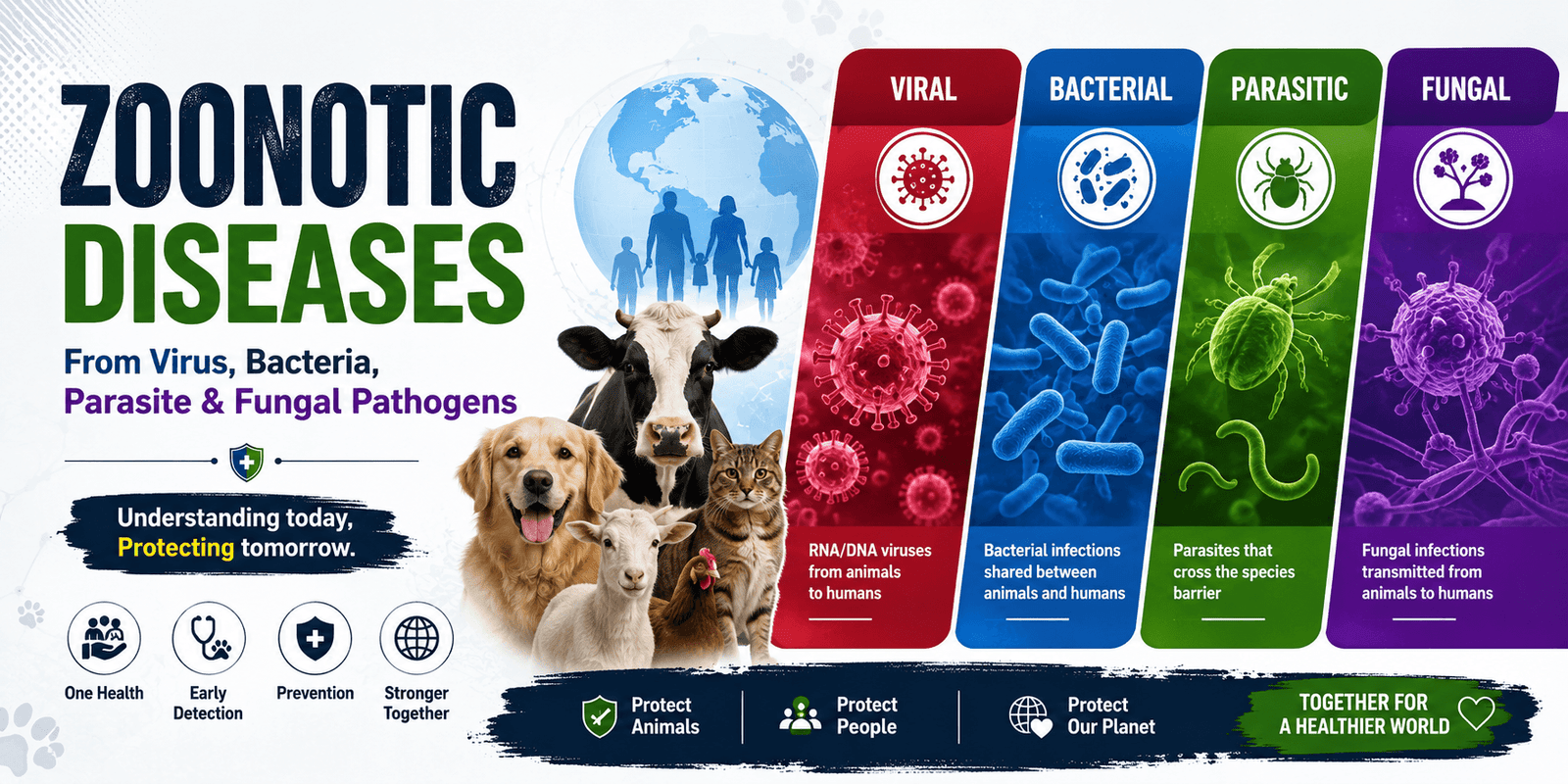
Zoonotic Diseases: A Complete List of Viral, Bacterial, Parasitic, and Fungal Diseases

Throughout history, humanity’s connection with animals has provided food, companionship, labor, and economic security. However, this close interaction also carries a significant biological consequence: zoonotic diseases (zoonoses). Zoonotic diseases list: viral, bacterial, parasitic, and fungal threats to human health. Pathogens ranging from viruses and bacteria to parasites and prions that jump from animals to humans…
Exudates vs. Transudates in Effusion Diagnosis

Introduction When fluid accumulates in the pleural, peritoneal, or pericardial cavities of a canine, feline, equine, or bovine patient, clinicians face a diagnostic critical point. Fluid accumulation is rarely a primary disease; rather, it is a liquid manifestation of systemic hemodynamic failure, microvascular disruption, severe metabolic compromise, or localized inflammation. Understanding exudate vs transudate veterinary…
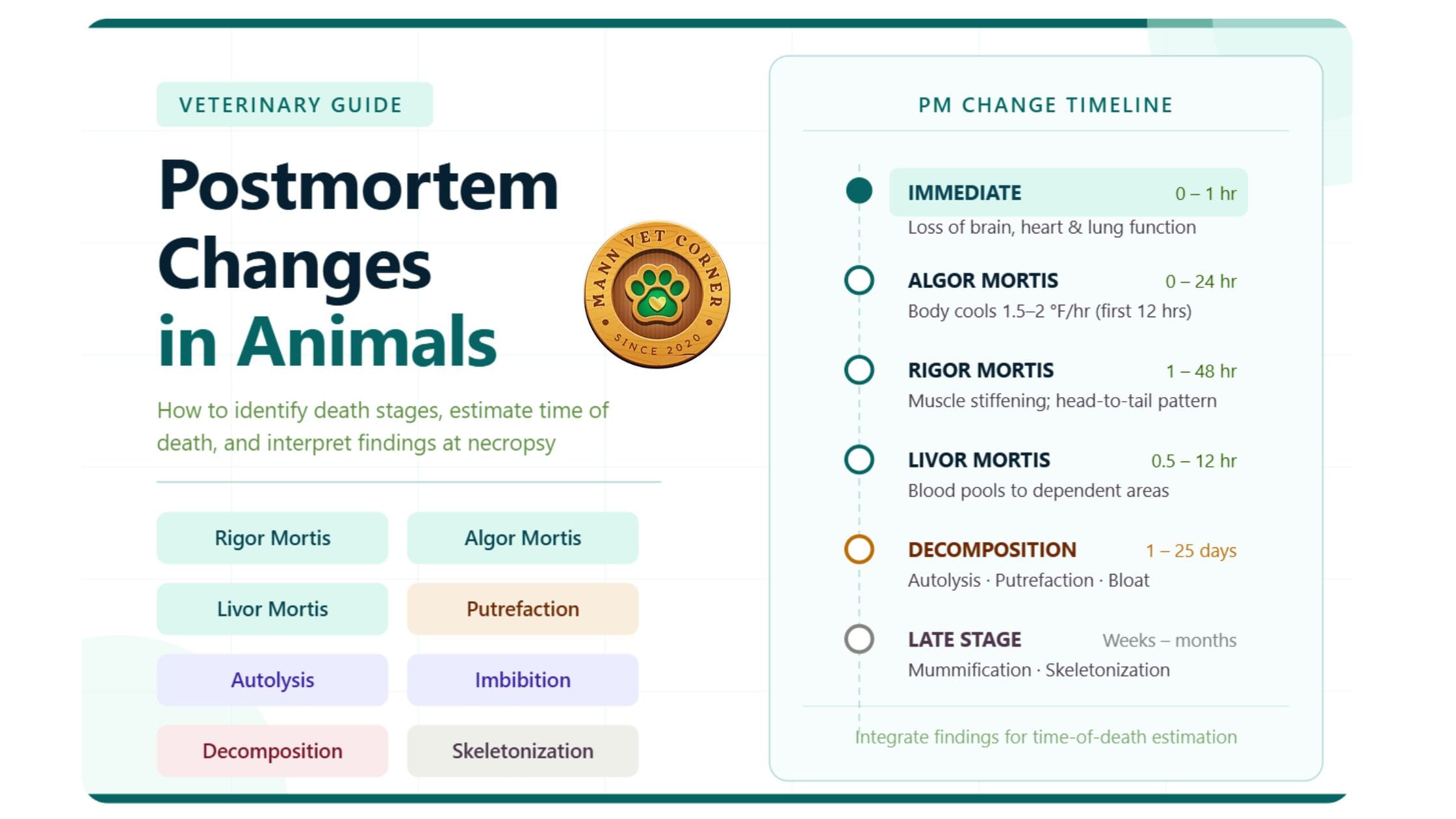
Postmortem Changes in Animals

How to Identify Death Stages, Estimate Time of Death, and Interpret What You See at Necropsy Introduction When a veterinarian arrives to examine a dead animal — whether in a field, a barn, or a clinic — one of the first and most critical tasks is not to immediately perform a necropsy, but to read…
Canine Dysautonomia: A Mysterious Disease and the Search for Answers
Some diseases are well understood, with clear causes and established treatments. Others remain unresolved, sitting at the edge of what we know. Canine dysautonomia (CD) is one of those diseases. As a veterinarian and PhD student at the University of Wyoming, my work focuses on understanding canine dysautonomia where multiple systems—and possibly multiple factors— interact.…
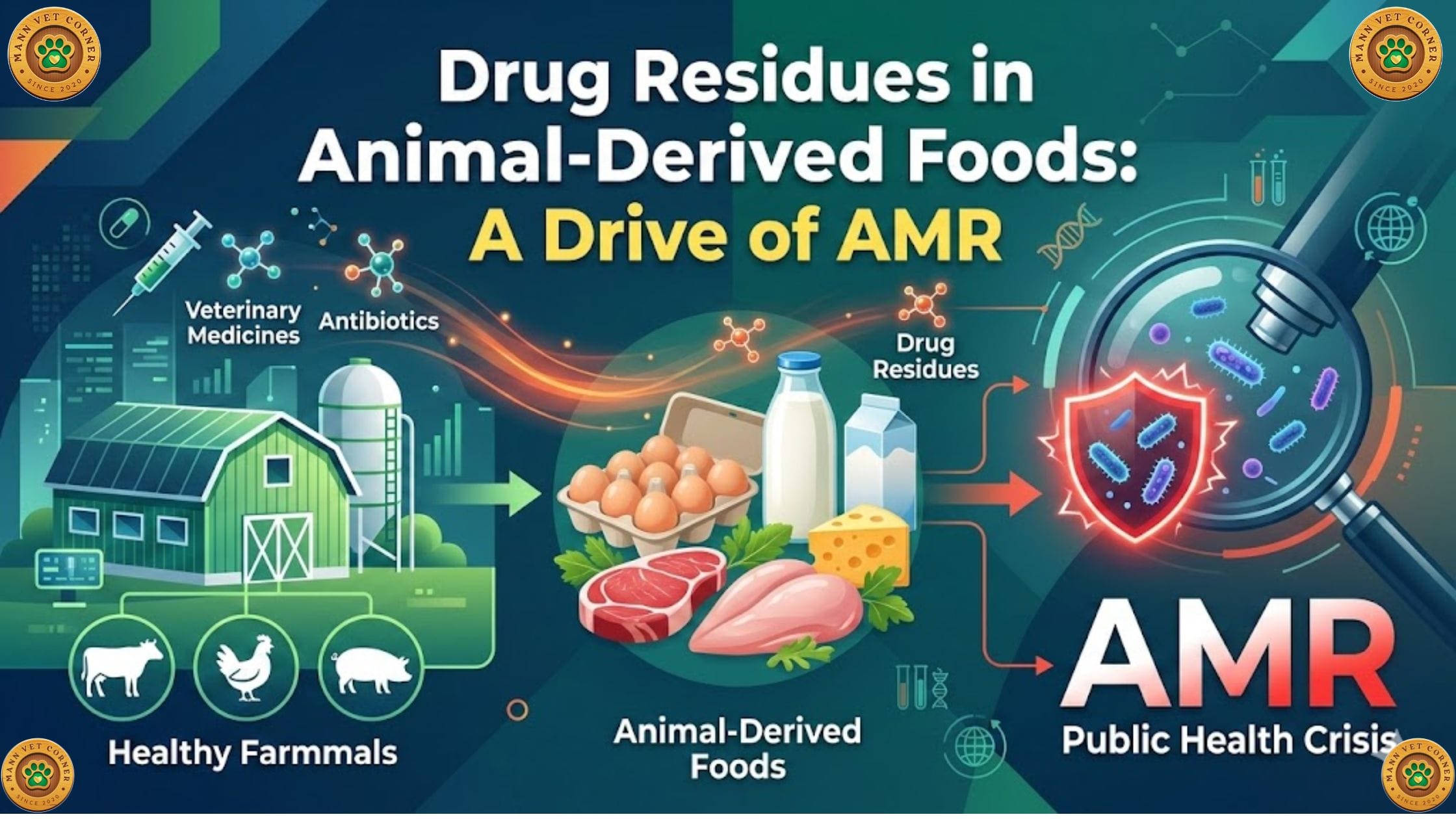
Drug Residues in Animal-Derived Foods: A Drive of AMR
Introduction Every time you pour a glass of milk, fry an egg, or slice into a steak, you trust that food on your plate is safe. But here is a truth that most people never hear: traces of veterinary antibiotics, antiparasitic drugs, and antimicrobials may be hiding inside those very foods. These invisible contaminants —…
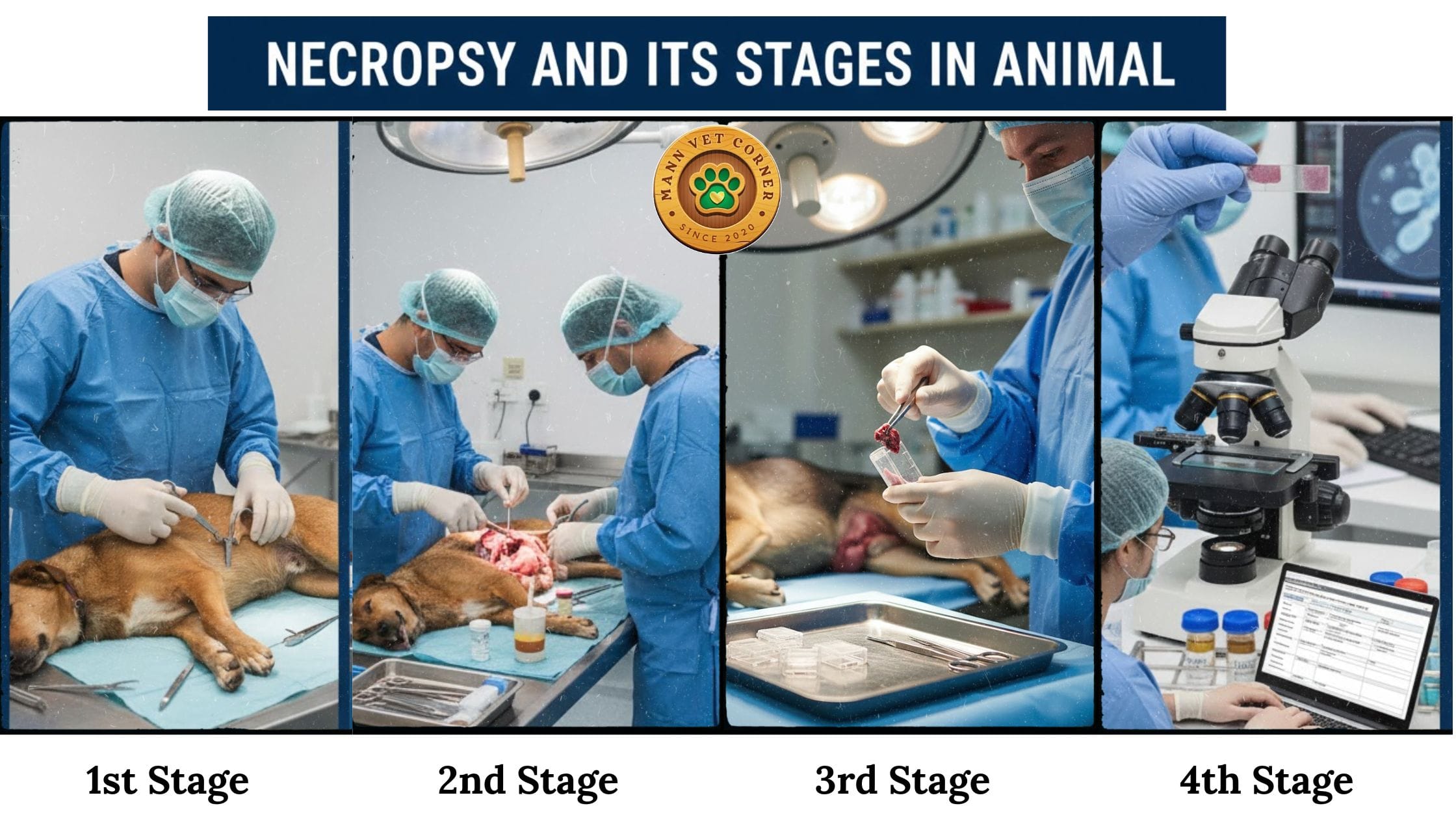
Necropsy and Its 4 Stages: A Complete Guide
Most people picture necropsy as nothing more than cutting open a dead animal. In reality, a complete necropsy follows a rigorous, four-stage scientific process; one that transforms a carcass into a detailed medical story. A necropsy (also known as a post-mortem exam or autopsy in humans) is the systematic dissection and examination of an animal…
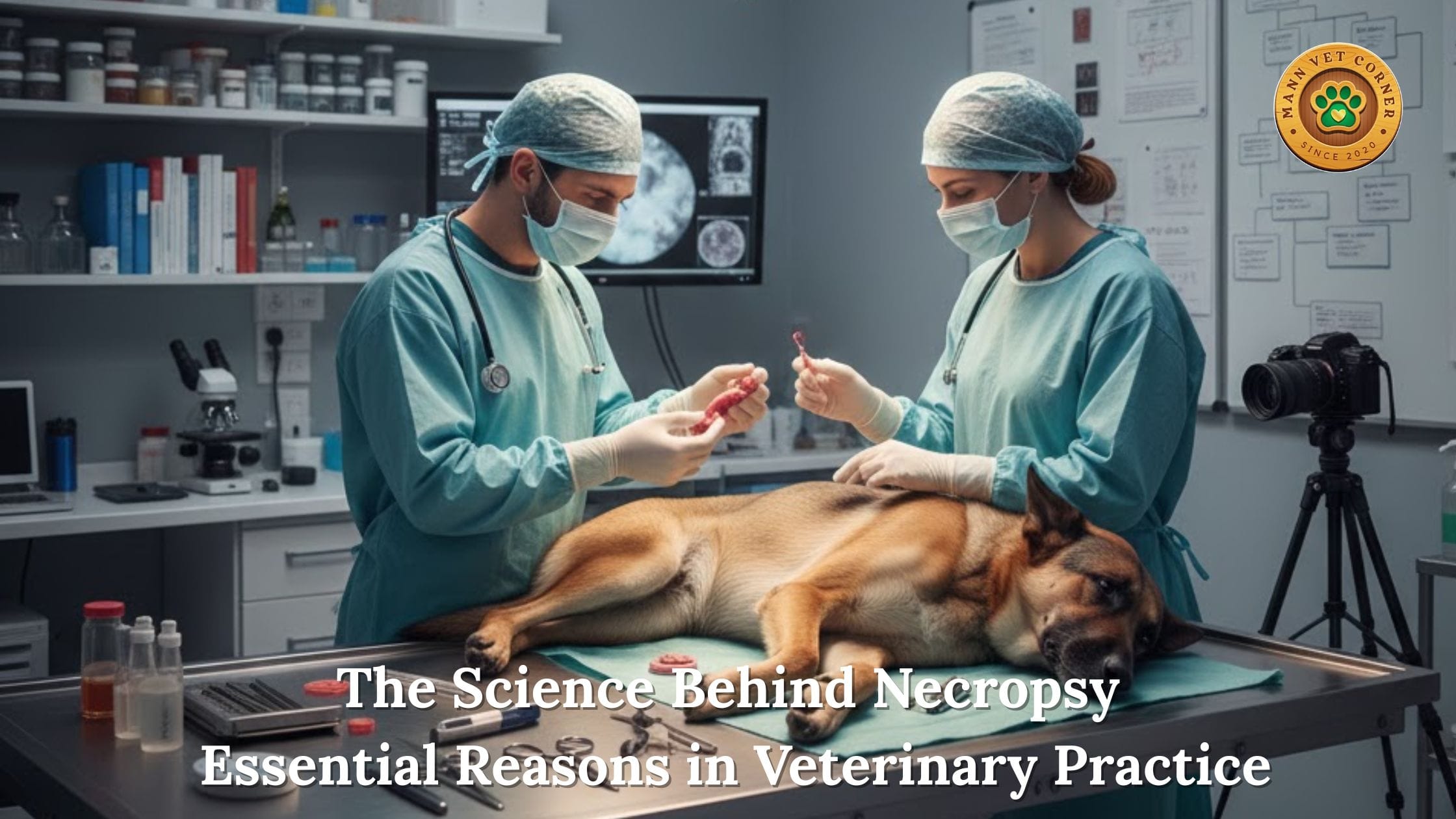
The Science Behind Necropsy: Essential Reasons in Veterinary Practice
When an animal dies — whether a beloved family pet, a research subject, or a farm animal — necropsy in veterinary medicine becomes a vital tool for uncovering the truth behind death. The Science Behind Necropsy: Essential Reasons in Veterinary Practice highlights how this veterinary necropsy science is more than a procedure; it is a…
Horse Colic: Abdominal Pain in Horses
Abdominal pain in horses represents one of the most critical veterinary emergencies that equine owners face today. Colic in horses is a broad term for abdominal pain, often from gastrointestinal issues like gas, impaction, or blockages, but can stem from other organs, with signs from mild (lethargy, pawing) to severe (violent rolling). It’s a common…
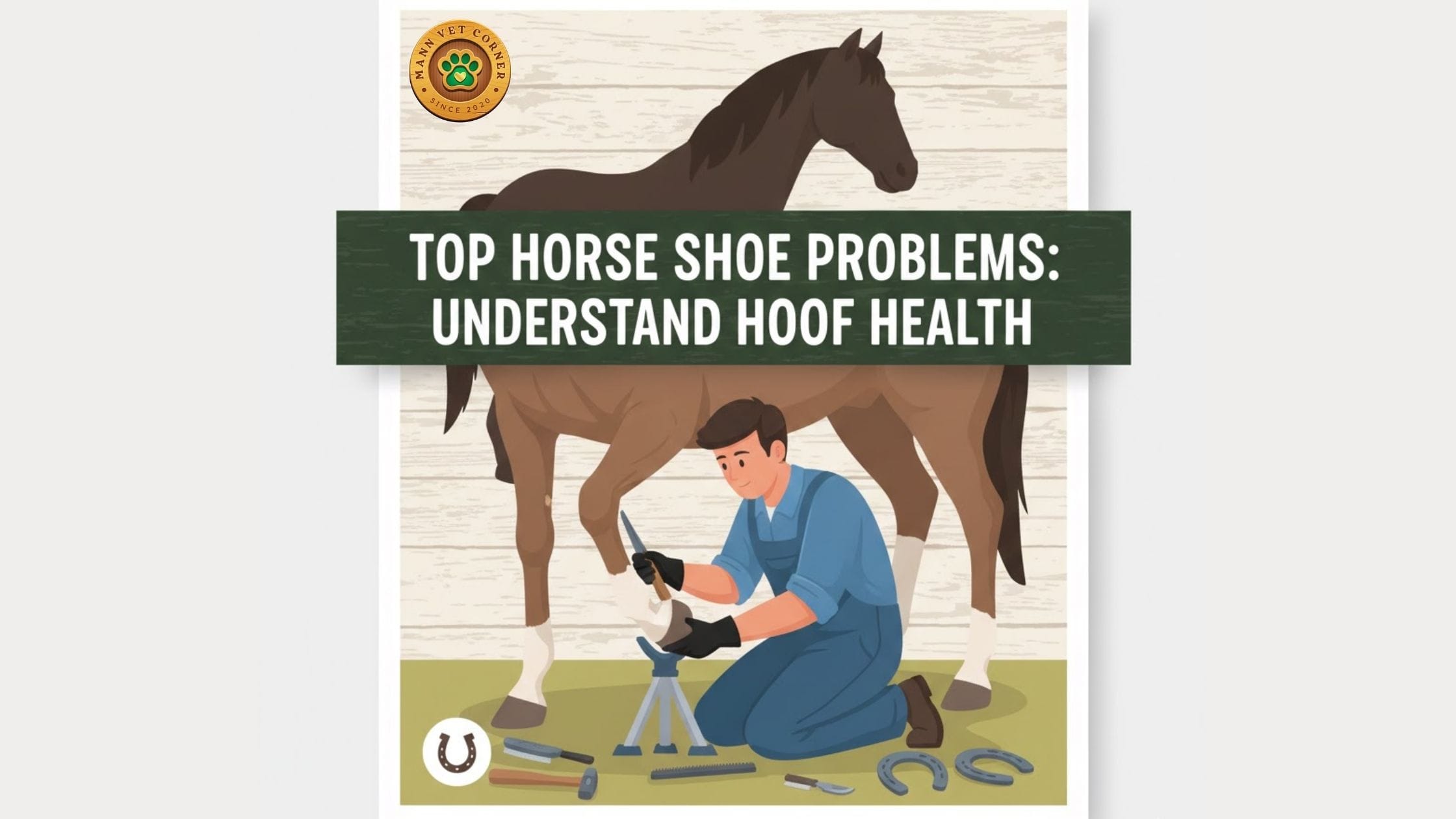
Top Horse Shoe Problem: Understand Hoof Health
Horse owners and equestrian professionals face numerous challenges when managing equine hoof health. Horseshoe problems represent a significant concern that affects horses worldwide, ranging from minor discomfort to severe lameness that can end a horse’s career. Understanding these issues, their causes, and effective solutions helps horse owners maintain optimal hoof health and prevent costly veterinary…
Terminology on the Necropsy Practice
Veterinary Necropsy Glossary for Domestic Animals A comprehensive terminology guide for necropsy practice in companion and domestic animals. A Abdominal cavity – The space within the abdomen containing digestive organs, liver, spleen, kidneys, and other structures. Abomasum – The fourth or true stomach in ruminants, examined for ulcers, parasites, and other pathology. Abscess – A…