

Did you know that nearly 70% of milk samples tested globally contain some form of adulteration? This alarming statistic from recent food safety studies highlights a critical issue affecting millions of consumers worldwide in recent research paper. Milk adulteration – the practice of adding foreign substances to milk to increase quantity or extend shelf life – poses serious health risks that every consumer should understand.
In this comprehensive guide, you’ll discover everything you need to know about milk adulteration, from identifying common adulterants to performing simple home tests and choosing the best detection kits available in 2025-26.
What is Milk Adulteration?
Milk adulteration refers to the intentional addition of foreign substances to milk to increase volume, reduce costs, or mask spoilage. This fraudulent practice compromises milk’s nutritional value and can introduce harmful chemicals that pose significant health risks to consumers.
Why Does Milk Adulteration Occur?
The primary motivations behind milk adulteration include:
- Economic gain: Increasing milk volume with cheaper substances
- Extended shelf life: Adding preservatives to prevent spoilage
- Cost reduction: Diluting expensive milk with cheaper alternatives
- Visual enhancement: Improving color and consistency
The global milk industry loses billions annually due to food fraud, with adulteration being a major contributor to these losses.
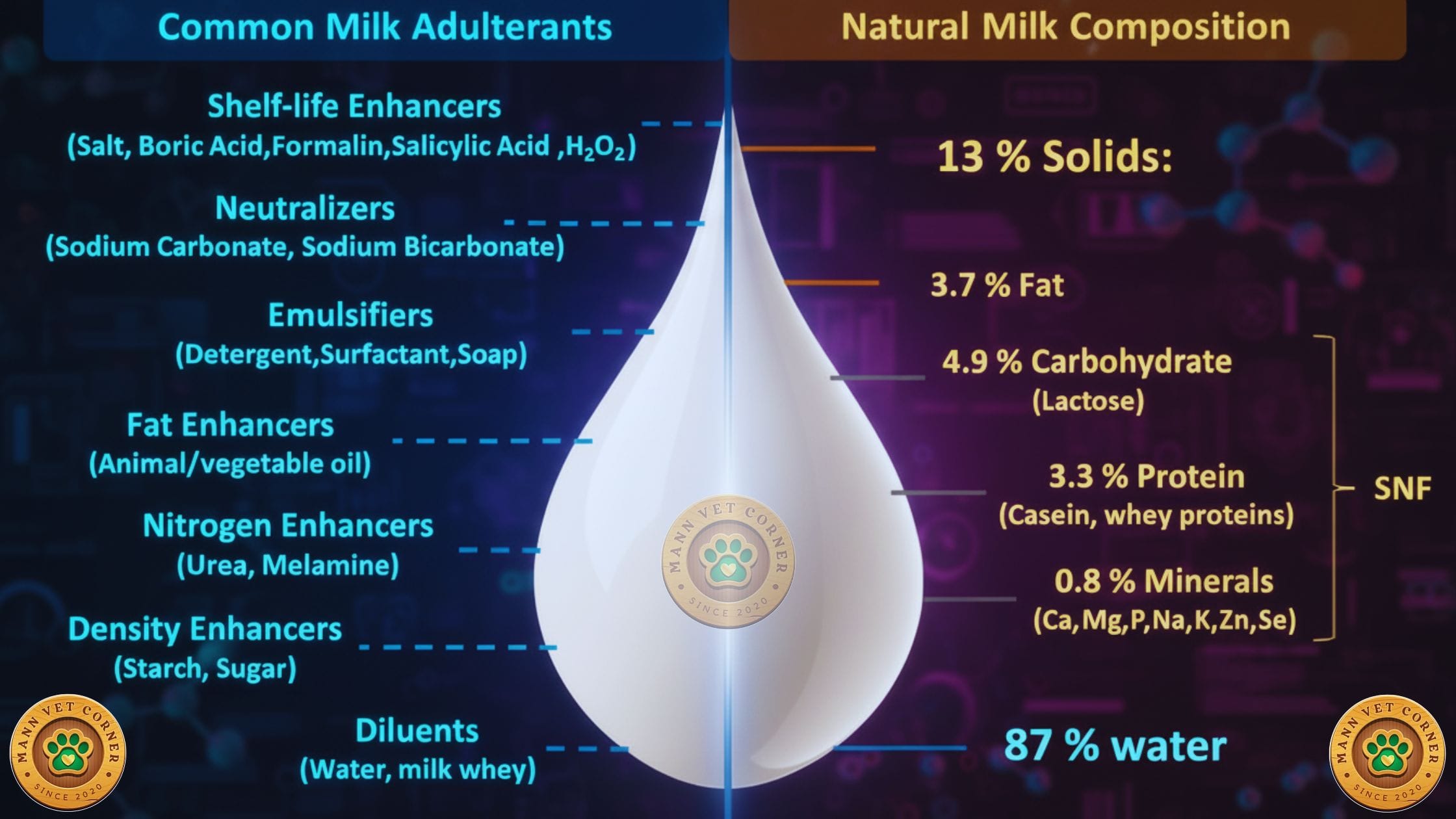
Common Types of Milk Adulterants
Understanding what substances are commonly added to milk helps you identify potential risks and choose appropriate milk adulteration detection methods.
Water: The Most Common Adulterant
Water adulteration accounts for approximately 40% of all milk fraud cases. While seemingly harmless, adding water:
- Reduces nutritional density
- Increases risk of bacterial contamination
- Dilutes essential vitamins and minerals
- May introduce waterborne pathogens
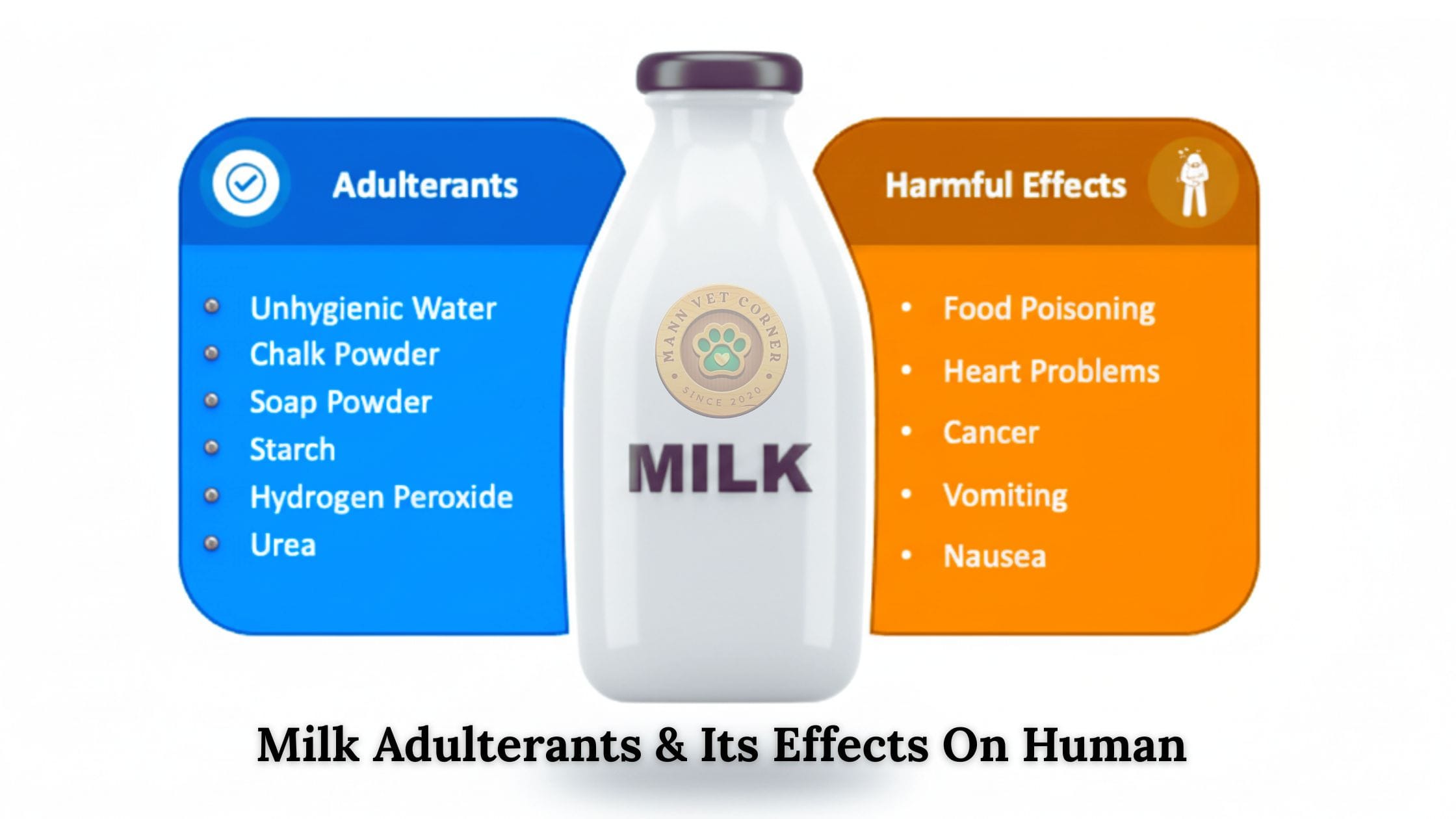
Chemical Adulterants and Their Dangers
Synthetic Milk Components
- Urea: Added to increase protein content artificially
- Caustic soda: Used to neutralize acidity in spoiled milk
- Hydrogen peroxide: Acts as a preservative but is toxic in large quantities
- Formalin: Prevents spoilage but is a known carcinogen
Detergents and Soaps
These create foam and improve texture but cause severe digestive issues and long-term health problems.
Starch and Flour
Added to increase thickness and volume, these adulterants can harbor harmful bacteria and reduce milk’s digestibility.
Health Impacts of Adulterated Milk
Consuming adulterated milk can lead to:
- Immediate effects: Stomach upset, diarrhea, food poisoning
- Long-term consequences: Kidney damage, cancer risk, nutritional deficiencies
- Vulnerable populations: Children and older face higher risks
How to Detect Milk Adulteration: Simple Home Tests
Learning how to test milk adulteration at home empowers you to protect your family’s health. Here are proven methods you can use with common household items.
1. Water Detection Test (Lactometer Method)
What you need: Lactometer (available at dairy supply stores)
Steps:
- Fill a clean container with milk sample
- Gently lower the lactometer into the milk
- Read the measurement where the stem meets milk surface
- Compare with standard values (pure milk: 1.026-1.035 specific gravity)
Results: Lower readings indicate water adulteration.
2. Simple Drop Test for Water
What you need: A clean, dry surface
Steps:
- Place one drop of milk on a smooth, slanted surface
- Observe how the drop flows
- Pure milk flows slowly, leaving a white trail
- Watered milk flows quickly with minimal residue
3. Boiling Test for Chemical Detection
What you need: Small saucepan, stove
Steps:
- Heat a small amount of milk to boiling
- Observe changes in color, smell, or consistency
- Pure milk maintains normal appearance and smell
- Adulterated milk may change color or develop off-odors
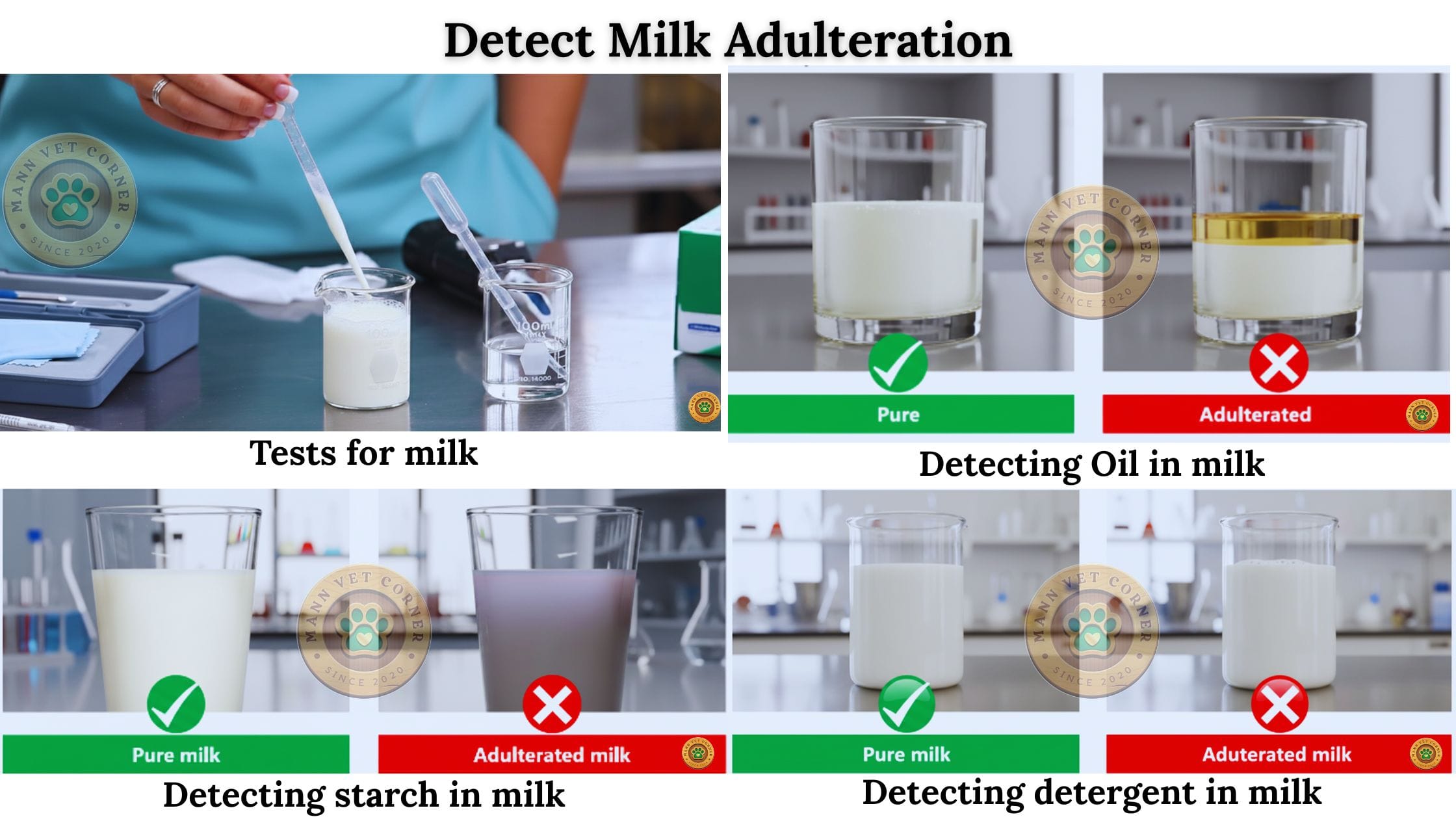
4. Bread Test for Synthetic Milk
What you need: Fresh bread slice
Steps:
- Soak bread in milk sample for 5 minutes
- Remove and observe bread texture
- Natural milk keeps bread soft and intact
- Synthetic milk may make bread slimy or dissolve it
5. Iodine Test for Starch Detection
What you need: Iodine solution (from pharmacy)
Steps:
- Add 2-3 drops of iodine to milk sample
- Stir gently and observe color change
- Blue or purple color indicates starch presence
- No color change means starch-free milk
Professional Milk Adulteration Testing Methods
For accurate results, professional milk adulteration detection methods provide comprehensive analysis.
Laboratory Testing Procedures
Chromatography Analysis
- Gas Chromatography (GC): Detects volatile adulterants
- High-Performance Liquid Chromatography (HPLC): Identifies complex adulterants
- Accuracy rate: 99.5% for most common adulterants
Spectroscopy Methods
- Near-Infrared Spectroscopy: Rapid, non-destructive testing
- Fourier Transform Infrared Spectroscopy: Detailed chemical composition analysis
- Testing time: Results within 2-5 minutes
Regulatory Testing Standards
Government agencies worldwide have established testing protocols:
- FDA Standards: Minimum fat and protein content requirements
- FSSAI Guidelines: Comprehensive adulteration testing protocols
- EU Regulations: Strict quality control measures
Best Milk Adulteration Test Kits for Home Use
Modern milk adulteration test kits make professional-grade testing accessible to consumers.
Top-Rated Testing Kits (2025-26)
1. MilkGuard Pro Test Kit
- Tests for: 15 common adulterants
- Time required: 5-10 minutes
- Accuracy: 95%
- Price range: $25-35
- Best for: Comprehensive home testing
2. PureMilk Detection Strips
- Tests for: Water, detergent, starch
- Time required: 2 minutes
- Accuracy: 90%
- Price range: $15-20
- Best for: Quick daily checks
3. DairyCheck Digital Analyzer
- Tests for: 20+ adulterants plus nutritional content
- Time required: 3 minutes
- Accuracy: 97%
- Price range: $150-200
- Best for: Professional use or large families
Comparison Table: Test Kit Features
| Feature | Milk Guard Pro | Pure Milk Strips | Dairy Check Digital |
|---|---|---|---|
| Number of tests | 15 | 3 | 20+ |
| Accuracy | 95% | 90% | 97% |
| Digital display | No | No | Yes |
| Smartphone app | No | No | Yes |
| Bulk testing | Limited | No | Yes |
| Price per test | $1.50 | $0.75 | $3.00 |
How to Choose the Right Test Kit
Consider these factors when selecting a milk adulteration testing kit:
- Testing scope: Number and types of adulterants detected
- Frequency of use: Daily vs. occasional testing needs
- Budget: Initial cost and per-test expenses
- Accuracy requirements: Home use vs. professional standards
- Ease of use: Simple strips vs. digital analyzers
Advanced Detection Technologies
The future of milk adulteration detection lies in cutting-edge technologies.
Smartphone-Based Testing Apps
Recent innovations include:
- PhotoMilk: Uses camera to analyze milk color and consistency
- MilkScan Mobile: Connects with Bluetooth-enabled test strips
- PurityCheck: AI-powered image analysis for instant results
Biosensor Technology
Emerging biosensors offer:
- Real-time monitoring capabilities
- Detection of multiple adulterants simultaneously
- Integration with supply chain tracking systems
Blockchain Integration
Some companies are implementing blockchain for:
- Traceability from farm to consumer
- Tamper-proof quality certification
- Transparent supply chain monitoring
Prevention and Best Practices
Choosing Reliable Milk Sources
Tips for consumers:
- Buy from reputable, certified dairy farms
- Check for proper packaging and sealing
- Verify expiration dates and storage conditions
- Look for quality certification marks
Storage and Handling Guidelines
Proper milk storage:
- Refrigerate immediately after purchase
- Use clean containers for storage
- Avoid leaving milk at room temperature
- Check for changes in smell, color, or texture
Supporting Regulatory Efforts
How consumers can help:
- Report suspected adulteration to local authorities
- Support stricter food safety regulations
- Choose certified organic or quality-assured brands
- Stay informed about local dairy industry practices
Legal and Economic Implications
Regulatory Framework Worldwide
Current regulations:
- United States: FDA oversees milk quality standards
- European Union: Strict testing protocols for all dairy products
- India: FSSAI mandates regular testing and certification
- Global trends: Increasing penalties for food fraud
Economic Impact of Adulteration
The milk adulteration problem affects:
- Consumer trust: Reduced confidence in dairy products
- Industry losses: Billions in revenue lost annually
- Health costs: Medical expenses from contamination-related illnesses
- Quality premium: Clean producers can command higher prices
Future of Milk Purity Testing
Emerging Trends
Technology developments:
- Portable lab-quality testing devices
- AI-powered detection algorithms
- IoT integration for continuous monitoring
- Blockchain-based authenticity verification
Consumer Awareness
Growing trends:
- Increased demand for testing kits
- Higher willingness to pay for verified pure milk
- Greater interest in local, traceable dairy sources
- Social media sharing of testing results
Frequently Asked Questions (FAQ)
How do I test for water in milk?
The simplest method is the drop test: place a drop of milk on a slanted surface. Pure milk flows slowly leaving a white trail, while watered milk flows quickly with minimal residue. For accurate measurement, use a lactometer which should read between 1.026-1.035 for pure milk.
What is the most common milk adulterant?
Water is the most common adulterant, found in approximately 40% of adulterated milk samples globally. It’s added to increase volume while maintaining the appearance of pure milk.
Can I detect milk adulteration without special equipment?
Yes, several household tests can detect common adulterants: boiling test for chemicals, bread test for synthetic milk, visual inspection for color changes, and smell test for off-odors. However, professional test kits provide more accurate results.
How accurate are home milk testing kits?
Modern home testing kits achieve 90-97% accuracy for common adulterants. Digital kits with smartphone connectivity tend to be more accurate than simple test strips, though both are effective for basic detection.
What are the health risks of drinking adulterated milk?
Health risks range from immediate digestive issues to long-term problems including kidney damage, cancer risk from chemicals like formalin, and nutritional deficiencies from diluted milk. Children and older individuals face higher risks.
How often should I test my milk for adulteration?
For regular consumers, weekly testing with home kits is sufficient. If you notice changes in taste, smell, or appearance, test immediately. Families with young children may choose to test more frequently.
Which milk adulteration test kit is best for families?
The MilkGuard Pro Test Kit offers the best balance of comprehensiveness, accuracy (95%), and affordability for families, testing 15 common adulterants in 5-10 minutes at approximately $1.50 per test.
Are organic milk brands safe from adulteration?
While organic certification reduces adulteration risk, it doesn’t eliminate it entirely. Certified organic milk undergoes more stringent testing, but consumers should still remain vigilant and occasionally test their milk regardless of brand.
Conclusion and Call-to-Action
Milk adulteration remains a serious global issue affecting consumer health and industry integrity. By understanding detection methods, using appropriate testing tools, and staying informed about best practices, you can protect your family from the risks of contaminated milk.
The key takeaways from this comprehensive guide:
- Water is the most common adulterant, but chemical contamination poses greater health risks
- Simple home tests can detect basic adulteration, while professional kits offer comprehensive analysis
- Modern testing technology makes accurate detection accessible to all consumers
- Prevention through careful sourcing and proper storage is your first line of defense
Take action today: Invest in a reliable milk adulteration test kit suited to your family’s needs, implement regular testing routines, and choose reputable milk sources. Your health and peace of mind are worth the investment in milk purity testing.
For those serious about ensuring milk quality, consider starting with the MilkGuard Pro Test Kit for comprehensive home testing, then upgrade to digital solutions as needed. Remember, the cost of testing is minimal compared to potential health consequences of consuming adulterated milk.
Stay informed, stay safe, and ensure your family enjoys pure, nutritious milk every day.
