

QUICK ANSWER: What Is a Flea?
A flea is a small, wingless parasitic insect (0.1–0.3 inches long) that feeds on the blood of mammals and birds. Fleas cause itching, transmit diseases like plague and typhus, and spread rapidly through close contact. They can survive 8–100 days without a host and reproduce quickly, creating infestations in as little as 24 hours.
What Do Fleas Look Like? Identification & What You Need to Know
Fleas are among the most common parasites affecting pets and wildlife. Understanding what they look like, how they reproduce, and the diseases they carry is essential for effective prevention and control. This guide covers flea identification, infestation signs, treatment options, and prevention strategies backed by veterinary science.
What Does a Flea Look Like? Visual Identification Guide
Adult Flea Characteristics:
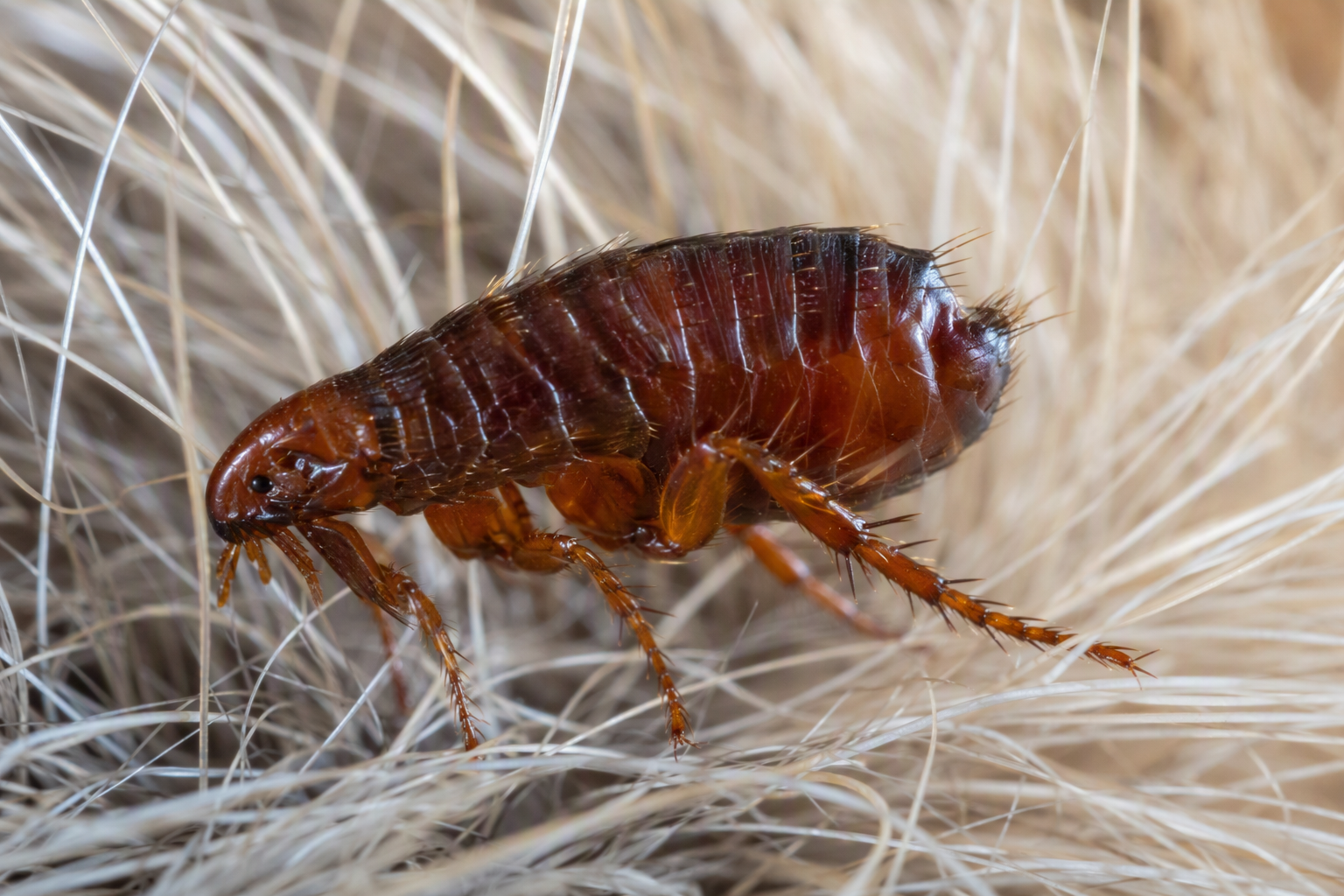
An adult flea is a tiny, dark brown to reddish-brown insect measuring 0.1 to 0.3 inches (2–8 mm) in length. Key identifying features include:
- Flat, laterally compressed body (flattened side-to-side, not top-to-bottom)
- Dark brown or black coloration, often with a shiny, hardened exoskeleton
- Six powerful hind legs adapted for jumping up to 200 times their body length
- No wings (wingless insect)
- Mouthparts designed for piercing skin and sucking blood
- Comb-like structures (ctenidia) along the body for anchoring to host fur
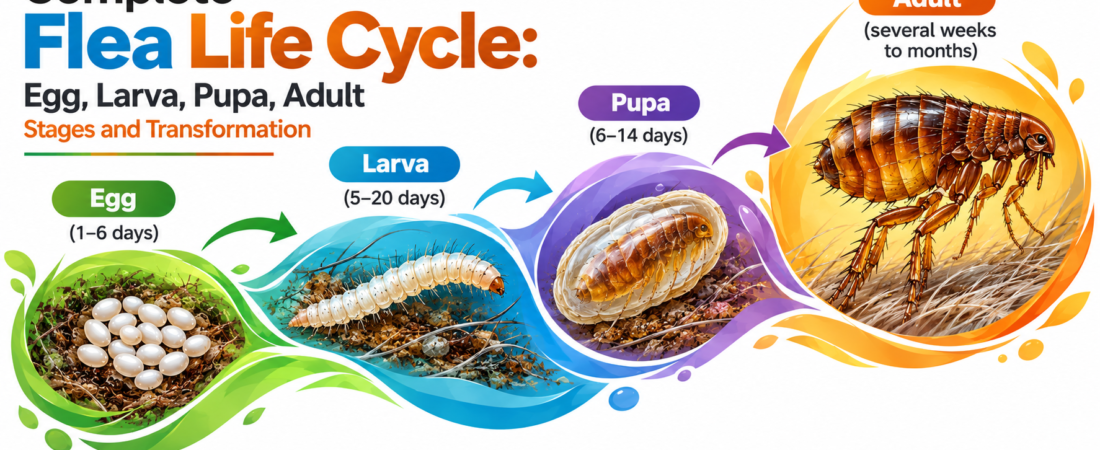
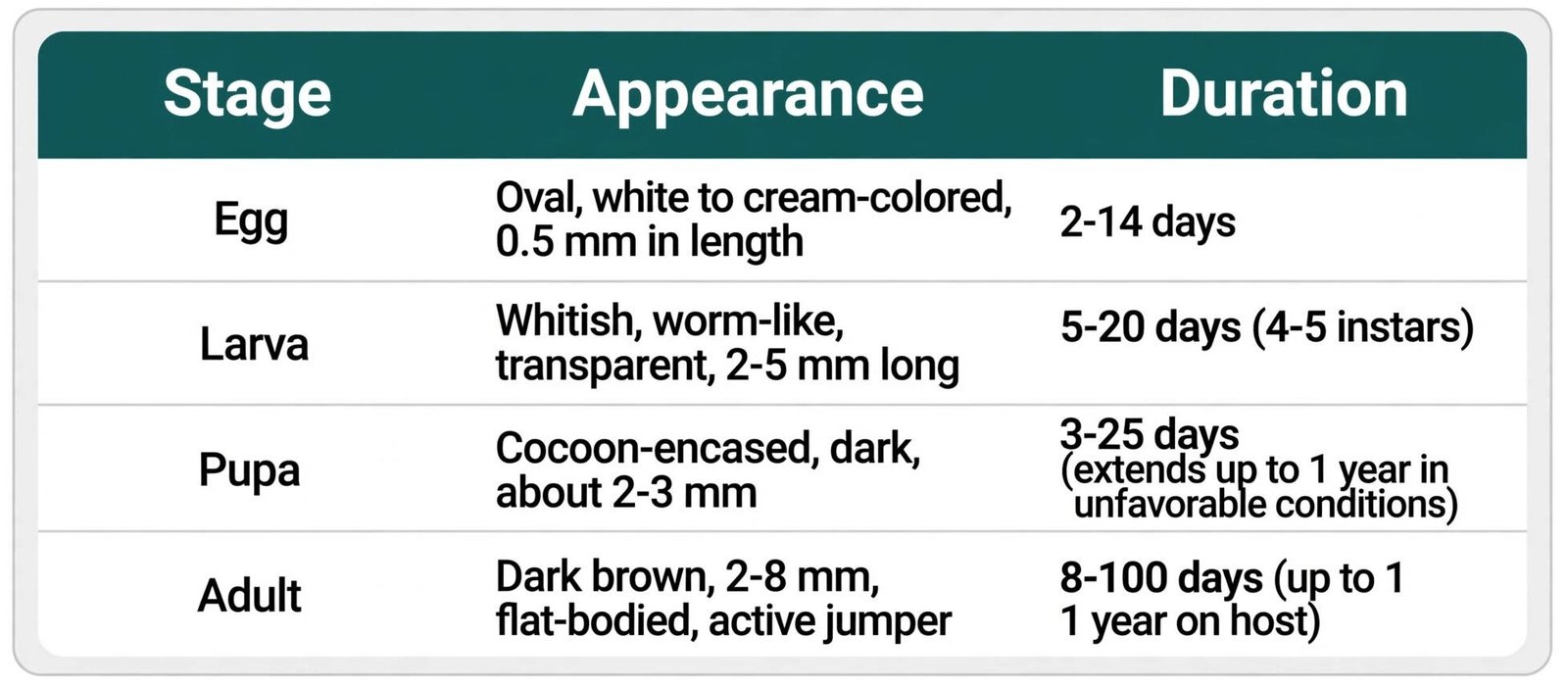
Flea Developmental Stages:
Fleas go through four life stages. Understanding each stage is critical for effective control:
What Do Flea Eggs Look Like? Recognition & Prevention
Flea eggs are the first stage of the flea life cycle and are often overlooked during pest control efforts. Identifying flea eggs is critical because they represent the potential for rapid re-infestation.
Flea Egg Appearance:
Flea eggs are extremely small—approximately 0.5 mm (0.02 inches) in diameter. They appear oval to round in shape, white or cream-colored, smooth and shiny, barely visible to the naked eye (requiring magnification to see clearly), and are found in pet bedding, carpets, furniture, and cracks in flooring.
Why Flea Eggs Matter for Control:
A single female flea can lay 40–50 eggs per day, meaning a small flea population can explode into thousands within weeks. Many flea treatments target adults and larvae but not eggs, allowing infestations to persist. This is why combination treatments using insect growth regulators (IGRs) are recommended—they prevent eggs from developing into harmful adults.
What Is Flea Dirt? How to Identify It on Your Pet
Flea dirt is one of the most reliable indicators of a flea infestation. Many pet owners mistake it for regular dirt, but identifying flea dirt correctly is essential for confirming infestations.
What Exactly Is Flea Dirt?
Flea dirt is the fecal matter of fleas. Adult fleas consume blood from their hosts, and their droppings appear as tiny, dark specks on the pet’s skin. Despite its name, flea dirt is not actually dirt—it’s digested blood, making it a direct indicator of active flea feeding.
Identifying Flea Dirt:
Flea dirt appears as small, dark brown or black granules (0.5–2 mm) found on the pet’s skin, in the fur, and in bedding. It’s most visible on light-colored pets. A key identifying feature: flea dirt turns reddish-brown when wet (confirming it is blood-based). A simple water test can confirm: place suspected flea dirt on a damp white paper towel; if it turns red, it confirms the presence of fleas.
What Do Flea Bites Look Like? Symptoms & Identification
Flea bites on humans and animals present distinct patterns and symptoms. Early identification can prevent complications and guide treatment decisions.
Flea Bite Appearance on Humans:
Human flea bites are characterized by small, red, itchy welts (0.25–0.5 inches in diameter) with a central puncture mark or dot where the flea inserted its mouthparts. They typically appear in clusters or lines on exposed skin (legs, ankles, feet, arms), have a swollen, inflamed appearance that may resemble mosquito bites, cause intense itching that can last for days or weeks, and can lead to secondary skin infections from scratching.
Flea Bite Symptoms in Pets:
Pets with flea bites display excessive scratching, licking, and biting at the skin; hair loss (alopecia), especially on the back and tail base; red, inflamed skin with pustules or scabs; restlessness and behavioral changes; and in sensitive animals, flea allergy dermatitis (FAD)—severe reactions.
How to Treat Flea Bites on Humans: Relief & Recovery
Treating flea bites involves addressing both immediate symptoms and preventing secondary infections. Most human flea bites resolve within 1–2 weeks with proper care.
Immediate Treatment:
- Wash the affected area with soap and water to remove any remaining flea saliva and reduce infection risk. 2. Apply ice or a cold compress for 10–15 minutes to reduce itching and swelling. 3. Avoid scratching—this prevents secondary bacterial infections and reduces scarring. 4. Apply over-the-counter topical treatments such as hydrocortisone cream (1%) for inflammation, calamine lotion for itching relief, or antihistamine creams for allergic reactions.
Systemic Treatment:
For severe reactions, consult a healthcare provider about oral antihistamines (cetirizine, loratadine) for systemic itching, prescription-strength topical corticosteroids for extensive inflammation, and antibiotics if secondary bacterial infection develops.
Flea Infestation: Recognition & Home Treatment
A flea infestation is the presence of multiple fleas (typically 10+ per square inch of skin) actively breeding in a pet’s environment. Infestations can develop rapidly if left untreated.
Signs of Flea Infestation include visible fleas on the pet or in bedding, flea dirt throughout the home, severe itching and scratch wounds on pets, hair loss and skin inflammation, and flea bites on humans in the home.
Comprehensive Infestation Control:
- Pet Treatment: Apply veterinary-approved flea treatments (topical, oral, or injectable). 2. Environmental Treatment: Vacuum all carpets, furniture, and cracks daily; wash pet bedding in hot water weekly. 3. Yard Treatment: Mow grass, remove leaf litter, and consider professional outdoor flea treatment. 4. Continuation: Maintain monthly preventive treatments for 3 months to eliminate all life stages.
Do Flea Collars Work? Effectiveness & Modern Alternatives
Flea collars have evolved significantly over the past decade. Modern versions offer improved efficacy compared to traditional models, but effectiveness varies by product type and pet susceptibility.
Modern Gas-Release Flea Collars offer sustained-release technology to distribute active ingredients continuously. These newer flea collars (e.g., Seresto, Scalibor) provide 8-week protection against fleas and ticks, repellent properties covering the entire body, and compatibility with most pets (though some experience skin irritation).
Top Flea Prevention Methods:
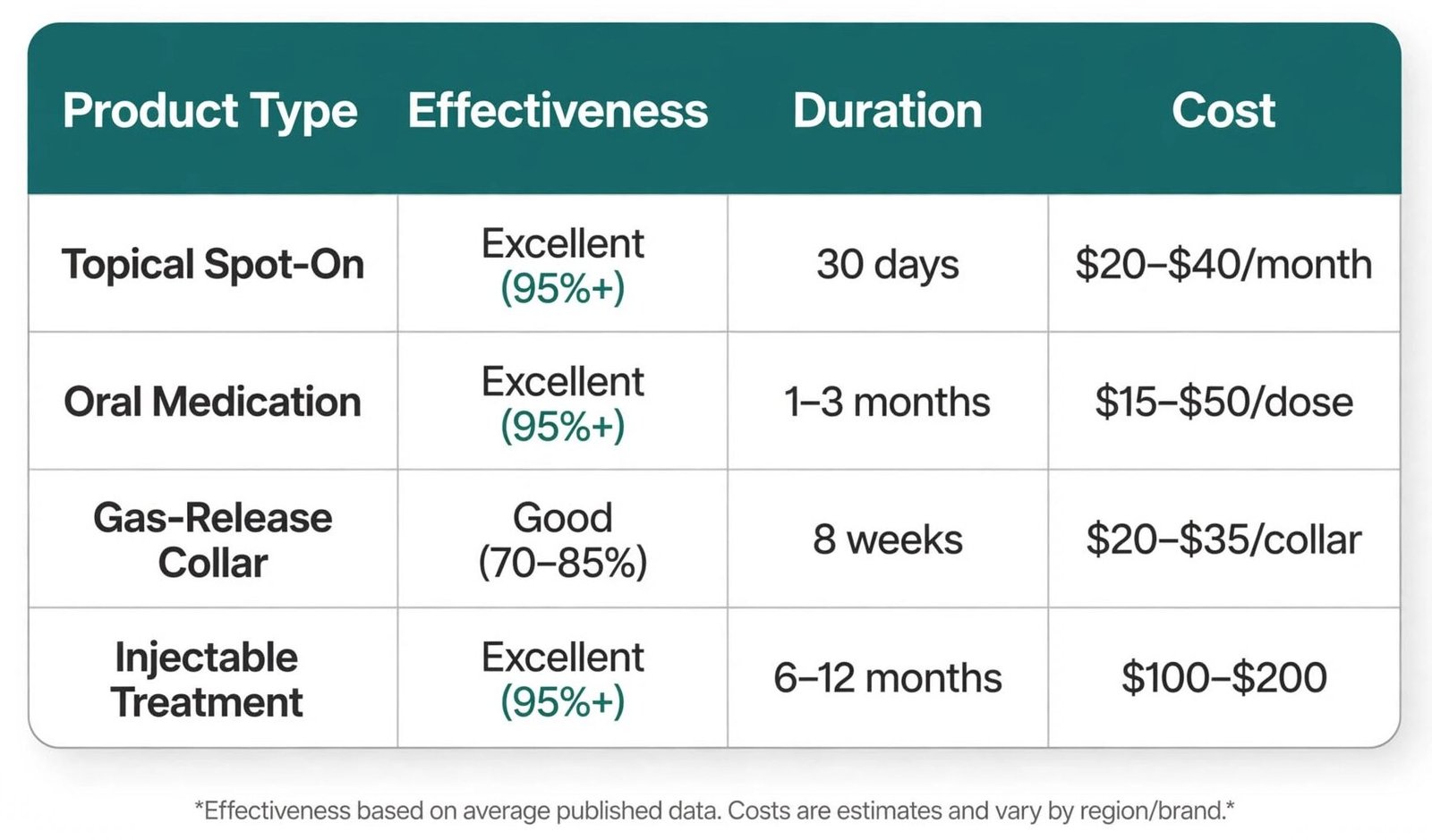 Verdict: Modern gas-release collars offer moderate protection and may work as part of a comprehensive prevention plan. However, topical and oral medications remain more effective for serious infestations.
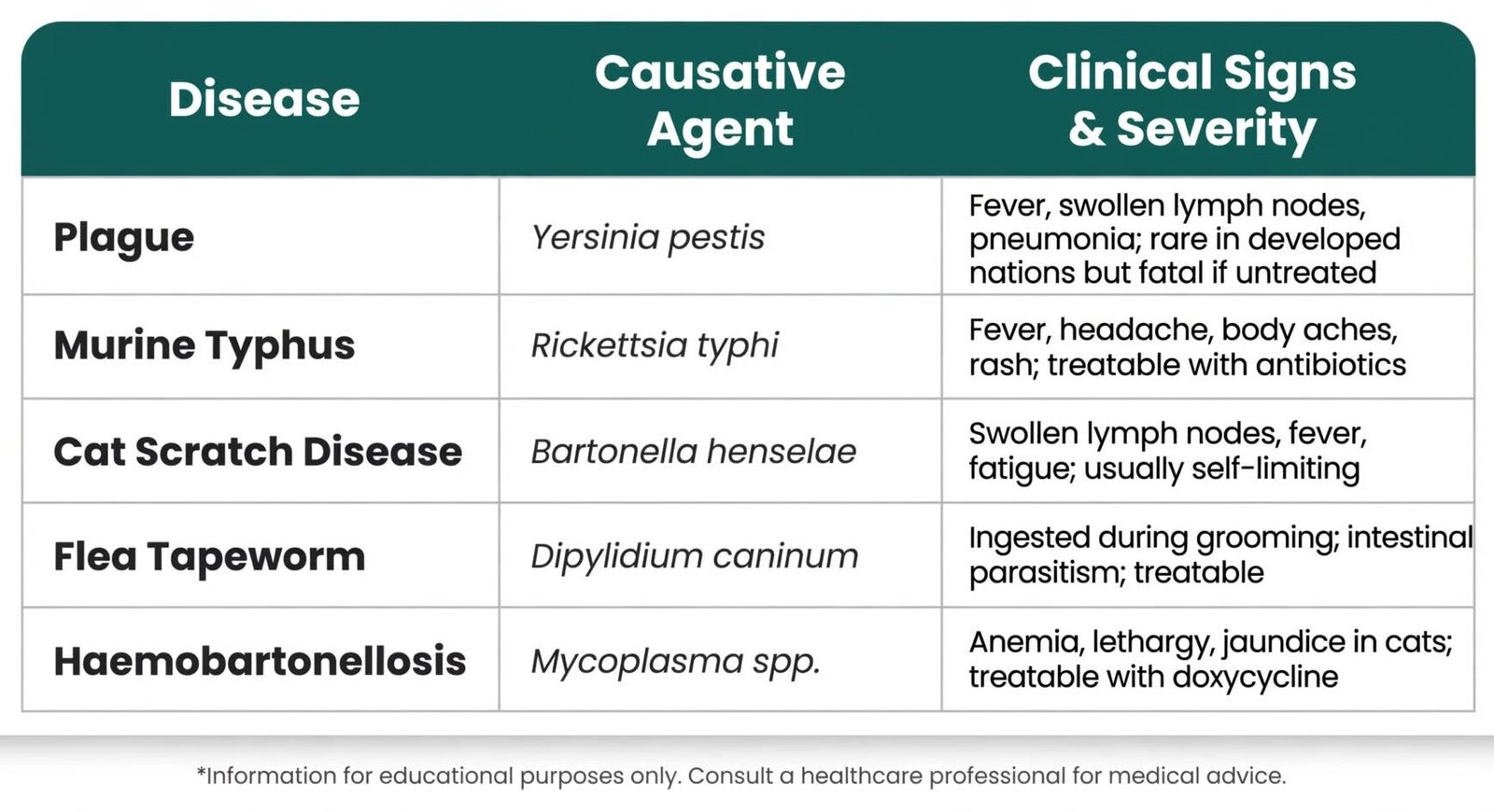
What Diseases Do Fleas Transmit? Serious Health Risks
Fleas are more than just annoying parasites—they transmit serious diseases to humans and animals. Understanding these risks emphasizes the importance of rapid treatment and prevention.
Why Is It Called a Flea Market? Etymology & History
The term ‘flea market’ has an interesting history that traces back centuries. The most widely accepted theory suggests that the term originated in Paris, France, in the early 1600s. The Marché aux Puces (literally ‘Flea Market’ in French) emerged as a second-hand goods market selling used clothing and furniture. Because these used items often had fleas, particularly in that era before modern pest control, the market became known colloquially as the ‘flea market.’
Today, flea markets remain popular venues for buying and selling used goods, antiques, and collectibles. Despite their name, modern flea markets are well-maintained and sanitized, bearing no resemblance to the pest-ridden markets of centuries past. The term persists as a cultural artifact and tradition.
Frequently Asked Questions About Fleas
Q1: How fast do fleas reproduce?
A: Fleas reproduce rapidly. A female can lay 40–50 eggs per day, and the entire life cycle (egg to adult) can occur in as little as 2 weeks under favorable conditions. This is why quick treatment and continuation of prevention for at least 3 months is critical.
Q2: Can fleas survive on humans?
A: Fleas prefer animal hosts and cannot complete their life cycle on humans. However, they will bite humans and can persist temporarily in human environments, particularly in bedding and carpet. They typically leave human hosts to return to pets.
Q3: How long can fleas survive without a host?
A: Adult fleas can survive 8–100 days without feeding, depending on environmental conditions (temperature and humidity). This is why environmental treatment and thorough vacuuming are essential for complete infestation control.
Q4: What is the best flea treatment for multi-pet households?
A: Combination treatments using topical or oral medications (prescribed by a veterinarian) that target multiple life stages are most effective. Ensure all pets receive treatment simultaneously, and environmental control is equally important.
Q5: Do flea treatments kill eggs?
A: Most topical and oral flea treatments kill adult fleas and larvae but not eggs. Insect growth regulators (IGRs) prevent eggs from developing into adults. This is why many veterinarians recommend combination treatments.
Q6: Is it necessary to treat the yard for fleas?
A: Yes, yard treatment is important if fleas have been present for more than a few weeks. Focus on shaded, moist areas where flea pupae can develop. Professional yard treatment or natural diatomaceous earth applications can help.
Q7: Can I use dog flea treatments on cats?
A: No. Many dog flea treatments contain pyrethrin or pyrethroid compounds that are toxic to cats. Always use species-specific treatments prescribed by a veterinarian.
Q8: What’s the difference between flea prevention and treatment?
A: Prevention is applied monthly to healthy pets to prevent infestations from starting. Treatment is used when an active infestation is already present. Treatment often requires higher doses and longer duration.
Conclusion: Effective Flea Control Requires Knowledge & Action
Fleas are persistent parasites that pose genuine health risks to pets and humans. Understanding their identification, life cycle, disease transmission potential, and treatment options empowers pet owners to take swift, effective action. Modern flea prevention and treatment options offer excellent protection when used consistently.
Key Takeaways: Identify fleas by their small, dark, flat-bodied appearance. Recognize flea dirt and eggs as early infestation signs. Treat human flea bites with topical creams and avoid scratching. Use veterinarian-approved flea treatments for prevention and active infestations. Implement comprehensive environmental control. Choose modern flea collars or topical/oral medications based on your pet’s specific needs. Consult with your veterinarian to develop a personalized flea prevention and treatment plan tailored to your household’s specific needs.

