

When you’re looking for a dog that combines brains, loyalty, and boundless energy, cattle dogs stand out from the pack. The Cattle Dog, specifically the Australian Cattle Dog, is a medium-sized herding breed developed in Australia for droving cattle over long distances across rough terrain. Known for their intelligence and resilience, they are also referred to as Blue Heeler or Red Heeler due to their coat colors. These dogs are compact and muscular, and capable of outsmarting their owners. These working dogs have earned their reputation as some of the most capable herding companions in the world. Whether you’re an experienced dog owner or considering your first working breed, Cattle Dogs: Intelligent Breeds for Active Families, understanding what makes cattle dogs special will help you decide if one fits your lifestyle.
What Are Cattle Dogs? Understanding the Working Dog Heritage
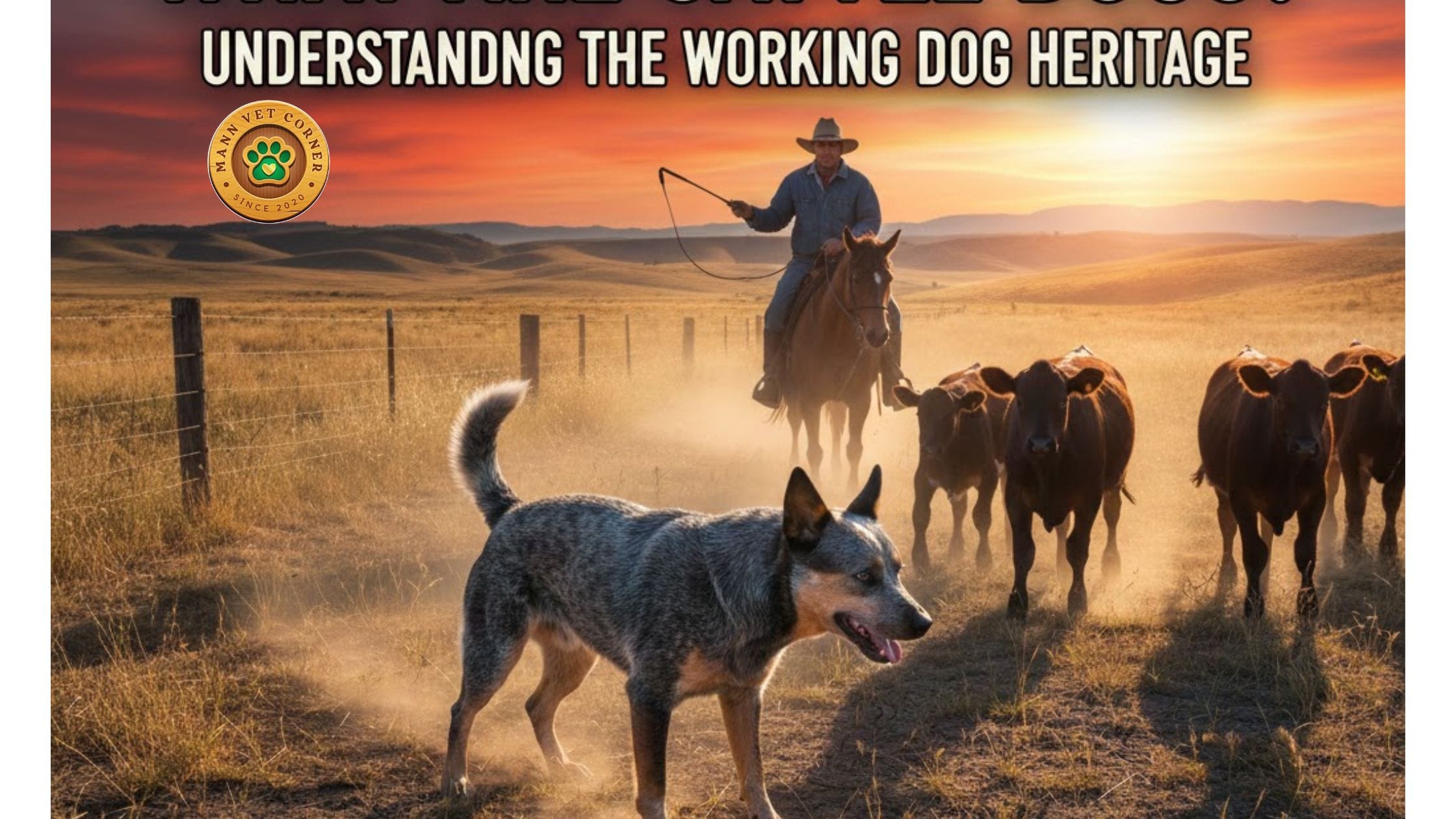
Cattle dogs represent a category of herding dogs originally bred to manage livestock across vast distances and challenging terrain. The Australian Cattle Dog, often called a Blue Heeler or Red Heeler, exemplifies the intelligence, athleticism, and determination that define the entire cattle dog family. These compact, muscular animals weren’t developed for show rings, they evolved in working conditions where reliability and problem-solving ability determined their survival.
The heritage of cattle dog breeds tells a story of selective breeding for function over appearance. Ranchers and farmers needed dogs capable of handling stubborn cattle in extreme weather, across rough landscapes, and for extended periods. This history means the cattle dogs in your home carry genes built for persistence, focus, and independent decision-making.
High Intelligence and Trainability: Why Cattle Dogs Excel
Australian Cattle Dog Intelligence and Learning Capacity
Cattle dogs possess remarkable cognitive abilities that set them apart from average dog breeds. Their intelligence isn’t just about learning commands—it’s about understanding situations, anticipating problems, and making decisions. This makes them relatively easy to train when you use consistent, clear methods.
An Australian Cattle Dog will pick up new commands in just a few repetitions. They remember what you teach them, sometimes for years after the last lesson. However, this same intelligence can backfire if you don’t provide proper guidance. A bored, unstimulated cattle dog will invent its own entertainment, often by outsmarting your house rules.
Mental Stimulation Requirements for Herding Dogs
These dogs thrive on mental challenges. Puzzle toys, training sessions, scent work, and problem-solving games aren’t luxuries for cattle dogs—they’re necessities. Without adequate mental engagement, intelligent herding breeds develop destructive behaviors and may become obsessive or anxious.
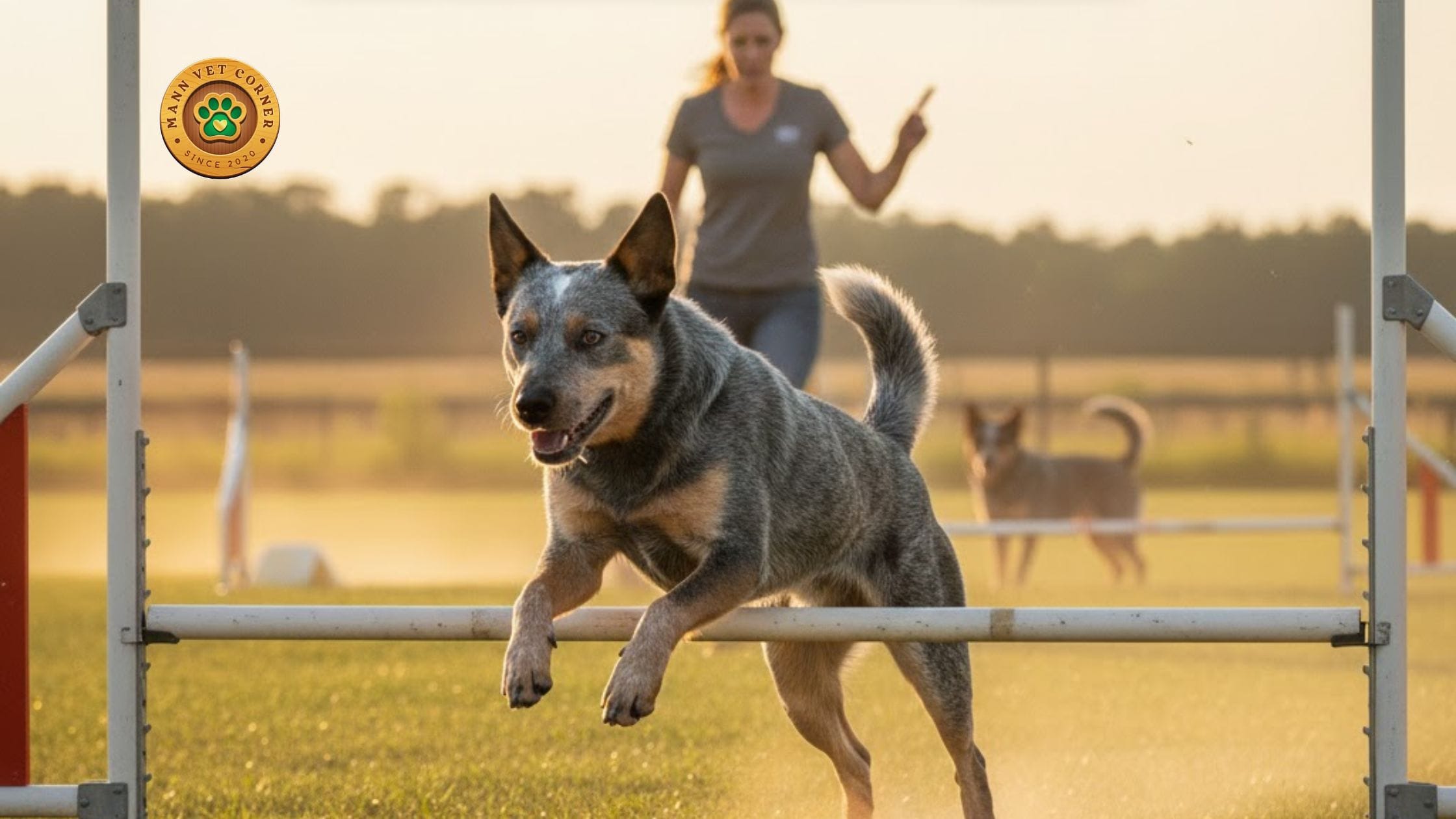
The smartest cattle dog owners rotate toys, teach new tricks regularly, and engage their dogs in activities that tap into natural instincts. Herding trials, agility competitions, and dock diving all appeal to the cattle dog’s competitive nature and problem-solving drive.
Energy Levels: What It Really Means to Own an Active Dog Breed
Daily Exercise Needs for Australian Cattle Dogs
Don’t mistake cattle dogs for apartment dogs that enjoy occasional walks. These animals were built for hours of work in the field. A sedentary lifestyle doesn’t just make them bored, it can literally make them sick. Cattle dogs that don’t get sufficient physical activity often develop anxiety, exhibit destructive behavior, and struggle with stress-related health problems.
Most cattle dogs need a minimum of 60-90 minutes of vigorous exercise daily. This isn’t a stroll around the block. We’re talking about running, playing fetch, hiking, swimming, or herding activities that get their heart pounding and their muscles working.
Preventing Destructive Behavior in High-Energy Herding Dogs
An exhausted cattle dog is usually a well-behaved one. When your Australian Cattle Dog gets proper exercise, you’ll notice fewer behavior problems, better focus during training, and a more settled temperament at home. Without it, you might find your couch torn apart, your garden dug to the level of a small archaeological excavation, or your door frame scratched to splinters.
Cattle Dog Temperament: Loyalty, Protection, and Herding Instincts
The Protective Nature of Working Herding Dogs
Cattle dogs develop deep bonds with their families. They’re genuinely loyal animals that will stand by you through thick and thin. Many cattle dog owners describe their pets as intuitive—these dogs seem to know when you’re upset, stressed, or need comfort.
This loyalty extends to a protective instinct. Your cattle dog will likely alert you to anything unusual around your property, and they may be naturally suspicious of strangers. This makes them excellent watchdogs, though early socialization prevents them from becoming overly defensive or aggressive.
Managing Herding Behavior in Cattle Dogs Around Children and Pets
Here’s where cattle dog ownership requires conscious management: many of these dogs exhibit herding behaviors instinctively. This means they may nip at the heels of children, other dogs, or cats, trying to “move them” just as they would livestock. This isn’t aggression—it’s hardwired instinct.
Proper training makes a massive difference. Teaching your Australian Cattle Dog appropriate behavior around family members and pets prevents problems before they start. Early socialization helps these dogs understand that herding behavior has time and place—it belongs in specific activities, not during playtime with kids.
Popular Cattle Dog Breeds: Choosing the Right Working Dog
Australian Cattle Dog: The Compact Herding Champion
The Australian Cattle Dog represents the gold standard of compact herding dogs. Weighing 30-50 pounds, these muscular animals pack extraordinary power and agility into a manageable frame. They were developed specifically in Australia for the demanding task of herding cattle across long distances and varied terrain.
What makes the Australian Cattle Dog exceptional is their combination of traits. They possess the strength to move stubborn cattle, the agility to dodge kicks, the intelligence to solve herding problems independently, and the stamina to work all day. This versatility extends beyond ranching—Australian Cattle Dogs excel at obedience competitions, agility trials, and various hunting activities.
Australian Kelpie: The Tireless Working Machine
The Australian Kelpie represents another pinnacle of herding dog development. Originally bred to manage livestock in Australia’s harsh, unforgiving outback conditions, Kelpies are agile, hardworking, and almost indefatigably driven.
Kelpies are leaner and more fine-boned than Australian Cattle Dogs, with energy levels that seem genuinely infinite. These dogs were built for stamina work in extreme heat and challenging conditions. If you’re looking for a herding dog that can work longer distances at faster paces, the Kelpie’s capabilities are legendary.
Australian Shepherd: American Herding Dog Excellence
Despite the “Australian” name, the Australian Shepherd was actually developed in the United States. Western ranchers and shepherds created this breed to herd livestock across the American West, adapting it for local conditions and needs.
Australian Shepherds brought along exceptional herding abilities and famously high energy levels. They’re slightly larger than Australian Cattle Dogs, often weighing 40-65 pounds, with impressive athleticism and drive. Many Australian Shepherds compete successfully in herding trials and advanced obedience competitions.
Grooming and Coat Care: Low Maintenance but Regular Attention Needed
Brushing Requirements for Cattle Dog Coats
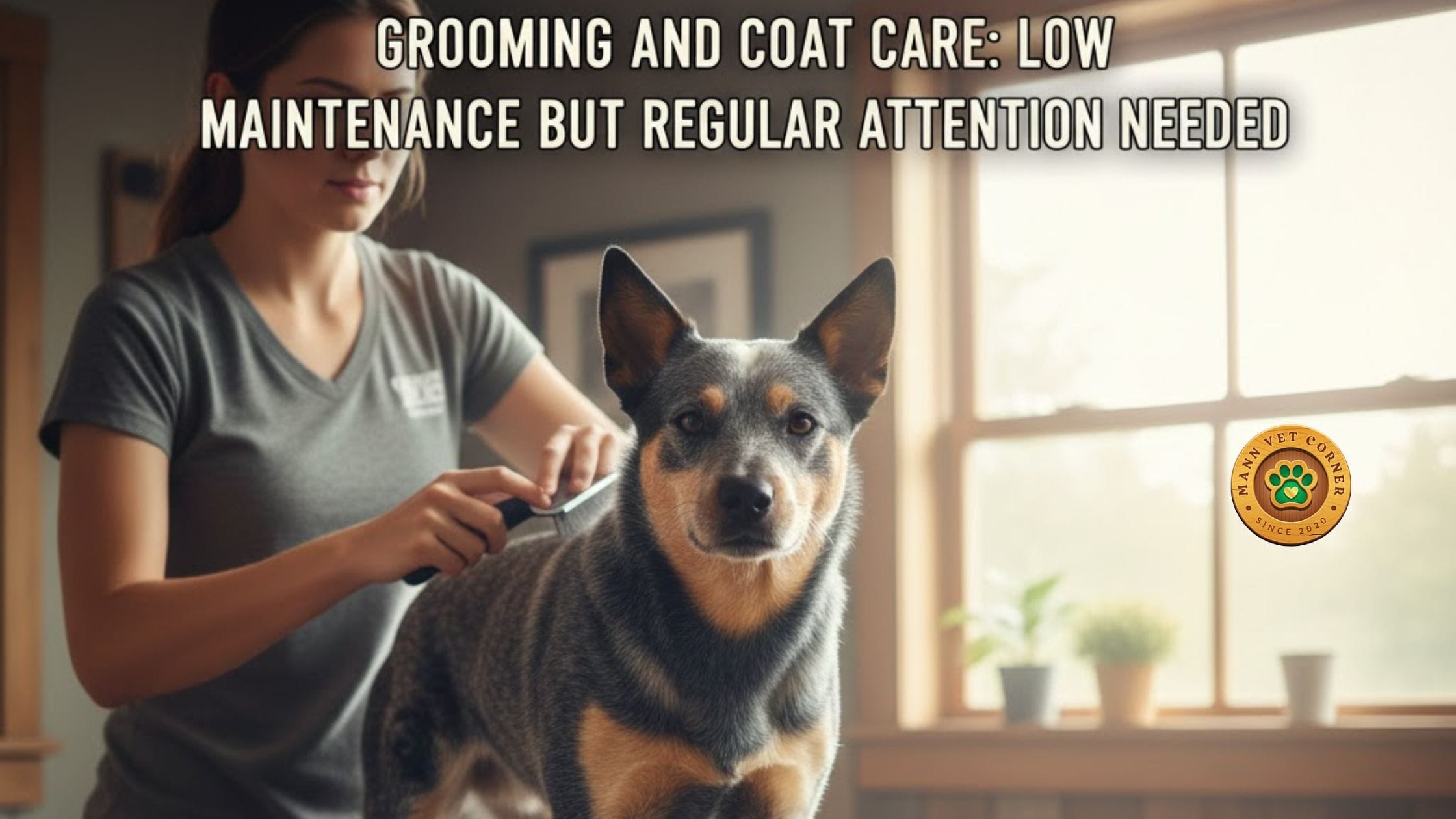
Cattle dogs generally require minimal grooming compared to many breeds, but “minimal” doesn’t mean “none.” These dogs shed regularly, and brushing helps manage loose hair while keeping their coats healthy.
During shedding periods, particularly in spring and fall, more frequent brushing becomes important. Many cattle dog owners find that a few minutes of brushing several times weekly prevents excessive shedding around the house and keeps the coat in top condition.
Health Maintenance Through Proper Coat Care
Regular brushing does more than manage shedding. It allows you to check your cattle dog’s skin for issues like infections, parasites, or unusual growths. You’ll also develop familiarity with what’s normal for your individual dog, making it easier to spot problems early.
Health Considerations: Common Issues in Cattle Dog Breeds
Hereditary Deafness in Australian Cattle Dogs
One health concern that affects some cattle dogs, particularly those with predominantly white coats, is hereditary deafness. This condition can range from partial hearing loss to complete deafness. Responsible breeders screen breeding dogs for deafness before reproduction.
If you’re considering a cattle dog from a breeder, ask specifically about hearing tests and deafness screening in their breeding lines. The BAER test (Brainstem Auditory Evoked Response) definitively identifies deaf dogs. Deaf cattle dogs can live happy, healthy lives with adjusted training methods, but knowing about the condition beforehand helps you prepare appropriately.
Progressive Blindness and Vision Problems in Herding Dogs
Progressive retinal atrophy (PRA) and other inherited vision problems occasionally appear in cattle dog breeds. These conditions gradually reduce vision and eventually lead to blindness. Again, responsible breeders screen for these genetic conditions before breeding.
When you adopt a cattle dog, ask breeders about genetic testing for eye conditions. The Orthopedic Foundation for Animals (OFA) maintains a registry where breeders can submit eye examination results, demonstrating transparency about their breeding program’s health.
Regular Veterinary Care as Prevention
Beyond genetic concerns, cattle dogs benefit from regular veterinary check-ups that monitor overall health. Annual examinations catch problems early, professional dental care maintains oral health, and preventive medications protect against parasites. A veterinarian familiar with working breed dogs can provide specific guidance on joint health, nutrition, and age-related care.
Is a Cattle Dog Right for Your Lifestyle? Making the Right Choice
Ideal Owners for Australian Cattle Dogs and Other Herding Breeds
Cattle dogs make excellent companions for active individuals and families who genuinely enjoy spending time outdoors. If you run, hike, participate in dog sports, or have property where your dog can work or play, a cattle dog might be perfect for you.
These dogs flourish with owners who understand their heritage and respect their working drive. People who see their cattle dog as a partner rather than a pet, and who engage their dogs’ minds and bodies consistently, experience the best outcomes.
When Cattle Dogs Aren’t the Best Fit
If your lifestyle is sedentary, if you live in a small apartment without access to extensive outdoor space, or if you’re away from home for long hours daily, a cattle dog will likely struggle. These dogs aren’t cruel to own in these situations, but they won’t thrive, and you’ll both be frustrated.
Similarly, if you don’t have experience managing high-drive dogs or don’t enjoy training and working with your pet, a different breed would probably serve your family better. There’s no shame in acknowledging this—honest self-assessment before adoption prevents rescue situations down the road.

The Importance of Proper Training and Socialization
Training Methods That Work for Intelligent Herding Dogs
Cattle dogs respond beautifully to consistent, positive reinforcement training. These smart dogs understand what you want quickly but will question rules they don’t respect. Training works best when you establish yourself as a leader through fairness and consistency rather than intimidation.
Because cattle dogs are problem-solvers, they often benefit from training approaches that engage their brains. Instead of endless repetition, vary your training sessions, introduce new challenges, and make learning feel like a game they want to win.
Early Socialization: Building Confident, Well-Adjusted Adults
Introducing your cattle dog to different people, environments, sounds, and other animals during the critical socialization window (8-16 weeks) shapes their entire personality. Well-socialized cattle dogs become confident, adaptable adults that handle novel situations without excessive anxiety or reactivity.
Socialization doesn’t mean your cattle dog will be a pushover with strangers, their protective nature remains intact. Rather, it means they assess situations accurately rather than defaulting to fearfulness or aggression when uncertain.
Conclusion: Making Your Cattle Dog Journey Successful
Cattle dogs represent an excellent choice for active individuals and families that understand their unique needs and respect their working heritage. These versatile working dogs offer unparalleled loyalty, intelligence, and companionship when placed in appropriate homes.
Whether you’re drawn to the compact Australian Cattle Dog, the tireless Australian Kelpie, or the American-developed Australian Shepherd, success comes from honest assessment of your lifestyle, commitment to regular exercise and mental stimulation, and dedication to proper training and socialization.
Before adopting, thoroughly research the specific cattle dog breed you’re considering. Connect with breeders who health-test their animals, ask plenty of questions about temperament and energy levels, and honestly evaluate whether your home can meet these dogs’ substantial needs.
When you bring home the right cattle dog for your situation, you’re gaining not just a pet, you’re gaining a devoted partner ready to participate fully in your active life. That’s what makes cattle dogs special: they’re dogs that genuinely want to work alongside you, every single day.

 Dr. Bano Talpur