
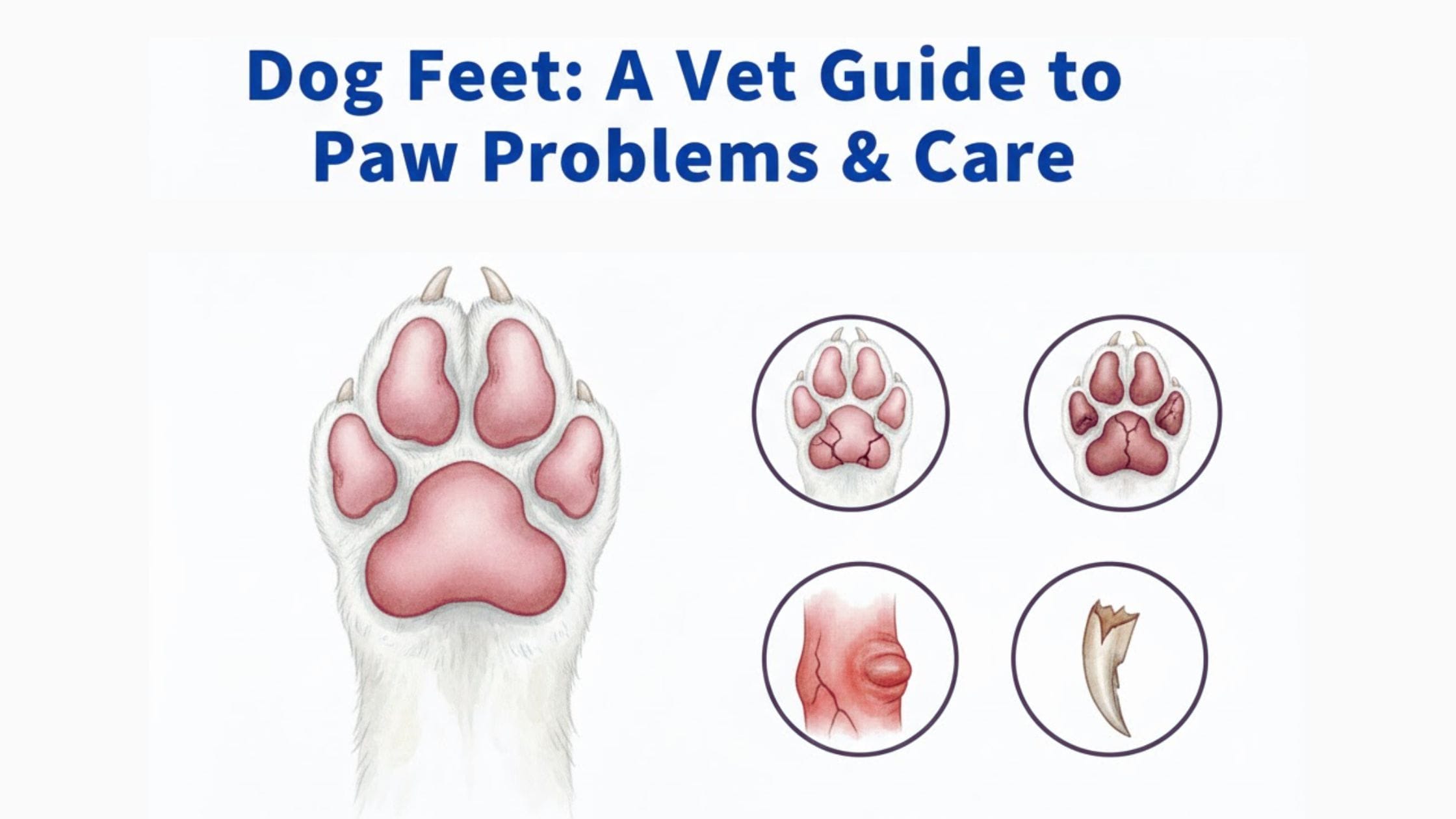
Your dog’s feet do far more than help them walk. These remarkable structures bear weight, absorb shock, regulate temperature, and communicate with the world around them. Dog paws are complex structures that consist of several key components. Understanding dog feet anatomy, recognizing common problems, and providing proper care keeps your canine companion healthy and active. Regular checks of the paws can help identify any issues early, such as injuries or infections, allowing for timely veterinary care. This comprehensive guide covers everything you need to know about dog paw care, foot problems, and what makes dog feet so uniquely specialized.
Understanding Dog Foot Anatomy: What Makes Dog Feet Special
The Structure of a Dog Foot Pad
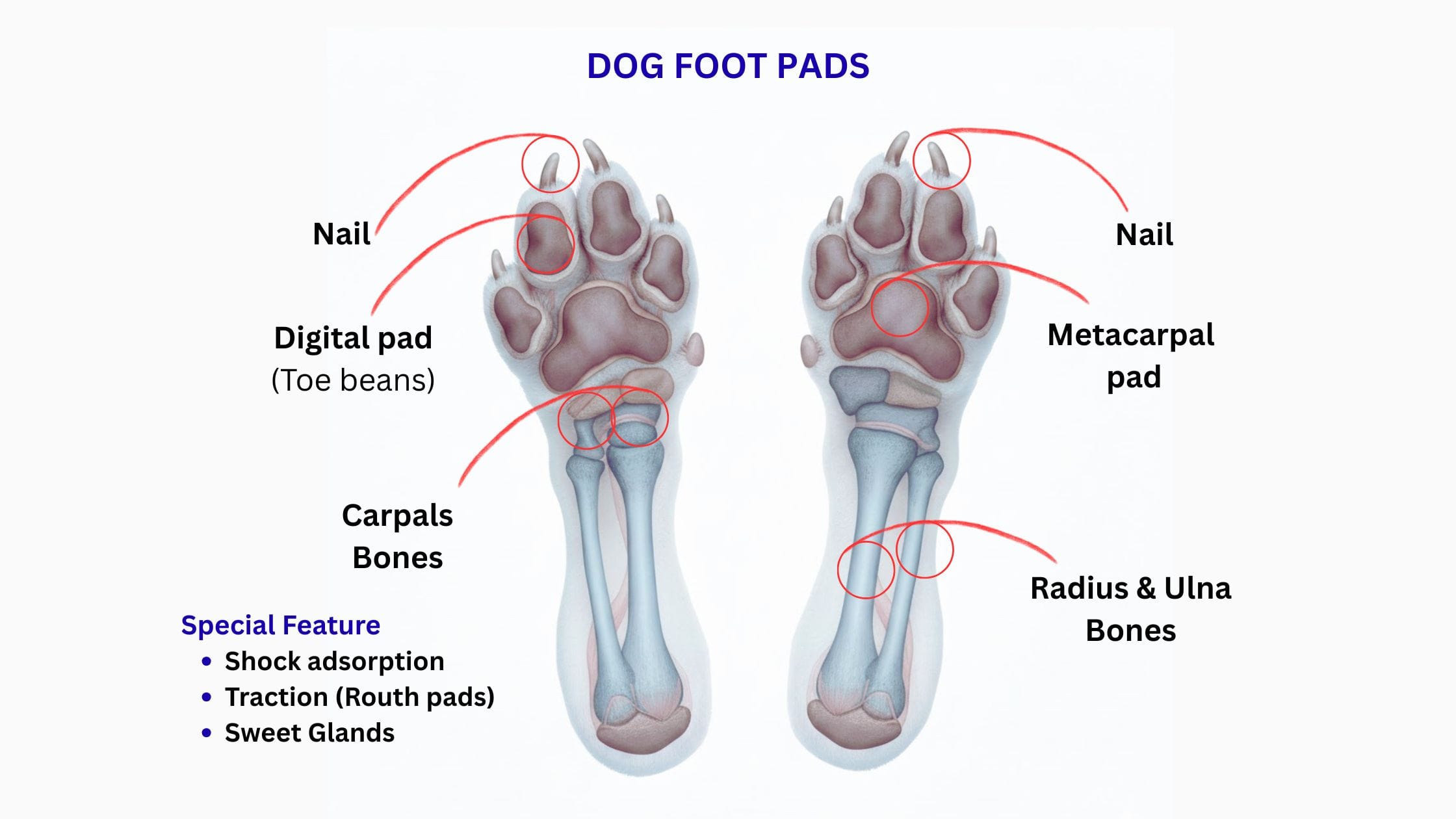
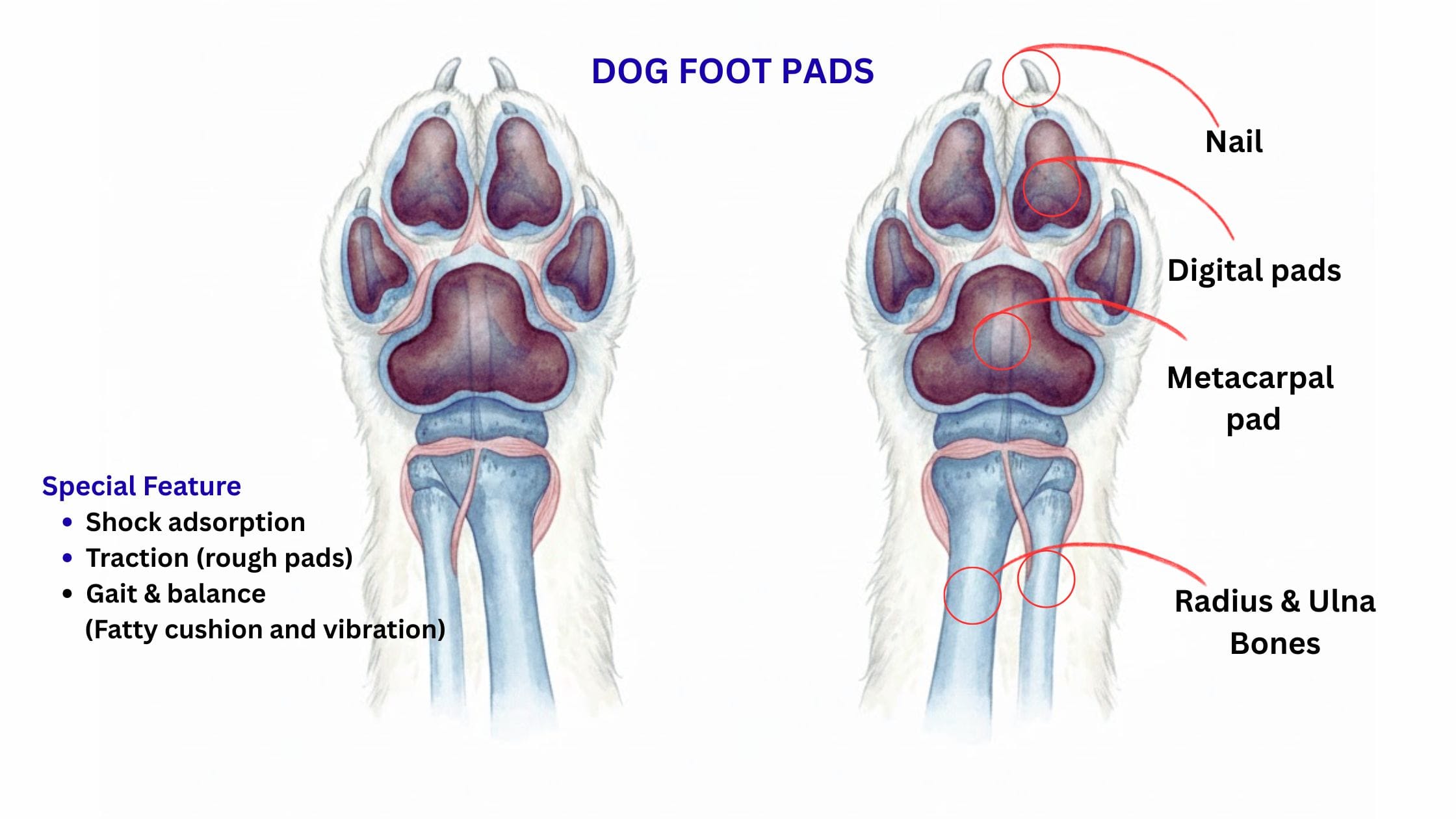
A dog’s foot pad represents one of nature’s most efficient shock-absorption systems. Each dog foot contains four toe pads and one central pad called the metacarpal or metatarsal pad. These dog feet pads create a cushioned surface that protects the bones and joints underneath from constant impact during running, jumping, and playing.
The dog foot pad consists of thick, elastic skin that contains sweat glands exclusive to this area. Unlike humans who sweat across their entire body, dogs rely on these specialized foot pads to release moisture and regulate body temperature. When your dog walks across your tile floor, you might notice wet paw prints—this is your dog’s natural cooling system in action.
Why Dog Feet Pads Are Unique Features
Several unique features distinguish dog feet from human feet. The thick keratin layer in dog feet pads provides natural armor against rough terrain, hot pavement, and sharp objects. This natural protective coating means your dog can walk barefoot in environments that would injure human feet.
The curved shape of dog foot pads creates a gripping mechanism that improves traction on different surfaces. The webbing between toes in some dog breeds—particularly water-loving breeds—demonstrates how dog feet have evolved for specific purposes. Webbed dog feet excel in swimming, while breeds with compact feet prove better at desert climbing.
Common Dog Feet Problems: What Pet Owners Should Know
Recognizing Dog Feet Issues Early
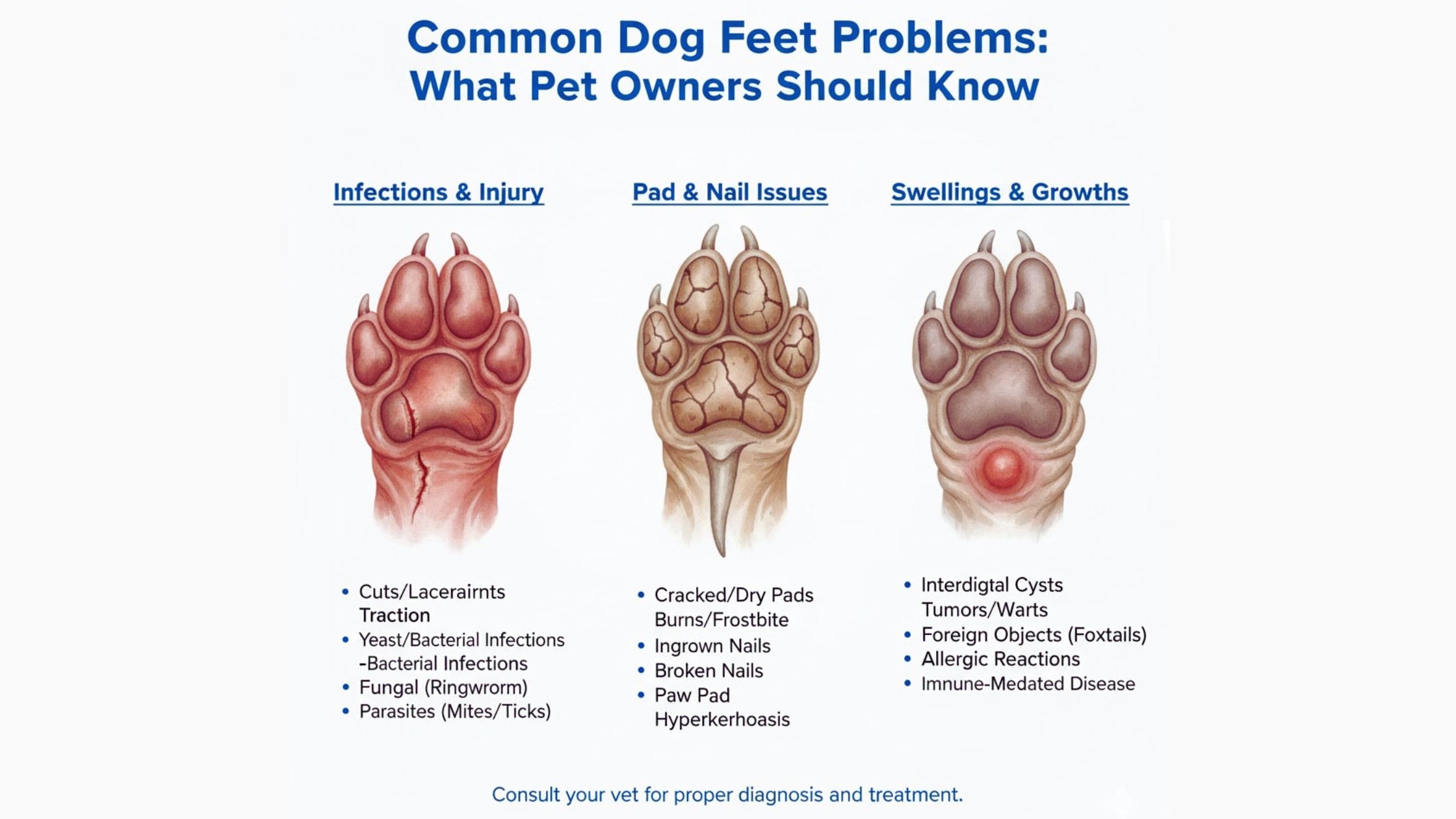
Dogs experience numerous foot problems that owners often overlook until they become serious. Limping, excessive licking of the feet, redness, swelling, or visible wounds indicate your dog needs immediate attention. Some dog feet problems develop gradually, making early detection through regular paw inspections essential.
Infections represent one of the most common dog feet problems. Yeast infections thrive in the moist environment between toes, causing your dog to constantly lick and chew at their feet. Bacterial infections follow similar patterns and can spread quickly if left untreated. Both conditions produce a distinctive odor that many owners describe as similar to corn chips.
Pad Injuries and Cuts in Dog Feet
Dog feet pads face constant trauma from rough pavement, hot surfaces, and sharp debris. Deep cuts in the dog foot pad require immediate veterinary care, especially if bleeding won’t stop or if you suspect the injury penetrated past the outer protective layer. Minor cuts may benefit from home treatment, but larger injuries need professional attention.
Hyperkeratosis causes thick, crusty growths on dog feet pads that resemble warts. While often benign, these growths sometimes crack painfully and cause infection. This condition appears more frequently in older dogs and certain breeds predisposed to foot pad issues.
Allergies Affecting Dog Feet
Allergic reactions frequently manifest as dog feet problems. Environmental allergies cause itching that makes dogs obsessively lick their feet, leading to secondary infections. Food allergies similarly trigger foot pad inflammation and itching. When you notice your dog constantly gnawing at their feet without visible injury, allergies should be your first suspect.
Seasonal patterns often accompany foot allergies. Many dogs experience worse symptoms during spring and fall when pollen counts increase. Others react year-round to food ingredients or environmental triggers present regardless of season.
Dog Foot Pad Care: Essential Maintenance for Healthy Feet
Regular Dog Feet Cleaning and Inspection
Establishing a weekly inspection routine protects your dog’s feet from serious problems. Gently separate each toe and examine the skin between them for redness, discharge, or odor. Clean dog feet weekly with lukewarm water and mild soap, paying special attention to the areas between pads where debris accumulates.
Drying dog feet thoroughly after cleaning or exposure to moisture prevents fungal and bacterial growth. A soft towel works well for most situations, but consider using a dedicated pet paw dryer for dogs with chronic moisture issues. Many dogs appreciate this pampering, transforming paw care into bonding time.
Trimming and Maintaining Dog Feet
Hair between dog foot pads traps moisture and debris, creating ideal conditions for infections. Trim long hair between the toes every four to six weeks using rounded safety scissors or professional grooming clippers. This simple step dramatically reduces fungal infections and foot odor in many dogs.
Nail health directly impacts dog foot function. Overgrown nails alter the way your dog walks, putting abnormal stress on joints and tendons. Trim dog feet nails every three to four weeks, or whenever you hear them clicking on hard floors. Some dogs need more frequent trimming based on activity level and nail growth rate.
Protecting Dog Feet from Environmental Hazards
Hot pavement burns dog feet pads during summer months. Test the temperature by placing your hand on the surface for five seconds—if it’s too hot for you, it’s too hot for your dog. Limit walks during peak heat hours and consider protective booties for dogs living in extremely hot climates.
Winter conditions pose different challenges to dog feet. Rock salt and ice-melt chemicals irritate dog foot pads and sometimes cause chemical burns. Rinse your dog’s feet immediately after walks in snowy conditions, and consider protective paw wax or booties during winter months.
Treating Dog Feet Problems: When to Seek Professional Help
At-Home Dog Feet Treatment Options
Minor issues sometimes respond well to home treatment. Soak dog feet in Epsom salt water for 10 to 15 minutes daily to reduce inflammation and promote healing. This soothing treatment works particularly well for mild pad irritation or swollen feet.
Apply paw balms and protective waxes to create a barrier against environmental irritants. These products moisturize cracked pads and provide temporary protection while healing occurs. Look for balms formulated specifically for dog feet, as some human products contain ingredients that may irritate canine skin.
Keep dog feet dry between treatments, and prevent excessive licking using e-collars when necessary. This protects the damaged area while your treatment protocol runs its course.
Professional Dog Feet Treatment and Veterinary Care
Limping, severe swelling, bleeding, or discharge warrants veterinary examination. Your veterinarian can identify underlying issues that simple home observation might miss. Some dog feet problems indicate systemic conditions like allergies or arthritis that need comprehensive treatment plans.
Fungal and bacterial infections require prescription medications that over-the-counter products cannot address. Your vet might recommend medicated washes, oral antibiotics, or antifungal treatments depending on the infection type. Follow the prescribed treatment duration completely, even if symptoms improve—stopping early allows infection to return.
Chronic dog feet problems may benefit from specialty dermatology care. A board-certified veterinary dermatologist brings advanced expertise to complicated foot pad issues, especially allergies with no clear trigger.

Preventing Dog Feet Problems: A Proactive Approach
Building a Dog Feet Care Routine
Consistency matters more than intensity when preventing dog feet problems. Establish a simple routine including weekly paw inspections, monthly nail trims, and regular cleaning. This minimal effort catches most issues before they become serious.
Keep your dog at a healthy weight, as excess weight increases stress on foot joints and pads. Dogs carrying extra pounds develop foot problems more frequently than lean dogs. Regular exercise strengthens the muscles and tendons supporting proper foot function.
Nutrition for Healthy Dog Feet
A balanced diet supports healthy skin and nails, including the specialized tissues in dog feet pads. Omega-3 fatty acids reduce inflammation and improve skin health. Protein ensures proper tissue repair when minor injuries occur. Quality dog food designed for your dog’s age and activity level provides essential nutrients for optimal foot health.
Environmental Management
Regular vacuuming and sweeping remove debris that might cut dog feet pads. Create designated play areas free from sharp objects, broken glass, or hazardous materials. If your dog spends time outdoors, inspect their environment for dangers before releasing them.
The Science Behind Dog Feet: Understanding Paw Structure
Skeletal and Muscular Support in Dog Feet
Dog feet contain 26 bones in each leg, with specialized joints allowing remarkable flexibility. These bones articulate with tendons and ligaments that absorb shock and provide stability. The unique structure of dog feet explains their incredible jumping ability and agility.
Muscles controlling dog feet originate in the foreleg and lower leg, with tendons extending into the paws. This design distributes power across the entire limb rather than concentrating it in the feet alone. The arrangement allows dogs to move with efficiency that humans cannot match.
Specialized Tissues and Adaptations
The thick, leathery skin covering dog foot pads contains minimal hair, differentiating this area from surrounding skin. Sweat glands concentrated in dog feet pads contribute to the characteristic odor some people describe as corn chips or popcorn scent. This signature smell results from naturally occurring bacteria and yeast on the foot pad surface.
Scent glands between dog foot pads help dogs communicate through chemical markers left behind during walks. This explains why dogs are so interested in other dogs’ urine marks—they’re reading detailed messages through their feet.
Breed-Specific Dog Feet Considerations
Small Breed Dog Feet Care
Small breed dogs often have more delicate feet requiring additional protection and attention. Their compact size means foot pad issues affect their mobility more dramatically. Monitor small breed dog feet carefully, as weight-related foot problems develop more quickly in tiny dogs.
Large Breed Dog Feet Challenges
Large breed dogs develop different foot problems due to their significant weight. Their dog feet pads experience tremendous pressure during normal activity, making preventive care especially important. Some giant breeds inherit hip dysplasia and joint problems affecting foot structure and movement.
When Professional Grooming Helps Dog Feet
Professional groomers understand proper dog feet care techniques. Regular grooming appointments include specialized paw pad trimming that’s difficult for owners to perform at home. Groomers can identify subtle issues and recommend veterinary care when problems emerge.
Creating a Complete Dog Feet Care Plan
Developing Your Dog’s Foot Care Schedule
Write down a maintenance schedule including nail trim dates, paw cleaning times, and inspection dates. Many owners photograph their dog’s feet monthly, creating a visual record that makes changes obvious. This simple documentation helps you notice problems early.
Supplies for Dog Feet Care
Invest in quality tools including safety scissors or professional clippers, nail trimmers, soft towels, and paw balm. Keep Epsom salt on hand for emergency soaks. These basic supplies cost less than treating serious infections or injuries.
Conclusion: Healthy Dog Feet for an Active Life
Your dog’s feet demand regular attention and preventive care. Understanding dog foot anatomy helps you recognize normal variations and identify problems early. Establishing a simple maintenance routine prevents most common issues from developing.
Regular inspection, appropriate cleaning, proper nail care, and environmental protection form the foundation of healthy dog feet. When problems do arise, early veterinary intervention prevents complications. By implementing the strategies outlined in this guide, you’ll keep your dog’s feet healthy, comfortable, and ready for all the adventures you share together.
Your dog depends on healthy feet for quality of life. Every moment you invest in paw care returns dividends in increased activity, reduced pain, and stronger companionship with your four-legged friend.

 Dr. Bano Talpur