

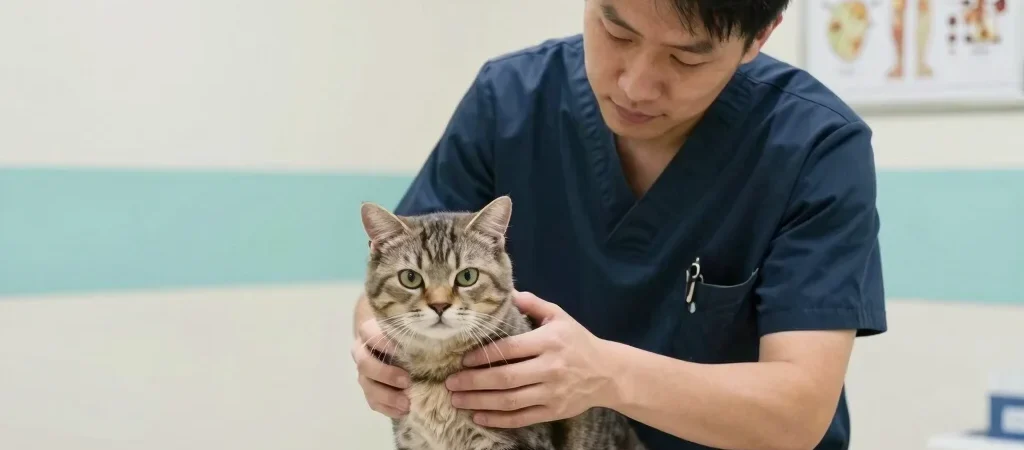
Feline lower urinary tract disease (FLUTD) is not a single disease. Instead, it describes a group of conditions affecting the bladder and urethra of cats. These conditions can cause painful urination, frequent trips to the litter box, blood in the urine, inappropriate urination, and, in severe cases, life-threatening urinary obstruction.
The good news is that many urinary problems can be identified early when owners and veterinarians recognize the warning signs. Understanding feline lower urinary tract disease is therefore important for cat owners, veterinary students, technicians, and practitioners.
FLUTD may involve feline idiopathic cystitis, urinary stones, urethral plugs, bacterial infections, tumors, or other urinary disorders. In many cats with lower urinary tract signs, no single underlying cause is immediately identified. Feline idiopathic cystitis is particularly important because diagnosis generally requires exclusion of other causes.
Emergency warning: A cat that repeatedly strains to urinate but produces little or no urine may have a urethral obstruction. This is a veterinary emergency, especially in male cats, and requires immediate professional attention.
What Is Feline Lower Urinary Tract Disease?
Feline lower urinary tract disease is a general term for conditions involving the urinary bladder and urethra. It isn’t a diagnosis by itself. Instead, it describes a pattern of urinary problems that can have several different causes.
Common conditions included under FLUTD are:
Feline idiopathic cystitis
Urolithiasis or urinary stones
Urethral plugs
Urethral obstruction
Bacterial urinary tract infection
Bladder or urethral tumors
Certain anatomical or neurological disorders
Both male and female cats can develop FLUTD. However, male cats deserve particular attention because their urethra is longer and narrower, making obstruction more likely.
The term can sometimes be confusing for pet owners. A cat may show classic FLUTD signs even when there is no infection. In fact, bacterial infection isn’t the only—and often isn’t the most likely—explanation for urinary signs in younger cats.
This is why treating every urinary problem with antibiotics isn’t appropriate. A proper veterinary examination and diagnostic workup help determine what is actually happening.
Understanding the Feline Urinary Tract
The feline urinary system consists of the:
Kidneys – filter waste products from the blood and help regulate water and electrolyte balance.
Ureters – narrow tubes that carry urine from each kidney to the bladder.
Urinary bladder – stores urine until the cat urinates.
Urethra – carries urine from the bladder to the outside of the body.
The lower urinary tract mainly refers to the bladder and urethra.
When the bladder becomes inflamed, the cat may feel an urgent need to urinate. The result can be frequent visits to the litter box, straining, vocalization, or urination in unusual places.
The urinary system also plays an important role in maintaining fluid and electrolyte balance. Consequently, serious obstruction can quickly become a systemic problem rather than simply a bladder problem.
Major Causes of Feline Lower Urinary Tract Disease
FLUTD has multiple possible causes, so the clinical signs alone usually aren’t enough to determine the exact disease.
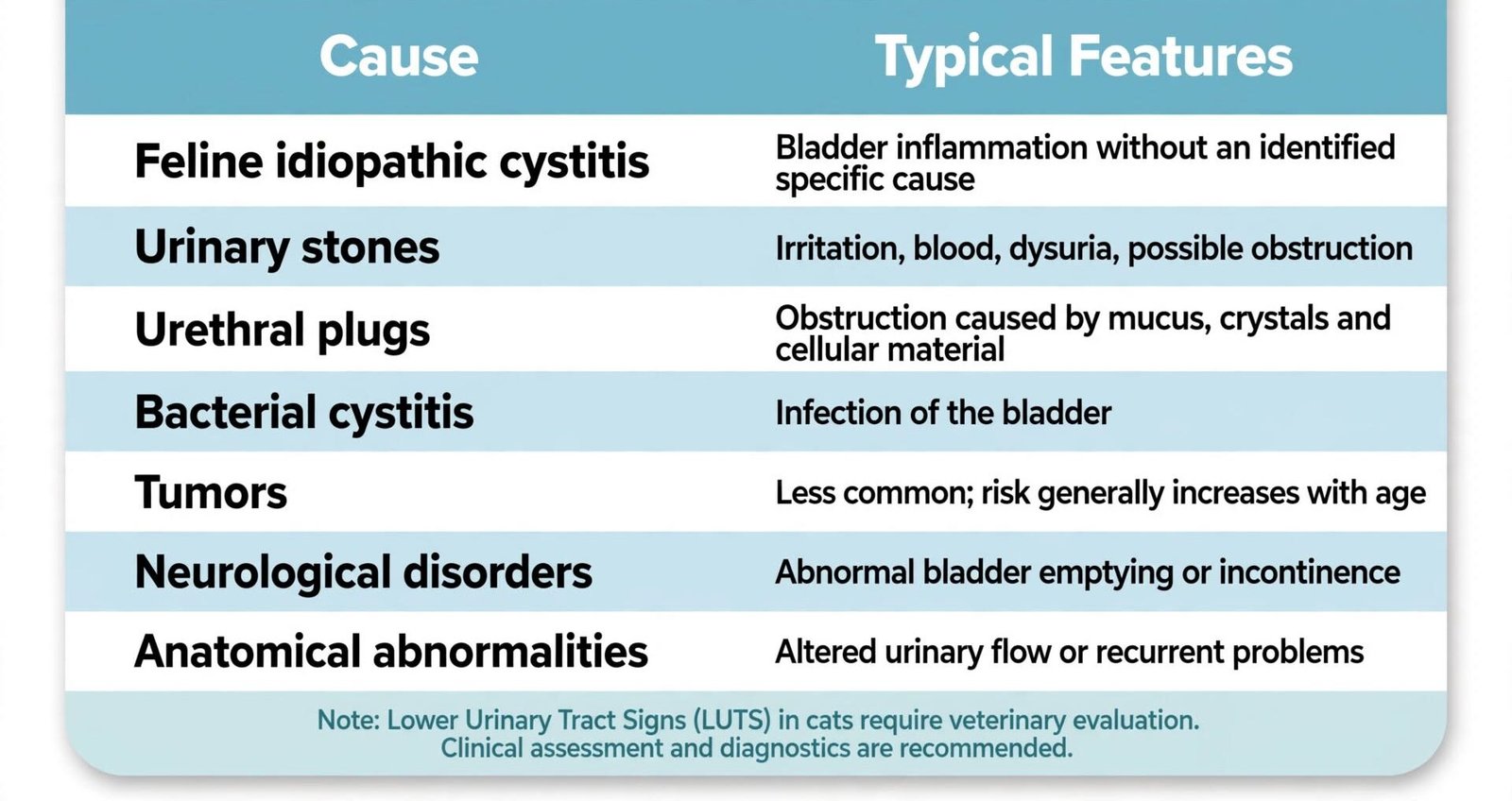
Among cats presenting with lower urinary tract signs, feline idiopathic cystitis is a particularly important diagnosis. However, it should be considered only after other important causes have been investigated.
Feline Idiopathic Cystitis: A Common Challenge
Feline idiopathic cystitis (FIC) is inflammation of the urinary bladder for which a specific cause cannot be identified.
The exact mechanism remains incompletely understood. However, interactions among the bladder, nervous system, stress responses, and neurohormonal pathways are thought to contribute.
Typical signs include:
Frequent urination
Straining to urinate
Blood in the urine
Pain or vocalization during urination
Urinating outside the litter box
Repeated licking of the genital area
FIC is particularly challenging because there is no single laboratory test that simply confirms it. Instead, veterinarians diagnose it by considering the history, examination, urinalysis, and appropriate additional tests while excluding other causes such as stones, infection, obstruction, and neoplasia.
Stress reduction is therefore an important part of management. Environmental enrichment, predictable routines, appropriate litter-box resources, safe resting areas, and reduced inter-cat conflict may help some affected cats.
Urinary Stones and Crystals
Urolithiasis means the formation of stones within the urinary tract.
Cats can develop different types of urinary stones, with calcium oxalate and struvite being important examples. Stones can irritate the bladder lining and cause inflammation, hematuria, and painful urination.
Some stones may also contribute to urethral obstruction.
Diagnosis may involve:
Urinalysis
Microscopic examination of sediment
Abdominal radiography
Ultrasonography
Stone analysis when a stone is removed or passed
Importantly, crystals seen in urine aren’t automatically proof that a cat has urinary stones. Crystal formation can be influenced by urine concentration, pH, temperature, storage conditions, and other factors. Therefore, laboratory findings should be interpreted alongside the clinical picture.
Urolithiasis is recognized as an important cause of lower urinary tract disease, and male cats have increased risk of obstruction.
Urethral Obstruction: A True Emergency
Urethral obstruction is one of the most serious complications associated with FLUTD.
A blocked cat may repeatedly enter the litter box, assume a urination posture, strain, and produce little or no urine. The cat may also vocalize, become restless, hide, lose appetite, vomit, or become increasingly lethargic.
As urine cannot leave the body normally, waste products and electrolytes can accumulate. Hyperkalemia may develop and can cause serious cardiac complications.
Warning Signs of Possible Obstruction
Seek emergency veterinary care if a cat:
Makes repeated unsuccessful attempts to urinate
Produces no visible urine
Cries or vocalizes during urination
Becomes increasingly depressed
Vomits
Stops eating
Becomes weak or collapses
Has a painful or enlarged bladder
A complete urethral obstruction can become fatal without treatment. Merck Veterinary Manual notes that cats with complete obstruction may die within approximately 2–3 days without treatment.
This is not a “wait and see” situation.
Bacterial Urinary Tract Infections in Cats
Bacterial cystitis can cause signs that look very similar to other forms of FLUTD.
Possible signs include:
Pollakiuria, or frequent urination
Dysuria, or painful urination
Stranguria, or difficult urination
Hematuria
Periuria, meaning urination outside the litter box
However, bacterial infection isn’t equally likely in every cat. Young cats with lower urinary tract signs often have noninfectious causes, while bacterial cystitis becomes more relevant in certain older cats and cats with underlying diseases.
When infection is suspected, urine culture can be extremely useful. Cystocentesis, in which urine is collected directly from the bladder using a sterile needle, is commonly preferred for bacterial culture because it reduces contamination.
Recognizing the Clinical Signs of FLUTD
Owners often notice changes in litter-box behavior before they notice anything else.
Common clinical signs include:
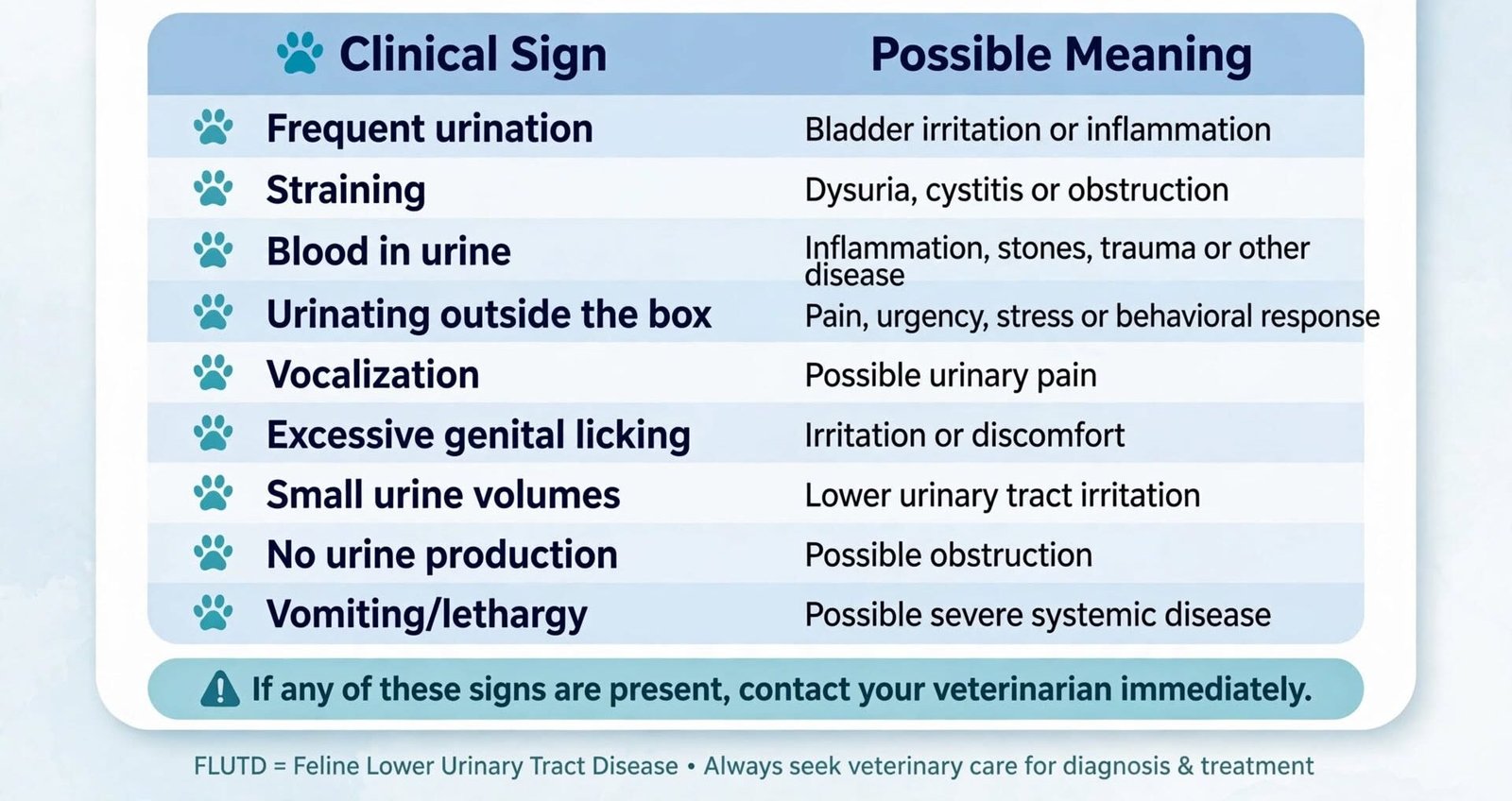
These signs overlap among different diseases. Therefore, observing one sign doesn’t establish a diagnosis.
Risk Factors for Feline Lower Urinary Tract Disease
Several factors may influence urinary health.
Potential contributors include:
Low water intake
Highly concentrated urine
Obesity
Limited physical activity
Environmental stress
Multi-cat household conflict
Poor litter-box management
Previous urinary disease
Male sex for obstruction risk
Certain dietary and metabolic factors
Underlying systemic disease
Not every risk factor causes FLUTD, and a cat can develop urinary disease without having an obvious risk factor.
For cats with recurrent disease, veterinarians often look beyond the bladder and assess the animal’s complete environment.
How Veterinarians Diagnose FLUTD
A proper diagnostic approach begins with a detailed history and physical examination.
The veterinarian may ask:
How frequently is the cat urinating?
Is urine being produced?
What does the urine look like?
Has the cat started urinating outside the litter box?
Has water consumption changed?
What food is the cat eating?
Has the diet recently changed?
Are there other cats in the household?
Has the cat experienced recent environmental changes?
Has the cat had urinary problems before?
Physical examination may include palpation of the bladder and kidneys, assessment of hydration, examination of the genital region, and evaluation of the cat’s general condition.
Depending on the case, blood pressure measurement, neurological examination, blood testing, urinalysis, culture, radiography, ultrasonography, or other diagnostic procedures may be recommended.
Urinalysis: A Key Diagnostic Tool
Urinalysis is one of the most useful first-line investigations for cats with urinary signs.
A complete urinalysis may evaluate:
Urine color and appearance
Specific gravity
pH
Protein
Glucose
Ketones
Blood
Bilirubin
Red blood cells
White blood cells
Bacteria
Crystals
Casts
Urine specific gravity helps the veterinarian understand how concentrated the urine is. Sediment examination can reveal cells, crystals and other abnormalities.
Fresh urine is preferred because delays in examination can alter some results.
Urine Culture
Urine culture is especially useful when bacterial infection is suspected.
A positive culture should be interpreted together with clinical signs and other laboratory findings. Finding bacteria alone doesn’t always mean that a cat has clinically important bacterial cystitis.
Blood Tests in FLUTD Cases
Blood testing isn’t required for every uncomplicated urinary case, but it becomes particularly important when obstruction, systemic illness, kidney dysfunction, dehydration, or metabolic abnormalities are suspected.
Potential tests include:
Complete blood count
Serum biochemistry
Electrolytes
Blood urea nitrogen
Creatinine
Glucose
Phosphorus
Acid-base assessment when indicated
Potassium is particularly important in suspected urethral obstruction because severe hyperkalemia can develop and may affect cardiac function.
Blood testing can therefore help determine how seriously the urinary problem is affecting the whole patient.
Radiography and Ultrasonography
Imaging provides information that urine testing alone cannot provide.
Abdominal Radiography
Radiographs can help identify certain urinary stones and assess the overall abdominal region.
Abdominal Ultrasonography
Ultrasound can evaluate:
Bladder wall
Bladder contents
Urinary sediment
Stones
Masses
Kidneys
Ureters in appropriate cases
Ultrasonography is especially useful when urinary obstruction or upper urinary tract disease is suspected.
In more complex cases, contrast studies, cystoscopy, CT, or biopsy may be considered.
Prevention: Encourage Better Water Intake
One of the simplest practical goals in urinary health is encouraging adequate water consumption.
Cats naturally have a relatively low thirst drive compared with many other domestic animals. Increasing water intake can help produce more dilute urine in appropriate patients.
Practical approaches include:
Provide several clean water bowls.
Refresh water regularly.
Consider a cat water fountain.
Offer wet or canned food when appropriate.
Place water sources in quiet, easily accessible locations.
Keep water away from litter boxes.
Experiment with different bowl materials if the cat has preferences.
Dietary changes should be discussed with a veterinarian, particularly when a cat has a history of urinary stones or recurrent FLUTD.
Nutrition and Urinary Health
Diet plays an important role in managing some urinary disorders, but there is no universal “FLUTD diet” suitable for every cat.
Dietary recommendations depend on the underlying diagnosis.
For example, a cat with a specific type of urinary stone may require a different dietary strategy from a cat with recurrent idiopathic cystitis.
Veterinary therapeutic diets may be designed to influence urine concentration, mineral balance, and urinary pH. However, inappropriate dietary changes can sometimes be counterproductive.
Therefore, don’t simply choose a urinary diet because the label says “urinary health.” The diagnosis should guide the diet.
Litter-Box Management Matters
A clean, accessible litter box can make a surprisingly big difference.
Helpful practices include:
Provide sufficient litter boxes.
Clean boxes regularly.
Place boxes in quiet locations.
Avoid sudden litter changes.
Provide easy access for older or mobility-limited cats.
Avoid placing litter boxes beside noisy appliances.
Monitor urine production and litter-box habits.
In multi-cat households, competition for resources can contribute to stress. Cats should have access to safe resting places, food, water, litter boxes, scratching areas, and hiding spaces.
Environmental management is particularly relevant to cats with feline idiopathic cystitis.
Stress Reduction and Environmental Enrichment
Stress doesn’t mean that FLUTD is “just psychological.” Rather, stress and neurohormonal responses may interact with bladder function in susceptible cats.
Environmental enrichment may include:
Interactive play
Scratching posts
Elevated resting spaces
Hiding areas
Predictable daily routines
Safe exploration
Reduced inter-cat conflict
Individual access to essential resources
Never punish a cat for urinating outside the litter box. Punishment can increase fear and stress while failing to address the underlying medical problem.
FLUTD Diagnostic Workflow
A practical veterinary approach can be summarized as follows:
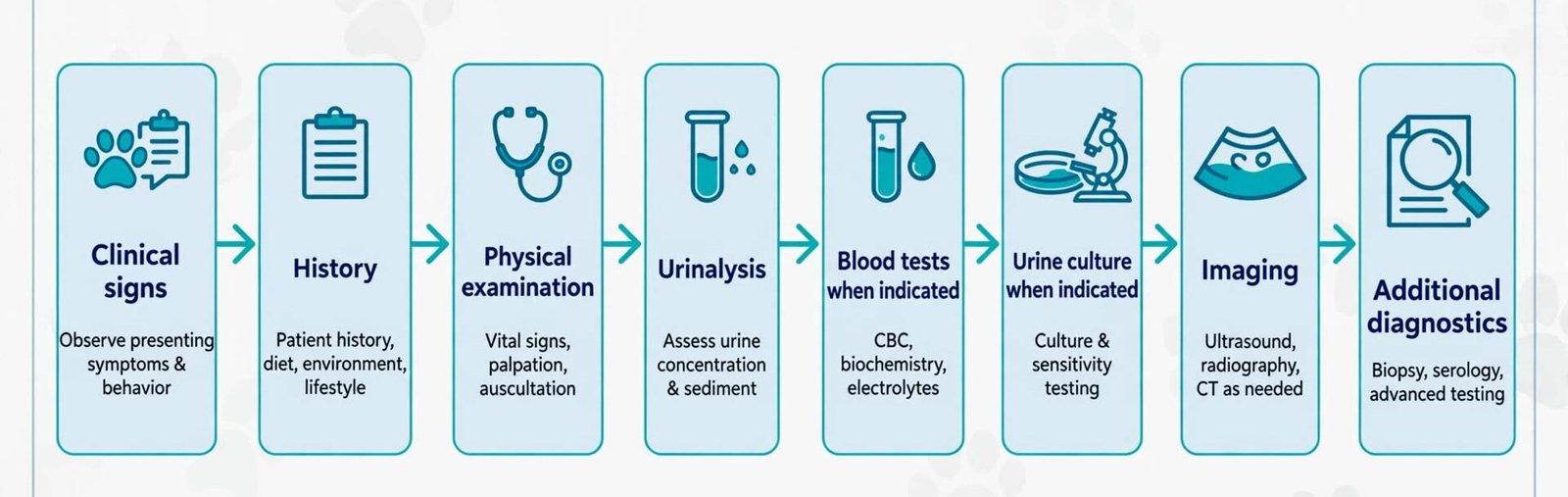
The exact sequence depends on the patient’s age, sex, clinical severity, previous history, and suspected disease.
For example, a stable cat with mild recurrent lower urinary signs may require a different workup from a male cat presenting with complete urinary obstruction.
Prevention Checklist for Cat Owners
Use this simple checklist to support urinary health:
Provide constant access to fresh water.
Monitor daily litter-box behavior.
Look for changes in urine volume.
Watch for blood in urine.
Maintain clean litter boxes.
Reduce household stress.
Provide adequate environmental enrichment.
Maintain a healthy body condition.
Feed an appropriate complete and balanced diet.
Follow veterinary dietary recommendations for stone-forming cats.
Attend routine veterinary examinations.
Never ignore repeated straining to urinate.
Treat inability to urinate as an emergency.
When Should You Contact a Veterinarian?
Contact your veterinarian promptly if your cat:
Urinates much more frequently than normal
Strains while urinating
Produces unusually small amounts of urine
Has blood in the urine
Urinates outside the litter box
Shows signs of urinary pain
Licks the genital area excessively
Has recurrent urinary problems
Seek emergency veterinary care immediately if your cat repeatedly attempts to urinate but produces no urine, particularly if the cat is male or is becoming weak, painful, lethargic, or vomiting. Complete obstruction can rapidly cause severe metabolic abnormalities and can be fatal without treatment.
Frequently Asked Questions About FLUTD
1. Is feline lower urinary tract disease the same as a urinary tract infection?
No. FLUTD is an umbrella term covering several lower urinary tract disorders. Bacterial urinary infection is only one possible cause. Feline idiopathic cystitis, urinary stones, urethral plugs, obstruction, and other disorders can produce similar signs.
2. What are the first signs of FLUTD in cats?
Common early signs include frequent trips to the litter box, straining, small amounts of urine, blood in the urine, vocalization during urination, and urinating outside the litter box.
3. Why is urinary blockage more dangerous in male cats?
Male cats have a longer and narrower urethra, making obstruction more likely. A complete obstruction prevents urine from leaving the body and can cause severe electrolyte and metabolic abnormalities.
4. Can stress cause bladder problems in cats?
Stress is considered an important factor in feline idiopathic cystitis. The exact disease mechanism is complex, but environmental management and stress reduction are important components of care for affected cats.
5. Does blood in a cat’s urine always mean infection?
No. Hematuria can occur with inflammation, stones, obstruction, trauma, infection, and other urinary diseases. Urinalysis and other appropriate diagnostic tests are needed to determine the cause.
6. What is the most important diagnostic test for FLUTD?
There isn’t one test that diagnoses every form of FLUTD. Urinalysis is an important starting point, while urine culture, blood testing, radiography, ultrasonography, and other tests may be needed depending on the clinical situation.
7. Can FLUTD be prevented completely?
Not always. Some causes cannot be completely prevented. However, maintaining hydration, appropriate nutrition, healthy body condition, good litter-box management, environmental enrichment, and early veterinary assessment can help reduce risk and improve management.
8. Should antibiotics be given whenever a cat has urinary symptoms?
No. Antibiotics should be used when bacterial infection is appropriately diagnosed or strongly supported by veterinary assessment. Many cases of feline lower urinary tract disease are noninfectious.
9. Can a cat recover from urinary obstruction?
Many cats can recover when obstruction is treated promptly. However, obstruction is an emergency requiring veterinary intervention, and affected cats may need hospitalization, fluid therapy, correction of electrolyte abnormalities, urinary catheterization, pain control, and monitoring.
10. Can a cat with FLUTD live a normal life?
Yes. Many cats with urinary disorders can have a good quality of life when the underlying problem is correctly identified and managed. Recurrent cases may require long-term attention to diet, hydration, environmental stress, litter-box management, and veterinary monitoring.
Evidence-Based Veterinary Resources
For additional professional information, the Merck Veterinary Manual provides peer-reviewed veterinary resources covering FLUTD, feline idiopathic cystitis, urinary obstruction, urolithiasis, urinalysis, and urinary tract diagnostics.
You can also consult the Merck Veterinary Manual: Lower Urinary Tract Disease in Cats for a detailed veterinary reference.
Conclusion
Feline lower urinary tract disease is a broad clinical syndrome rather than one specific disease. Its causes range from feline idiopathic cystitis and urinary stones to bacterial infection, urethral plugs, obstruction, and less common disorders.
The key to successful management is early recognition followed by appropriate diagnosis.
Watch for frequent urination, straining, blood in the urine, painful urination, litter-box changes, and reduced urine production. Don’t assume that every urinary problem is an infection, because several noninfectious disorders can produce the same clinical signs.
For veterinarians, a systematic approach combining history, physical examination, urinalysis, urine culture when appropriate, blood testing, and diagnostic imaging provides a logical pathway toward the underlying cause.
For cat owners, prevention starts with simple everyday habits: fresh water, appropriate nutrition, clean litter boxes, reduced stress, environmental enrichment, healthy body condition, and regular veterinary care.
Most importantly, a cat that repeatedly strains to urinate but produces little or no urine should be treated as an emergency. Rapid veterinary intervention can be lifesaving.



Leave a Reply