
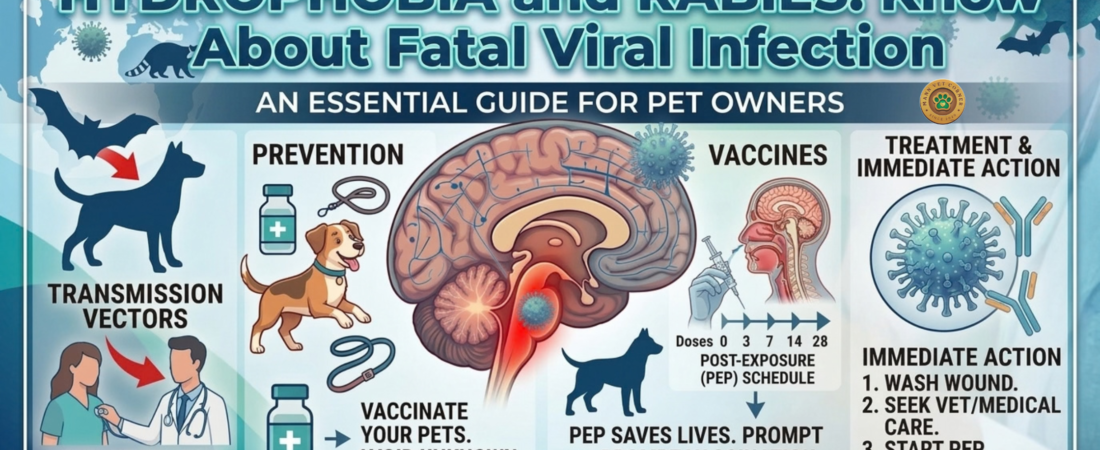
Quick Answer: What Is Hydrophobia?
| Hydrophobia is an extreme fear or aversion to water that develops as a neurological symptom of rabies infection. It occurs when the rabies virus damages the brainstem and affects nerves controlling swallowing. People and animals with rabies-induced hydrophobia experience severe throat spasms when attempting to drink water, leading to instinctive avoidance of liquids. Hydrophobia is not the disease itself but a clinical indicator that the rabies virus has reached advanced stages, making it almost universally fatal once symptoms appear. |
Introduction: Understanding Hydrophobia and Its Connection to Rabies
Hydrophobia is one of the most distinctive and frightening symptoms of rabies, a viral infection affecting the central nervous system. Many people misunderstand what hydrophobia actually is. It is not a phobia in the psychological sense—it is a neurological response to rabies virus infection. When someone develops hydrophobia due to rabies, they experience an involuntary, physical inability to swallow water safely, paired with intense instinctive fear of water.
In this comprehensive guide, we explore the definition of hydrophobia, explain why rabies causes it, clarify the relationship between rabies and hydrophobia, and provide practical information about recognition, prevention, and treatment.
Hydrophobia Definition: What Does Hydrophobia Mean?
The term “hydrophobia” comes from Greek roots: “hydro” (water) and “phobos” (fear). Hydrophobia literally translates to “fear of water.” However, the clinical definition is more precise and specific to rabies infection.
Clinical Definition of Hydrophobia
Hydrophobia is a neurological symptom of advanced rabies characterized by:
- Involuntary throat muscle spasms triggered by attempts to swallow water
- Severe pain when water touches the throat or mouth
- Intense, instinctive aversion and fear of water
- Excessive salivation despite inability to swallow (hypersalivation)
- Profound anxiety or panic at the sight, sound, or thought of water
It’s crucial to understand that hydrophobia in rabies is not a psychological phobia—it is a direct physical response to viral damage in the brain and nervous system.
Pathophysiology of Hydrophobia
Viral Entry and Targeted Brain Regions
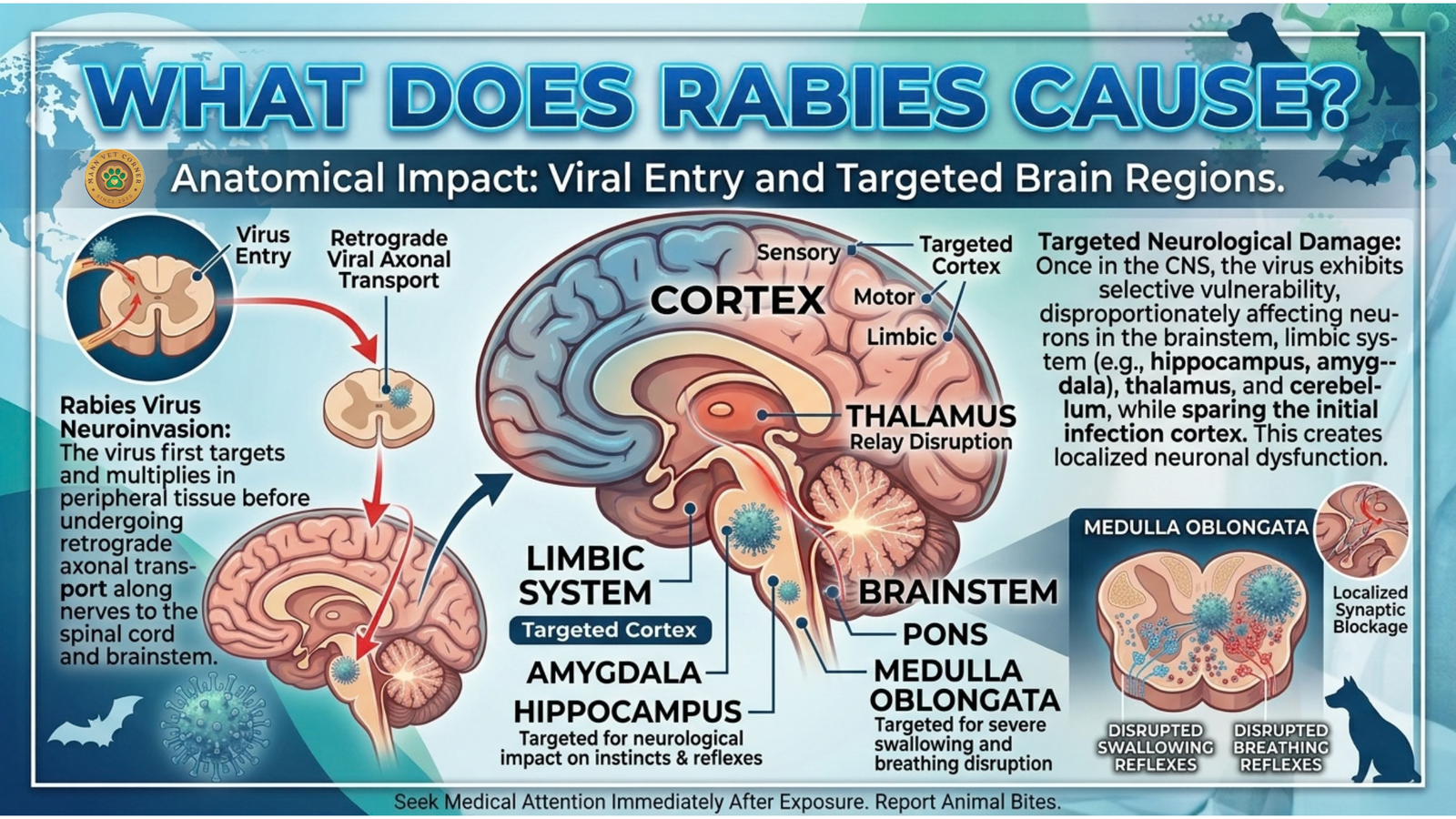
An infographic illustrating how the rabies virus travels via retrograde axonal transport through the nervous system to target key brain regions, including the brainstem, limbic system, and cortex—causing targeted neurological dysfunction.
Neurological Mechanism Behind Rabies-Induced Hydrophobia
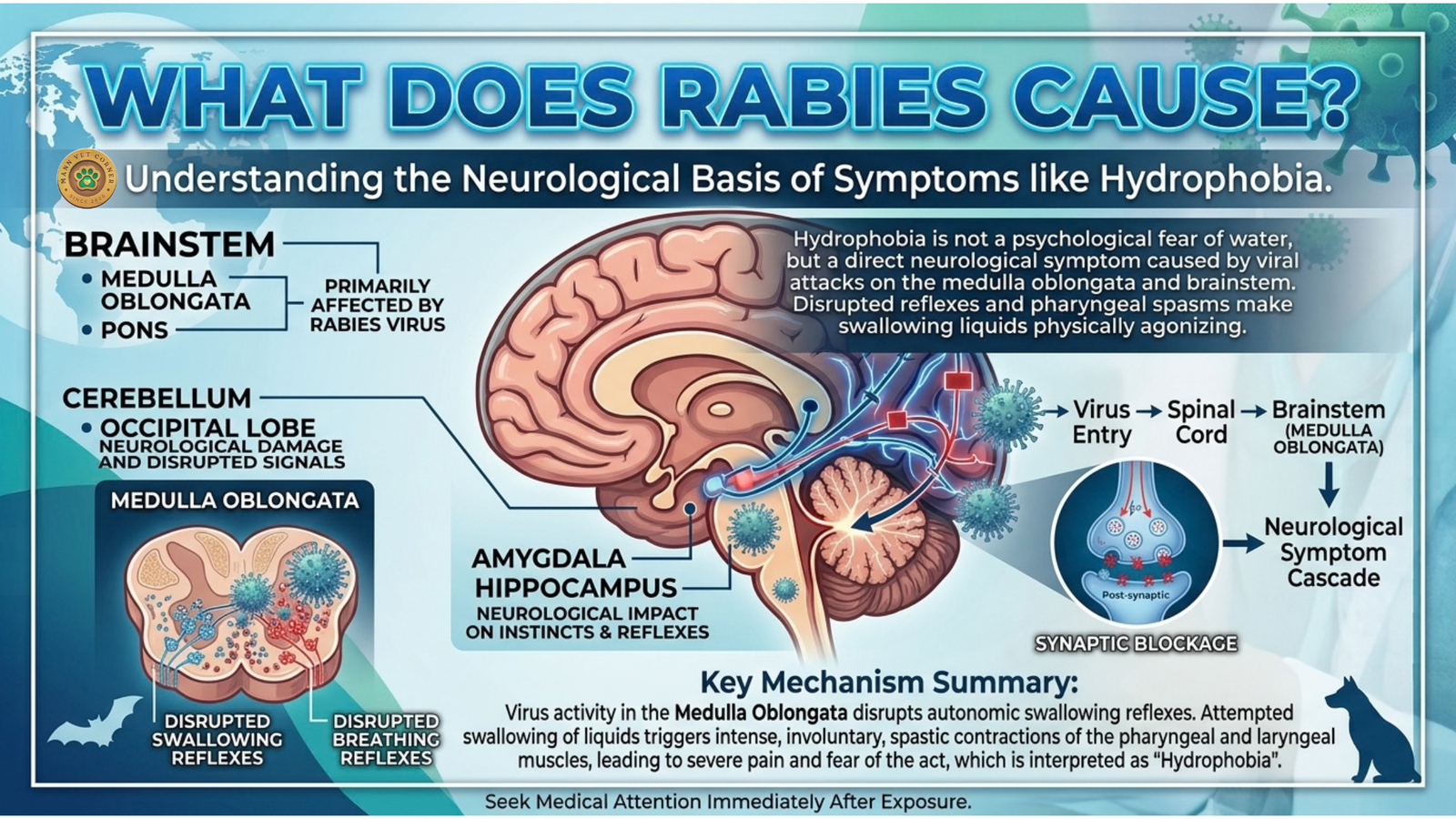
A detailed breakdown explaining how rabies attacks the medulla oblongata and brainstem, disrupting autonomic swallowing reflexes and causing painful pharyngeal spasms that trigger involuntary water avoidance.
How Rabies Disrupts Swallowing and Breathing Reflexes
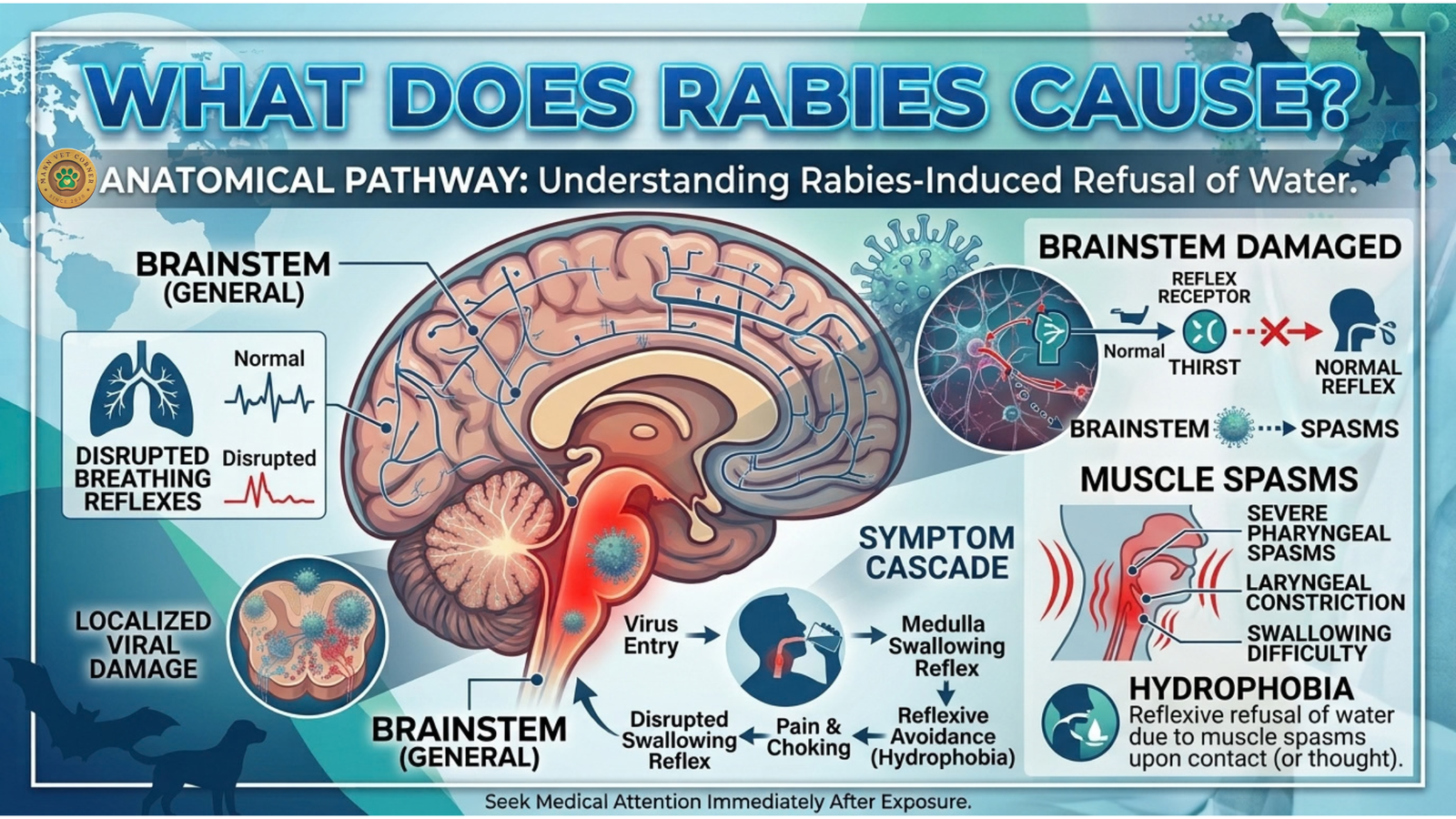
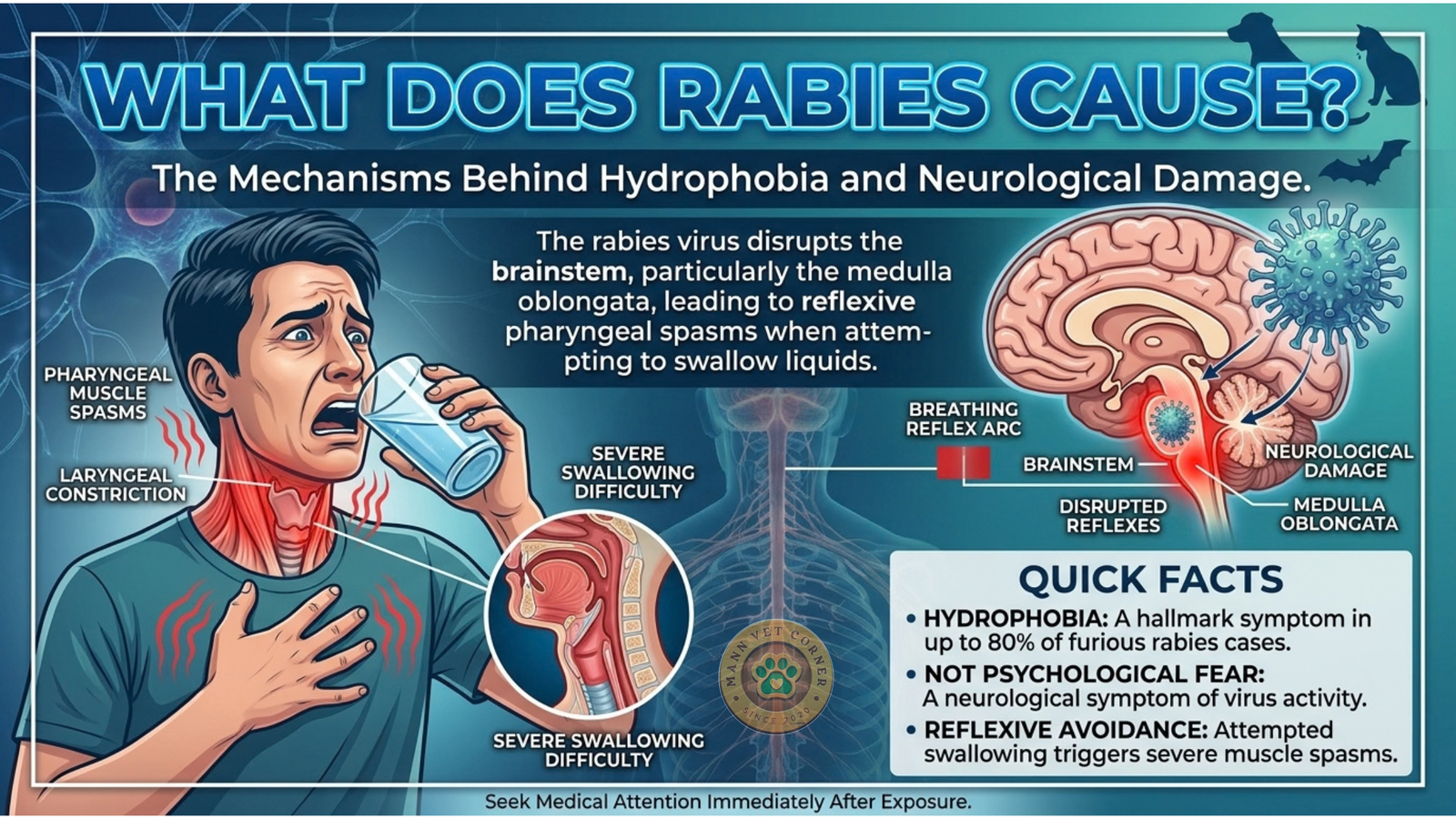
Visual representation of the symptom cascade caused by rabies, showing how brainstem damage leads to laryngeal constriction, severe pharyngeal muscle spasms, and acute choking during attempts to drink.
Understanding Hydrophobia and Neurological Symptoms in Rabies
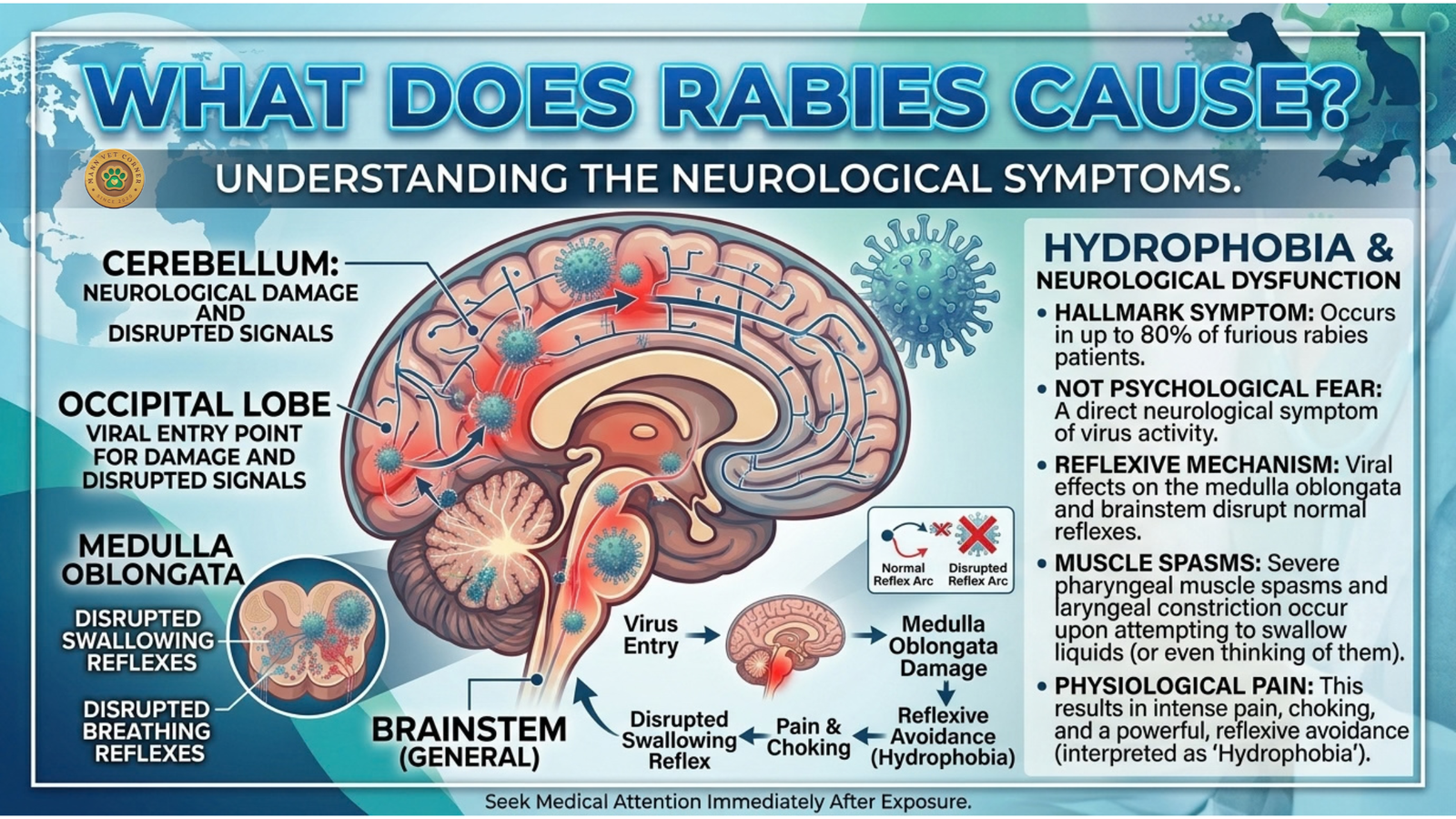
An infographic detailing the hallmark symptom of rabies—hydrophobia—highlighting that water avoidance is a physiological reflexive response to neurological damage in the medulla oblongata rather than a psychological fear.
Rabies Neuroinvasion and the Physiological Causes of Hydrophobia
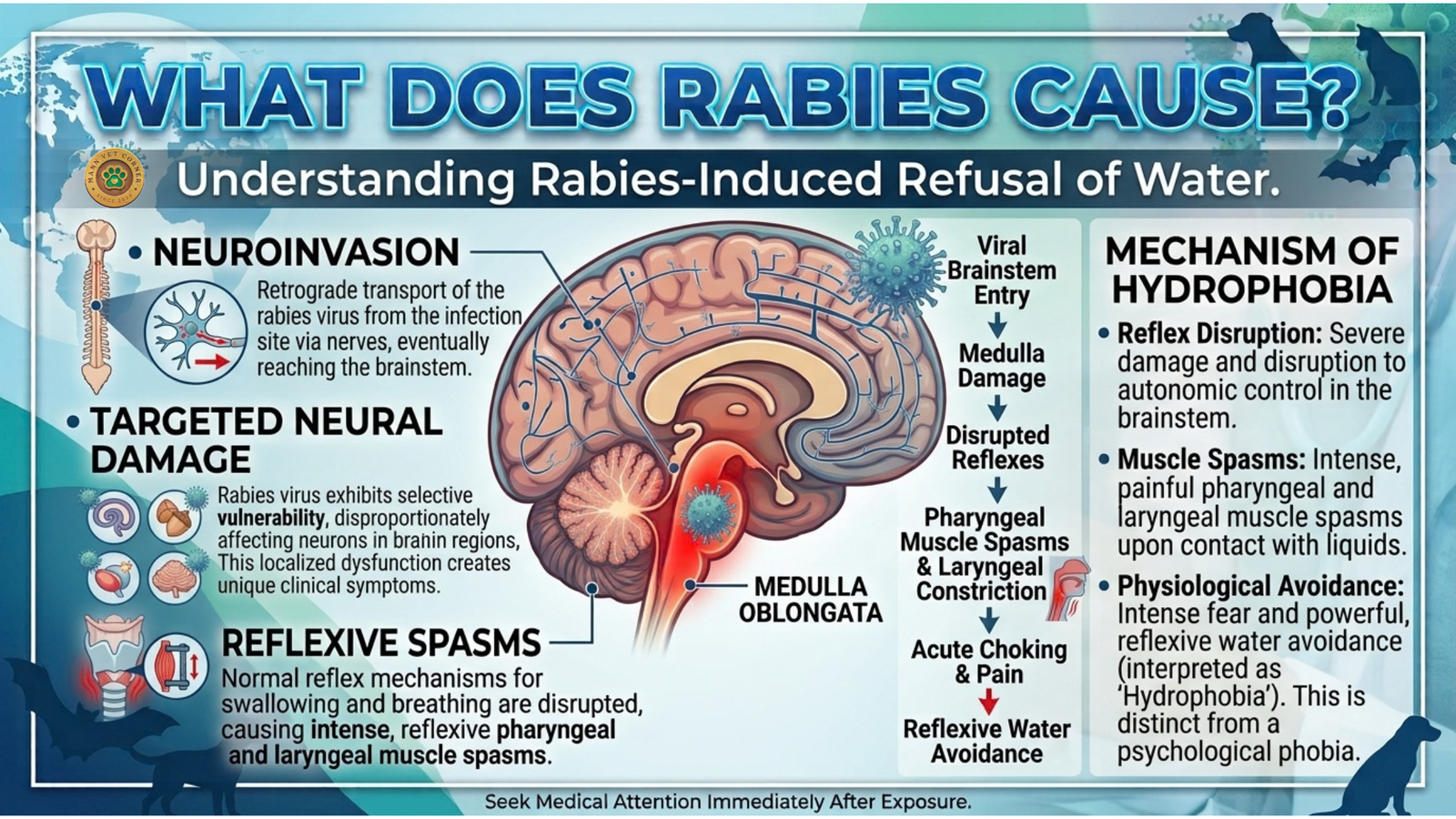
Overview of rabies neuroinvasion outlining how retrograde transport, targeted neural damage, and disrupted reflex mechanisms in the brainstem force acute pharyngeal spasms and water avoidance.
Is Hydrophobia the Same as Rabies? Understanding the Relationship
Hydrophobia is NOT rabies—hydrophobia is a symptom of rabies.
Rabies is a viral infection caused by the rabies virus (Rhabdovirus, genus Lyssavirus). Hydrophobia is one of several neurological symptoms that develop when the rabies virus infects the central nervous system.
Rabies Progression and Hydrophobia Timeline
Rabies progresses through stages, and hydrophobia typically emerges in the middle to late stages:
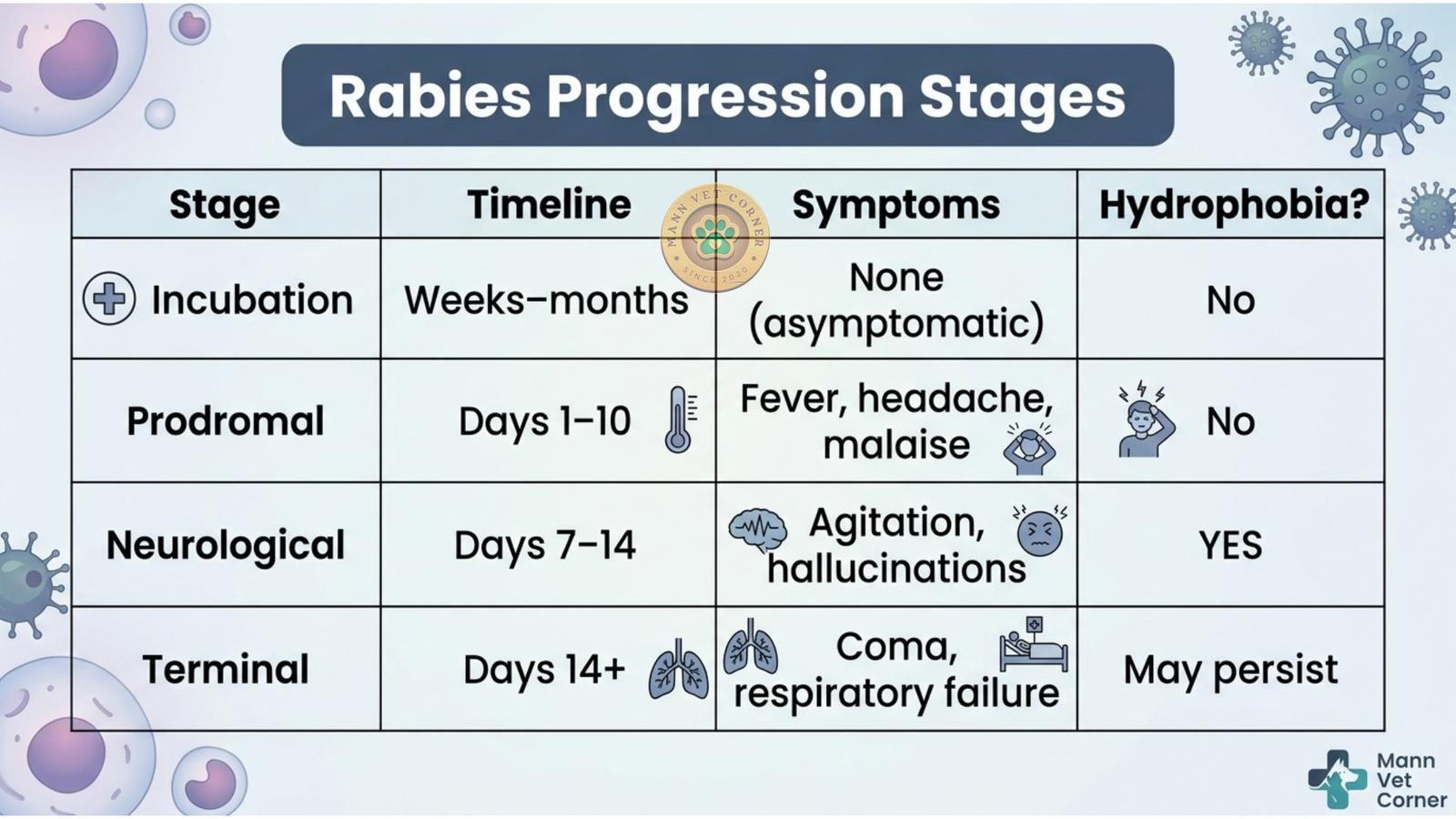
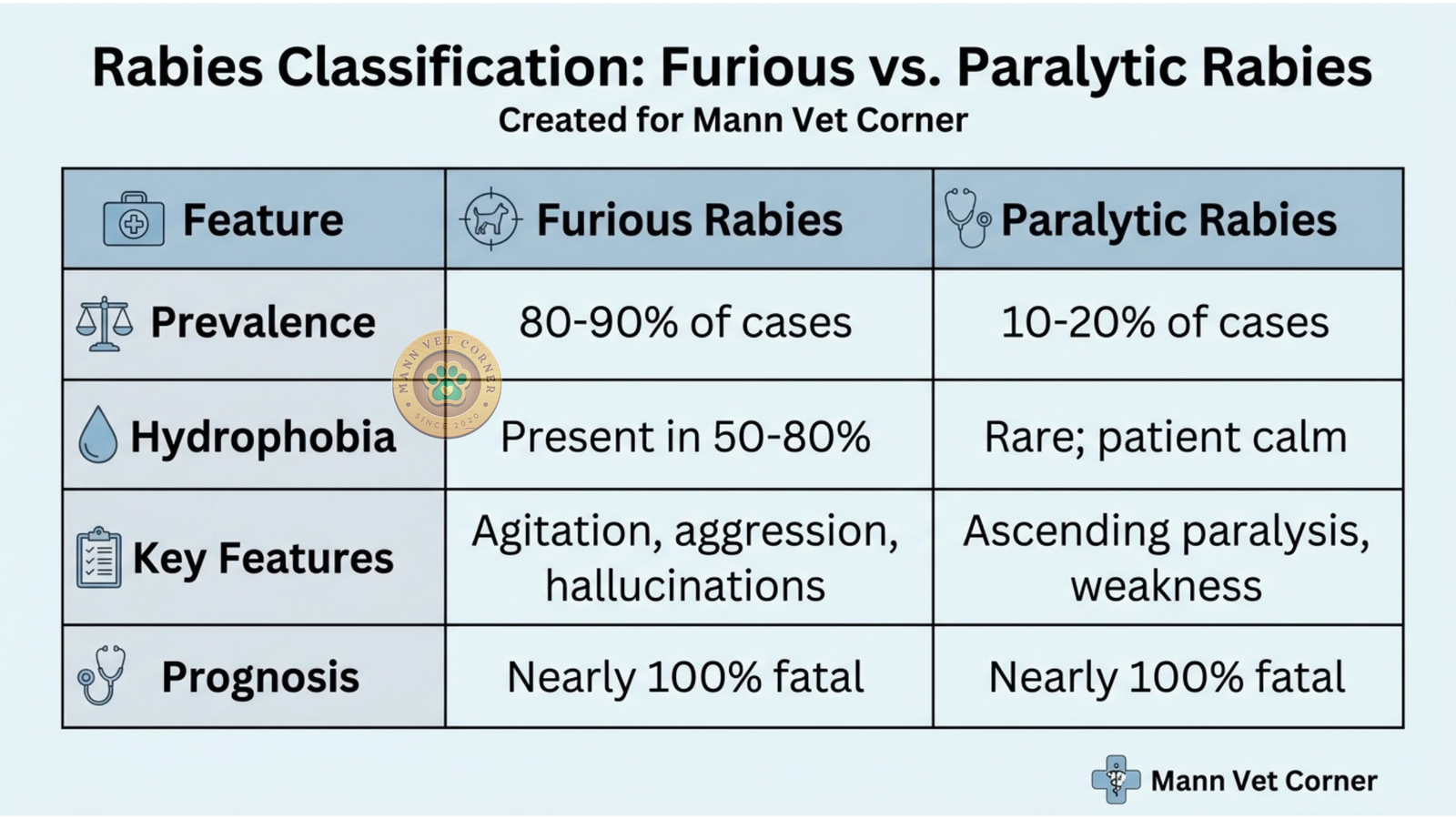
Not all rabies cases present with hydrophobia. Paralytic rabies accounts for 10-20% of cases and may not cause hydrophobia. However, when hydrophobia occurs, it is highly specific to rabies.
Why Does Rabies Cause Hydrophobia? The Neurological Mechanism
Understanding why rabies causes hydrophobia requires examining how the virus damages the brain and affects neural pathways responsible for swallowing.
How the Rabies Virus Reaches the Brain
The rabies virus follows a specific route to the central nervous system:
- Initial infection occurs at the bite site through contact with infected saliva
- The virus enters nerve endings and replicates in nerve cells
- It travels retrograde (backward) along nerve axons toward the spinal cord
- From the spinal cord, it ascends to the brainstem and brain
- It spreads throughout the brain and to salivary glands
This neurotropic pathway explains why rabies incubation varies based on bite location—facial bites lead to faster symptom onset than leg bites.
Viral Damage to Brain Centers Controlling Swallowing
Once the rabies virus reaches the brainstem, it attacks regions controlling swallowing, respiration, and sensation. The medulla oblongata contains the swallowing center and vagus nerve nuclei. Viral infection causes dysfunction of pharyngeal and laryngeal muscles, spasms when swallowing water, and disruption of saliva management.
The trigeminal nerve (CN V), carrying sensation from mouth and throat, becomes hypersensitive due to viral inflammation. This heightened sensitivity means water contact triggers pain or burning, the brain interprets it as threat, and an instinctive fear response develops.
Recognizing Hydrophobia: Symptoms and Clinical Presentation
Hydrophobia Symptoms in Humans
- Severe pain or burning when attempting to drink
- Involuntary throat muscle spasms triggered by swallowing attempts
- Profuse salivation (drooling) despite inability to swallow
- Panic or intense anxiety when seeing or hearing water
- Inability to drink or eat; rapid dehydration and weight loss
Hydrophobia Symptoms in Animals
- Avoidance of water bowls or refusal to drink despite extreme thirst
- Extreme agitation or aggression when water is presented
- Excessive salivation, often with foaming at the mouth
- Difficulty swallowing food; choking or gagging
- Behavioral changes such as isolation, shyness, or uncharacteristic aggression
Rabies Hydrophobia Comparison: Furious vs. Paralytic Rabies
Post-Exposure Prophylaxis (PEP): Prevention Before Hydrophobia Develops
The only effective way to prevent rabies and hydrophobia is through post-exposure prophylaxis (PEP)—a series of vaccinations and immunoglobulin administered after suspected exposure.
Critical Window for PEP Administration
PEP is effective only if administered before symptoms develop. Once clinical symptoms appear—including hydrophobia—rabies is almost uniformly fatal. Immediate medical attention after potential exposure is essential.
PEP Components:
- Rabies vaccine (typically 4 doses on days 0, 3, 7, and 14)
- Rabies immunoglobulin (RIG), administered on day 0
- Wound care and tetanus prophylaxis if needed
Frequently Asked Questions About Hydrophobia and Rabies
Q1: What is the difference between hydrophobia and aquaphobia?
Hydrophobia in rabies is a neurological symptom—physical inability and reflex fear triggered by viral damage. Aquaphobia is a psychological phobia with no medical basis. A person with aquaphobia can still swallow water; someone with rabies-induced hydrophobia experiences physical pain and muscle spasms.
Q2: Can hydrophobia occur without rabies?
True hydrophobia—the neurological symptom with involuntary throat spasms—is virtually pathognomonic (highly specific) to rabies. If hydrophobia is present, rabies should be strongly suspected.
Q3: If an animal has hydrophobia, is it definitely rabid?
Hydrophobia is a strong indicator of rabies. A definitive diagnosis requires laboratory confirmation. However, if hydrophobia is present along with other behavioral changes, rabies should be presumed present and standard precautions implemented immediately.
Q4: Is rabies with hydrophobia contagious through saliva?
Yes. Animals with rabies have high concentrations of virus in their saliva. Transmission occurs through bites and potentially through saliva contact with mucous membranes or open wounds. Excessive salivation in hydrophobia increases transmission risk.
Q5: Can people survive rabies after showing hydrophobia?
Once hydrophobia appears, survival is nearly impossible. Only two individuals have survived rabies after symptom onset through experimental protocols. Critical point: PEP must be given before symptoms develop.
Q6: Why does hydrophobia present differently in animals versus humans?
Hydrophobia is reported in 50-80% of human rabies cases but less commonly documented in animals. Both species experience the same underlying neurological dysfunction; manifestation differs because humans articulate fear and pain while animals express it through behavioral avoidance.
Prevention Strategies: Reducing Rabies and Hydrophobia Risk
Avoiding Rabies Exposure:
- Maintain distance from wild animals, especially those acting strangely
- Never handle bats, raccoons, skunks, or wildlife without protective equipment
- Ensure pets are up-to-date on rabies vaccination
Immediate Care After Bite or Exposure:
- Wash the wound immediately with soap and water for 15+ minutes
- Flush the wound with alcohol or povidone-iodine solution
- Seek medical care within hours for PEP evaluation
Conclusion: Hydrophobia as a Critical Rabies Indicator
Hydrophobia—the hallmark neurological symptom of advanced rabies—represents one of the most distinctive and tragic manifestations of this ancient viral disease. It is not rabies itself, but a devastating symptom signaling the virus has invaded the brainstem and caused irreversible neurological damage.
Understanding what hydrophobia is, why rabies causes it, and how to recognize its signs can save lives. Once hydrophobia appears, rabies is almost uniformly fatal. However, with rapid access to post-exposure prophylaxis after exposure—administered before any symptoms develop—rabies is preventable.
If you or an animal in your care is bitten by a potentially rabid animal, seek immediate medical attention. Awareness, quick action, and access to PEP stand between life and death when it comes to rabies and hydrophobia.
